Have you ever found yourself mesmerized by the beauty of a bonsai tree, only to wonder if you could ever care for one yourself? You’re not alone.
Many people are captivated by these miniature wonders, yet hesitate to bring one home, fearing they might be too challenging to maintain. But is that really the case? Are bonsai trees hard to take care of, or is it just a common misconception?
We’ll uncover the truth behind bonsai care, helping you decide if these elegant trees are the perfect addition to your home. Keep reading to discover simple tips and secrets that can turn bonsai care from daunting to delightful. Your journey into the art of bonsai might be easier than you think!
Credit: www.bonsaiempire.com
Bonsai Basics
Caring for bonsai trees can be simple with the right knowledge. They need regular watering and proper sunlight. With patience, these miniature trees thrive and bring beauty to any space.
Bonsai trees, with their delicate beauty and miniature stature, can seem daunting to care for. Yet, understanding the basics can transform this seemingly complex art into a rewarding hobby. Whether you’re a novice or a seasoned gardener, knowing the essentials of bonsai care helps in nurturing these captivating trees.
Origin And History
The journey of bonsai begins in ancient China over a thousand years ago, where it was known as "penjing." Later, the art form traveled to Japan, where it was refined and popularized. Japanese monks who practiced Zen Buddhism played a pivotal role in shaping bonsai into the meditative art form we recognize today. Understanding its origins adds depth to your appreciation and care for these trees.
Popular Varieties
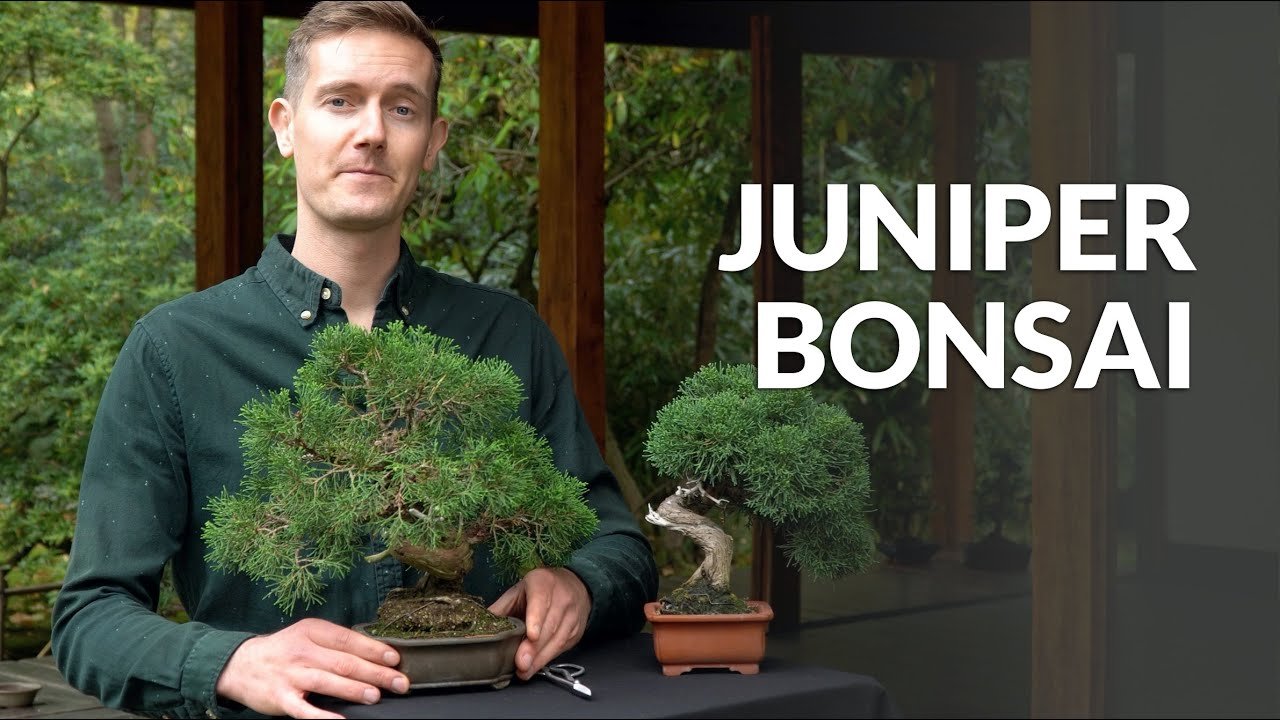
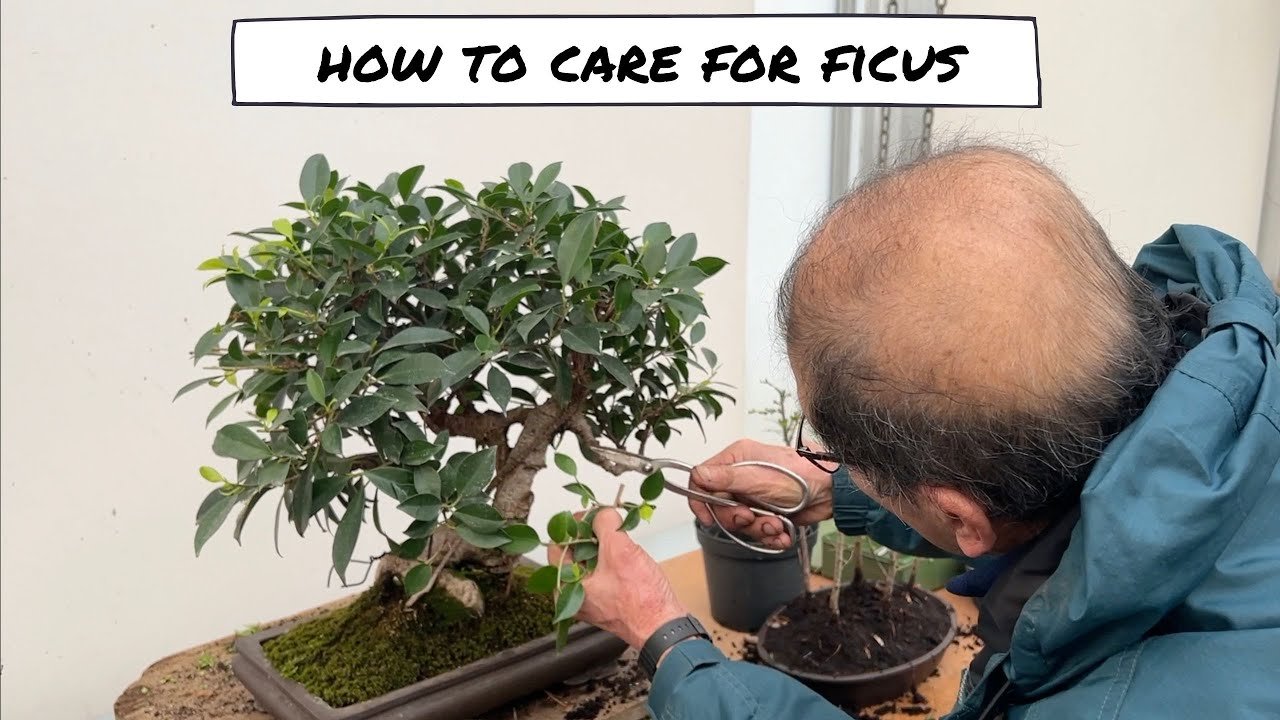
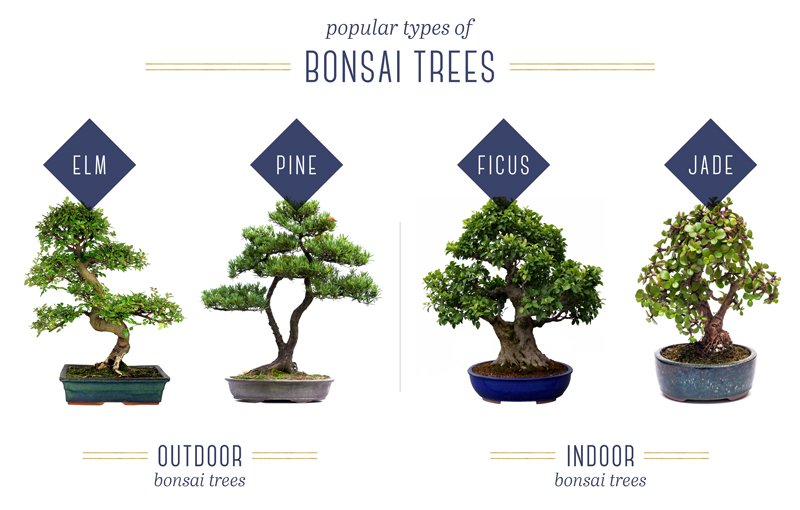
When choosing a bonsai, it's vital to pick a species that suits your environment and experience level. The Juniper bonsai is a favorite among beginners due to its resilience and forgiving nature. For indoor enthusiasts, the Ficus bonsai thrives well indoors with minimal sunlight. If you’re looking for a classic appearance, the Chinese Elm offers elegance with its small leaves and intricate branches.
Have you ever considered how your environment influences the health of your bonsai? Choosing the right variety can significantly impact your success. Remember, each species has its unique needs and personality, just like us.
Your journey with bonsai can be both a challenge and a joy. Embrace the learning process, and let your bonsai teach you patience and mindfulness. As you delve into the world of bonsai, what varieties will you choose to start your collection?
Essential Care Guidelines
Many believe that caring for a bonsai tree is a daunting task, but with essential care guidelines, you can ensure your miniature marvel thrives. These trees, with their captivating presence, require attention, but not complexity. Let's dive into practical techniques for nurturing your bonsai, making the journey rewarding rather than overwhelming.
Watering Techniques
Watering bonsai trees can be tricky. It's important to maintain the right balance. Too much water can drown the roots, while too little can dry them out. How do you find the balance?
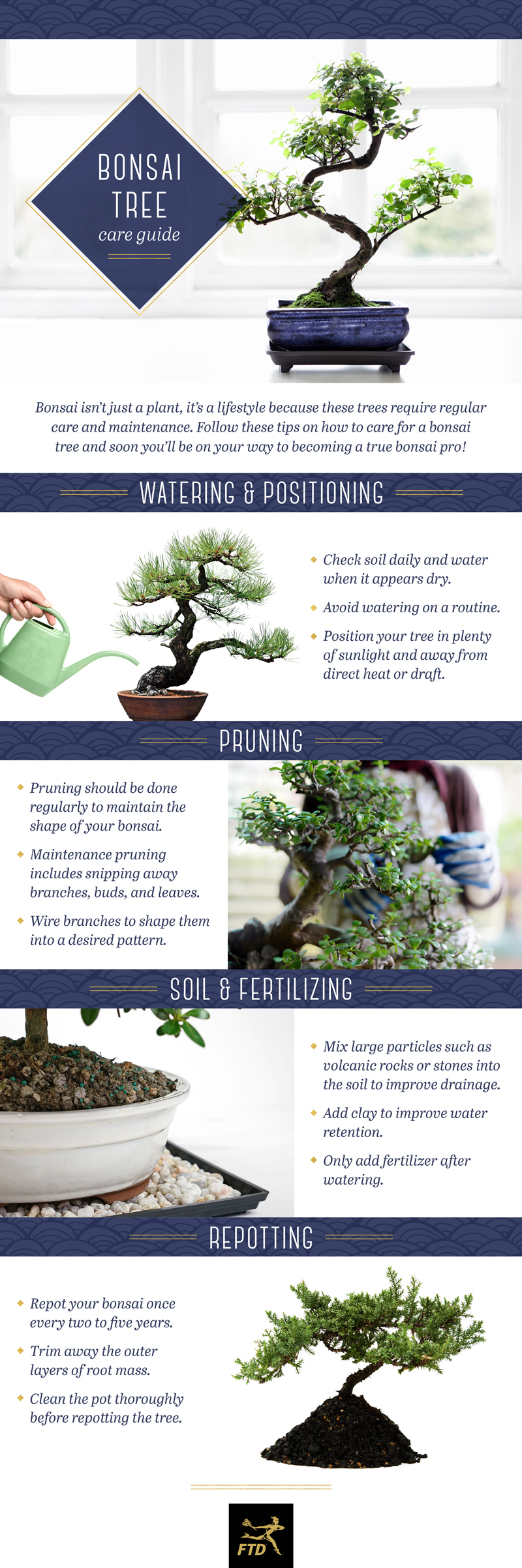
Start by checking the soil moisture regularly. Stick your finger about an inch into the soil. If it feels dry, it's time to water. Use a watering can with a fine nozzle to gently soak the soil. Avoid wetting the leaves excessively. This can prevent fungal diseases.
One personal tip: I set a reminder to check my bonsai every morning. This routine helps keep my watering consistent and ensures my tree stays healthy.
Soil And Fertilization
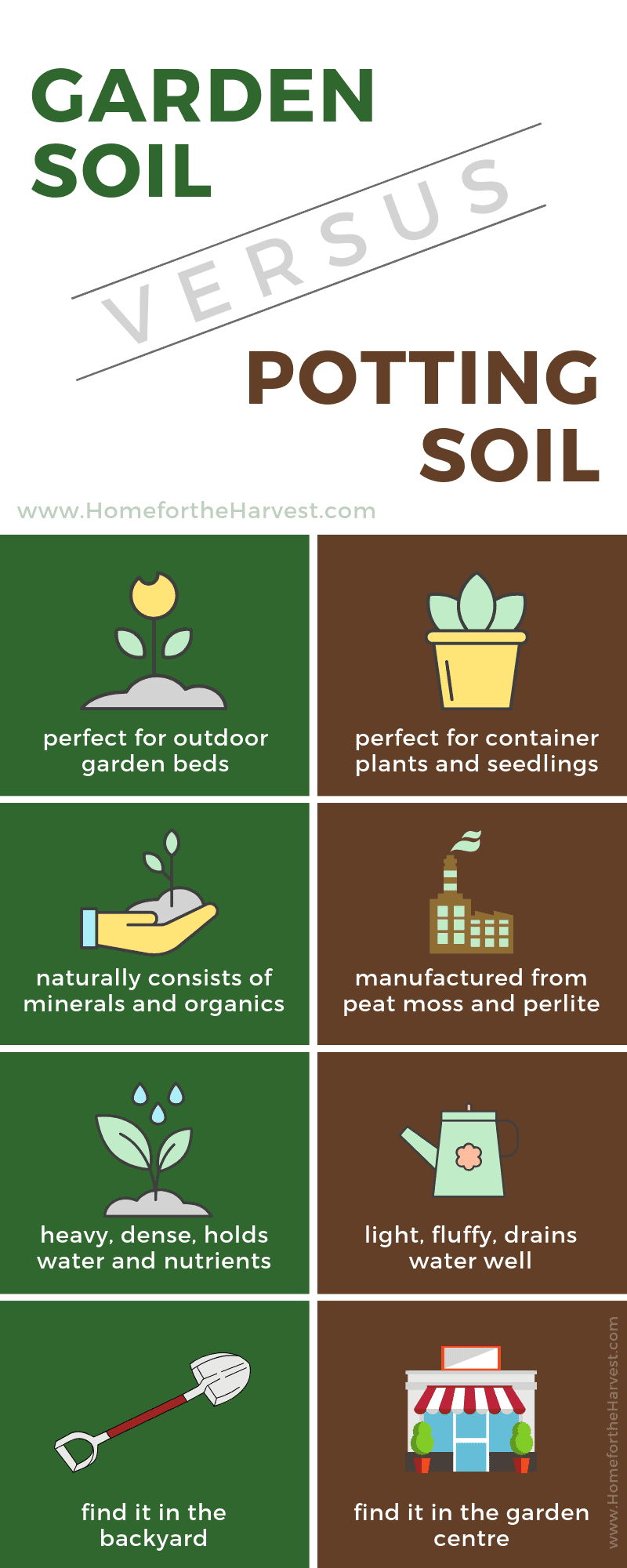
The right soil mix is crucial for bonsai health. It should be well-draining yet retain enough moisture. Consider using a mix of akadama, pumice, and lava rock. This mix provides nutrients while ensuring proper drainage.
Fertilization is just as important. Use a balanced fertilizer during the growing season. Apply it once a month to give your bonsai the nutrients it needs. Avoid over-fertilizing, as this can harm the tree.
Have you ever wondered how professional bonsai gardeners keep their trees so vibrant? It's often their attention to soil and fertilization that makes the difference.
Pruning And Shaping
Pruning is key to maintaining your bonsai’s shape and health. Regularly remove dead branches and leaves. This encourages new growth and keeps the tree looking neat.
When shaping your bonsai, patience is essential. Use wire to gently guide branches into the desired position. Avoid bending them too sharply. This can damage the tree.
Once, I over-pruned my bonsai, thinking it would grow faster. Instead, it stressed the tree. I learned that gentle shaping and regular maintenance are more effective.
Are you ready to put these guidelines to use? Your bonsai can be a source of joy and relaxation with the right care techniques. Take the plunge and watch your tiny tree flourish!
Environmental Needs
Bonsai trees require careful attention to thrive. Providing the right amount of sunlight, water, and humidity is crucial. Regular pruning and soil maintenance ensure they stay healthy and beautiful.
Caring for a bonsai tree can feel like a balancing act, especially when it comes to meeting its environmental needs. These miniature trees, while stunning, require specific conditions to thrive. Whether you're a beginner or a seasoned plant enthusiast, understanding these needs is crucial to keeping your bonsai healthy. Let’s dive into the essentials of creating the perfect environment for your bonsai.
Light Requirements
Bonsai trees need plenty of light to grow strong and healthy. Position your bonsai where it can receive at least 5-6 hours of sunlight each day. A bright windowsill or a spot near a south-facing window works wonders. If natural light is limited, consider using grow lights. These lights can mimic sunlight and provide your bonsai with the energy it needs. Remember, too much direct sunlight can scorch the leaves, so monitor your tree closely.
Temperature And Humidity
Bonsai trees thrive in stable temperatures. Most prefer temperatures between 60-75°F (15-24°C). Sudden changes can stress the tree, leading to poor health. Humidity is another critical factor. Bonsai trees generally prefer higher humidity levels. If your home is dry, especially during winter, a humidity tray or frequent misting can help maintain the right moisture level. Have you ever wondered why your bonsai might look a bit droopy? It could be a lack of humidity. Adjusting these small environmental factors can make a big difference in your bonsai’s vitality. Creating the right environment for your bonsai isn’t just about following rules; it’s about observing and responding to your plant’s needs. Are you ready to adjust and experiment with your bonsai’s setting to see what works best?
Common Challenges
Bonsai trees are captivating and bring nature indoors. Yet, caring for them can be tricky. Many enthusiasts face challenges. Understanding these can help in nurturing healthy bonsai trees. Let's delve into common issues.
Pest And Disease Control
Bonsai trees are vulnerable to pests. Aphids, spider mites, and caterpillars can infest leaves. These pests damage the tree's growth. Regularly inspect for signs of infestation. Yellow leaves or webbing indicate pest problems. Use organic sprays or insecticidal soaps. They are effective and safe for bonsai trees.
Disease control is equally crucial. Fungal infections can cause leaf spots. Check for discolored patches or mold growth. Prune infected areas promptly. Ensure good air circulation around the tree. This prevents fungal growth. Healthy bonsai trees resist diseases better.
Preventing Overwatering
Overwatering is a common mistake. Bonsai trees need less water than expected. Their roots are sensitive to excess moisture. Wet soil can lead to root rot. Root rot harms the tree's structure and health. Allow the soil to dry before watering. Monitor moisture levels regularly.
Use pots with drainage holes. This helps excess water escape. Ensure soil is appropriate for bonsai trees. Well-draining soil prevents waterlogging. Overwatering disrupts the tree's natural balance. Adjust your watering routine as seasons change. Bonsai trees flourish with proper water care.
Expert Maintenance Tips
Caring for bonsai trees requires attention and patience. They need regular watering, proper light, and occasional pruning. With consistent care, these miniature trees thrive and bring beauty to any space.
Are bonsai trees hard to care for? Not if you know the right tips. Expert maintenance can make bonsai care easy. These trees thrive with attention and love. Below are essential tips for bonsai care.
Seasonal Care Routines
Bonsai trees need care that matches the seasons. In spring, watch for new growth. Prune branches to keep shape. Summer heat requires more water. Check soil moisture daily. Fall signals less water and more pruning. Leaves change color and drop. Winter needs protection from cold. Move indoors or use a greenhouse. Each season brings unique needs. Adjust care to keep bonsai healthy year-round.
Tools And Equipment
Proper tools make bonsai care easier. Use bonsai scissors for precise cuts. Wire helps shape branches. Choose wire carefully; it should not damage bark. Watering cans with small spouts avoid over-watering. Soil scoops help with repotting. A turntable allows easy access from all sides. Brushes clean leaves and bark gently. Quality tools save time and improve results. Invest in good equipment for best care.
Credit: bonsairesourcecenter.com
Choosing The Right Bonsai
Choosing the right bonsai tree is essential for a successful experience. It can be overwhelming with so many options available. The key is to find a tree that suits your environment and care level. Start with understanding the different types of bonsai trees. Not all are suitable for beginners. Some require more attention than others. Select a bonsai that fits your lifestyle and commitment.
Factors To Consider
Several factors influence the choice of a bonsai tree. First, consider the climate where you live. Some bonsai trees thrive indoors, while others need outdoor conditions. Light availability is another crucial factor. Ensure your home has the right lighting for the tree. Watering needs vary among bonsai species. Some require daily watering. Others need less frequent attention. The size of the tree also matters. Larger bonsai trees require more space and maintenance.
Beginner-friendly Options
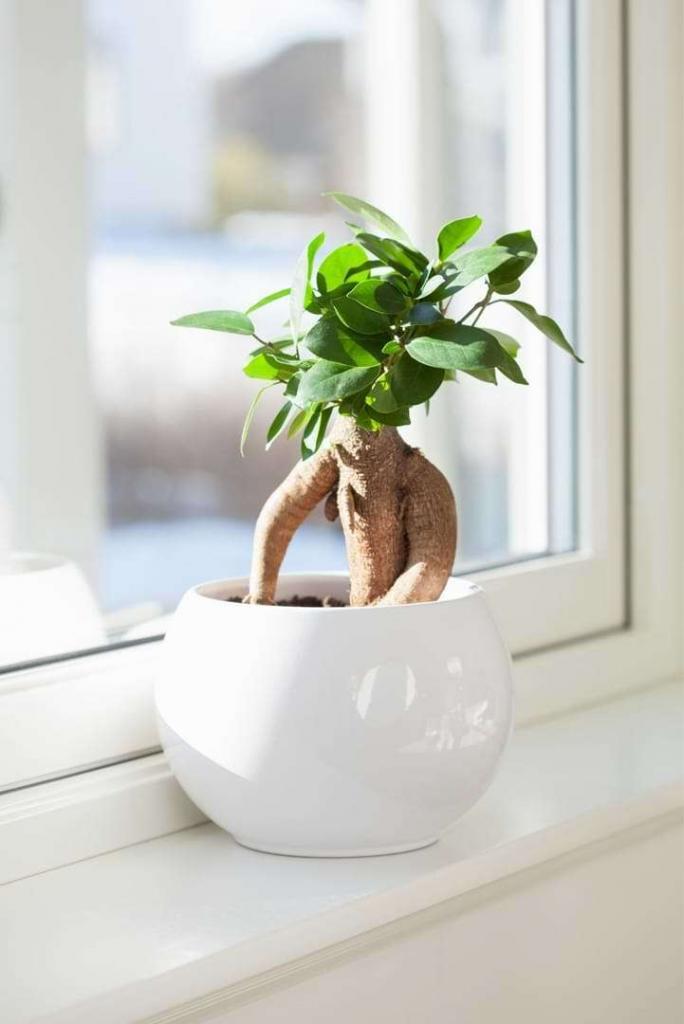
For beginners, select trees that are easy to care for. The Ficus bonsai is a popular choice. It adapts well to indoor conditions and low light. The Jade plant bonsai is another good option. It needs less water and is forgiving to mistakes. Juniper bonsai is excellent for outdoor settings. It requires minimal care and is resilient. These options help beginners gain confidence in bonsai care.
Bonsai As An Art Form
Caring for bonsai trees requires patience and attention. These miniature trees need regular watering and pruning. Choosing the right species can make care easier, as some are more resilient than others.
Bonsai trees are more than just miniature versions of their full-sized counterparts. They embody a profound art form that combines patience, aesthetics, and a deep respect for nature. As you delve into the world of bonsai, you'll find that caring for these little trees is akin to nurturing a living piece of art, reflecting centuries of cultural traditions and artistic principles.
Cultural Significance
Bonsai is a practice steeped in cultural heritage, particularly in Japan and China. It's not merely about growing a small tree; it's about cultivating a sense of tranquility and connection with nature. Historically, bonsai has been seen as a symbol of harmony and balance. In many cultures, owning a bonsai tree is believed to bring peace and reduce stress. Have you ever wondered how a tiny tree can hold such power? It's the cultural depth and history that imbue bonsai with meaning. Today, bonsai continues to be a bridge between the natural world and human creativity. It invites you to learn about patience, humility, and the art of letting go, as you shape and care for your tree over the years.
Aesthetic Principles
Creating a bonsai is an exercise in aesthetic expression. The goal is to capture the essence of a large tree in miniature form, which requires understanding and applying certain design principles. Balance, proportion, and harmony are key. Each branch and leaf placement is deliberate, aiming to evoke a sense of natural beauty. It's not just about trimming leaves or branches; it's about envisioning how the tree will look years down the line. In my own bonsai journey, I learned the importance of observing trees in their natural environments. This taught me how to mimic natural growth patterns, enhancing the authenticity of my bonsai. Could this practice of meticulous observation help you see beauty in unexpected places? As you embark on your bonsai adventure, remember that every snip, bend, and wire placement is a step toward creating your personal masterpiece. Are you ready to transform a simple plant into a captivating work of art?
Credit: www.ftd.com
Frequently Asked Questions
Are Bonsai Trees Good For Beginners?
Bonsai trees are suitable for beginners. They require patience and care but offer rewarding experiences. Start with hardy species like Ficus or Jade. Learn basic techniques and provide proper sunlight and watering. Beginners can enjoy nurturing and shaping these miniature trees with time and dedication.
What Is The Rule Of 3 In Bonsai Trees?
The rule of 3 in bonsai refers to creating balance. Use three main branches for harmony and aesthetic appeal. Arrange branches at different heights and angles, resembling a triangle. This enhances visual interest and natural look, crucial for bonsai artistry.
How Hard Is It To Keep A Bonsai Tree Alive?
Keeping a Bonsai tree alive requires dedication and attention. Ensure proper watering, sunlight, and regular pruning. Select the right species for your environment. Monitor for pests and diseases. With consistent care, Bonsai trees can thrive beautifully.
Is A Bonsai Tree High Maintenance?
Bonsai trees require moderate maintenance. They need regular watering, pruning, and occasional repotting. Proper sunlight and humidity are essential. With consistent care and attention, they thrive well. Suitable for those who enjoy gardening and have time for upkeep. They're not high maintenance but demand commitment.
Conclusion
Caring for bonsai trees isn't too challenging. Start with a sturdy variety. Ensure proper sunlight and water. Use the right soil. Trim regularly to shape growth. Watch for pests and diseases. Patience helps nurture their beauty. Beginners can learn with practice.
Bonsai care feels rewarding over time. Use simple tools for upkeep. Create a routine that fits your schedule. Bonsai trees add charm to any space. Enjoy their unique presence. They teach us patience and attention. With care, they thrive and inspire.
Keep exploring this peaceful hobby. Embrace the journey of bonsai care.