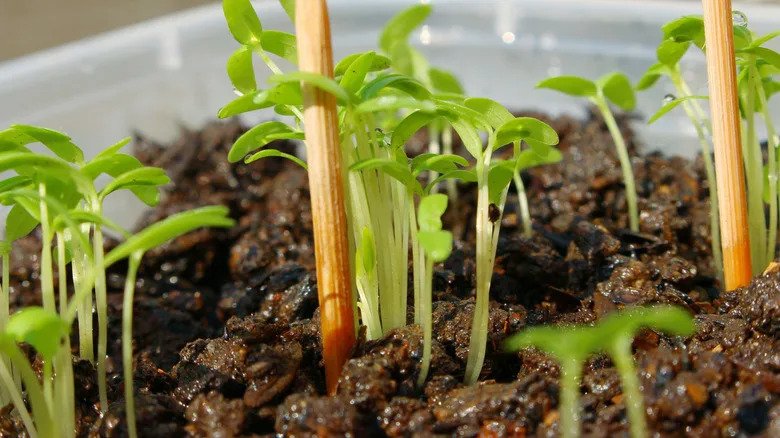
Are you giving your seedlings all the water they need—but worry you might be overdoing it? It’s easy to think more water means healthier plants, but with seedlings, too much can actually harm their growth.
If you want strong, thriving plants, understanding how to water them just right is key. Keep reading to discover how overwatering affects your seedlings and what you can do to keep them happy and healthy from the very start.
Signs Of Overwatered Seedlings
Seedlings are young and delicate plants. Giving them too much water can harm their growth. It is important to know the signs of overwatering early.
Overwatering can cause root problems and slow down seedling development. Watching for specific signs helps you fix the problem quickly. Look for yellowing leaves, particularly at the bottom of the plant, and ensure the soil is not consistently soggy. Additionally, check for a foul smell from the soil, which can indicate root rot. Understanding how to identify overwatered plants is crucial for maintaining healthy growth and preventing long-term damage.
Wilting Despite Moisture
Seedlings usually wilt when they need water. But if the soil is wet and seedlings still wilt, overwatering may be the cause. Too much water can drown roots and stop them from taking oxygen.
This lack of oxygen makes the plant weak and wilted even though the soil feels wet. Check the soil moisture before watering again.
Yellowing Leaves
Leaves that turn yellow can mean overwatering. Too much water causes root damage. Roots can’t supply enough nutrients to the leaves, so they lose their green color.
Yellow leaves often start at the bottom of the seedling and move upward as the problem grows.
Mold And Fungus Growth
Overwatered seedlings often have mold or fungus on the soil surface. Wet soil is a perfect place for mold spores to grow. You might see white, gray, or green fuzzy patches.
Mold can harm seedlings by blocking sunlight and causing diseases. It is important to reduce watering and improve air circulation.
Soft Or Mushy Stems
Stems that feel soft or mushy are a sign of overwatering. Too much water weakens the stem structure. This condition is called stem rot and can kill seedlings quickly.
Check seedlings daily. If stems are soft, reduce watering and improve drainage.
Slow Or Stunted Growth
Seedlings need the right amount of water to grow strong. Overwatered seedlings often grow slowly or stop growing. Their roots cannot absorb nutrients properly in wet soil.
Look for small leaves and short stems as signs of stunted growth caused by too much water.

Credit: www.reddit.com
Risks Of Overwatering Seedlings
Overwatering seedlings can harm their growth and health. Seedlings need the right amount of water to thrive.
Too much water causes problems that stop seedlings from growing strong and healthy.
Root Rot Development
Root rot happens when seedlings get too much water for too long. The roots stay wet and start to decay.
Rotting roots cannot take up water or nutrients well. This makes the seedling weak and may kill it.
Nutrient Deficiency
Too much water washes away nutrients from the soil. Seedlings then get less food for growth.
Without enough nutrients, seedlings grow slowly and look unhealthy. Leaves may turn yellow or pale.
Increased Pest Vulnerability
Wet soil attracts pests like fungus gnats and root maggots. These pests damage seedling roots and stems.
Overwatered seedlings lose strength and cannot fight off pests easily. This leads to more damage.
- Fungus gnats lay eggs in wet soil
- Larvae feed on roots and seedlings
- Weakened seedlings get infected quickly
Reduced Oxygen To Roots
Soil soaked with water has less air inside. Roots need oxygen to breathe and grow well.
Without enough oxygen, roots die or stop working properly. This slows seedling growth and can kill them.
Watering Frequency Tips
Seedlings need just the right amount of water to grow healthy. Too much water can harm them. Too little water can stop their growth.
Knowing when and how often to water seedlings helps them grow strong roots. This guide shares simple tips on watering frequency.
Checking Soil Moisture Levels
Check soil moisture before watering your seedlings. Stick your finger about an inch deep into the soil. If it feels dry, it is time to water.
If the soil feels damp, wait a day or two before watering again. Overwatering can cause root rot and kill seedlings.
- Use your finger to test soil moisture
- Water only when the top inch is dry
- Avoid soggy or muddy soil
Adjusting Watering By Seedling Type
Different seedlings have different water needs. Some plants like moist soil, while others prefer it to dry out between watering.
Learn the needs of your seedlings and adjust watering to match. This helps prevent overwatering or underwatering.
- Leafy greens often need more frequent watering
- Succulents and cacti need less water
- Herbs vary; check each type’s needs
- Follow seed packet advice for best results
Seasonal Watering Variations
Water needs change with the seasons. Seedlings usually need more water in warm weather. Cooler seasons require less watering.
Adjust your watering schedule to match the temperature and sunlight. This keeps seedlings healthy all year round.
- Water more often in hot, dry weather
- Reduce watering in cool or rainy seasons
- Watch for fast drying soil during summer
- Protect seedlings from frost with less water
Best Practices For Seedling Care
Seedlings need careful attention to grow strong and healthy. Overwatering is a common problem that can hurt young plants.
Following simple care steps helps seedlings thrive. Proper soil, containers, and watering habits matter a lot.
Choosing The Right Soil Mix
Use soil that holds moisture but drains well. Seedlings need soft, light soil to grow roots easily.
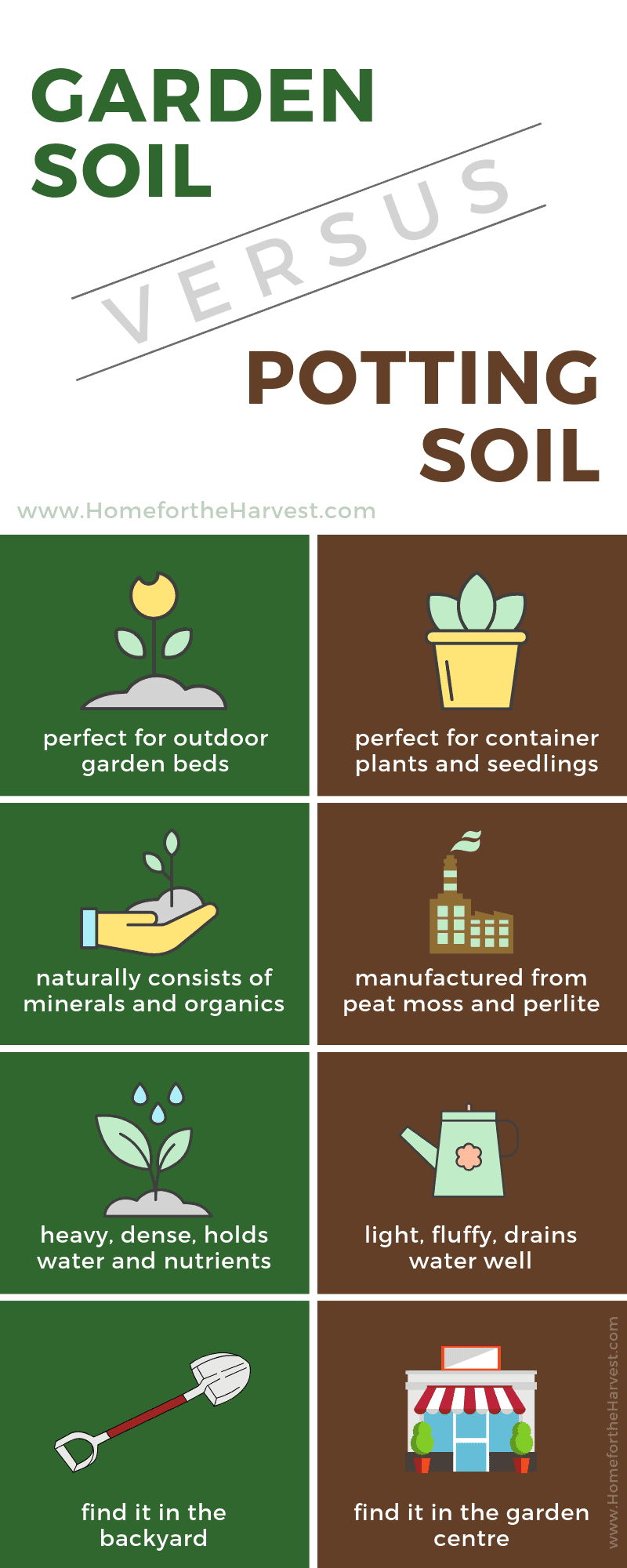
A good soil mix includes peat moss, vermiculite, and perlite. Avoid heavy garden soil that can trap water.
- Peat moss keeps soil moist without being soggy
- Vermiculite helps retain water and nutrients
- Perlite improves air flow and drainage
Ensuring Proper Drainage
Drainage stops water from pooling around roots. Too much water can cause root rot and kill seedlings.
Check containers for drainage holes. Use trays that let extra water escape to avoid soggy soil.
- Use containers with holes at the bottom
- Place pots on a tray to catch extra water
- Empty trays after watering to prevent standing water
Using Appropriate Containers
Pick containers sized for seedling roots. Too big pots keep soil wet longer and can harm seedlings.
Seed trays or small pots work best. They help soil dry out between waterings and keep roots healthy.
- Choose containers with good air flow
- Avoid deep pots for young seedlings
- Use clean containers to prevent diseases
Timing Watering Correctly
Water seedlings only when the top soil feels dry. Overwatering can drown roots and slow growth.
Check soil moisture daily. Water gently to keep soil moist but not soaked.
- Water in the morning for best absorption
- Use a spray bottle or gentle watering can
- Let excess water drain away after watering
Recovering Overwatered Seedlings
Overwatering seedlings can harm their growth and cause root damage. It is important to act quickly to help them recover.
With the right care, seedlings can bounce back and grow healthy again. Focus on drainage, trimming, watering, and light.
Improving Drainage Quickly
Good drainage stops water from sitting around seedling roots. This helps prevent root rot and suffocation.
To improve drainage, add small holes to pots or use a well-draining soil mix. You can also raise the container.
- Use pots with drainage holes
- Add sand or perlite to soil
- Place pots on a raised surface
- Remove excess water from trays
Trimming Damaged Roots And Leaves
Cutting away damaged roots helps seedlings focus on healthy growth. Remove soft, brown, or black roots carefully.
Trim wilted or yellow leaves too. This reduces stress on the seedling and lowers the chance of disease.
- Use clean scissors or pruning shears
- Trim only damaged parts
- Be gentle to avoid more harm
Adjusting Watering Habits
Water seedlings only when the top soil feels dry. Overwatering can drown roots and block oxygen.
Water less often but deeply. This encourages roots to grow strong and seek water in the soil.
- Check soil moisture before watering
- Water in the morning for best results
- Avoid water buildup in trays
Providing Optimal Light And Airflow
Seedlings need good light to grow strong and healthy. Place them where they get bright, indirect sunlight.
Good airflow helps dry soil and leaves. Use a fan or open a window to keep air moving around seedlings.
- Give seedlings 12-16 hours of light daily
- Keep air moving to reduce humidity
- Avoid direct harsh sunlight that can burn leaves

Credit: www.reddit.com

Credit: www.yahoo.com
Frequently Asked Questions
What Are Signs Of Overwatering Seedlings?
Overwatering seedlings can lead to yellowing leaves, wilting, and stunted growth. The soil may appear consistently wet and heavy. Root rot is a common issue, hindering nutrient absorption. To avoid overwatering, ensure proper drainage and allow the soil to dry slightly between waterings.
How Often Should I Water Seedlings?
Seedlings typically need watering once or twice a day, depending on the environment. Ensure the soil remains moist but not soggy. Adjust the frequency based on temperature, humidity, and soil type. Always check the top layer of soil before watering to ensure it’s dry.
Can Overwatering Lead To Seedling Death?
Yes, overwatering can lead to seedling death. Excessive moisture causes root rot, depriving roots of oxygen. This results in poor nutrient uptake and eventual wilting. To prevent this, maintain proper drainage and monitor soil moisture levels. Adjust watering frequency according to the plant’s specific needs.
How Can I Prevent Overwatering Seedlings?
To prevent overwatering, use well-draining soil and pots with drainage holes. Water seedlings only when the soil surface is dry to touch. Avoid automatic watering systems until seedlings are established. Observe plants regularly to adjust watering based on their specific growth and environmental conditions.
Conclusion
Overwatering seedlings can harm their growth and health. Seedlings need just enough water to stay moist, not soaked. Watch the soil closely; it should feel damp but not wet. Give water slowly and only when the top soil dries. Proper watering helps seedlings grow strong roots and healthy leaves.
Avoid common mistakes by paying attention to your plants’ needs. Careful watering leads to better plants and a successful garden. Remember, balance is key to nurturing young seedlings well.