You’re standing at the edge of your lawn, ready to tackle those pesky weeds. But there’s one problem: the grass is wet.
You might wonder, "Can you put weed killer on wet grass? " This question isn't just about timing; it's about making sure your yard gets the best care possible. Imagine achieving a lush, weed-free lawn that becomes the envy of the neighborhood.
The secret might be in knowing when and how to use your weed killer effectively. Stick around, and you'll discover not just the answer to your question, but also tips and tricks that could transform your lawn care routine forever. Uncover the magic of timing and technique, and let your lawn thrive.
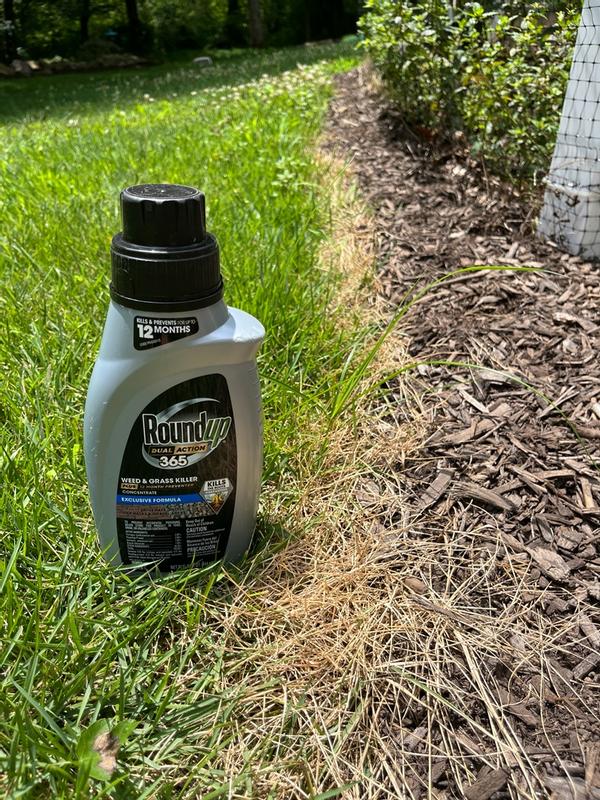
Credit: roundup.com
Why Timing Matters
Applying weed killer on wet grass can reduce its effectiveness. Moisture may cause the solution to dilute, leading to poor results. Optimal timing ensures better absorption and efficiency, keeping your lawn healthy.
Timing plays a crucial role when applying weed killer to your lawn. Applying it at the wrong time can result in ineffective treatment, wasted product, and even damage to your grass. Understanding the right timing ensures you tackle weeds efficiently without harming your lawn's health.
Impact Of Weather Conditions
Weather significantly affects how well weed killers work. Rain, for example, can wash away weed killers before they penetrate the plants, rendering your efforts useless. On the other hand, applying it on a hot, sunny day might cause the product to evaporate too quickly. Consider humidity levels too. High humidity might allow the weed killer to linger on the grass longer, potentially causing damage. It's essential to keep an eye on the forecast before planning your application.
Best Time For Application
Timing isn't just about the weather; it's also about the time of day. Early morning or late afternoon are typically the best times to apply weed killer. During these periods, temperatures are cooler, reducing evaporation and helping the product stick longer. Avoid applying weed killer during midday when the sun is at its peak. The intense heat can dry out the product before it has a chance to work. Additionally, late afternoon applications allow for overnight absorption, enhancing effectiveness. Think about the growth stage of the weeds as well. Young, actively growing weeds are more susceptible to treatment, so aim to apply when weeds are just emerging. This proactive approach can save you time and effort in the long run.
:strip_icc()/bhg-avenger-organic-weed-killer-viveka-neveln-9-1f78e28621b04d679cee84239f725426.jpeg)
Credit: www.bhg.com
Understanding Weed Killer Types
Applying weed killer on wet grass can be effective. The moisture helps the chemicals stick to the leaves better. Ensure you choose the right type for your lawn, as some work best in dry conditions.
Understanding the different types of weed killers is vital for effective lawn care. Applying the wrong type can harm your grass. Knowing the right one ensures healthy, weed-free lawns.
Liquid Vs. Granular
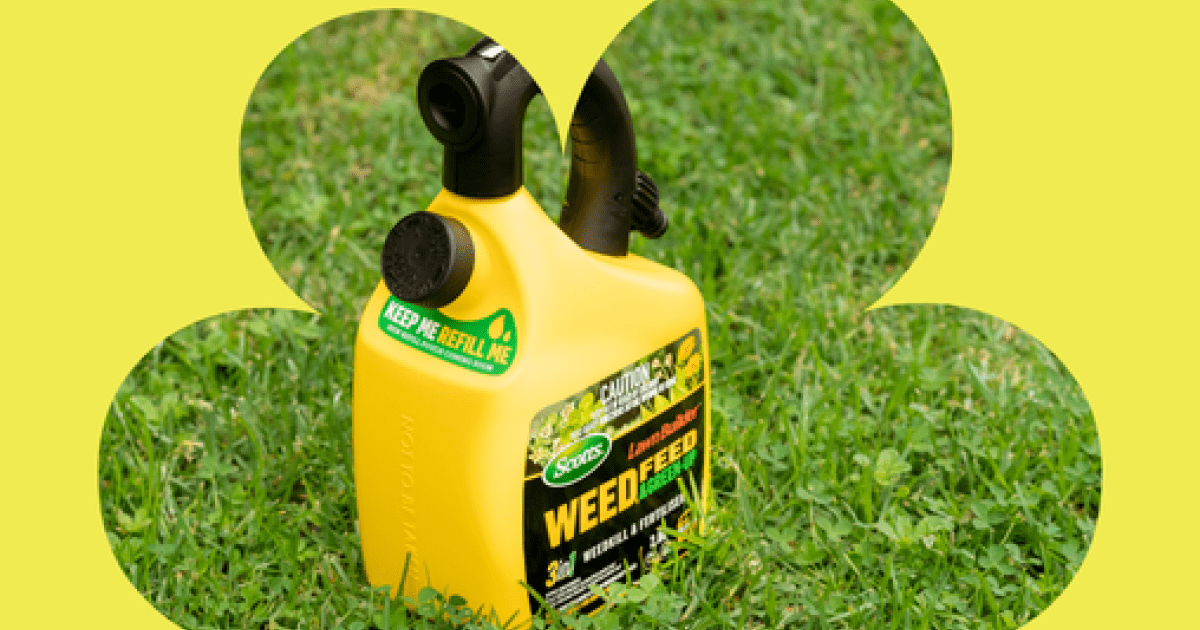
Liquid weed killers are easy to apply with a sprayer. They cover large areas quickly. Absorption by weeds happens fast. Rain can wash them away. Timing is crucial. Apply on dry days for best results. Granular weed killers come in solid form. Spread them using a spreader. They work well on wet grass. Moisture helps them stick. Activation happens with water. They are less likely to wash away.
Selective Vs. Non-selective
Selective weed killers target specific weeds. They leave your grass unharmed. Ideal for lawns with few weed types. Choose based on weeds present. Non-selective weed killers kill all plants. They are strong and effective. Use them carefully. Apply on areas with no desired plants. They can damage grass and flowers. Understanding these types aids in choosing the right weed killer. Proper selection leads to healthier lawns and fewer weeds.
Effects Of Wet Grass On Weed Killer
Weed killers serve as a practical solution for maintaining a lush lawn. Applying these chemicals to wet grass can complicate their effectiveness. The interaction between moisture and weed killer can alter results. Understanding these effects is essential for optimal lawn care.
Absorption Challenges
Wet grass can hinder the absorption of weed killer. Water on leaves forms a barrier. This barrier prevents chemicals from penetrating plant surfaces. Weed killer needs direct contact with the plant. Without absorption, the weed killer might wash off. This reduces its effectiveness against weeds.
Dilution Risks
Rain or dew on grass dilutes weed killer. Diluted chemicals lose potency. Weeds might not receive a strong enough dose. This can lead to insufficient weed control. Applying weed killer on dry grass ensures full strength. This guarantees maximum impact on unwanted plants.
Preparing Grass For Treatment
Using weed killer on wet grass can reduce its effectiveness. Dry grass allows better absorption and results. Ensure the grass is dry for optimal weed control.
Preparing your grass for weed killer treatment is crucial to ensure effective results and protect the health of your lawn. Applying weed killer on wet grass might seem convenient, but it can reduce the effectiveness of the treatment. By taking a few preparatory steps, you can enhance the efficiency of the weed killer and ensure that your lawn remains healthy and vibrant.
Drying Techniques
Before applying weed killer, it's important to ensure your grass is dry. If your lawn is wet due to rain or morning dew, consider these drying techniques: - Wait for Natural Drying: If the weather forecast predicts sunny skies, allow the grass to dry naturally. The sunlight will help evaporate moisture quickly. - Use a Leaf Blower: A leaf blower can help speed up the drying process. Move the blower over the wet areas to push away excess water. - Mow the Lawn: Cutting the grass can also help remove surface moisture. Be sure to remove clippings to prevent them from retaining moisture on the grass blades.
Pre-application Measures
Once your grass is dry, there are additional steps you can take to prepare for weed killer application: - Read the Product Instructions: Different weed killers have specific instructions. Make sure you understand the recommended conditions for application. - Test a Small Area: Before treating the entire lawn, apply the weed killer to a small section. This will help you gauge the product's effectiveness and any potential adverse reactions. - Check the Weather: Ensure there’s no rain forecasted for at least 24 hours post-application. Rain can wash away the product before it takes effect. - Protect Nearby Plants: Use barriers or covers to shield flowers and shrubs from potential drift. This helps avoid damage to non-target plants. Taking these steps can significantly improve the success of your weed control efforts. Have you ever applied weed killer to wet grass and noticed a difference? Preparing properly can save you time and enhance the health of your lawn.
Safety Precautions
Applying weed killer to wet grass can lead to ineffective results. Wet surfaces can dilute the product, reducing its potency. Always check the label for specific instructions and ensure grass is dry for optimal application.
Applying weed killer to wet grass can be a tricky task that demands careful attention to safety precautions. Ensuring your safety and the health of your lawn starts with understanding the right procedures and equipment. Missteps can lead to ineffective results or even harm to yourself and the environment. Are you ready to tackle those pesky weeds responsibly?
Protective Gear
When dealing with weed killers, your safety should always come first. Wearing protective gear can shield you from potential hazards. Gloves, long sleeves, and closed-toe shoes are essential to prevent direct contact with chemicals. Consider wearing goggles to protect your eyes from accidental splashes. If you’re using a spray applicator, a mask can prevent inhalation of harmful fumes. Have you ever thought about how a simple oversight like forgetting gloves could lead to skin irritation? It’s these small details that make a big difference.
Environmental Considerations
The environment deserves your attention just as much as your lawn does. Weed killers can impact surrounding plants, water sources, and wildlife. Opt for eco-friendly products to minimize harm. Timing is crucial; applying weed killer when rain is expected can wash chemicals into waterways, affecting aquatic life. Have you ever considered that your lawn care routine could impact local ecosystems? Aim to apply treatments during dry spells to ensure they don’t spread beyond your intended area.
Alternative Methods
When dealing with pesky weeds, weed killers aren't your only option, especially on wet grass. There are numerous alternative methods that can be both effective and environmentally friendly. Let's dive into some practical approaches you can try.
Natural Weed Control Options
Consider the power of natural remedies. Vinegar, for instance, can be a surprisingly effective weed killer when applied directly to the leaves. It's safe and you probably already have it in your kitchen.
Another option is boiling water. Pouring it on unwanted plants can kill them right at the root. It's quick, cost-effective, and poses no threat to your pets or the environment.
Have you tried using salt? Mixing salt with water and spraying it on weeds can dehydrate them, leading to their demise. Be cautious though, as salt can affect the soil quality if overused.
Mechanical Weed Removal
Sometimes, getting your hands dirty is the best approach. Hand pulling weeds can be very effective, especially for small areas. It's a great way to ensure you're removing the entire root, preventing regrowth.
Utilize garden tools like a hoe or a weed puller. These tools make the job easier and can be a good workout. They're perfect for larger areas or tougher weeds.
Mulching is another mechanical method worth considering. By covering the soil with a thick layer of mulch, you block sunlight, which prevents weeds from growing. Plus, it helps retain soil moisture and adds a neat look to your garden.
Have you ever thought about using a flame weeder? This tool uses heat to destroy weeds without the use of chemicals. It's effective for larger, open areas and can be quite satisfying to use.
What method will you try next? Remember, each yard is unique, and experimenting with different techniques can lead to the best solution for your space.

Credit: lawnsynergy.com
Frequently Asked Questions
Does Grass Need To Be Dry To Spray Weed Killer?
Grass should be dry before applying weed killer for optimal results. Wet conditions can dilute the product, reducing effectiveness. Ensure no rain is forecast shortly after application. Dry grass allows better adhesion and absorption, leading to more effective weed control.
Is It Better To Use Weed Killer When The Ground Is Wet Or Dry?
Use weed killer on dry ground for best results. Wet ground dilutes the chemicals, reducing effectiveness. Ensure no rain is forecasted for 24 hours post-application. This allows the weed killer to absorb properly and maximize its impact on weeds. Always follow product instructions for optimal safety and effectiveness.
Is It Okay To Spray Weeds If They Are Wet?
Spraying weeds when they are wet is less effective. Wet leaves dilute herbicides, reducing their effectiveness. Wait for dry conditions for optimal results. Ensure plants are dry before application for better absorption. Proper timing enhances weed control success.
Can I Spray Weed And Grass Killer After It Rains?
Wait for the grass and weeds to dry before spraying. Wet surfaces can dilute the herbicide. Ideal application is on a dry day to ensure effectiveness. Check the weather forecast to avoid rain shortly after application for best results.
Conclusion
Choosing the right time for weed killer is crucial. Wet grass can affect its effectiveness. Dry conditions often work better. Always read the instructions carefully. Follow recommended guidelines for best results. Safety matters too. Protect nearby plants and yourself. Consider the weather before application.
Rain can wash away the product. Dry, sunny days might be ideal. Be patient with the process. Results may take time. Proper application can lead to a healthier lawn. Remember, persistence is key. Keep your garden thriving with smart choices.
Happy gardening!