Have you ever wondered if you can use potting soil right in your garden bed? Maybe you have a bag of potting mix sitting around, and you’re curious if it’s okay to spread it directly into the ground.
You might be hoping for faster plant growth or better soil quality. But is potting soil really made for outdoor garden soil? You’ll discover the truth about using potting soil in the ground, what works, what doesn’t, and how to get the best results for your plants.
Keep reading—you don’t want to make a mistake that could cost your garden!

Credit: www.yahoo.com
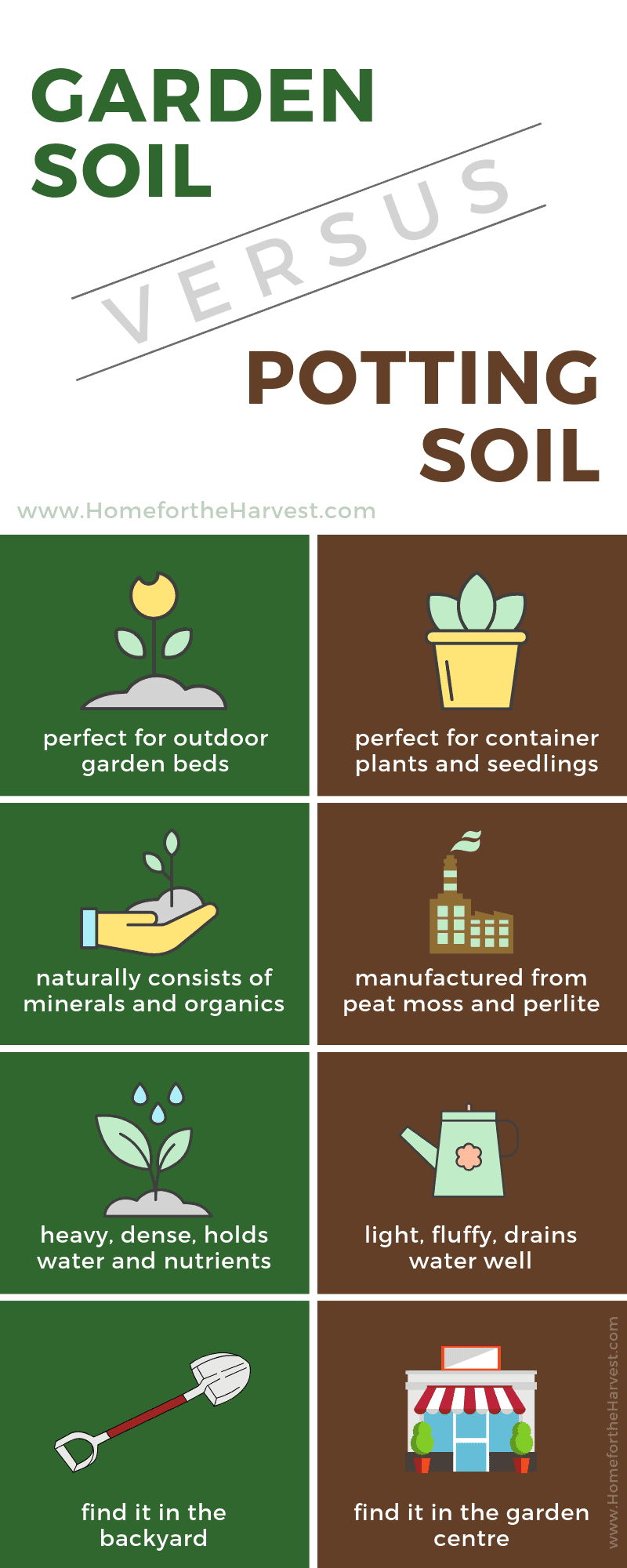
Potting Soil Vs. Garden Soil
Many gardeners wonder if potting soil can be used in the ground. Potting soil and garden soil are different. Each type works best in certain places.
Understanding the differences helps you choose the right soil for your plants. This improves plant health and growth.
Key Differences
Potting soil is light and fluffy. It drains water well. Garden soil is heavier and denser. It holds nutrients for plants in the ground.
Potting soil often has no real soil in it. Garden soil is actual dirt taken from outside.
- Potting soil is designed for containers.
- Garden soil is for outdoor garden beds.
- Potting soil drains faster than garden soil.
- Garden soil can be compact and hold water longer.
Common Ingredients
Potting soil contains peat moss, coconut coir, and perlite. These help keep soil light and airy. It may also have added fertilizer.
Garden soil has natural dirt mixed with clay, sand, and organic matter. It may contain worms and microbes that help plants grow.
- Potting soil: peat moss, perlite, coir, and fertilizer
- Garden soil: natural dirt, clay, sand, organic material
- Potting soil is usually sterile and clean
- Garden soil has living organisms and minerals
Performance In Different Settings
Potting soil works best in pots and containers. It holds moisture without flooding roots. It helps roots get air.
Garden soil performs well in outdoor beds. It supports larger root systems. It keeps nutrients available over time.
- Use potting soil for indoor plants and containers
- Use garden soil for planting in the ground
- Potting soil may dry out quickly in open ground
- Garden soil can compact in pots, harming roots
Credit: www.housedigest.com
Suitability Of Potting Soil For In-ground Use
Potting soil is made for container plants. It helps hold water and air in pots. Using it in the ground is different.
It is important to know if potting soil works well in garden beds. This guide looks at its key features.
Drainage And Aeration Properties
Potting soil drains water quickly. It has materials like peat and perlite. These keep air spaces open in soil.
Good drainage stops roots from getting too wet. It also lets oxygen reach roots. This is good for plants in pots.
In the ground, potting soil may drain too fast. It can dry out plants quickly. Garden soil holds water longer.
Nutrient Content
Potting soil has added nutrients for potted plants. These help plants grow well in small spaces.
In the ground, nutrients in potting soil may wash away fast. Garden soil usually has natural nutrients and organic matter.
- Potting soil nutrients suit short-term growth.
- Garden soil nutrients support long-term growth.
- Potting soil may need frequent fertilizing in the ground.
Potential Challenges
Using potting soil in the ground can cause problems. It may change the natural soil balance.
Potting soil can dry quickly and need more watering. It can also be costly to use in large areas.
- Drying out faster than garden soil
- Possible nutrient loss with rain
- Higher cost for big garden beds
- May affect native soil life and structure
When To Use Potting Soil In The Ground
Potting soil is usually made for containers, but you can use it in the ground in some cases. It helps plants grow better in certain conditions.
Knowing when to use potting soil in the ground can save your plants and improve your garden's health. This guide explains the best times to use it.
Improving Poor Soil
Use potting soil to improve poor soil that is sandy, clay, or very hard. It adds nutrients and helps with water drainage.
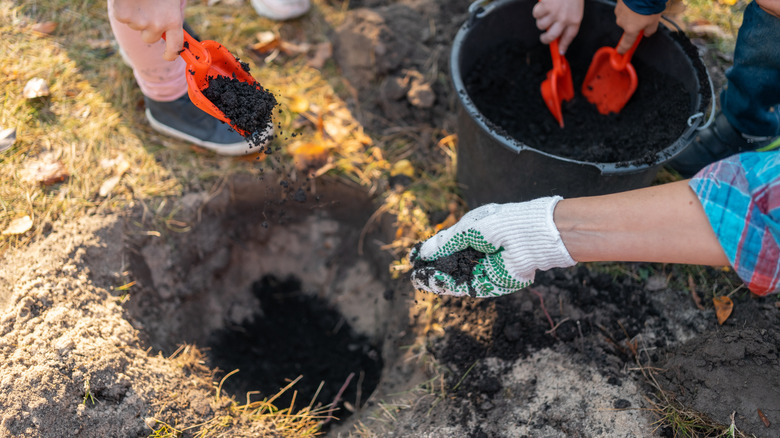
Mix potting soil into the ground to create a better environment for roots. This helps plants grow stronger and healthier.
- Mix potting soil with native soil for better texture
- Use it to add organic matter and nutrients
- Helps with moisture retention in dry soils
Starting New Garden Beds
When you start a new garden bed, potting soil can prepare the ground. It gives young plants a soft, rich place to grow.
Potting soil helps fill holes and evens out the bed. It creates good conditions for seeds and seedlings to take root.
- Use potting soil to fill low spots in garden beds
- Mix it with ground soil for balanced nutrition
- Helps protect young plants from stress
Container Plants Transitioning
When moving plants from containers to the ground, potting soil helps ease the transition. It protects roots from shock.
Adding potting soil around the plant’s roots keeps moisture and nutrients close. This helps plants settle into the ground faster.
- Dig a hole larger than the root ball
- Place the plant and add potting soil around roots
- Water well to reduce transplant stress
:max_bytes(150000):strip_icc()/PerliteinSoil-0bebf44ce6774e2aae89e08fc162e4b4.jpg)
Credit: www.marthastewart.com
Risks Of Using Potting Soil Directly In Garden Beds
Potting soil is made for containers and pots, not for garden beds. Using it in the ground can cause problems for your plants and soil.
It is important to know the risks before using potting soil directly in your garden beds. This will help your plants grow healthy and strong.
Water Retention Issues
Potting soil holds water very well because it is designed for pots. In garden beds, this can cause water to stay too long and make the soil soggy.
Too much water can lead to root rot and other diseases. Garden soil needs to drain well to keep plants healthy.
Nutrient Imbalance
Potting soil has nutrients made for container plants. These nutrients may not match what plants in the ground need.
Using potting soil in garden beds can cause some nutrients to be too high or too low. This can stop plants from growing well.
Soil Structure Problems
Potting soil is light and fluffy for pots. Garden soil needs to be firm and stable to support plant roots.
Adding potting soil to garden beds can change the soil structure. This may harm root growth and soil life.
Tips For Mixing Potting Soil With Garden Soil
Potting soil is designed for containers and has a light texture. Garden soil is heavier and has natural minerals. Mixing them can help improve the ground soil.
Using the right mix helps plants grow better by balancing drainage and nutrients. Here are some tips for mixing potting soil with garden soil.
Recommended Ratios
Start with a small amount of potting soil mixed into garden soil. Too much potting soil can make the soil too loose and dry.
- Mix one part potting soil with two parts garden soil for most plants.
- For plants needing extra drainage, use equal parts potting and garden soil.
- Adjust the ratio based on how well your garden soil drains water.
Amendments To Add
Adding natural materials improves soil quality. Potting soil alone may lack some nutrients and organic matter.
- Mix in compost for extra nutrients and to improve soil texture.
- Add perlite or sand to increase drainage if soil is heavy.
- Use well-rotted manure to boost fertility.
- Consider adding mulch on top to keep moisture in.
Preparing The Soil Bed
Before planting, loosen the ground soil well. Mixing potting soil is easier if the bed is properly prepared.
- Remove weeds and rocks from the garden bed.
- Turn the soil to about 8-12 inches deep.
- Mix the potting soil and any amendments evenly into the bed.
- Water the soil lightly before planting to help settle it.
Best Practices For Healthy Garden Soil
Using potting soil in the ground is not always the best choice. Garden soil needs different nutrients and structure. Proper care helps plants grow strong.
Follow these best practices to keep your garden soil healthy. They help improve soil quality and support plant growth.
Regular Soil Testing
Test your soil often to know its nutrient levels and pH. This helps you add the right materials to improve it.
Soil testing prevents problems like nutrient shortages or excess salts. It keeps plants healthy and growing well.
Organic Matter Addition
Add organic matter like compost or manure to garden soil. It improves soil texture and helps hold water and nutrients.
Organic matter also feeds beneficial microbes. These microbes support plant roots and improve soil health.
- Use well-rotted compost for best results
- Mix organic matter into the top 6-8 inches of soil
- Add organic matter yearly or before planting
Proper Watering Techniques
Water garden soil deeply but not too often. This encourages strong root growth and prevents waterlogging.
Use drip irrigation or soaker hoses to save water. Avoid watering leaves to reduce disease risk.
- Water early in the morning for best absorption
- Check soil moisture before watering again
- Adjust watering based on weather and plant needs
Frequently Asked Questions
Can Potting Soil Be Used In The Ground?
Yes, potting soil can be used in the ground. It improves drainage and adds nutrients. However, mixing it with native soil is recommended. This ensures better plant growth and soil structure. Use it mainly for small garden areas or specific plants.
Does Potting Soil Harm Garden Plants?
Potting soil generally benefits garden plants. It's designed to promote healthy root growth. However, it may dry out faster than garden soil. Combining it with native soil can help maintain moisture. Always check plant requirements before use.
Is Potting Soil Good For Outdoor Gardening?
Potting soil can be beneficial for outdoor gardening. It enhances soil quality and supports plant growth. It is best suited for container gardening and raised beds. Mixing it with existing soil ensures balanced nutrients and moisture retention.
How To Mix Potting Soil With Garden Soil?
Mix potting soil with garden soil in a 1:1 ratio. This improves aeration and nutrient distribution. Ensure both soils are evenly blended for optimal results. This mixture supports plant health and growth, especially in small garden spaces.
Conclusion
Potting soil works well in containers but not always in the ground. It can hold too much water and lack nutrients for garden plants. Garden soil or compost usually suits outdoor planting better. Use potting soil only for small areas or raised beds.
Testing your soil helps decide what to add or change. Healthy plants need the right soil to grow strong and produce well. Choose soil carefully for the best garden results. Simple steps lead to a thriving garden.