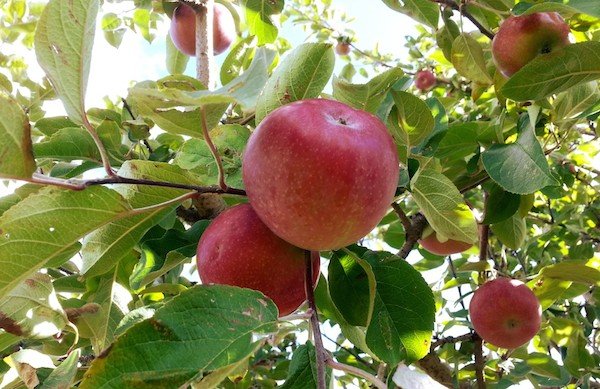
Have you ever bitten into an apple, only to find it's not as sweet or juicy as you'd hoped? It's a common disappointment, especially if you're unsure about the ripeness of your apples.
You might be wondering if apples continue to ripen after they're picked. This is a question many apple lovers grapple with, and understanding the ripening process can make all the difference in your fruit experience. Imagine biting into a perfectly ripe apple—one that's just the right balance of crispness and sweetness.
It’s a simple pleasure that can instantly brighten your day. If you've ever questioned how to achieve this perfection, you're not alone. The good news is that the answer lies within a few simple facts about apple ripening. We'll explore the fascinating journey of apples from tree to table, and uncover the secrets to choosing and storing apples for optimal flavor. You'll discover how to ensure your apples are at their peak of deliciousness, every single time. So, if you're ready to transform your apple-eating experience, keep reading. Your taste buds will thank you!

Credit: www.instagram.com
Apple Ripening Process
Apples can continue to ripen after being picked. They produce ethylene gas, which aids the ripening process. Proper storage conditions, like cool temperatures, can slow this process down.
The apple ripening process is a fascinating journey that transforms these fruits from tart and crisp to sweet and juicy. Understanding how apples ripen can help you determine the best time to enjoy them, ensuring maximum flavor and texture. Whether you're picking them fresh from the tree or buying from the store, knowing what happens after apples are picked is key to savoring their full potential.
Natural Ripening Stages
Apples go through several stages of ripening, each affecting their taste and texture. Initially, apples are firm and contain more starch than sugar. As they ripen, starches convert into sugars, making them sweeter. The color of the apple's skin also changes. It becomes more vibrant, signaling readiness to eat. Have you ever noticed how some apples soften over time in your fruit bowl? That's the natural ripening process at work.
Role Of Ethylene Gas
Ethylene gas plays a crucial role in the ripening of apples. This natural plant hormone triggers the conversion of starches into sugars. It also influences the change in color and texture. Interestingly, apples produce more ethylene gas as they ripen, speeding up the process. If you want your apples to ripen faster, place them in a paper bag to trap the ethylene gas. Have you tried storing apples with bananas? Bananas release a lot of ethylene gas, which can help ripen your apples quicker. Understanding these processes can change how you store and enjoy apples. Next time you pick an apple, think about how these natural changes are enhancing its flavor. What will you do differently with your apples now that you know more about their ripening journey?
Impact Of Harvest Timing
The timing of apple harvest plays a crucial role in determining the quality of the fruit. Picking apples at the right moment ensures they reach their full potential in flavor and texture. But how do you know when is the perfect time to harvest them?
Effects On Flavor And Texture
Harvesting apples too early can result in a bland taste, lacking the sweetness and tartness we love. Their texture might be overly firm and less enjoyable to bite into. On the other hand, picking them too late can lead to overly soft apples, sometimes mushy, with a lack of crispness.
Have you ever bitten into an apple that was either too hard or too soft? It’s all about finding that sweet spot where the flavors are balanced and the texture is just right.
Indicators Of Optimal Picking Time
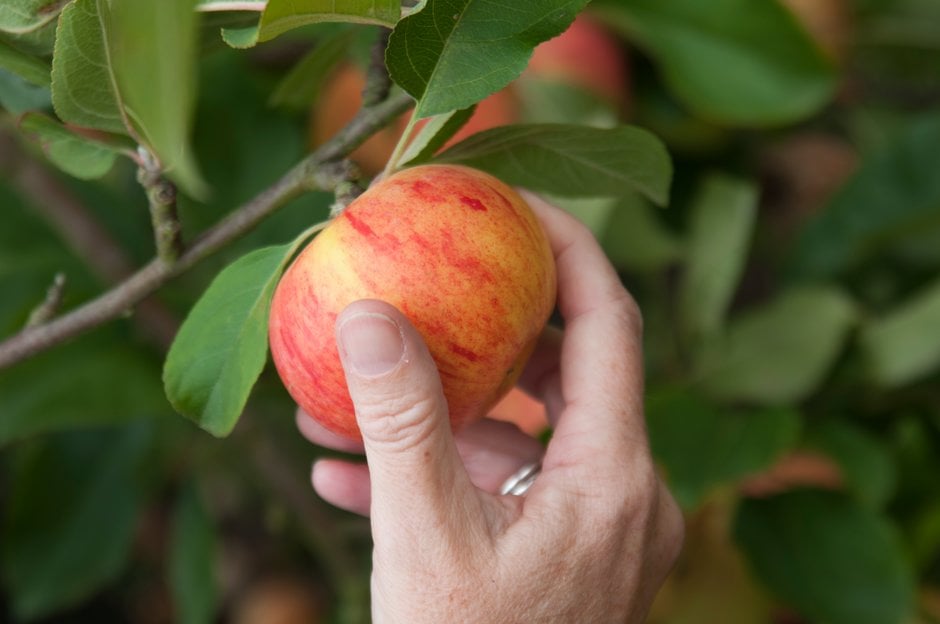
So, how can you tell when apples are ready for picking? Look for subtle changes in color and firmness. A slight change in color usually indicates readiness. The apple should feel firm yet yield slightly when gently squeezed.
- Check the seeds: Brown seeds are a sign of maturity.
- Taste test: Sample a few apples for sweetness and tartness.
- Ease of detachment: Ripe apples will come off the tree with a gentle twist.
Have you noticed these signs in your backyard apple tree? Observing these indicators can make all the difference in enjoying a delicious apple.
Post-picking Changes
Once apples are plucked from the tree, they undergo several fascinating changes. These post-picking transformations can affect their color, texture, and even nutritional value. Understanding these changes can help you make informed choices about when and how to enjoy your apples. So, what exactly happens to apples after they leave the orchard?
Color And Firmness Alterations
Have you ever noticed how apples can become more vibrant after a few days at home? The process of ripening can continue even after picking, with apples sometimes deepening in color. However, this doesn't mean they're getting sweeter or juicier. Instead, as the apple ripens off the tree, its firmness might decrease. You might find that an apple becomes softer and slightly mealy if left too long. So, should you rush to eat them while they're crisp?
Nutritional Value Modifications
Apples are known for their nutritional benefits, but how does this change after picking? Interestingly, the nutritional content of apples remains relatively stable once they're picked. However, certain components, like vitamins, might diminish slightly over time. If you want to get the most out of your apple, it might be wise to consume it sooner rather than later. Does this make fresh apples a better choice for your health?

Credit: www.facebook.com
Storage Conditions
Apples are popular fruits enjoyed by many. Their ripeness affects their taste. After picking, apples need proper storage to maintain freshness. Storage conditions play a crucial role in how apples ripen. Temperature, humidity, and controlled environments are key factors.
Temperature And Humidity Factors
Temperature influences apple ripening significantly. Cool temperatures slow down the process. Ideally, store apples at 32°F to 40°F. This temperature range keeps them fresh longer. Humidity also matters. High humidity prevents apples from drying out. Keep humidity levels around 90% for optimal results.
Controlled Atmosphere Storage
Controlled atmosphere storage can extend apple freshness. This method involves adjusting oxygen and carbon dioxide levels. Low oxygen slows ripening, keeping apples fresh longer. Carbon dioxide levels help prevent spoilage. This storage method is used in large-scale operations. It ensures apples stay crisp and flavorful.
Comparing Varieties
Apples stop ripening once picked, unlike bananas. Some varieties mature better on the tree. Freshly picked apples stay firmer.
Apples, a beloved fruit worldwide, come in numerous varieties. Each type has its own unique ripening behavior. Understanding these differences helps consumers choose the best apples. This knowledge ensures optimal flavor and texture in every bite.
Different Apple Types And Ripening Behavior
Different apple types behave uniquely after picking. Some apples continue to ripen after harvest. These apples become softer and sweeter over time. Varieties like Fuji and Gala fall into this category. They are best when allowed to ripen post-harvest. Other apples do not ripen much after picking. Granny Smith and Honeycrisp maintain their firmness and tartness. These apples are often enjoyed right after harvesting. They provide a crisp texture, perfect for those who enjoy a tart taste.
Consumer Preferences
Consumer preferences vary based on ripening behavior. Some prefer apples that ripen over time. These individuals enjoy the evolving sweetness and softness. They often choose apples like Fuji and Gala for this reason. Others prefer apples with consistent texture and taste. They enjoy the crunch and tartness of Granny Smith. Honeycrisp apples also remain popular for their balanced flavor. These preferences influence buying decisions in stores and markets. Understanding ripening behavior helps consumers make informed choices.
Credit: www.rhs.org.uk
Scientific Insights
Apples continue to ripen after being picked due to ethylene gas production. This natural process enhances their sweetness and softness. Understanding this can help in selecting the perfect apple for your taste.
Scientific insights into apple ripening offer fascinating revelations. Apples, like many fruits, continue to change after harvest. This process affects their taste, texture, and nutritional value. Understanding these changes helps in improving storage techniques and prolonging shelf life.
Research Findings On Ripening
Research shows apples produce ethylene gas post-harvest. This natural hormone triggers ripening. The rate and extent of this process vary among apple varieties. Some apples ripen quickly, while others take longer. Temperature and storage conditions also play a crucial role. Cooler temperatures slow down ripening. Controlled environments can extend the freshness of apples.
Technological Advancements In Apple Storage
New technology has improved apple storage significantly. Controlled atmosphere storage adjusts oxygen and carbon dioxide levels. This method slows down the ripening process. It keeps apples fresh for longer periods. Modified atmosphere packaging is another technique. It uses special films to maintain optimal gas levels around the fruit. Both methods help in maintaining apple quality and reducing waste.
Frequently Asked Questions
How Do You Ripen Apples After Picking?
Place apples in a paper bag with a ripe banana to speed up ripening. Store them at room temperature. Check daily to avoid over-ripening. This method helps trap ethylene gas, promoting ripening. Enjoy perfectly ripe apples in a few days!
Can I Pick Apples Before They Are Ripe?
Yes, you can pick apples before they are ripe. Unripe apples can be used for cooking. Allow them to ripen indoors for better taste. Picking early helps prevent pests and diseases. Ensure to check apple variety specifics for best results.
Will Apples Ripen In The House?
Yes, apples can ripen indoors. Place them in a cool, dry area. To speed up ripening, store apples with bananas or other ripe fruits. This releases ethylene gas, promoting faster ripening. Keep apples away from direct sunlight for best results.
How Do I Know When My Apples Are Ripe?
Check the apple's color; it should match its variety. Gently twist and lift; ripe apples detach easily. Taste test for sweetness and firmness. Smell for a sweet, fruity aroma. Inspect for fullness and no green tinge.
Conclusion
Apples do ripen after picking, but not all varieties. Some types continue to sweeten and soften. Others stay firm and unchanged. Store apples in a cool, dry place for best results. You can enjoy them fresh or cooked. Choose ripe apples for immediate use.
For storing, select firmer ones. Their flavor depends on how you keep them. Understanding ripening helps prevent waste. It ensures optimal taste and texture. Enjoy the fresh crunch or sweet soft bite. Apples are versatile and delicious. Keep exploring different kinds and ripening processes.
Happy apple picking and tasting!