Imagine never having to worry about watering your garden again. Picture a lush, thriving landscape that practically takes care of itself.
With a DIY garden irrigation system, this dream can become your reality. You might think setting up an irrigation system is complicated, but it's easier than you imagine. Plus, it can save you time, water, and money. Why leave the fate of your beloved plants to chance when you can ensure their hydration with precision?
You’ll discover how creating your own system can be both fulfilling and practical. Dive into this guide where we’ll walk you through every step, making sure you feel confident and excited to transform your garden care routine. Let's get started on giving your garden the love and care it deserves!
Benefits Of Diy Garden Irrigation
Creating your own garden irrigation system saves money and offers flexibility. Tailor watering schedules to suit plant needs. Enjoy consistent growth while reducing water waste.
Building your own garden irrigation system is more than just a weekend project—it's a smart investment in your garden's health and your wallet. DIY garden irrigation offers several benefits that make it a worthwhile endeavor. Let's explore some of the key advantages that come with creating your own system.
Cost Savings
Designing and installing a DIY irrigation system can significantly reduce expenses. Professional systems often come with hefty price tags due to labor and specialized equipment. By sourcing materials yourself and dedicating a bit of time, you can achieve a similar setup at a fraction of the cost. Imagine using inexpensive drip lines or soaker hoses that you set up in an afternoon. You'll save money not only on installation but also on maintenance. Plus, the satisfaction of building it yourself is priceless.
Water Conservation
An efficient DIY irrigation system can help you manage water usage more effectively. By tailoring the system to your garden's needs, you can ensure that plants receive the right amount of water without waste. Consider installing a rain barrel to collect natural rainfall, integrating it into your system. This simple addition helps reduce dependency on municipal water, conserving a precious resource and lowering your water bill.
Personalized Solutions
A DIY system allows you to customize irrigation to suit your garden's specific layout and plant types. Unlike generic systems, you can adjust water flow to different zones based on their unique requirements. Perhaps you have a sunny area that needs more frequent watering or a shaded spot that requires less. With your own system, you can tweak and adjust with ease, ensuring every plant gets exactly what it needs to thrive. By taking control of your garden irrigation, you not only foster a healthier garden but also engage with your environment in a meaningful way. What changes can you make today to enhance your gardening experience?
Types Of Irrigation Systems
Creating a DIY garden irrigation system can save time and water. There are several types of irrigation systems to consider. Each system offers unique benefits for different garden needs. Understanding these can help you choose the best one for your garden.
Drip Irrigation
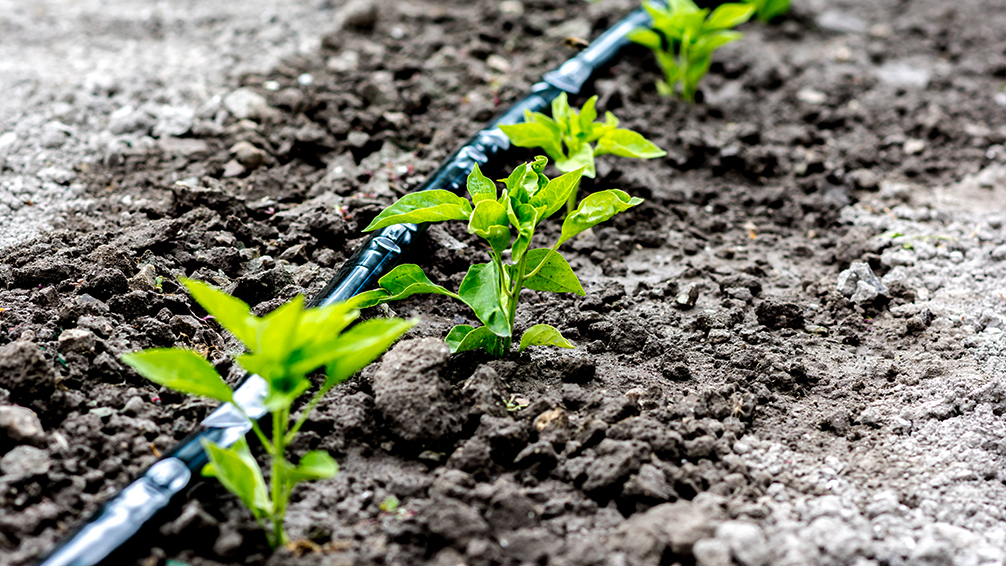
Drip irrigation delivers water directly to plant roots. This method uses less water and reduces weed growth. Drip systems work well for vegetable gardens and flower beds. They are easy to install and maintain. Drip lines can be adjusted to fit any garden layout.
Sprinkler Systems
Sprinkler systems mimic natural rainfall. They cover large areas and are perfect for lawns. Sprinklers can be stationary or oscillating. Choose one based on your garden's size. Sprinkler systems are automated, which saves time. They are ideal for busy gardeners.
Soaker Hoses
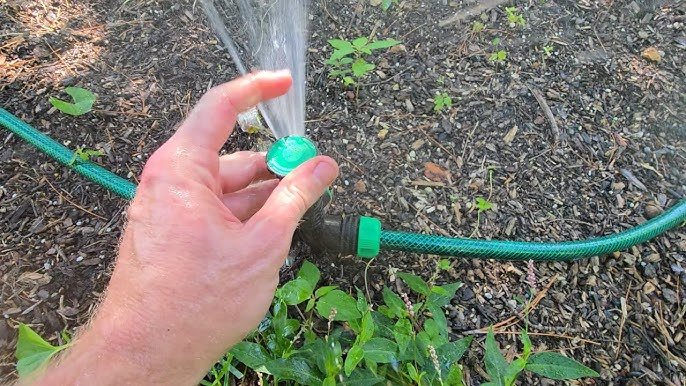
Soaker hoses are affordable and simple. They release water slowly along their length. This ensures even distribution in garden beds. Soaker hoses are flexible and easy to move. They work well for dense plantings and shrubs. Installation is quick and requires minimal tools.
Essential Tools And Materials
Building a DIY garden irrigation system requires essential tools and materials. Gather hoses, connectors, and timers for basic setup. Include a drip irrigation kit for water efficiency.
Creating your own garden irrigation system can be a rewarding project that saves both water and money. But to get started, you'll need the right tools and materials. Familiarizing yourself with these essentials will ensure your DIY irrigation system is efficient and effective. Let's delve into the key components that will make your garden thrive.
Pipes And Tubing
The backbone of any irrigation system is the network of pipes and tubing. Choose materials that suit your garden's size and layout. Polyethylene tubing is flexible and easy to work with, making it a popular choice for many DIY enthusiasts. Consider the diameter of the tubing based on your water pressure and the needs of your plants. Smaller gardens may only require a half-inch diameter, while larger areas might benefit from a three-quarter-inch size. Don’t forget to measure the length you need, plus a little extra for unexpected turns and adjustments. It’s better to have more than to run short mid-project.
Connectors And Valves
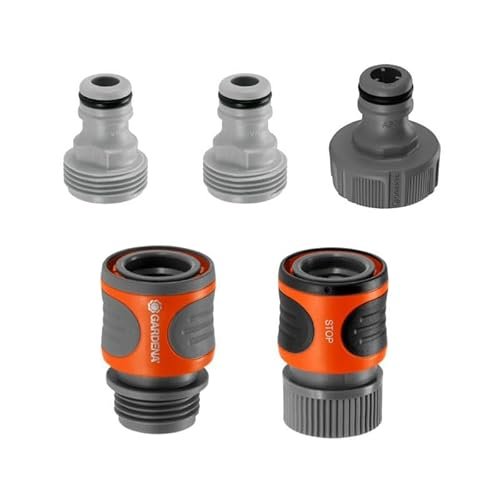
Connectors and valves are the unsung heroes of a garden irrigation system. They ensure water flows smoothly from the main supply to your plants. Use connectors to link different sections of tubing, and choose valves that allow you to control water flow to specific areas. Quick-connect fittings can save you time and make it easy to adjust or expand your system. Look for durable materials like brass or high-grade plastic that can withstand outdoor conditions. Having a variety of connectors and valves on hand can make troubleshooting a breeze. You never know when you might need to replace a part or tweak the system.
Timers And Controllers
For a truly efficient system, timers and controllers are a must. These devices automate watering schedules, so you don’t have to remember to turn on the tap. They can be simple mechanical timers or more advanced digital controllers that allow for precise programming. Consider how much control you want over your watering schedule. Some timers let you set different times for various zones, which is perfect if your garden has plants with different water needs. Investing in a weather-responsive controller can also be wise. This type of device adjusts the watering schedule based on local weather conditions, preventing overwatering during rainy periods. Building your own irrigation system means you can tailor it to your garden’s unique needs. What tools or materials have you found indispensable in your gardening projects? Share your experiences and tips in the comments below!
Step-by-step Installation Guide
Creating your own garden irrigation system can be rewarding. It saves water and ensures healthy plants. Let's dive into a simple guide to set up your system.
Planning Your Layout
Start by sketching a map of your garden. Identify areas needing more or less water. Consider plant types and sunlight exposure. This helps in deciding where to place the irrigation lines.
Measure the garden dimensions accurately. This informs the length of pipes needed. Mark the spots for sprinklers and drip lines. Make sure to leave room for future plant growth.
Setting Up The Water Source
Choose a reliable water source. It can be a tap, rain barrel, or a water tank. Ensure the water source is close to the garden. This reduces the length of hose or pipes needed.
Install a water filter if using rainwater or stored water. It prevents clogging and maintains system efficiency. Attach a pressure regulator to manage water flow. This protects plants from overwatering.
Installing The Irrigation System
Begin by laying out the main water line. Connect it to the water source. Use pipe connectors for secure joints. Position the sprinklers and drip lines as planned.
Secure the pipes with stakes to keep them in place. Test the system for leaks before burying the pipes. Adjust the sprinklers to cover all plant areas evenly.
Finally, set a timer for automated watering. This ensures consistent irrigation without manual operation. Regular checks keep the system running smoothly.
Maintenance Tips
Keep your DIY garden irrigation system running smoothly with regular checks. Inspect pipes for leaks and clean clogged nozzles. Adjust water flow settings to match seasonal plant needs.
Maintaining your DIY garden irrigation system is crucial to ensure it functions efficiently throughout the year. While setting it up might feel like the most challenging part, regular maintenance can extend the system's life and keep your garden thriving. Here are some practical tips to help you keep your irrigation system in top shape.
Regular Inspections
Inspect your system regularly to catch any issues early. Check for leaks, clogs, or broken parts that could affect water distribution. Make it a habit to walk through your garden once a week. Look for areas where plants seem too dry or too wet, and adjust the system accordingly. A quick inspection can save you from bigger issues later on, ensuring your plants get the right amount of water.
Cleaning And Repairs
Clean the filters and nozzles to prevent clogs that can disrupt water flow. Use a small brush or a toothpick to remove debris. Repair any damaged parts promptly. A small leak can waste a lot of water and increase your bill unnecessarily. Have a few spare parts on hand so you can make quick fixes without a trip to the store. This proactive approach keeps your system running smoothly.
Seasonal Adjustments
Adjust your system settings as the seasons change. In hotter months, your garden might need more frequent watering. In contrast, reduce watering during rainy seasons to avoid overwatering, which can lead to root rot. Consider installing a rain sensor to automatically shut off your system when it rains, saving you water and effort. By keeping these tips in mind, you'll ensure your garden remains lush and healthy year-round. What's your favorite maintenance trick?

Credit: www.remodelaholic.com
Troubleshooting Common Issues
Garden irrigation systems can face common issues like clogged emitters or uneven water distribution. Regular checks and cleaning help maintain system efficiency. Adjust settings and replace faulty parts to ensure plants receive adequate water.
Troubleshooting common issues in your DIY garden irrigation system ensures healthy plants. Identifying and fixing problems keeps your garden thriving. Let's explore some frequent issues and their solutions.
Leaks And Blockages
Leaks waste water and reduce efficiency. Check connections for tightness. Examine hoses for cracks and damage. Replace any worn-out parts. Debris can block emitters. Regularly clean them to ensure proper flow. Use a soft brush or soak parts in water.
Uneven Water Distribution
Plants may not get equal water. Check for clogged emitters. Adjust placement to cover all areas. Inspect for kinks in hoses. Straighten them to improve flow. Ensure water pressure is adequate. Low pressure affects distribution.
System Malfunctions
Sometimes systems stop working. First, check the power source. Ensure everything is plugged in. Inspect timers for proper settings. Batteries may need replacing. Look for broken parts. Replace them to restore function. Regular maintenance prevents malfunctions.
Enhancing Your System
Enhancing your garden's efficiency is easy with a DIY garden irrigation system. Save water and ensure plants get enough moisture. Simple materials and clear instructions make installation straightforward for everyone.
Enhancing your DIY garden irrigation system can transform your garden from merely surviving to truly thriving. With a few thoughtful upgrades, you can ensure that your plants receive optimal water delivery, improving their health and growth. Whether you're a tech enthusiast or someone who just wants to conserve water, there's a way to enhance your system to suit your needs.
Advanced Automation
Have you ever wished your plants could water themselves while you relax? With advanced automation, they almost can. By setting timers and schedules, your irrigation system can deliver precise amounts of water at the right times. Consider using moisture sensors that detect when the soil is dry. This prevents overwatering and ensures your garden only receives what it needs. Automated systems can be a game-changer, especially if you're often away from home. They take the guesswork out of garden maintenance and can even adjust for weather conditions.
Water-saving Techniques
Are you looking to reduce your water bill and conserve resources? Adopting water-saving techniques can make your irrigation system more efficient. Drip irrigation systems are excellent for targeting specific plants and minimizing water waste. They slowly release water directly to the roots, which means less evaporation. Mulching your garden beds can help retain moisture in the soil. This means your system won't need to run as often, saving water and money.
Integrating Smart Technology
Imagine controlling your garden's irrigation system from your smartphone. Integrating smart technology makes this possible and adds convenience to your gardening routine. Smart controllers can connect to weather forecasts and adjust watering schedules accordingly. This ensures your plants get just the right amount of water, even if the weather changes unexpectedly. You can also monitor and manage your system remotely, providing peace of mind when you're away. It's a great way to ensure your garden is always in top condition, no matter where you are.
Credit: plantsforallseasons.com

Credit: ekamrakananbotanicalgardens.com
Frequently Asked Questions
What Is The 30 30 Rule For Drip Irrigation?
The 30 30 rule for drip irrigation suggests watering for 30 minutes, then allowing a 30-minute soak. This cycle promotes efficient water absorption and minimizes waste. Adjust the duration based on soil type and plant needs for optimal results.
How Long Does A 5 Gallon Bucket Take To Drip Empty?
The time a 5-gallon bucket takes to drip empty varies based on drip rate. A slow drip may take days, while a faster drip could empty within hours. Factors include hole size and water pressure. Regular monitoring helps estimate exact times for specific setups.
How To Make An Irrigation System For A Garden?
Install a drip irrigation system for efficient watering. Connect hoses to a main water source. Use emitters to deliver water directly to plant roots. Adjust timers for optimal watering schedules. Ensure regular maintenance to prevent clogs. Consider rain sensors for water conservation.
Choose materials that suit your garden size and plant types.
Is A Soaker Hose Better Than Drip Irrigation?
Drip irrigation offers precise water delivery, ideal for targeted plant watering. Soaker hoses are simpler and cheaper but less efficient. Choose drip irrigation for efficiency and conservation, while soaker hoses suit smaller gardens. Each method has its benefits, depending on your garden's needs.
Conclusion
Creating your own garden irrigation system is simple. It saves time and water. Your plants stay healthy and well-watered. With basic tools, you set up easily. Enjoy watching your garden flourish. DIY irrigation gives control over watering schedules. Adjust it to suit your garden's needs.
It's cost-effective and rewarding. You learn and grow alongside your plants. Start today and see the benefits. Your garden will thank you. Happy gardening!