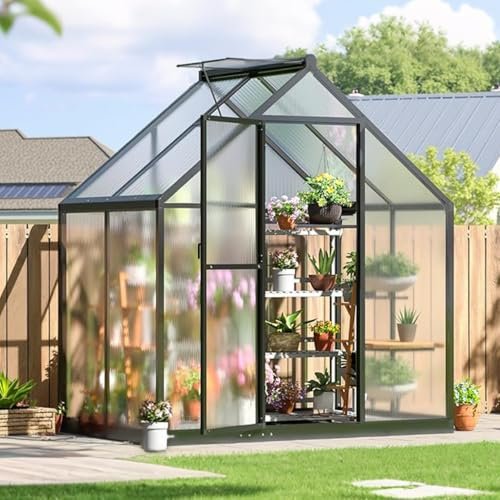
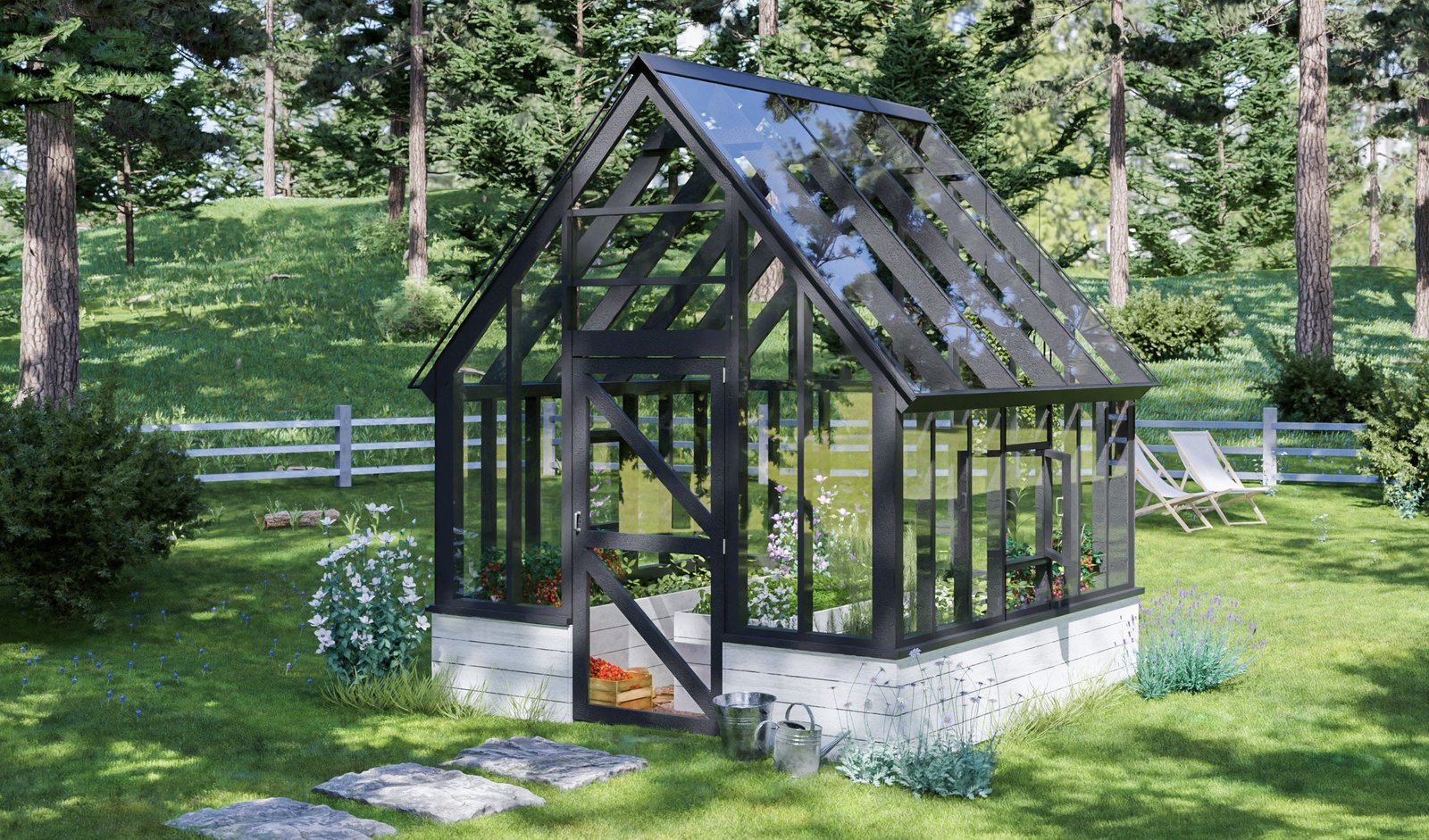
Imagine stepping into a lush, vibrant oasis right in your backyard, where fresh herbs, vegetables, and flowers thrive all year round. With DIY greenhouse designs, you can turn this dream into reality without breaking the bank.
You have the power to create a sustainable environment tailored to your needs, offering a rewarding escape from everyday life. Whether you're a seasoned gardener or a curious beginner, designing your own greenhouse can be both exciting and fulfilling. You'll discover innovative ideas that cater to different spaces and budgets, ensuring there's something for everyone.
We'll guide you through the process, making it simple and enjoyable. From selecting materials to optimizing your layout for maximum growth, you'll gain the confidence to construct your own slice of paradise. Dive in and unlock the secrets to a flourishing garden, right at your fingertips.
Benefits Of A Diy Greenhouse
DIY greenhouse designs offer cost savings and customization to fit your space. Enjoy fresh vegetables year-round with these simple structures.
Building a DIY greenhouse brings numerous advantages. It offers gardeners control over their growing environment. This control leads to healthier plants and improved yields. It also provides an opportunity to reduce costs and minimize environmental impact. Here, we explore some key benefits of constructing your own greenhouse.
Year-round Gardening
A DIY greenhouse allows gardening in any season. Grow plants even during winter's chill. The controlled environment ensures optimal growth conditions. Protection from harsh weather extends growing seasons. Enjoy fresh produce throughout the year. This means more homegrown vegetables on your table.
Environmental Impact
DIY greenhouses contribute positively to the environment. They reduce the need for transporting produce. This lowers carbon emissions significantly. Use sustainable materials for building. Recycle old windows or frames. Implement rainwater collection systems. These practices make your greenhouse eco-friendly. Contribute to a greener planet with your own greenhouse.
Cost Savings
Building your own greenhouse saves money. Prefab greenhouses can be costly. DIY options are budget-friendly. Use recycled materials for further savings. The initial investment pays off over time. Grow your own vegetables and herbs. Cut down on grocery bills. Enjoy the satisfaction of self-sufficiency.
Choosing The Right Greenhouse Design
Choosing the right DIY greenhouse design involves considering size, materials, and climate needs. Simple structures like hoop houses or lean-tos can fit small spaces. Materials like plastic or glass affect light and temperature control.
Choosing the right greenhouse design is essential for anyone venturing into the world of DIY gardening. A well-thought-out design can boost your plant growth and make your gardening experience more enjoyable. But how do you ensure that your greenhouse is the perfect fit for your needs? Let’s delve into some critical aspects.
Size And Space Considerations
Before you start building, ask yourself how much space you really have. If you’re working with a small backyard, a compact design might be necessary. A larger plot allows for more elaborate structures, but remember, bigger isn’t always better. Think about the types of plants you want to grow. Will you need vertical space for climbing plants, or is more ground space necessary for pots? Ensure your greenhouse will comfortably accommodate your ambitions without feeling cramped.
Material Options
Choosing the right material can significantly impact the durability and functionality of your greenhouse. Polycarbonate panels are popular for their excellent insulation and light diffusion. They’re lightweight and easy to handle, making them a favorite among DIY enthusiasts. Alternatively, glass offers a traditional look and better visibility but can be more challenging to work with due to its weight and fragility. Consider your climate and budget when making a decision, as the right material can also protect your plants from harsh weather.
Location And Orientation
The location of your greenhouse can make or break your gardening success. Ideally, you want it in a spot that maximizes sunlight exposure throughout the day. Southern exposure is usually best for year-round growing. Think about accessibility too. You’ll want to easily access your greenhouse without trekking through mud every time it rains. Also, consider the proximity to water and electricity sources for added convenience. Choosing the right greenhouse design involves careful consideration of these elements. Have you thought about the kind of plants you want to grow? How will your greenhouse fit into your existing garden space? By asking these questions, you can ensure your greenhouse is a thriving sanctuary for your plants.
Essential Tools And Materials
Gather basic tools like a hammer, screwdriver, and saw for building your greenhouse. Choose materials such as wood, plastic, or metal to create a sturdy frame. Transparent panels or plastic sheets are essential for covering to let sunlight in.
Creating a DIY greenhouse is an exciting project. Success depends on using the right tools and materials. These elements ensure your greenhouse stands strong and functional. From basic tools to advanced materials, each component plays a vital role.
Basic Tools
A few simple tools make all the difference.
- Hammer:Essential for nailing structures together.
- Screwdriver:Needed for securing screws.
- Measuring Tape:Ensures accurate dimensions.
- Saw:Useful for cutting wood or metal.
- Drill:Speeds up the assembly process.
These tools are easy to find in any hardware store.
Construction Materials
Choosing the right materials is crucial for durability.
- Wood:Popular for frames, easy to work with.
- Metal:Provides sturdy support, especially in windy areas.
- Plastic Sheets:Lightweight, ideal for covering.
- Glass Panels:Offer clarity and strength.
Select materials based on climate and budget.
Ventilation And Insulation
Proper air flow and temperature control are key.
- Vents:Allow fresh air to circulate.
- Fans:Enhance air movement inside.
- Shade Cloth:Reduces excessive sunlight.
- Bubble Wrap:Provides insulation during cold months.
These features help plants thrive in any season.
Step-by-step Construction Guide
Building your own greenhouse can be a rewarding project. A step-by-step guide helps simplify the process. With detailed instructions, anyone can create a functional greenhouse. Follow these easy steps to get started.
Foundation Setup
Start with a solid base to ensure stability. Choose a location with good sunlight. Clear the area of debris and level the ground. Use concrete blocks or treated wood for a firm foundation. Arrange them in a rectangle, matching the size of your greenhouse.
Framing Techniques
Next, focus on constructing the frame. Use sturdy materials like PVC pipes or wooden beams. Connect them using screws or brackets for strength. Ensure the frame is square and aligned. This step is crucial for supporting the structure.
Roof And Wall Installation
Finally, install the roof and walls. Use clear plastic or glass panels for sunlight. Attach them securely to the frame. Ensure there are no gaps to keep heat inside. This will protect your plants and maintain a warm environment.
Customization Ideas
Creating a DIY greenhouse offers endless customization possibilities. Tailor the design to suit your gardening needs and preferences. From temperature control to lighting solutions, each aspect can be personalized. Let’s explore some creative customization ideas.
Temperature Control
Maintaining the right temperature is crucial for plant health. Consider installing a thermostat to regulate the climate automatically. Insulated panels can help retain heat during cooler months. Ventilation systems prevent overheating in summer, ensuring a balanced environment.
Lighting Solutions
Proper lighting is essential for plant growth. Use LED grow lights for energy efficiency. Position them strategically to mimic natural sunlight. Adjustable fixtures allow you to change the intensity as needed. This helps plants thrive during darker months.
Plant Shelving
Organize your greenhouse with custom shelving. Adjustable shelves accommodate different plant sizes. Consider using recycled materials for an eco-friendly touch. Vertical shelving maximizes space, allowing you to grow more plants. This enhances the overall functionality and appearance of your greenhouse.

Credit: www.angi.com
Maintenance And Care Tips
Maintaining your DIY greenhouse is crucial to ensure it remains a thriving environment for your plants. Regular care not only extends the life of your greenhouse but also boosts plant productivity and health. Let's dive into some key maintenance and care tips that will help you keep your greenhouse in top shape.
Cleaning And Repairs
A clean greenhouse is a happy greenhouse. Regularly remove any dead leaves and debris to prevent disease and mold. I once found an unnoticed pile of leaves that had started to rot, creating a haven for mold. A quick sweep saved me from a bigger problem.
Check for any structural damages like cracks in the glass or small tears in the plastic. Repair these immediately to avoid bigger issues later. A small crack can let in pests or cold air, disrupting the delicate balance inside your greenhouse.
Pest Management
Pests can be a real headache in a greenhouse. Keep an eye out for common pests like aphids and spider mites. Regular inspections can catch these culprits early before they become a major issue.
- Introduce beneficial insects like ladybugs to control pest populations naturally.
- Consider using organic pesticides as a last resort.
How do you control pests in your greenhouse? Sharing your experience might help others facing similar challenges.
Seasonal Adjustments
Seasons change, and so should your greenhouse strategies. In summer, ensure proper ventilation to prevent overheating. This might mean opening windows or using shade cloths.
In winter, focus on insulation to keep the warmth in. Simple bubble wrap can be an effective way to insulate your greenhouse without breaking the bank.
Have you ever tried adjusting your greenhouse setup with the seasons? What strategies worked best for you?
These maintenance and care tips can significantly enhance the longevity and productivity of your DIY greenhouse. Regular attention and small adjustments can make a big difference in your gardening success.
Inspiring Greenhouse Transformations
Create your own stunning greenhouse with these inspiring DIY designs. Transform simple materials into a thriving green sanctuary. Explore creative ideas that suit any budget and space.
Inspiring Greenhouse Transformations Creating your own greenhouse can be a rewarding experience. Many people around the world have transformed simple materials into thriving plant havens. These inspiring greenhouse transformations show what's possible with a bit of creativity and dedication.
Success Stories
Many gardeners started with just a small budget and a dream. Jane from Oregon built her greenhouse using old windows. She now grows vegetables year-round. Tom in Texas turned a simple hoop house into a tropical oasis. He grows exotic plants that thrive under his care. These stories prove you don't need much to create something beautiful.
Unique Design Examples
Some greenhouses are true works of art. A couple in Vermont constructed a dome-shaped greenhouse using recycled materials. Its geometric design is both functional and eye-catching. In California, an artist designed a greenhouse with stained glass panels. Each panel reflects the sunlight, creating a colorful spectacle. These unique designs blend creativity with practicality.
Community Projects
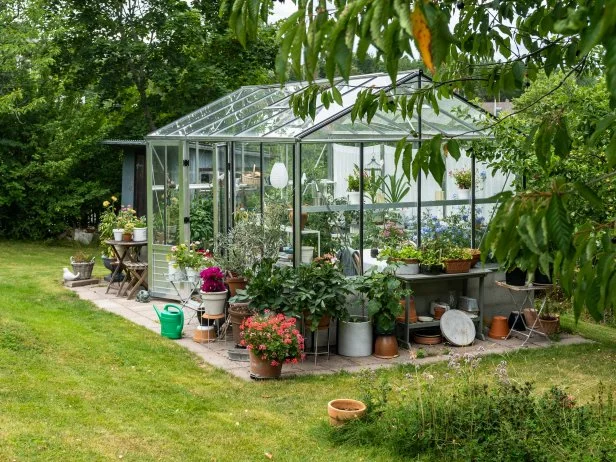
Communities are also joining the greenhouse movement. In a small town in Canada, volunteers built a large greenhouse for local schools. It serves as a learning center for students of all ages. In Spain, a neighborhood came together to create a communal greenhouse. They share both the work and the harvest. These projects bring people together and promote sustainability.
Credit: www.hgtv.com

Credit: www.hgtv.com
Frequently Asked Questions
Is It Cheaper To Buy Or Build Your Own Greenhouse?
Building your own greenhouse is often cheaper than buying one. You save on labor costs and can use recycled materials. Customization is easier, allowing you to fit it to your space and budget. Consider local material prices and your DIY skills to maximize savings.
What Is The Most Inexpensive Way To Build A Greenhouse?
Use recycled materials like old windows or doors to build an inexpensive greenhouse. Consider using PVC pipes for the frame. Clear plastic sheeting can serve as the covering, providing insulation. Ensure proper ventilation to maintain plant health. This approach minimizes costs while maximizing functionality.
How To Build A Diy Greenhouse For Beginners?
Begin with selecting a suitable location and materials. Construct a frame using wood or PVC. Cover it with polyethylene film or glass panels. Ensure proper ventilation and temperature control. Use shelves for organizing plants. Start with easy-to-grow plants to gain confidence.
What Do You Put In The Bottom Of A Greenhouse?
Place gravel or stone on the greenhouse floor for drainage. Use weed mat to prevent weed growth. Add concrete or pavers for a solid surface. Consider using mulch or sand to enhance insulation. Avoid soil, as it retains moisture and invites pests.
Ensure proper ventilation for optimal plant health.
Conclusion
Creating your own greenhouse can be rewarding. Simple designs offer great benefits. They help you grow plants all year. You save money and enjoy fresh produce. Building a greenhouse is easier than you think. Use affordable materials and basic tools.
Explore different designs to match your needs. Small or large, each greenhouse helps plants thrive. Enjoy the process and learn as you build. Your garden will thank you. Start today and watch your plants flourish in your DIY greenhouse.