
Imagine stepping into your backyard, hoping to find your garden thriving, only to discover that your plants have been nibbled away by mischievous squirrels. It’s frustrating, isn’t it?
You might have heard whispers about a surprising solution—Irish Spring soap. But does it really work to keep those furry intruders at bay? We’re diving into this curious claim to see if a simple bar of soap can truly safeguard your garden.
Stick around to uncover whether this household item might be the secret weapon you need to outsmart those pesky squirrels once and for all.
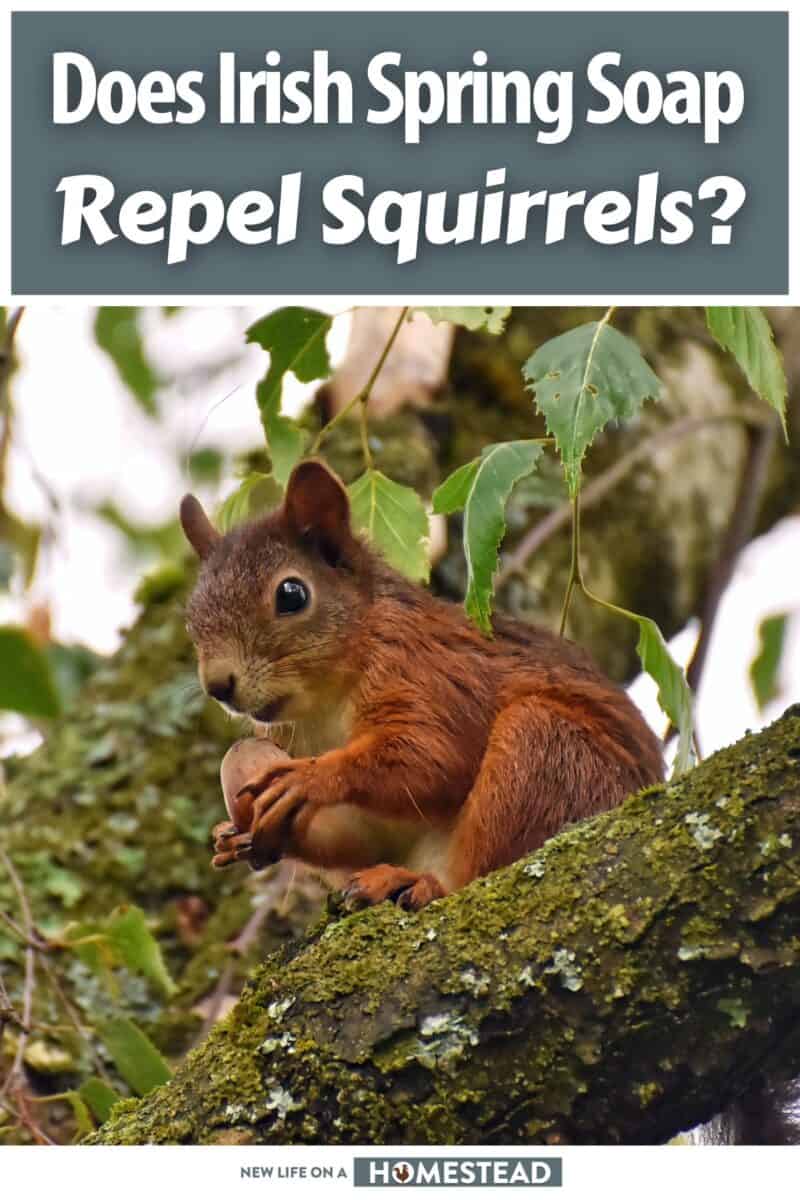
Credit: www.newlifeonahomestead.com
Irish Spring Soap And Its Popularity
Irish Spring Soap, known for its fresh scent, is popular in households. Some believe its smell deters squirrels from gardens. Users often place soap bars in areas to keep pests away.
Irish Spring Soap has been a household staple for years, celebrated for its fresh scent and effective cleaning properties. Its crisp aroma and vibrant green packaging make it instantly recognizable. But beyond the shower, this soap has found an unexpected use that intrigues many: repelling squirrels.
The Allure Of Irish Spring Soap
Irish Spring Soap is renowned for its invigorating scent, a fragrance that resonates with cleanliness and freshness. Many people choose it for their daily showers, appreciating how it leaves their skin feeling fresh and revitalized. Interestingly, the same strong scent that humans love is believed to deter pests like squirrels.
Why People Are Turning To Irish Spring For Pest Control
The idea of using soap as a squirrel deterrent might sound odd at first. Yet, it's gaining traction among homeowners looking for natural methods to protect their gardens. People are eager to avoid chemicals, and they find the soap's scent a safer alternative to harsh pesticides.
Personal Experiences Shared Online
You might have stumbled upon forums where people swear by this method. One gardener recounted how they cut the soap into small pieces and scattered them around their flower beds. They noticed fewer squirrels digging up their tulips, a pleasant surprise that sparked curiosity.
Practical Steps For Using Irish Spring Soap
If you're curious to try this method, it's simple. Start by cutting the soap into small chunks. Place these pieces strategically around areas where squirrels are a nuisance, like garden beds or attics.
Does It Really Work?
The effectiveness of Irish Spring Soap in repelling squirrels isn’t scientifically proven. However, many individuals share positive anecdotes. Could this be the natural solution you’ve been searching for to safeguard your garden?
Encouraging Readers To Experiment
Have you faced a squirrel problem? Consider experimenting with Irish Spring Soap. It’s an affordable, easy-to-try option that might just keep those furry critters at bay. Irish Spring Soap's unexpected use in pest control highlights the value of thinking outside the box. Whether it’s the scent or the novelty, it’s worth trying to see if it keeps squirrels away from your cherished spaces.

Credit: dallas.aaacwildliferemoval.com
Squirrel Behavior And Preferences
Irish Spring soap is often rumored to deter squirrels. These curious creatures are known for their sensitive noses. The strong scent of the soap might keep them away from gardens and attics.
Understanding squirrel behavior helps in finding ways to manage them. These small creatures are often found in gardens and parks. Observing their habits reveals what attracts or repels them. Knowing their preferences can assist in finding solutions to keep them away.
Dietary Habits
Squirrels are primarily herbivores. They favor nuts, seeds, and fruits. Vegetables and plants also attract them. They have a keen sense of smell for food. This helps them locate hidden or buried items. In urban areas, they might eat from bird feeders or trash bins.
Sensory Perception
Squirrels rely on sharp senses for survival. Their sense of smell is especially strong. It helps them detect predators and food sources. They also have excellent eyesight. This assists in spotting danger from afar. Sounds play a role too. They react quickly to unfamiliar noises. This sensitivity makes them cautious around new scents and sounds. `
Common Squirrel Repellents
Are squirrels wreaking havoc in your garden or attic? You're not alone. Many homeowners are on a quest to find effective methods to keep these furry intruders at bay. From DIY solutions to store-bought options, there are various ways to repel squirrels. Some work wonders, while others might surprise you with their simplicity.
Natural Methods
Natural repellents are a popular choice because they're eco-friendly and safe for pets and children. One such method involves using peppermint oil. It's a scent that squirrels despise. Simply soak cotton balls in peppermint oil and place them in areas where squirrels frequent.
Another natural approach is using spices. Sprinkling cayenne pepper or garlic powder around plants can deter squirrels. They can't stand the taste and smell. You might have some of these spices lying around in your kitchen right now.
I once tried using crushed garlic cloves in my vegetable garden. Not only did it keep the squirrels away, but it also added flavor to my homegrown tomatoes!
Commercial Products
Commercial repellents offer convenience and often have a strong track record. Many come in spray form, making them easy to apply. Products like squirrel repellent granules can be scattered around your garden or attic. They usually contain ingredients that squirrels find unpleasant.
Another option is ultrasonic devices. These emit a sound that irritates squirrels but is inaudible to humans. I installed one near my attic entrance, and within days, the squirrel activity decreased dramatically.
Have you considered trying Irish Spring soap as a repellent? Some swear by its effectiveness. Could a simple bar of soap be the secret weapon you've been looking for?
Whether you opt for natural methods or commercial products, the goal is clear: protect your space without harming wildlife. What's your next step in defending your territory against these cheeky critters?
Myth Or Fact: Soap As A Repellent
People often look for simple solutions to animal problems. One popular idea is using Irish Spring soap to repel squirrels. Can a bar of soap really help keep these critters away? Let's explore this intriguing topic.
Origins Of The Myth
The idea of using soap as a repellent has been around for years. Some believe strong scents can deter animals. Irish Spring soap has a distinct smell. This makes it a popular choice for gardeners. They think its scent might keep pesky squirrels at bay.
Stories passed down through generations add to the myth's allure. People claim it works in their gardens or attics. But where did this idea really come from? It likely started as a simple home remedy. Over time, it gained popularity through word of mouth.
Scientific Evidence
Is there any science behind this myth? Limited scientific evidence supports soap as a squirrel repellent. Squirrels have sensitive noses. Strong smells may confuse or irritate them. But no studies confirm soap effectively deters them.
Experts suggest more reliable methods for deterring squirrels. These include physical barriers and natural repellents. While soap might have some effect, it's not a proven solution. Without concrete evidence, relying solely on soap is risky.
Experiments And Anecdotal Evidence
Many people wonder if Irish Spring soap can repel squirrels effectively. There's a mix of science and stories suggesting it might work. Let's dive into some experiments and testimonials to uncover the truth.
Home Experiments
Some homeowners have tried using Irish Spring soap to keep squirrels away. They cut the soap into small pieces. Then, they place it around gardens or attics. The strong scent seems to deter squirrels. It acts like a natural barrier. People report fewer squirrels in areas treated with the soap.
Other experiments involve hanging soap bars in trees. This method covers a larger area. It works well for those with big yards. The scent spreads easily, creating a protective zone. Results vary, but many find it helpful. It's a simple and cost-effective method.
Gardener Testimonials
Gardeners often share their experiences with Irish Spring soap. Many claim it helps protect their plants. Squirrels usually avoid areas with the soap's smell. This keeps gardens safe from damage. Some gardeners use soap shavings in plant beds. This prevents squirrels from digging up bulbs.
Others place soap pieces near bird feeders. This discourages squirrels from stealing seeds. The soap seems to create a scent barrier. Gardeners appreciate this easy solution. It's a popular method in many communities. Stories and experiences support the soap's effectiveness.
Effectiveness Of Irish Spring Soap
Have you ever found yourself waging a silent battle against pesky squirrels invading your garden or yard? Many people swear by an unexpected solution: Irish Spring soap. The idea is that the strong scent of this popular soap can keep these furry invaders at bay. But does it really work?
Success Stories
Some homeowners have reported success using Irish Spring soap as a squirrel repellent. One avid gardener shared how a few bars of the soap, strategically placed around her vegetable patch, kept squirrels from munching on her tomatoes. The strong fragrance seemed to deter them, allowing her to enjoy a bountiful harvest.
Another user mentioned that shaving the soap into small pieces and scattering it around the base of trees effectively reduced squirrel visits. They noted a significant decrease in the number of nuts and fruits being stolen. For them, Irish Spring soap became a simple, cost-effective solution.
Have you ever tried using soap for pest control? It might sound surprising, but these success stories suggest there's potential. Yet, just how reliable is this method?
Limitations
While some have found success, not everyone is convinced of the soap's effectiveness. Squirrels are persistent creatures, and some may not be bothered by the soap's scent. In areas with a high squirrel population, the soap might not be enough to deter every curious critter.
Moreover, the scent of Irish Spring soap can diminish over time, requiring regular replacement to maintain its repellent effect. This means extra effort and potential cost if you need to replace the soap frequently.
Environmental factors like rain can also wash away the soap's scent, reducing its effectiveness. If you live in a rainy area, you might find this method less practical.
Have you faced challenges using Irish Spring soap or any other unconventional methods for pest control? Share your thoughts and experiences below. Your insights could help others in their quest for a squirrel-free garden!
Alternative Squirrel Deterrents
While many turn to Irish Spring soap to repel squirrels, other methods exist. These alternatives can be more effective and humane. Squirrels are clever creatures, so a single method might not always work. Exploring a combination of natural and technological deterrents can offer a comprehensive solution. Let's delve into some effective alternatives to keep those pesky squirrels at bay.
Natural Solutions
Natural solutions to deter squirrels are both eco-friendly and safe. Plants like peppermint and garlic emit odors that squirrels dislike. Planting these around your garden can help keep them away. Cayenne pepper is another natural deterrent. Sprinkle it around bird feeders and garden beds. Squirrels hate the spicy scent and taste. Vinegar-soaked rags placed strategically can also deter squirrels. The strong smell is unpleasant to their senses. Using these natural deterrents can protect your garden without harming the environment.
Technological Approaches
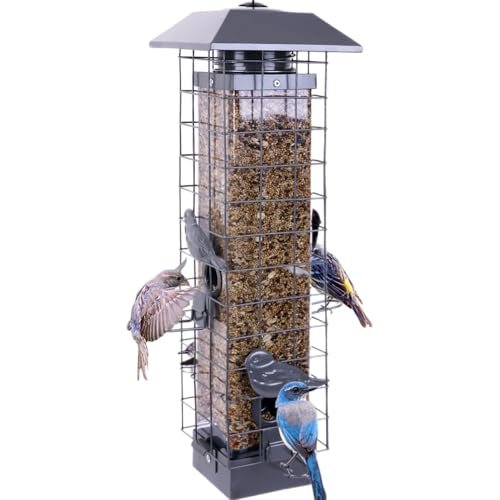
Technological approaches offer modern solutions to the squirrel problem. Ultrasonic devices emit sounds that scare squirrels away. These sounds are inaudible to humans, making them discreet and effective. Motion-activated sprinklers can surprise squirrels with a sudden spray of water. They quickly learn to avoid areas with these devices. Installing bird feeders with squirrel-proof designs can reduce their food sources. Some feeders spin or close when they detect a squirrel's weight. These technological tools can be a game-changer in keeping squirrels at bay.

Credit: www.pinterest.com
Environmental And Ethical Considerations
Exploring the use of Irish Spring soap to repel squirrels raises environmental and ethical questions. This method, while natural, may impact local wildlife. Understanding these effects is essential to ensure safe and respectful wildlife management.
When you use Irish Spring soap as a squirrel deterrent, it’s crucial to consider the environmental and ethical implications. While the soap may offer a temporary solution, its impact on local ecosystems and wildlife can be significant. You might wonder if this method aligns with your values and the broader commitment to preserving nature.
Impact On Wildlife
Irish Spring soap can affect more than just squirrels. Its scent, intended to repel squirrels, might also impact other animals. You may unintentionally create a barrier for creatures like birds and insects, which play vital roles in your garden's ecosystem. Moreover, the residue from soap can seep into the soil, potentially altering its chemical makeup. This change can affect plant health and the creatures that rely on those plants.
Sustainable Practices
Before resorting to Irish Spring soap, consider alternative methods that align with sustainable practices. Using natural deterrents like cayenne pepper or garlic spray can be effective without harming the environment. You might also explore planting certain flowers that naturally repel squirrels. These options support biodiversity rather than disrupt it. Think about how your actions today can shape the environment for future generations. Would you prefer to use methods that protect wildlife while keeping your garden safe? By considering these questions, you can make a choice that respects both nature and your ethical standards. When you take these considerations into account, your approach to pest control becomes part of a larger commitment to environmental stewardship. Every small action contributes to a healthier planet.
Frequently Asked Questions
What Is The Best Squirrel Repellent?
Use peppermint oil as a natural squirrel repellent. It deters squirrels with its strong scent. Apply it to cotton balls and place them around your garden or attic. Keep reapplying every few days for effectiveness.
What Animals Does Irish Spring Soap Keep Away?
Irish Spring soap can deter animals like deer, rabbits, and mice. Its strong scent repels them effectively. Placing soap shavings or whole bars in your garden or near entry points keeps these animals away. This method provides a natural and non-toxic solution for animal control.
What Smell Do Squirrels Hate The Most?
Squirrels hate the smell of peppermint, garlic, and vinegar the most. These scents act as natural repellents. Using them in gardens or around homes can deter squirrels effectively. Regular application ensures stronger results, keeping these creatures at bay. Try essential oils or sprays for best outcomes.
Is Irish Spring Soap A Rodent Repellent?
Irish Spring soap is not scientifically proven to repel rodents. Some people claim it works due to its strong scent. It's best to use proven rodent control methods for effective results.
Conclusion
Irish Spring soap might deter squirrels for a while. The scent can be strong. But squirrels often adapt quickly. They may return despite the smell. Using soap alone isn't foolproof. Combine it with other methods. Consider natural repellents or barriers.
Always monitor your garden regularly. Squirrels can be persistent. Stay observant. Try different strategies for the best results. Remember, each garden is unique. What works for one may not work for another. Experiment and see what fits your needs. Keep your garden protected and enjoy your space.
Happy gardening!