
Have you ever found yourself in a never-ending battle with ants invading your home or garden? You're not alone.
These tiny intruders can be incredibly persistent, and finding a natural way to keep them at bay is a common concern. Enter rosemary, the aromatic herb that's not just for cooking. But does rosemary really repel ants, or is it just another garden myth?
You're about to discover the truth behind this intriguing question. By exploring the connection between rosemary and ants, you might just find the perfect, natural solution to protect your space. Stay with us as we dive into the fascinating world of rosemary and its potential to keep those pesky ants away for good.
:max_bytes(150000):strip_icc()/GettyImages-1252110900-718fcf1eae97410f863c969bdac7fdd9.jpg)
Credit: www.thespruce.com
Rosemary And Its Properties
Rosemary, with its aromatic leaves, is known to deter ants effectively. Its strong scent overwhelms ants' senses, encouraging them to find alternative paths. Placing rosemary sprigs in areas frequented by ants can reduce infestations, providing a natural solution without harsh chemicals.
Rosemary is a fascinating herb with a myriad of uses, not just in the kitchen but also in pest control. This aromatic plant has long been touted for its ability to repel insects, particularly ants. Have you ever wondered why a simple herb could be a natural deterrent? Let's dive into the properties of rosemary and uncover its secret powers.
Overview Of Rosemary
Rosemary is an evergreen shrub native to the Mediterranean region. It’s renowned for its distinctive, needle-like leaves and woody aroma. Many people grow rosemary in their gardens for its beauty and culinary uses. But rosemary is more than just a pretty plant. It's been used for centuries for medicinal and aromatic purposes. You might have noticed its scent in essential oils or cleaning products. This aroma isn’t just pleasant to humans; it’s also what makes rosemary effective against ants.
Natural Compounds In Rosemary
The secret behind rosemary's ant-repelling properties lies in its natural compounds. The leaves contain oils such as camphor, cineole, and pinene. These compounds give rosemary its characteristic scent and act as natural insect deterrents. Ants rely heavily on scent trails for communication. When rosemary's strong aroma disrupts these trails, it confuses the ants and deters them from entering your home. Imagine your kitchen free of ants, thanks to a simple rosemary plant on your windowsill. Have you ever tried using rosemary in your home for pest control? If not, it might be worth a shot. A sprig of rosemary in strategic places can keep ants at bay without the need for harsh chemicals. Using rosemary is a safe and eco-friendly method to manage pests. Plus, you get the added benefit of having fresh rosemary at your fingertips for cooking. Why not give it a try and see if it works for you?
Ant Behavior And Attraction
Curious about keeping ants away naturally? Rosemary might be the answer. Its strong scent often repels ants, disrupting their trails and reducing their presence in homes and gardens. Placing rosemary plants or using rosemary oil can help maintain an ant-free environment.
Ants are fascinating creatures, often misunderstood due to their small size and persistent nature. Their behavior and attraction patterns are crucial to understanding how to manage them effectively, especially if you're considering natural repellents like rosemary. Let's dive deeper into the intricacies of ant behavior and what draws them into your living spaces.
Understanding Ant Behavior
Ants operate with a highly organized social structure. Each ant has a specific role, whether it's a worker, soldier, or queen, making their colonies efficient and resilient. They communicate using pheromones, leaving scent trails to guide others to food sources. This means that once one ant finds something tasty in your home, others will soon follow. Ants also display remarkable problem-solving skills. They can find their way around obstacles and adapt to changes in their environment. This adaptability is why they are common invaders in human habitats. Consider how ants can quickly swarm a picnic table or a kitchen counter, drawn by the slightest trace of food.
Common Attractants For Ants
Food, moisture, and warmth are the trifecta that attracts ants. Sugary substances, like the syrup from your morning pancakes, are especially appealing to them. Ants are also drawn to protein-rich foods, such as pet food left in bowls. Moisture plays a significant role in attracting ants. Leaky pipes or damp areas in your home can become hotspots for ant activity. These conditions not only provide hydration but also create an ideal environment for nesting. Consider the environment around your home as well. Overgrown vegetation, mulch, or woodpiles can serve as outdoor attractants. Ants often enter homes through tiny cracks, seeking the resources they need to sustain their colony. Understanding these behaviors and attractants can help you create an ant-free zone. Have you noticed any specific patterns in ant activity around your home? What changes can you make today to disrupt their habits?
Mechanism Of Repelling Ants
Rosemary is more than a fragrant herb. It acts as a natural ant repellent. This herb contains compounds that deter ants. Understanding its mechanism can help keep ants away.
How Rosemary Affects Ants
Rosemary emits a strong scent. This scent masks the pheromone trails ants follow. Without these trails, ants get lost. They struggle to find food sources. The herb's essential oils contain camphor and eucalyptol. These compounds are unpleasant to ants. They disrupt the ants' communication.
Scientific Studies And Evidence
Studies support rosemary's repellent properties. Research shows its essential oils deter ants. A study in a pest management journal confirmed this. Researchers tested rosemary oil against ants. The results were promising. Ants avoided areas with rosemary oil. This proves its effectiveness.
Additional studies highlight the same results. Scientists continue to explore rosemary's potential. Its natural properties make it a safe alternative. Rosemary offers a chemical-free solution to ant problems.
Credit: www.realhomes.com
Benefits Of Using Rosemary
Rosemary is more than just a fragrant herb used in cooking; it's also a natural solution for repelling ants. If you're tired of dealing with pesky ants invading your space, rosemary might be the answer you've been searching for. This herb offers a variety of benefits that make it a worthy addition to your pest control arsenal.
Eco-friendly Pest Control
Using rosemary for pest control is environmentally friendly. Unlike chemical sprays, rosemary doesn't harm the earth. You can sprinkle dried rosemary around entry points to keep ants at bay. It's a simple, yet effective method that protects your home without damaging the environment.
Imagine walking into your kitchen and not having to worry about toxic residues on surfaces. Rosemary's natural scent is pleasant and non-toxic, providing peace of mind. It's a small change that can make a big impact on your family's health and the planet.
Safe For Home Use
Safety should be a priority when dealing with pest control. Rosemary is safe for use around pets and children. You won't have to worry about harmful chemicals lurking in corners. Its safety is one of the reasons why many people prefer it over traditional methods.
Have you ever hesitated to use a product because of safety concerns? With rosemary, you can confidently use it in all areas of your home. Its gentle nature ensures that your loved ones are protected while effectively keeping ants at bay.
Consider the simplicity of growing your own rosemary plant. It’s a way to ensure you always have a fresh supply. Plus, it can add a touch of greenery to your living space. Why not enjoy the dual benefits of aesthetic appeal and pest protection?
What if you could tackle pest problems without sacrificing safety or sustainability? Rosemary offers a practical solution, proving that effective pest control doesn’t have to come with risks. Wouldn't you prefer a method that protects both your family and the environment?
Application Methods
Are you tired of ants invading your space? Rosemary might be your saving grace. Known for its aromatic charm, rosemary also boasts impressive ant-repelling qualities. But how do you harness this power effectively? Let's dive into practical application methods to keep ants at bay.
Essential Oil Solutions
Rosemary essential oil is a potent tool in your ant-repelling arsenal. Start by mixing a few drops with water to create a natural spray. Apply this mixture to common entry points like door frames and window sills. Ants detest the scent and will steer clear.
You can also add rosemary oil to cotton balls and place them strategically around your home. Think of spots where ants usually appear, like kitchen counters or near garbage bins. This simple method works wonders and keeps your home smelling fresh.
Have you ever tried adding rosemary oil to your cleaning routine? Adding a few drops to your mop water or cleaning solution can deter ants while maintaining a clean environment. It's a two-in-one bonus!
Homemade Sprays And Mixtures
Creating your own ant-repelling spray is easier than you might think. Combine rosemary with other natural ingredients like vinegar or lemon juice. This enhances the repelling effect and adds an extra layer of protection.
Mix equal parts water and vinegar, then add crushed rosemary leaves or a few drops of rosemary oil. Spray this mixture on ant trails and entry points. The powerful scent disrupts their paths and sends them packing.
If you enjoy DIY projects, try making rosemary sachets. Fill small cloth bags with dried rosemary and place them in problem areas. They not only repel ants but also act as decorative pieces.
Have you ever considered involving your family or friends in this DIY adventure? It’s a fun way to turn pest control into a bonding activity. Plus, you get to enjoy the satisfaction of crafting your own solutions.
Are you ready to take control of your space? Utilizing rosemary in these methods can help you create an ant-free home. Which method will you try first?
Comparing With Other Natural Repellents
Rosemary stands strong among natural ant repellents. Its aromatic oils create a barrier ants avoid. Compared to other herbs, rosemary's scent is more effective in deterring these pests.
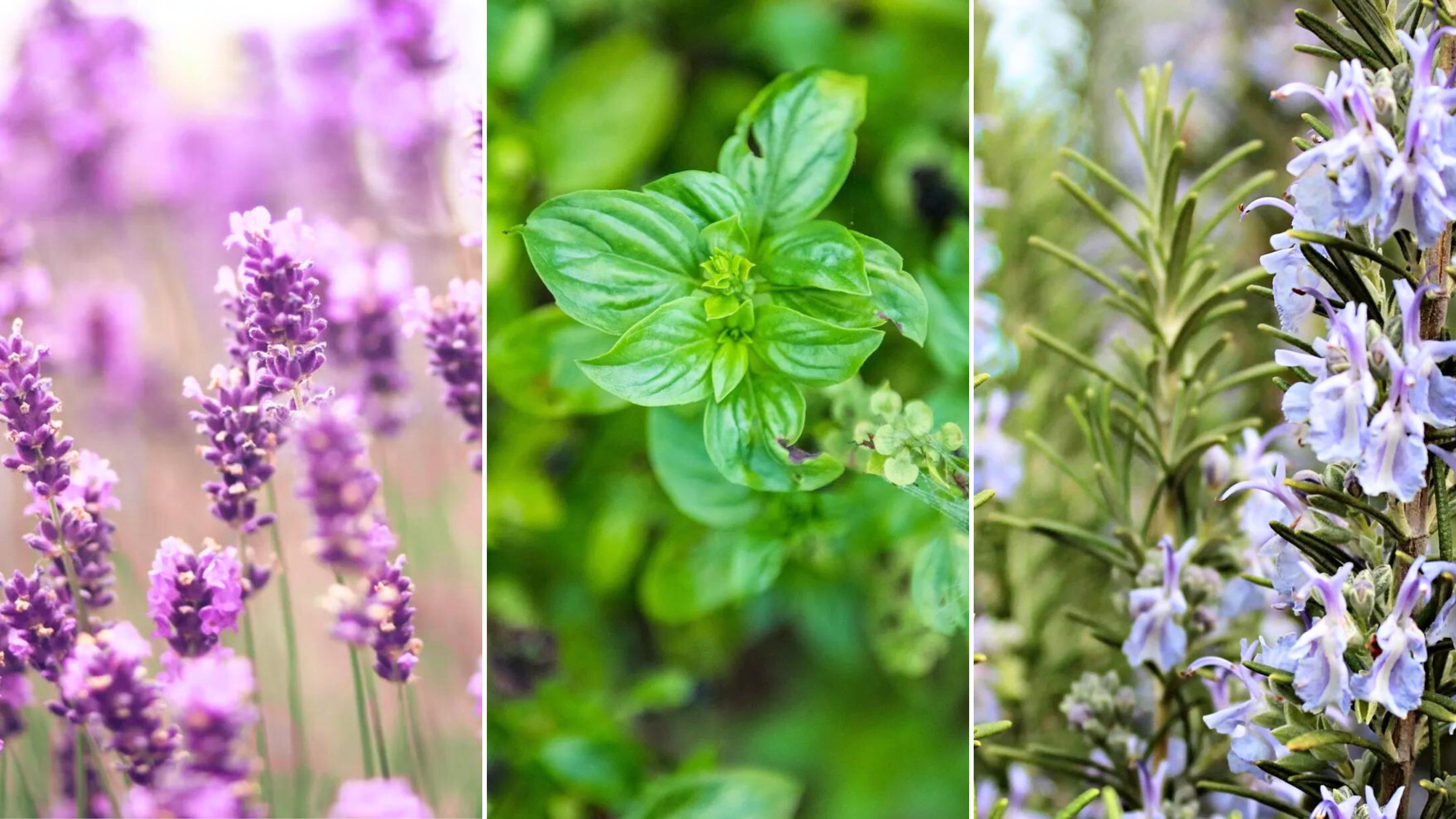
When you’re on a quest to keep ants at bay, natural repellents offer a safe and eco-friendly alternative to chemical solutions. Rosemary is often touted as an effective ant repellent, but how does it stack up against other natural options? Let’s dive into a comparison with some popular natural repellents like lavender, mint, and citrus oils. Understanding the strengths and weaknesses of each can help you choose the best solution for your home.
Lavender
Lavender is a beloved plant, known for its calming scent and vibrant purple flowers. But did you know it’s also a natural ant repellent? The essential oils in lavender can deter ants, making it a useful addition to your pest control strategy. Lavender works well when planted in gardens or used in sachets around the house. Ants dislike the strong aroma and tend to avoid areas where lavender is present. If you enjoy the scent of lavender, this could be a delightful way to keep ants away.
Mint
Mint is another powerful contender in the battle against ants. Its refreshing scent is pleasant to humans but repulsive to ants. Planting mint around your home or using mint oil can create a natural barrier against these pests. Have you ever crushed a mint leaf between your fingers? The strong aroma released is what ants can’t stand. This makes mint not only a great addition to your kitchen garden but also a practical ant deterrent.
Citrus Oils
Citrus oils, extracted from fruits like lemons and oranges, are a potent natural repellent. Ants are highly sensitive to the d-limonene compound found in citrus peels, which can disrupt their pheromone trails. Consider using citrus oils in a spray form to target ant entry points in your home. The fresh, clean scent of citrus oils is an added bonus, leaving your home smelling great while keeping ants out. Could this be the zesty solution you’ve been looking for? When comparing rosemary to these natural repellents, consider the unique benefits each offers. The choice between them can depend on your personal preferences and the specific ant problem you face. Have you tried any of these natural solutions before? Your experience might just guide you to a pest-free home.
Practical Tips For Home Use
Rosemary offers a natural method to repel ants. Its strong scent disrupts ant communication, making it an effective deterrent. Sprinkle rosemary leaves or use rosemary oil around entry points to keep ants at bay.
Have you ever wondered if rosemary can help keep ants out of your home? Rosemary, an aromatic herb, is well-known for its culinary uses, but it also holds potential as a natural pest deterrent. If you're tired of ants invading your space, these practical tips might just be what you need. Using rosemary can be an effective and eco-friendly method to keep those pesky insects at bay.
Creating Rosemary Barriers
One effective way to use rosemary is by creating barriers. Sprinkle dried rosemary leaves along windowsills, doorways, and any other entry points where ants are likely to come in. Ants dislike the strong scent of rosemary and will often avoid areas where it is present. You can also place small sachets filled with dried rosemary in cabinets or pantries. This not only deters ants but also adds a pleasant aroma to your storage areas. Consider replacing these sachets every few weeks to maintain their effectiveness.
Integrating Into Garden Spaces
Rosemary can be a great addition to your garden, serving both decorative and functional purposes. Plant rosemary around the perimeter of your garden as a natural barrier against ants. Its strong scent can help keep ants away from your plants. Another idea is to place potted rosemary plants near entry points to your home. They can act as a first line of defense, discouraging ants from even approaching your house. Plus, you'll have fresh rosemary on hand for cooking! Have you ever tried using rosemary in your home or garden? These practical methods are simple to implement and can make a noticeable difference. Why not give it a try and see how rosemary can benefit your living space?

Credit: www.homesandgardens.com
Frequently Asked Questions
What Bug Does Rosemary Repel?
Rosemary repels mosquitoes and flies effectively. Its strong aroma deters these pests, making it a natural insect repellent. Use rosemary in gardens or as essential oil to keep bugs away. This herb is both practical and aromatic for pest control.
What Is The Best Plant To Repel Ants?
Mint is the best plant to repel ants. Its strong scent deters them effectively. Plant mint near entry points or in pots. This natural method keeps ants at bay without using chemicals. Regularly trim the mint to maintain its potency.
What Smell Do Ants Hate The Most?
Ants hate the smell of vinegar, peppermint, and citrus. These strong odors disrupt their scent trails. Essential oils like tea tree and eucalyptus are also effective repellents. Placing these scents around entry points can deter ants from invading your space.
Keep your home ant-free with these natural solutions.
What Herb Makes Ants Go Away?
Mint repels ants effectively. Use fresh mint leaves or essential oil to deter ants naturally. Plant mint around your home or spray mint oil near entry points. Its strong aroma disrupts ant trails and keeps them away. This eco-friendly method is safe for homes with pets and children.
Conclusion
Rosemary can help keep ants away. Its strong scent confuses ants, making them avoid it. Plant rosemary near entry points in your home. This can reduce ant problems naturally. It's a simple and effective method. No harsh chemicals involved. You can enjoy a pest-free space while benefiting from rosemary's aroma.
Try it and see the difference. It's an easy step towards a cleaner home. Rosemary is not only for cooking. It’s a natural solution for ant control. Keep your space fresh and ant-free with this herb.