
Imagine enjoying a serene evening in your backyard, only to be interrupted by the relentless buzzing of mosquitoes. It’s a common annoyance, and you’re not alone in seeking a solution.
But what if you could keep those pesky insects at bay without resorting to chemical sprays that might not be safe for your furry friend? Enter dog-friendly mosquito repellent plants. These natural wonders not only enhance your garden’s beauty but also act as an effective barrier against mosquitoes, all while being safe for your beloved pet.
Curious to learn which plants can transform your outdoor space into a mosquito-free haven? You’re about to discover a selection of greenery that does just that. These plants are not only practical but also a delight to the senses, adding vibrant colors and pleasant scents to your garden. Stick around to find out how you can create a peaceful, mosquito-free environment that both you and your dog can enjoy. Your evenings are about to become a lot more pleasant. Ready to dive in? Let’s explore!
Benefits Of Mosquito Repellent Plants
Dog-friendly mosquito repellent plants offer many benefits to both pets and owners. These plants can protect your furry friends from pesky mosquito bites. They also enhance the beauty of your garden or backyard. Let's explore how these plants can improve your outdoor space.
1. Natural Protection Against Mosquitoes
Some plants naturally repel mosquitoes. They release scents that mosquitoes dislike. This keeps your outdoor area more comfortable. You can enjoy more time outside without constant mosquito bites.
2. Safe for Dogs
Many chemical repellents are harmful to dogs. Mosquito repellent plants offer a safe alternative. They provide protection without exposing pets to toxins. Your garden remains a safe space for them to play.
3. Low Maintenance
These plants require little care. They thrive in various climates and conditions. This makes them ideal for busy pet owners. You can enjoy their benefits with minimal effort.
4. Eco-Friendly Option
Growing mosquito repellent plants supports the environment. They reduce the need for chemical sprays. This benefits both your yard and the planet. It is a sustainable choice for mosquito control.
5. Enhances Garden Aesthetics
These plants add beauty to any garden. They come in various shapes and colors. This variety allows you to create a visually appealing space. Your garden will be both functional and attractive.
6. Improves Air Quality
Plants help clean the air. Mosquito repellent plants are no exception. They absorb pollutants and release oxygen. This improves the air quality around your home.

Credit: www.embassyofpakistanusa.org
Safe Plants For Dogs
Creating a dog-friendly garden that keeps mosquitoes at bay can be both rewarding and practical. The right plants not only enhance your garden's aesthetic but also ensure your furry friend is safe while frolicking around. Are you eager to find out which mosquito-repellent plants are safe for your beloved pet? Let's dive into the world of pet-friendly gardening.
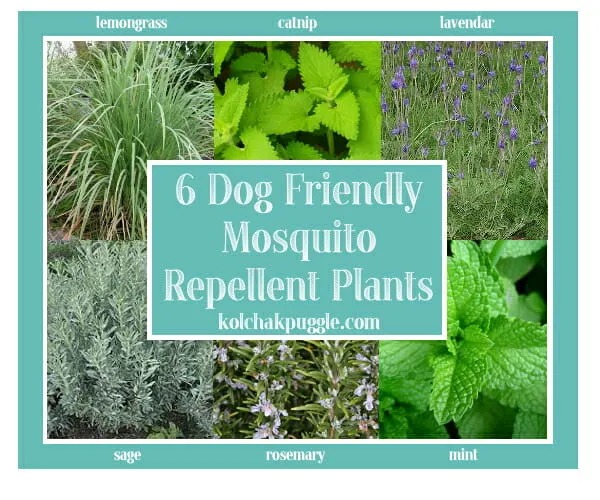
Lemongrass
Lemongrass is a fantastic addition to any garden. Its citrus scent is not only refreshing but also effective in repelling mosquitoes. Even better, it's safe for dogs, so you won't have to worry if your pup gets curious.
Have you ever noticed how your dog loves to sniff around new plants? With lemongrass, you can let them explore without any concern. Just plant it in a sunny spot and watch it thrive.
Basil
Basil is more than just a culinary delight. Its aroma can deter mosquitoes, making it a dual-purpose plant. It's non-toxic to dogs, which means it's a win-win for your garden and your pet.
Do you enjoy making fresh pesto? Having basil in your garden means you have a constant supply while also keeping those pesky insects at bay. Plus, your dog can safely wander around its fragrant leaves.
Rosemary
Rosemary is a robust herb that's easy to grow. Its woody scent is disliked by mosquitoes but loved by many gardeners. What's great is that it's safe for dogs, allowing them to roam freely without risk.
Imagine relaxing in your garden, the scent of rosemary wafting through the air, knowing your dog is safe and sound. It's these small joys that make gardening worthwhile.
Catnip
You might associate catnip with cats, but did you know it repels mosquitoes too? It's harmless to dogs and provides a playful distraction for your feline friends.
Have you ever considered how plants can serve multiple purposes? With catnip, you're not only protecting your garden from mosquitoes but also creating a playful environment for your pets. Now that's smart gardening!
Incorporating these plants into your garden can transform it into a safe haven for both you and your dog. By choosing the right plants, you ensure that your garden is as welcoming to your pets as it is unfriendly to mosquitoes. What plants will you try first?
Citronella Grass
Citronella grass stands out as a natural mosquito repellent that's safe for dogs. Its citrus scent keeps pesky insects away without harming pets. Planting citronella grass in your garden creates a pet-friendly environment free from mosquitoes.
Citronella Grass is a popular choice for mosquito control. It is known for its distinct lemony scent. This scent masks odors that attract mosquitoes. Many people use citronella grass in their gardens for its pest-repelling properties. It's not just effective but also safe for dogs.
Growing Tips
Citronella Grass thrives in warm climates. Plant it in an area with full sun. It needs well-drained soil to grow healthily. Keep the soil moist but avoid overwatering. Space plants about 18 inches apart. This ensures good air circulation. Trim regularly to keep it tidy. This enhances its mosquito-repelling abilities. Use organic fertilizers for better growth.
Safety For Pets
Citronella Grass is safe for dogs. It poses no toxic risk when touched. Dogs can roam around freely without harm. Ingesting large amounts might cause mild symptoms. These include stomach upset or irritation. Keep an eye on curious pets. It's rare for dogs to eat it excessively. Overall, it's a great addition to pet-friendly gardens.
Lavender
Lavender serves as a natural mosquito repellent and is safe for dogs. Its pleasant scent keeps mosquitoes away. Planting lavender in your garden creates a dog-friendly environment, free from pesky insects.
Lavender is a delightful addition to any garden, especially if you're looking for dog-friendly mosquito repellent plants. With its soothing fragrance and vibrant purple blooms, lavender not only elevates the aesthetic of your outdoor space but also serves as a natural deterrent for pesky mosquitoes. It's a favorite among pet owners who want a safe environment for their furry friends.
Plant Care
Lavender thrives in sunny locations. Consider placing it in a spot where it can bask in full sunlight for most of the day. Watering is straightforward. Lavender prefers well-drained soil and doesn't need frequent watering. Let the soil dry between watering sessions. Regular pruning encourages growth and keeps the plant healthy. Trim the blooms after flowering to promote more blossoms.
Pet-friendly Aspects
Lavender is non-toxic to dogs. Its gentle nature means your curious pup can sniff and explore without harm. Its calming scent might even help soothe anxious pets. Many pet owners notice a more relaxed atmosphere when lavender is present. Have you ever seen your dog lounging nearby while you garden? Lavender's aroma may be inviting for them too, creating a serene environment for both you and your pet. If mosquitoes are a nuisance, lavender’s natural repellent properties can offer relief. Imagine sitting outside with your dog, enjoying the evening without the constant buzz of mosquitoes. Have you considered adding lavender to your garden? It could be the perfect choice for a peaceful, mosquito-free, and pet-safe sanctuary.
Rosemary
Rosemary is more than just a fragrant herb for your kitchen; it’s a fantastic natural mosquito repellent that’s safe for your furry friend. Imagine having a garden that not only adds flavor to your meals but also keeps pesky mosquitoes at bay. Plus, it's safe for dogs, which means you can enjoy a mosquito-free space without worrying about your pet's health.
Cultivation Tips
Growing rosemary is a straightforward task that can be rewarding. Start with a sunny spot in your garden, as rosemary loves light. Ensure the soil drains well to prevent root rot, which can be a common problem.
Water your rosemary sparingly. It prefers to be on the drier side, much like a succulent. If you’re planting it in pots, make sure they have drainage holes. You’ll find that rosemary thrives in pots, making it perfect for apartment balconies.
Have you tried trimming your rosemary? Regular pruning encourages bushy growth and keeps it healthy. Don’t be afraid to clip a few sprigs to use in your cooking. It’s a win-win situation!
Dog Safety
Rosemary is considered safe for dogs, which is great news for pet owners. While it’s non-toxic, moderation is key. Ensure your dog doesn’t consume large quantities, as it could upset their stomach.
Think about how your dog interacts with plants. Is your dog likely to munch on leaves? If not, rosemary is a perfect addition to your garden. Its strong scent often deters dogs from eating it.
Observe your dog’s behavior around new plants. Some dogs might be curious, while others may ignore them completely. This natural curiosity can be a good indicator of how well rosemary will fit into your garden.
Would you consider adding rosemary to your garden? It's a practical choice that combines aesthetics with functionality. Enjoy the dual benefits of a mosquito-free space and a happy, healthy dog.
Credit: sitmeanssit.com
Marigolds
Marigolds are vibrant and colorful plants. They are known for their strong scent and insect-repelling properties. These flowers are not only beautiful but also beneficial for pet owners. Marigolds can help keep mosquitoes away, making your garden a safer place for dogs.
Planting Guidelines
Choose a sunny spot for marigolds. They thrive in full sun. Ensure the soil is well-drained. Water the plants regularly, but avoid overwatering. Space the plants about 6 inches apart. This allows room for growth. Deadhead wilted flowers to encourage new blooms. Use organic fertilizer for healthy plants. Protect from harsh winds to prevent damage.
Benefits For Pets
Marigolds emit a scent that repels mosquitoes. This can reduce mosquito bites on dogs. The plants are non-toxic to pets. So, they are safe around curious pups. Marigolds can improve your garden's aesthetic. Bright flowers add a cheerful touch. The plants can also deter other pests. This creates a more pet-friendly environment.
Basil
Basil is a popular herb known for its aromatic leaves. It not only enhances culinary dishes but also repels mosquitoes. This plant is safe for dogs and adds beauty to your garden. Its scent confuses mosquitoes, keeping them at bay. Basil is a simple yet effective solution for pet owners wanting a mosquito-free space.
Growing Conditions
Basil thrives in warm weather. Ensure it receives six to eight hours of sunlight daily. Well-drained soil is crucial for healthy growth. Water the plant regularly but avoid over-watering. Basil grows best in temperatures between 70°F and 85°F. For indoor growth, place it near a sunny window.
Pet Safety Measures
Basil is non-toxic to dogs, making it safe for gardens. Dogs can roam freely without risk of poisoning. Ensure no harmful pesticides are used on basil plants. Organic fertilizers are a safer option. Monitor your dog's interaction with the plant. While safe, too much consumption might cause mild stomach upset.
Lemon Balm
Lemon balm offers a natural mosquito repellent option that is safe for dogs. Its pleasant scent keeps mosquitoes away while adding greenery to outdoor spaces. Easy to grow, lemon balm is ideal for pet-friendly gardens.
Lemon Balm: A Natural Mosquito Repellent for Your Dog-Friendly Garden Lemon Balm is not just a pretty face in your garden; it's a powerhouse of benefits. Known for its citrusy scent, this plant is a natural way to keep mosquitoes at bay. If you're someone who loves spending time outdoors with your furry friend, planting lemon balm could be a game-changer for you. Imagine sitting in your backyard without swatting away mosquitoes every few seconds. Lemon balm is easy to grow and can thrive in various conditions. It’s a perennial herb that can be harvested to make teas or used in cooking. But more importantly, it’s safe for your dog, unlike many chemical repellents. Have you ever wondered about the perfect balance between a pet-friendly and insect-free garden? Lemon balm might just be the answer.
Care Instructions
Growing lemon balm is straightforward. It prefers well-drained soil and can flourish in both sun and partial shade. Make sure you water it regularly, especially during dry spells. However, avoid overwatering as it can lead to root rot. Pruning is essential to keep the plant healthy. Trim it back after flowering to promote new growth. You'll notice that cutting it back rejuvenates the plant, making it bushier.
Interaction With Pets
Lemon balm is generally safe for dogs, but it's always good to monitor your pet's interaction with the plant. Some dogs may be curious and start chewing on the leaves. While it's non-toxic, excessive consumption might lead to mild digestive issues. Introduce lemon balm gradually into your garden. Observe your dog's behavior and see if they are drawn to it. You might be surprised to see how indifferent they are, preferring the grass instead. Would you like to create a garden that's both mosquito-free and safe for your pets? Lemon balm is worth considering. It's not just a plant; it's a solution to a common problem many pet owners face.
Placement And Arrangement
Creating a garden with dog-friendly mosquito repellent plants requires thoughtful placement and arrangement. Choosing the right spot for these plants can enhance their effectiveness. Proper arrangement ensures your garden is both functional and beautiful. Let's explore how to design an optimal garden layout and create safe zones for your dogs.
Optimal Garden Design
Designing a garden involves strategic planning. Place taller plants at the back to create a layered look. This allows smaller plants to receive sunlight. Align plants like marigolds and lavender in rows. This enhances their mosquito-repelling properties. Consider wind direction. Position plants where breezes can carry their scent across the yard. This maximizes their mosquito-repelling effect.
Avoid overcrowding. It reduces air circulation and plant health. Spread plants evenly for better growth and effectiveness. Use stones or small fences to define plant areas. It adds structure and appeal to your garden. Regular maintenance ensures plants remain healthy and effective. Trim and water plants to keep them vigorous.
Safe Zones For Dogs
Creating safe zones for dogs ensures they roam freely without harm. Select non-toxic plants like basil and rosemary. These are safe if dogs nibble on them. Arrange plants in areas where dogs play often. Avoid placing plants with thorns or sharp edges. They can injure dogs.
Use mulch or soft ground cover in play areas. It keeps the ground comfortable for dogs. Ensure water bowls and toys are accessible. This keeps dogs occupied and away from plants. Designate shaded areas with tall plants. Dogs can relax there during hot days. Regularly check the garden for harmful insects. Keep the area safe and pleasant for dogs.
Credit: kolchakpuggle.com
Additional Tips For Pest Control
As a pet owner, you want to ensure that your garden is both beautiful and safe for your furry friends. Dog-friendly mosquito repellent plants are a fantastic start, but they might not be enough on their own. To effectively keep pests away, consider additional tips for pest control that enhance the natural benefits of these plants. Here are some practical ways to maximize your garden’s pest control potential.
Natural Repellent Recipes
Have you ever tried making your own mosquito repellent? It’s easier than you might think. Combine essential oils like lemon eucalyptus or lavender with water in a spray bottle. These oils are known for their mosquito-repelling properties and are safe for dogs.
Another simple recipe includes crushed garlic mixed with water. You can spray this around your plants. While garlic may not be a favorite scent, mosquitoes find it repulsive.
Experiment with different combinations to find what works best for your garden. Always test a small area to ensure no adverse reactions occur.
Integrating Plants With Other Methods
Plants alone can do wonders, but why not boost their effectiveness? Consider adding citronella candles around your garden. They complement the mosquito-repelling plants and create a pleasant ambiance.
If you have a pond or birdbath, adding mosquito dunks can prevent mosquito larvae from thriving. These are safe for pets and wildlife.
How about using fans? Mosquitoes struggle to fly in strong winds. Setting up fans in your outdoor areas can keep these pesky insects at bay.
Think about what combination of methods will work best for your space. What’s your go-to strategy for keeping mosquitoes away?
Remember, creating a pest-free environment doesn't mean sacrificing beauty or safety. With a mix of natural recipes and methods, your garden can be a serene haven for both you and your dog.
Frequently Asked Questions
What Mosquito Repellent Plant Is Safe For Dogs?
Lemon balm and catnip are safe mosquito repellent plants for dogs. They naturally deter mosquitoes while being non-toxic. Plant these in your garden to protect your pets. Always ensure your dog doesn't ingest large amounts of any plant. Consult your vet for personalized advice.
What Is The Best Natural Mosquito Repellent For Dogs?
Lemon eucalyptus oil is an effective natural mosquito repellent for dogs. Dilute it with water before use. Lavender and peppermint oils also work well. Always consult a vet before applying any essential oil to ensure safety for your dog.
What Is The Number One Plant That Repels Mosquitoes?
Citronella is the top plant for repelling mosquitoes. Its strong aroma masks scents that attract mosquitoes. Plant citronella in your garden or pots for best results. It is easy to grow and adds beauty to your outdoor space.
Can I Rub Citronella Plant On My Dog?
Rubbing citronella on dogs is not recommended. It can irritate their skin and cause allergic reactions. Always consult your vet before using any essential oils or plants on pets. Consider safer alternatives specifically designed for dogs to repel insects.
Conclusion
Choosing dog-friendly mosquito repellent plants is smart and safe. These plants keep mosquitoes away without harming pets. They create a pleasant garden environment. Easy to grow and care for. Perfect for outdoor spaces. Enjoy peace of mind knowing your pets are safe.
Make your garden a haven for relaxation and play. Let natural solutions work for you. Embrace a greener lifestyle with these helpful plants. Keep pests at bay while nurturing a pet-friendly habitat. Mosquito-free and pet-safe spaces are achievable. Discover the balance between beauty and function.
Your garden can thrive, pet-friendly and mosquito-free.