Imagine your garden bursting with vibrant colors and lush greenery, where every plant thrives and flourishes. Your dogwood tree, with its stunning blossoms and graceful branches, stands as the centerpiece of this natural masterpiece.
But to achieve this vision, your dogwood tree needs a little extra care. This is where dogwood tree fertilizer spikes come into play. Have you ever wondered how to give your dogwood tree the nutrients it needs without the hassle of mixing and measuring?
These simple, yet effective spikes might be the game-changer you've been looking for. Designed to deliver essential nutrients directly to the roots, they ensure your tree receives the nourishment it needs to grow strong and healthy. Curious to learn how these tiny spikes can make such a big difference? Stay with us, and you'll discover the secrets to transforming your garden into a thriving paradise, with your dogwood tree stealing the show. Let's dive into how you can effortlessly boost your tree's health and beauty, creating a landscape you'll love and admire every single day.
Choosing The Right Fertilizer Spikes
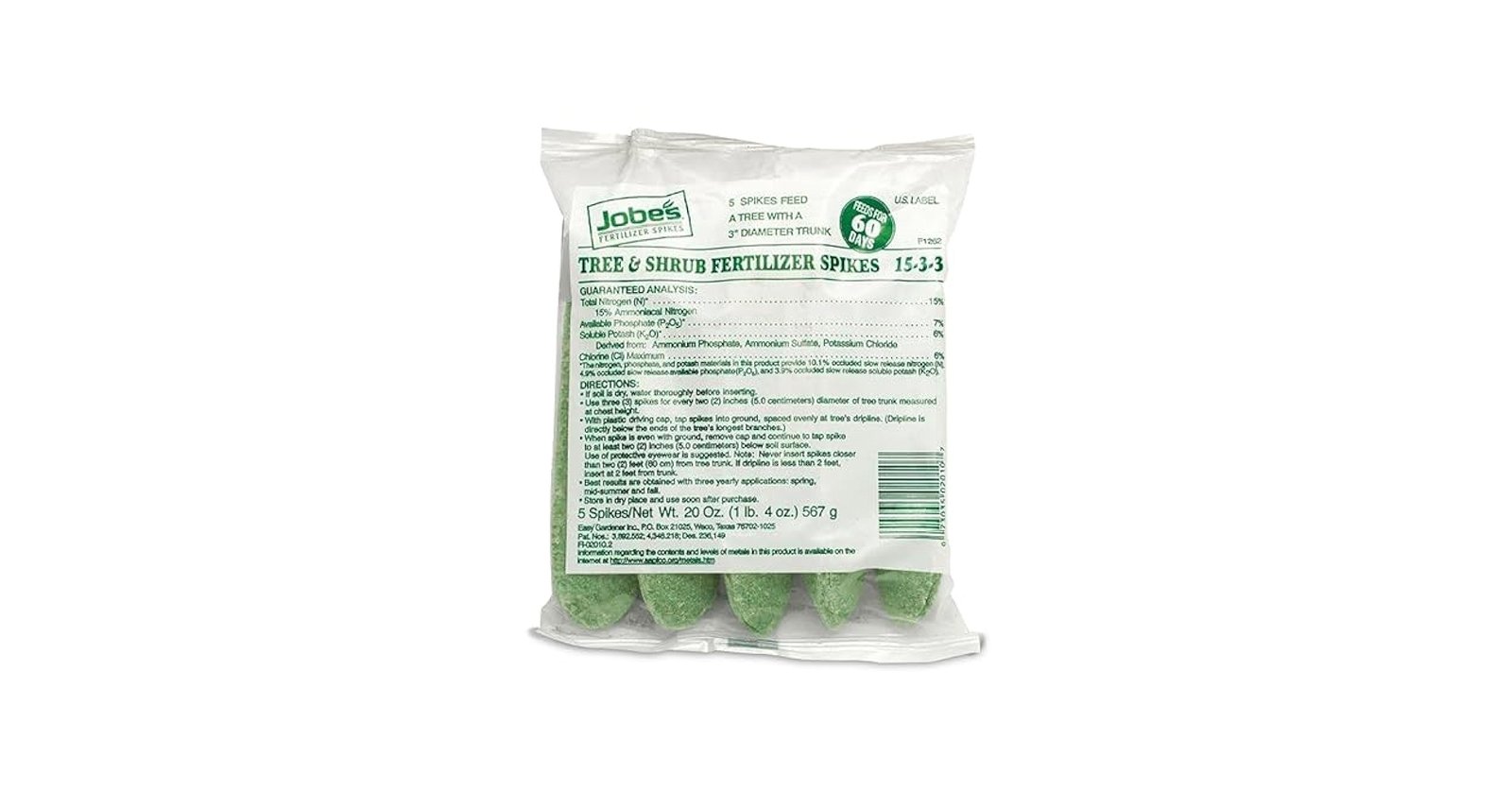
Dogwood tree fertilizer spikes offer a convenient solution for nourishing these beautiful trees. They release nutrients slowly, promoting healthy growth and vibrant blooms. Choose spikes specifically designed for dogwood trees for optimal results.
Choosing the Right Fertilizer Spikes Selecting the perfect fertilizer spikes for your dogwood tree can make a world of difference in its health and vibrancy. You might wonder, with so many options available, how do you decide which is best? Let's dive into the types and differences to help make your decision a bit easier.
Types Of Fertilizer Spikes
Fertilizer spikes come in a variety of types, each designed to cater to different plant needs. Some spikes are crafted specifically for flowering trees like the dogwood, providing nutrients that enhance blooms. Others are more general-purpose, offering a balanced nutrient mix for various tree types. Consider the specific needs of your dogwood tree. Is it struggling with growth, or are you aiming for more vibrant blossoms? Understanding this can guide you toward the right type of spike.
Organic Vs. Synthetic Options
When it comes to choosing between organic and synthetic fertilizer spikes, each has its own advantages. Organic spikes are made from natural materials and are often preferred for their environmental friendliness. They release nutrients slowly, improving soil health over time. Synthetic spikes, on the other hand, are formulated to deliver nutrients quickly, giving your dogwood a fast boost. They are usually more concentrated and can be a quick fix if your tree needs immediate attention. Have you ever tried both types? You might find that one works better for your specific gardening style and goals. Remember, the choice between organic and synthetic doesn't have to be permanent. You can experiment and switch based on what you observe in your tree's health and growth. Ultimately, the best fertilizer spikes are those that align with your dogwood tree's needs and your gardening philosophy. Consider trying a few options to see what works best, and don't be afraid to adjust as necessary. Your dogwood will thank you for the attention and care.

Credit: www.amazon.com
Benefits Of Using Fertilizer Spikes
Dogwood Tree Fertilizer Spikes offer targeted nourishment, ensuring healthy growth and vibrant blooms. Easy to use, they provide essential nutrients directly to the root zone. This method supports stronger root systems and improves plant health with minimal effort.
Benefits of Using Fertilizer Spikes Dogwood trees benefit greatly from fertilizer spikes. They offer a convenient and effective way to nourish your trees. Fertilizer spikes provide essential nutrients directly to the roots. This helps your dogwood trees grow healthy and strong.
Enhanced Nutrient Delivery
Fertilizer spikes ensure nutrients reach the root zone. This is crucial for healthy tree growth. The spikes dissolve slowly, releasing nutrients over time. This steady release prevents nutrient overload. It also minimizes waste. Your dogwood trees get a consistent nutrient supply.
Promotes Root Development
Strong roots are vital for a tree's health. Fertilizer spikes encourage root growth. They supply essential nutrients directly to the root zone. This access supports robust root development. A strong root system helps the tree withstand stress. It also improves overall vitality. Using fertilizer spikes can lead to healthier dogwood trees. They simplify the process of tree care. With proper nutrients, your trees will thrive.
Application Techniques
Ensuring your dogwood trees thrive requires more than just sunlight and water; the right fertilizer spikes can make all the difference. These concentrated sources of nutrients are easy to use and incredibly effective, but applying them correctly is crucial to unlocking their full potential. Let's dive into the specific application techniques that will help your dogwood trees flourish.
Proper Placement
Think about where the roots of your dogwood tree spread. Fertilizer spikes should be placed near the drip line, which is the area beneath the outer circumference of the tree's branches. This is where the roots are most active and can readily absorb nutrients.
Position the spikes about 2 feet apart for larger trees and 1 foot apart for smaller ones. This ensures an even distribution of nutrients. Remember, the closer you place the spikes to the trunk, the less effective they become.
Have you ever noticed your tree isn’t growing as expected despite regular fertilization? Improper placement might be the culprit. Adjusting the position of your spikes can make a noticeable difference in your tree’s growth and health.
Optimal Timing For Application
Timing is everything when it comes to fertilizing your dogwood trees. Apply the spikes in early spring before new growth starts and again in late fall. This schedule aligns with the tree’s natural growth cycles, maximizing nutrient uptake.
Spring application prepares the tree for the vigorous growing season ahead, while fall fertilization helps replenish nutrients lost during the active months. Have you tried fertilizing in midsummer? You might find that the tree doesn’t respond as well since it’s focused more on sustaining rather than growing.
Ask yourself, are you aligning your fertilization schedule with the natural rhythms of your dogwood tree? Adjusting timing can lead to healthier, more vibrant trees that enhance your garden’s beauty.
Common Mistakes To Avoid
Fertilizing dogwood trees can enhance their growth and appearance. Yet, many make mistakes that hinder the trees’ health. Awareness of these mistakes helps ensure your dogwood thrives.
Over-fertilization Risks
Too much fertilizer harms dogwood trees. It can burn roots, causing damage. Signs include yellowing leaves and stunted growth. Use the right amount of fertilizer spikes. Read instructions carefully before application.
Ignoring Soil Conditions
Soil conditions greatly affect dogwood health. Not all soils need the same nutrients. Conduct a soil test to understand its composition. This helps in choosing the right fertilizer spikes.
Also, consider the tree’s current health. If your dogwood is healthy, less fertilization may be needed. Adjust your approach based on its needs.
Monitoring Tree Health
Enhancing dogwood tree health is easy with fertilizer spikes. These spikes provide essential nutrients directly to the roots. Regular use ensures vibrant growth and resistance to pests.
Monitoring the health of your Dogwood tree is crucial. Fertilizer spikes can be effective, but observing the tree's response is vital. Regular checks help ensure the tree grows strong and vibrant. Look for signs of healthy growth and identify any nutrient deficiencies. This proactive approach helps maintain the tree's overall well-being.
Signs Of Healthy Growth
Healthy Dogwood trees display vibrant green leaves. The foliage should be lush without any discoloration. New branches and buds indicate good growth. Check the bark for smoothness and consistency. Flowers should bloom regularly in season. These are all positive signs of a thriving tree.
Identifying Nutrient Deficiencies
Yellowing leaves could indicate a nitrogen deficiency. Sparse flowering might suggest lack of phosphorus. Wilted leaves could mean insufficient potassium. Discolored bark may point to micronutrient issues. Observing these signs helps diagnose nutrient shortages. Addressing them promptly ensures tree health. Regular monitoring prevents long-term damage.

Credit: www.amazon.com
Long-term Care Strategies
Fertilizer spikes support dogwood tree growth with essential nutrients. Easy to use, they slowly release nourishment into the soil. Improve tree health and vitality by ensuring the right balance of minerals.
Caring for your dogwood tree is a year-round commitment that goes beyond just planting and watering. Long-term care strategies ensure your tree remains healthy and vibrant, enhancing its beauty and longevity. By understanding the importance of seasonal adjustments and complementary care practices, you can provide the optimal environment for your dogwood to thrive.
Seasonal Adjustments
Each season brings unique challenges and opportunities for your dogwood tree. During spring, focus on fertilization and ensure spikes are placed at the right distance from the trunk to promote even nutrient distribution. Summer calls for consistent watering, especially during dry spells, to prevent stress and ensure lush foliage. In autumn, it's crucial to prepare your tree for the colder months. Consider adding a layer of mulch around the base to protect the roots from frost. Winter is the time to inspect for any damage caused by cold weather and prune dead branches to encourage new growth in spring.
Complementary Care Practices
Fertilizer spikes are just one piece of the care puzzle. Regular pruning helps maintain shape and encourages healthy growth. Always use sharp tools to make clean cuts, which heal faster and reduce the risk of disease. Pay attention to pest control. Dogwoods can be susceptible to pests like borers and aphids. Early detection and natural remedies can often prevent these issues from becoming serious. Consider companion planting. Certain plants, like marigolds, can deter pests naturally and enhance the soil quality around your dogwood. Are you giving your dogwood the attention it deserves? By incorporating these strategies into your routine, you can enjoy a flourishing tree that adds charm and elegance to your landscape year after year.

Credit: www.amazon.com
Frequently Asked Questions
What Is The Best Fertilizer For Dogwood Trees?
Use a balanced 10-10-10 fertilizer for dogwood trees. Apply in early spring for best growth. Avoid over-fertilizing to prevent root damage. Organic compost can also enhance soil health and tree vitality. Regularly check soil pH and moisture to ensure optimal tree health.
When Should I Fertilize My Tree With Spikes?
Fertilize your tree with spikes in early spring or late fall. Ensure the ground is moist before application. This timing provides essential nutrients during growth or dormancy. Avoid fertilizing during hot, dry periods to prevent stress on the tree. Proper timing ensures healthy growth and development.
Can You Fertilize Dogwood Trees In The Fall?
Fertilizing dogwood trees in fall is not recommended. Fall fertilization can lead to weak growth. It's better to fertilize in spring, promoting healthy growth during the growing season. Use a balanced fertilizer formulated for trees to ensure proper nutrient supply.
Always follow guidelines for application rates and timing.
What Happens If You Put Fertilizer Spikes Too Close To A Tree?
Placing fertilizer spikes too close can damage tree roots. It may lead to root burn and hinder growth. Always position spikes at the drip line to ensure safe nutrient absorption. This prevents harm and supports healthy tree development.
Conclusion
Dogwood tree fertilizer spikes offer a simple way to nourish trees. They provide essential nutrients, ensuring healthy growth. These spikes are easy to use and effective. Just place them near the tree roots. Nutrients release slowly, feeding the tree over time.
This helps the tree thrive and blossom. Regular use leads to stronger, vibrant trees. Consider trying these spikes for your dogwood trees. Your garden will thank you with beautiful blooms. Enjoy the lush greenery and vibrant flowers. It's a small effort with great rewards.
Happy gardening!