
Are you curious about the best way to invite bats into your backyard? If so, you're in the right place.
Understanding how high to put a bat house can make all the difference in attracting these fascinating creatures. Not only do bats provide natural pest control, but they also play a vital role in our ecosystem. By placing your bat house at the optimal height, you can create a welcoming environment that encourages them to settle in.
Imagine a garden with fewer mosquitoes and more biodiversity. Intrigued? Keep reading to discover the secrets to perfectly positioning your bat house and transform your outdoor space into a thriving habitat.

Importance Of Bat Houses
Bats play a vital role in ecosystems. They control insect populations naturally. Encouraging bats to inhabit your area helps reduce pests. Bat houses provide a safe shelter for them. These structures protect bats from predators and harsh weather. Placing bat houses correctly increases their effectiveness and benefits.
Why Bats Need Protection
Bats face many threats today. Habitat loss is a major issue. Urban expansion destroys natural roosting sites. Bat houses offer alternative shelter. They help preserve local bat populations. Bats contribute to biodiversity. Their presence indicates a healthy environment.
Benefits Of Having Bats Around
Bats eat many insects, reducing the need for pesticides. This helps protect crops and gardens. Farmers benefit from having bats nearby. Bats also aid in pollination. Some plants rely on bats for reproduction. The presence of bats supports ecological balance.
Encouraging Bat Conservation
Providing bat houses supports conservation efforts. It raises awareness about bat protection. People learn about the importance of bats. Bat houses are easy to install. They require minimal maintenance. Supporting bats can be simple and rewarding.
Choosing The Right Bat House Design
Bat house design affects its success. Choose a design suitable for your region. Ensure proper ventilation and space. The material should be durable. A well-designed bat house attracts more bats. Consider local climate conditions for best results.
Choosing The Right Location
Choosing the right location for your bat house is crucial. Bats are beneficial creatures, and giving them a suitable home helps them thrive. Finding the best spot ensures they feel safe, comfortable, and ready to settle. Let's explore the factors influencing the ideal placement of a bat house.
Proximity To Water Sources
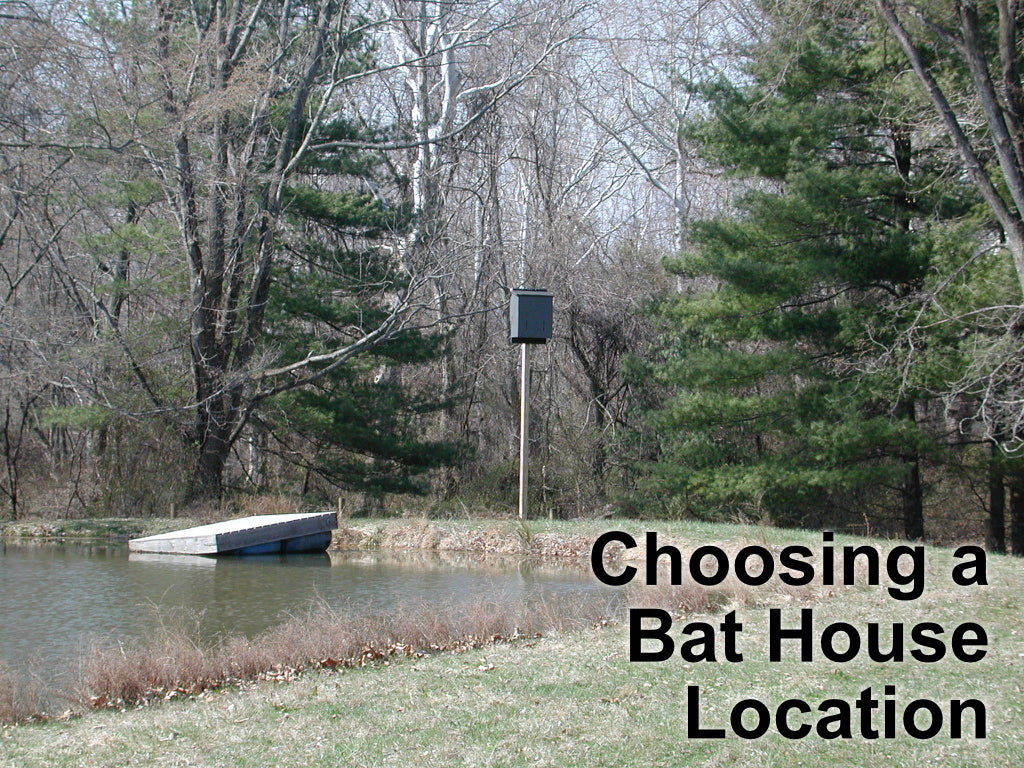
Bats often hunt near water sources. Installing a bat house close to rivers or ponds attracts them. Water provides food like insects. A location near water makes it easier for bats to find nourishment. Aim for a spot within 1,500 feet of a water source.
Avoiding Predators
Bats need protection from predators. Choose a spot away from tall trees where owls perch. Place the bat house at least 12 to 20 feet high. This height keeps bats out of reach from ground predators. Ensure there are no obstacles for bats to fly freely.
Recommended Heights For Bat Houses
Positioning a bat house at the right height is crucial. Bats prefer certain heights for roosting and safety. Correct placement enhances bat attraction and habitat suitability. Understanding the recommended heights ensures your bat house serves its purpose effectively.
Minimum Height Requirements
Install the bat house at least 12 feet off the ground. This height deters predators from reaching the bats. It also keeps the bats safe from curious animals. Lower heights can make bats vulnerable. Safety is a key factor in choosing the minimum height. Ensure the area has clear flight paths for easy bat access.
Ideal Height Range
A height between 15 to 20 feet is optimal for bat houses. This range offers safety and comfort for bats. Higher placements can improve temperature regulation inside the house. Bats prefer warmer environments, which elevated heights can provide. The ideal height enhances bat colony success and house longevity.
Environmental Considerations
Placing a bat house requires understanding of the environment. Bats need specific conditions to thrive. These conditions affect where and how high to place a bat house. Consider the surrounding environment for the best results.
Impact Of Weather Conditions
Weather plays a crucial role in bat house placement. Heavy winds can make the structure unstable. Choose a location shielded from strong gusts. Also, consider rainfall. Bats need a dry shelter. Ensure the house is positioned to avoid water accumulation. The house should have proper drainage.
Sunlight And Shade Balance
Bats prefer a balance of sunlight and shade. Morning sunlight is beneficial. It helps maintain warmth inside the bat house. Too much sunlight can overheat it. Place the bat house where it receives partial sun. Avoid areas with full-day exposure. Monitor the temperature inside the house. Adjust placement if necessary.
Installation Tips
Installing a bat house in your backyard is a fantastic way to promote ecological balance and pest control. However, the success of attracting bats to your bat house largely depends on how well it's installed. You might wonder: how high should it be? What direction should it face? Let’s dive into some practical installation tips to ensure your bat house becomes a cozy home for these helpful creatures.
Securing The Bat House
Ensuring your bat house is securely mounted is crucial. A flimsy installation could deter bats from settling. Use durable materials like wood or metal for mounting. Consider using screws and brackets for a sturdy hold. If you’ve ever dealt with a shaky shelf, you know the importance of solid support. The same principle applies here!
Choose a location that's away from obstructions. Bats need a clear flight path to easily access their new home. Avoid placing the house near branches or wires. Think about how you’d feel navigating through a cluttered hallway—bats prefer open skies.
Orientation For Optimal Use
Getting the orientation right can make all the difference. Aim for the bat house to face south or southeast. This direction maximizes sun exposure, keeping the house warm. Bats love warm environments; it’s like choosing a sunny spot on a chilly day.
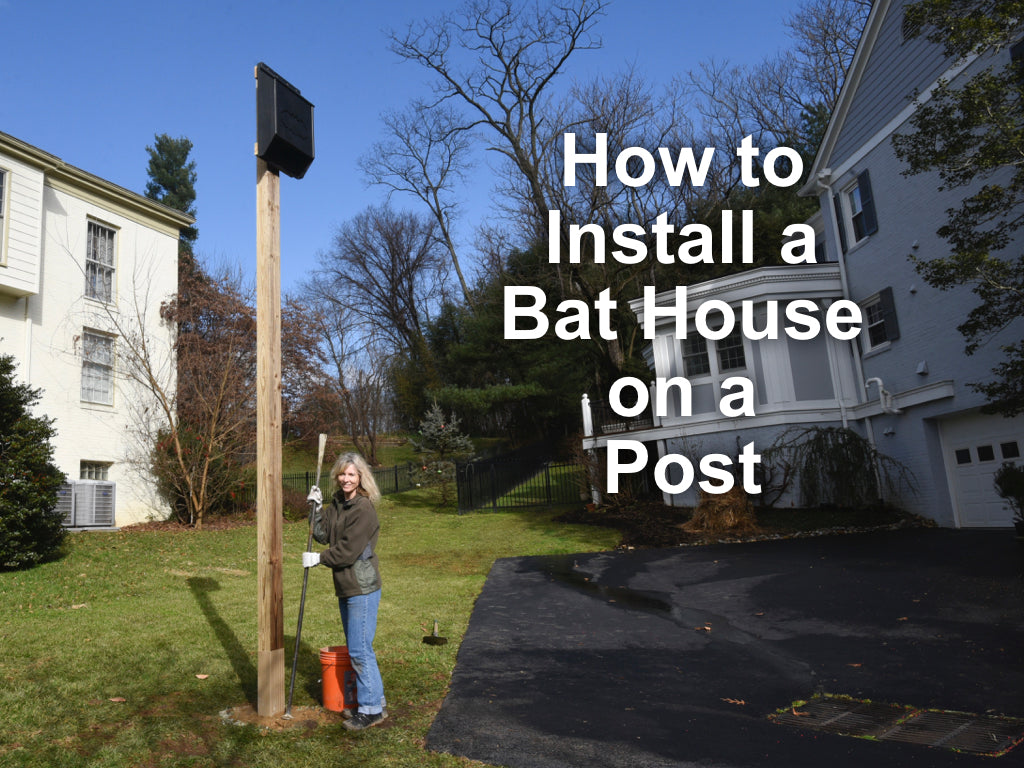
Height is another key factor. Mount the bat house at least 12-20 feet above the ground. This height provides safety from predators and disturbances. Imagine living in a penthouse versus ground floor—height offers peace and security.
Consider the surroundings. Bats prefer areas near water sources, like ponds or streams. If your backyard has one, place the bat house nearby. This proximity provides easy access to food and hydration, enhancing the attractiveness of your bat house.
Ultimately, the goal is to create a welcoming environment for bats. By focusing on secure mounting and strategic orientation, you increase the chances of your bat house becoming a buzzing hub of activity. What adjustments will you make to ensure your bat house is ready for its flying tenants?
Common Mistakes To Avoid
Positioning a bat house too low can deter bats, reducing their effectiveness in pest control. Choose a spot at least 15 feet high to ensure their comfort and safety. Avoid shaded areas to keep the interior warm for the bats.
Placing a bat house correctly ensures bats will use it. Many bat house installations fail due to simple mistakes. Understanding these common errors can help you avoid them. This will increase the chances of bats finding your bat house useful.
Placing Too Low
Height matters for bat houses. Placing them too low is a common mistake. Bats prefer houses at least 12 to 20 feet above the ground. This height keeps them safe from predators. It also provides them with enough space to drop and fly easily. Low placements make it harder for bats to use the house. They feel exposed and vulnerable.
Ignoring Surroundings
The surrounding environment impacts bat house success. Many people ignore this factor. Bats need a clear flight path to their new home. Trees, buildings, or wires nearby can obstruct their way. Ensure the bat house has open space around it. Avoid placing it near bright lights or noisy areas. Bats prefer quiet and dark surroundings. These conditions make them feel secure. Choosing the right spot will encourage bats to settle in. `
Monitoring And Maintenance
Placing a bat house 12 to 20 feet high ensures bats feel secure and protected. This height prevents disturbance from predators and provides a safe environment. Regular monitoring and maintenance help keep the bat house in good condition.
Monitoring and maintaining your bat house is crucial for ensuring its success in attracting and keeping bats. While setting up the bat house is an exciting step, the ongoing care is equally important. Let's delve into the practical aspects of keeping your bat house in top shape.
Regular Checkups
Regular checkups can make a world of difference. Inspect your bat house every few months to ensure it's still secure and intact. Look for signs of wear or damage, such as cracks or loose fittings. If you’ve ever checked your gutters, you know how satisfying it is to spot a problem before it becomes serious. The same applies here. Address any small issues promptly to prevent them from becoming bigger headaches.
Dealing With Pests
Pests can sometimes invade bat houses, causing discomfort for the bats. Keep an eye out for wasp nests or other unwanted guests. A simple solution like removing these pests early can prevent bats from abandoning the house. Imagine finding ants in your picnic basket. You’d deal with them swiftly, right? Treat your bat house with the same urgency to maintain a welcoming environment for your bats. Remember, successful bat houses are not just about the right height. They need your ongoing attention. How will you ensure your bat house remains a haven for its winged residents?
Frequently Asked Questions
How Do You Attract Bats To A New Bat House?
Place the bat house 15-20 feet high in a sunny location. Ensure nearby water and food sources. Keep the area free from obstructions, and avoid artificial lighting. Use rough surfaces inside for easy climbing. Regularly check for damage and maintain the structure to make it inviting.
What Is The Best Height For A Bat House?
Mount bat houses 12 to 20 feet above the ground for optimal results. Ensure they receive 6-8 hours of sunlight daily. Placing them near water sources can attract more bats. Proper height and location enhance occupancy rates and support bat conservation.
How Long Does It Take For Bats To Find A Bat House?
Bats can take a few months to over a year to find a bat house. Location, bat species, and environmental factors influence the time it takes. Make sure the bat house is properly installed and maintained to increase the likelihood of attracting bats sooner.
What Side Of The House Should A Bat House Be On?
Place a bat house on the south or southeast side of your house. Ensure it receives 6-8 hours of sunlight daily. Optimal sunlight helps maintain the ideal temperature for bats. Avoid placing it near artificial light sources or obstructed areas.
Proper location increases chances of bats inhabiting your bat house.
Conclusion
Placing your bat house at the right height matters. Bats prefer spots high off the ground. Aim for at least 12 to 20 feet up. This helps them avoid predators and find food easily. Choose a location near water, if possible.
Trees or buildings can offer support. Ensure your bat house faces the sun for warmth. Keep it away from bright lights. Proper placement boosts bat survival and reduces pests. Happy bats mean fewer mosquitoes. Follow these tips to help bats thrive in your area.
Your efforts make a difference.