Imagine this: you're standing in your backyard, planning your next big garden project or maybe filling in some low spots after a heavy rain. You think to yourself, "How many yards of soil fit in a pickup?"
It's a question that seems simple but can make a significant difference in the success of your DIY project. Getting the right amount of soil can save you time, money, and the frustration of multiple trips to the garden center.
And let's be honest, no one wants to deal with the hassle of cleaning out excess soil from their vehicle. We'll break down exactly what you need to know to make sure you load your pickup truck with just the right amount of soil. Stick around, and by the end, you'll be ready to take on your project with confidence, knowing you’ve got the perfect amount of soil to get the job done right.
Credit: www.lawnsite.com
Pickup Truck Bed Dimensions
Pickup truck beds vary in size, typically holding up to 2 cubic yards of soil. A standard truck can fit one cubic yard comfortably, while larger models accommodate slightly more. Always check dimensions before loading.
Understanding pickup truck bed dimensions is crucial for transporting soil. The size of the bed determines how much you can carry. Pickup trucks come in various sizes, each offering different cargo capacities. Knowing your truck's dimensions helps in planning the number of trips needed. Let's dive into the details.
Standard Pickup Truck Bed Dimensions
Most pickups have standard bed sizes. Common lengths are 5.5, 6.5, and 8 feet. The width usually measures around 5 feet. These dimensions influence the volume of soil you can transport.
Short Bed Pickup Dimensions
Short beds are popular for everyday use. They typically measure 5.5 feet in length. While smaller, they still offer utility for moderate loads.
Long Bed Pickup Dimensions
Long beds are ideal for larger loads. They often measure 8 feet in length. Perfect for hauling more soil in a single trip.
Calculating Soil Volume For Your Truck
Measure your truck bed's length, width, and height. Multiply these to get the volume. This gives you the cubic feet your truck can hold.
Factors Affecting Load Capacity
Consider your truck's weight limits. Overloading can damage your vehicle. Always check the manufacturer's weight recommendations.
Practical Tips For Loading Soil
Distribute the soil evenly in the bed. This ensures balanced weight distribution. Secure the load to prevent spillage during transport.
Calculating Soil Volume
Understanding how much soil your pickup can carry is crucial for any landscaping or gardening project. Calculating soil volume ensures you don't overload your vehicle while still making the most of each trip to the garden center. Let's dive into the essentials of measuring and converting your truck bed dimensions to cubic yards of soil.
Measuring Truck Bed
Start by measuring the length, width, and height of your truck bed. Use a tape measure and record each dimension in feet. Ensure you measure from the inside edges for accuracy, as the outer edges can give a misleading figure.
If your truck bed has wheel wells, remember to subtract their volume to get a more precise measurement. This can be done by measuring the depth and width of the wheel wells and calculating their volume separately.
Converting Measurements To Cubic Yards
Once you have your measurements, multiply the length by the width and height to find the cubic feet. For example, if your truck bed measures 6 feet long, 5 feet wide, and 2 feet tall, it holds 60 cubic feet.
To convert cubic feet to cubic yards, divide the total cubic feet by 27. Why 27? Because there are 27 cubic feet in a cubic yard. Using the example above, a truck bed holding 60 cubic feet would fit approximately 2.22 cubic yards.
Have you ever overloaded your truck or bought too little soil? Knowing the exact volume your pickup can carry can save you time and money on your next project.
Factors Affecting Soil Capacity
Transporting soil in a pickup truck might seem straightforward, but several factors can affect how much soil you can actually fit in the bed. Understanding these elements can save you time and effort, ensuring you get the most out of your haul. Let's explore the key factors that influence soil capacity in your vehicle.
Type Of Soil
The type of soil you are transporting plays a significant role in how much you can fit into your pickup. Different soils have varying densities and structures. For instance, sandy soil is generally lighter and less compact than clay soil, allowing you to fit more in a given space.
Imagine trying to fit a fluffy pillow and a dense brick into a box. The pillow represents sandy soil, while the brick symbolizes clay soil. The box might fit more pillows than bricks, just as your truck can carry more sandy soil than clay.
Moisture Content
Moisture content is another crucial factor. Wet soil is heavier and takes up less space due to compaction. A truckload of damp soil will weigh more and occupy less room than dry soil.
Always consider recent weather conditions before loading your truck. If it rained recently, the soil might be heavier, which could affect your vehicle's capacity and handling. Are you prepared to manage the extra weight?
Packing And Settling
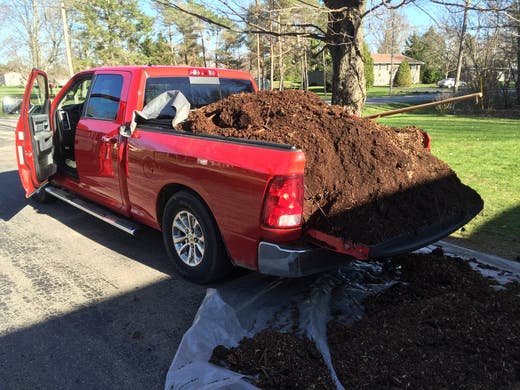
The method of packing and settling soil in your truck bed can significantly impact capacity. Loose soil initially occupies more space but settles over time, allowing you to add more.
Think about how you pack a suitcase. Efficient packing can make all the difference in fitting everything you need. Likewise, if you pack the soil efficiently, you could maximize the amount your pickup can carry.
Consider creating a small mound in the center of your truck bed. This allows for settling and reduces the risk of spillage during transit. How strategic are you in packing your truck?
Credit: www.santacruzforums.com
Choosing The Right Soil
Choosing the right soil for your landscaping or gardening projects can be a game-changer. It's not just about filling your pickup truck; it's about ensuring your plants thrive. Whether you're looking for topsoil, mulch, or compost, each option offers unique benefits that cater to different gardening needs. Let's dig into these choices and discover which soil type suits your project best.
Topsoil
Topsoil is like the foundation of a house—it provides the base for healthy plant growth. Rich in nutrients, this soil is ideal for lawns and garden beds. When loading your pickup, remember that topsoil can be dense and heavy. Aim for a balance between quantity and weight to ensure safe transport.
A personal tip: always check the quality of topsoil before purchasing. Look for dark, crumbly soil that feels moist yet airy. This indicates good organic matter content, essential for plant health.
Mulch
Mulch is the unsung hero of moisture retention and weed control. It's perfect for maintaining soil temperature and adding an aesthetic touch to your garden. Mulch is lighter than topsoil, allowing you to fit more into your pickup.
Consider the type of mulch you need—bark, straw, or even rubber. Each has distinct advantages. For instance, bark mulch not only helps in water retention but also adds a rustic charm to pathways.
Compost
Compost is the ultimate soil conditioner, packed with nutrients that invigorate plant growth. It's a gardener's best friend, transforming lifeless dirt into vibrant soil. Compost can be heavy, so calculate the volume carefully when filling your truck.
Ever tried making your compost? It's a rewarding process that saves money and enhances soil quality. Plus, using homemade compost is an eco-friendly option that reduces waste.
So, which soil type is right for you? Consider your gardening goals and the specific needs of your plants. The right choice will not only fit in your pickup but also fuel your garden's success.
Loading Tips For Safety
Pickup trucks typically hold one to two cubic yards of soil. Ensure load is balanced and secured for safe transport. Consider weight limits to prevent damage or accidents.
Loading soil into a pickup truck can be tricky. Safety should always be a priority. Proper loading ensures a smooth and secure trip. Follow these tips for a safe journey.
Distribute Weight Evenly
Balance is key when loading soil. Spread the soil evenly across the bed. Uneven weight can cause the truck to tilt. This makes driving difficult and risky.
Securing The Load
Loose soil can spill during transport. Use a tarp to cover the soil. Secure it with strong ropes or bungee cords. This prevents soil from flying out. It also keeps the load stable.
Avoiding Overloading
Check your truck's load capacity. Overloading can damage the truck. It also increases the risk of accidents. Keep the load within safe limits. This protects both you and your vehicle.
Estimating Costs
Estimating soil capacity for a pickup involves measuring the truck bed's dimensions. Typically, a standard pickup can hold about one cubic yard of soil. Factors like soil type and moisture level may slightly alter capacity.
Estimating the cost of filling a pickup with soil involves several factors. Understanding these helps you budget effectively. Whether you're enhancing your garden or leveling a yard, knowing the costs involved is crucial.
Cost Per Yard
The price of soil varies based on type and location. Generally, topsoil costs between $12 and $55 per cubic yard. Mulch or compost could range from $15 to $50 per cubic yard. Always check local prices, as they fluctuate. Bulk purchases may offer discounts, reducing the cost per yard.
Additional Fees
Consider any extra charges when estimating total costs. Delivery fees can add significantly to your budget. Fees vary depending on distance and supplier. Some companies charge for loading and unloading. Fuel surcharges might apply if you're far from the supplier. Always ask about these potential costs upfront. This helps avoid surprises on your bill.
Environmental Considerations
Transporting soil in a pickup truck requires careful thought about environmental impacts. The choices made during soil sourcing and transport can affect nature. This section explores sustainable practices and their effects on ecosystems.
Sustainable Sourcing
Sourcing soil sustainably helps protect natural resources. Choose suppliers who follow eco-friendly practices. They should avoid depleting natural reserves. Check if the soil is recycled or comes from responsible mining.
Using local soil reduces the carbon footprint. It cuts down transportation emissions. Local soil also supports community businesses and economy. Verify the soil's origin to ensure ethical sourcing.
Impact On Local Ecosystems
Transporting soil can disturb local ecosystems. Be mindful of the areas you drive through. Heavy trucks can damage delicate environments. Stick to designated routes to minimize harm.
Choose soil that suits your area's environment. Some soils might contain invasive species or chemicals. These can harm native plants and animals. Always select clean, safe soil to protect local flora and fauna.

Credit: www.reddit.com
Frequently Asked Questions
How Many Yards Of Soil Can A Pickup Truck Hold?
A standard pickup truck can hold around 1 to 2 cubic yards of soil. The capacity depends on the truck's size and weight limits. Always check your truck's specifications to ensure safe transportation.
How Many Yards Are In A Pickup Truck Bed?
A standard pickup truck bed typically holds around 2 to 3 cubic yards of material. Bed size and material type can affect capacity. Always check your truck's specifications for exact measurements.
How Many Yards Can You Get In A Pickup Truck?
A typical pickup truck can carry around 2 to 3 cubic yards of material. This varies based on the truck's size and the material's density. For heavier materials like gravel, expect less capacity. Always check your truck's specifications to ensure safe loading and transport.
How Many Truck Loads Is 20 Yards Of Dirt?
20 yards of dirt usually requires two truckloads. A standard dump truck holds about 10 yards of dirt. Ensure the truck's capacity matches your needs for efficient transportation. Always check with the hauling company for exact specifications, as truck capacities can vary.
Conclusion
Calculating soil for a pickup is simple with the right steps. Always measure your truck bed dimensions first. A standard pickup can hold about one cubic yard. It depends on the soil type and weight. Wet soil weighs more and takes up less space.
Dry soil is lighter and more voluminous. Consider local regulations on transporting soil. Safety first—secure your load properly. Use a tarp if needed. Understanding these factors helps plan your garden or landscaping project better. Enjoy your gardening with the right amount of soil.