
Have you ever noticed your lawn looking tired, patchy, or struggling to grow? The secret to a healthy, green yard might be simpler than you think.
Aerating your yard can unlock the full potential of your grass by improving soil health and boosting root growth. But how often should you aerate your yard to get the best results? Keep reading, because understanding the right timing can transform your lawn from dull to dazzling, saving you time and effort in the long run.
Let’s dive into what your yard really needs.
Credit: www.creechlandscape.com
Benefits Of Lawn Aeration
Lawn aeration helps your grass grow stronger and healthier. It involves making small holes in the soil to let air, water, and nutrients reach the roots.
Regular aeration improves the overall condition of your yard. It reduces soil compaction and helps your lawn survive dry or harsh weather.
Improving Soil Health
Aeration breaks up compacted soil. This allows the soil to breathe and stay loose. Loose soil helps roots grow deeper and wider.
With better soil health, your lawn can absorb water more easily. This also reduces water runoff and prevents puddles on your yard.
Enhancing Nutrient Absorption
Holes made by aeration let nutrients reach grass roots faster. Nutrients like nitrogen and phosphorus help grass grow thick and green.
- Aeration improves fertilizer effectiveness
- Helps grass use nutrients better
- Reduces nutrient waste
Promoting Root Growth
Aeration encourages roots to grow deeper. Strong roots hold soil better and support grass during dry periods.
Deeper roots help your lawn stay green longer. They also make your grass less likely to die from stress or disease.
Signs Your Yard Needs Aeration
Aerating your yard helps keep the soil healthy and grass strong. It lets air, water, and nutrients reach the roots.
Knowing when to aerate is important. Watch for signs that show your yard needs aeration soon.
Compacted Soil Symptoms
Compacted soil is hard and dense. It stops roots from growing well. Grass struggles to get air and water.
You may notice that the soil feels hard when you press it with your foot. It may also be tough to dig small holes in the yard.
- Soil feels very hard and dense
- Roots grow shallow or weak
- Water pools on soil surface
- Grass looks stressed or thin
Poor Drainage Issues
When soil is compacted, water cannot drain well. This causes puddles or soggy spots after rain or watering.
Poor drainage can lead to plant diseases and weak grass. It also makes your yard less enjoyable to use.
- Water stays on the surface too long
- Yard looks muddy or wet after rain
- Grass grows unevenly in wet spots
Thinning Grass Appearance
Thin grass shows your lawn is unhealthy. It may be patchy or have bare spots. Aeration helps grass grow thicker.
Look for areas where grass looks weak or brown. These spots often need better soil and air to grow well.
- Patchy or bare areas in lawn
- Grass blades are thin and weak
- Color looks dull or yellowish
Ideal Aeration Frequency
Aerating your yard helps grass grow strong and healthy. It reduces soil compaction and improves air and water flow.
The ideal aeration frequency depends on several factors. These include the season, grass type, and soil conditions.
Seasonal Considerations
Aerate your yard during the growing season. This timing helps grass recover quickly after aeration.
Cool-season grasses do best with aeration in early spring or fall. Warm-season grasses need aeration in late spring or early summer.
- Spring and fall for cool-season grass
- Late spring and summer for warm-season grass
- Avoid aeration during dormancy or extreme heat
Grass Type Influence
Different grass types need different aeration schedules. Cool-season grasses grow in cooler months and need aeration once or twice a year.
Warm-season grasses grow in warmer months and also benefit from one or two aerations yearly. Their peak growth time guides the best aeration period.
- Cool-season grass: aerate in spring and fall
- Warm-season grass: aerate in late spring or summer
- Both types usually need aeration once or twice yearly
Soil Conditions Impact
Soil type affects how often you aerate. Clay soils get compacted faster and may need aeration twice a year.
Sandy or loamy soils drain well and often need aeration only once a year or less. Check your soil’s firmness to decide.
- Clay soil: aerate twice a year
- Sandy or loamy soil: aerate once a year
- Hard or compacted soil needs more frequent aeration
- Soft or loose soil needs less frequent aeration
Aeration Methods
Aerating your yard helps grass grow strong and healthy. It reduces soil compaction and improves water flow.
There are different ways to aerate your lawn. Each method works best for certain yard conditions and needs.
Core Aeration
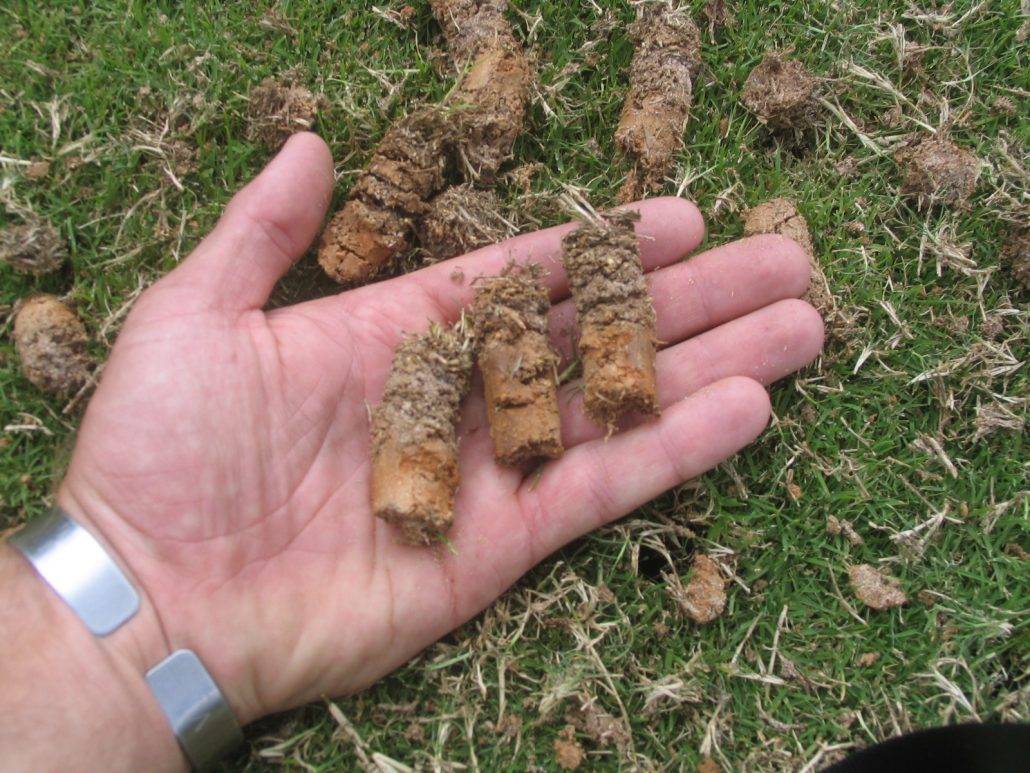
Core aeration removes small plugs of soil from your lawn. This helps air, water, and nutrients reach the roots.
This method works well for lawns with heavy soil or thick thatch layers. It allows roots to grow deeper and stronger.
Spike Aeration
Spike aeration pokes holes in the soil using a solid tine or spike. It loosens soil without removing plugs.
This method is easier but less effective for very compacted soil. It is best for light aeration and small yards.
Manual Vs. Machine Aeration
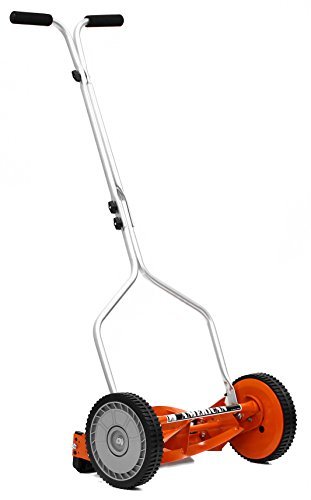
Manual aerators require physical effort and work best on small lawns. They are affordable but take more time.
Machine aerators cover larger areas quickly. They are ideal for big yards or heavy soil but cost more or need rental.
- Manual aeration: good for small areas and light work
- Machine aeration: best for large lawns and tough soil
- Choose based on yard size, soil type, and budget
Best Time To Aerate Your Lawn
Aerating your lawn helps grass grow strong and healthy. It reduces soil compaction and improves air, water, and nutrient flow.
Knowing the best time to aerate keeps your yard green and lush. Different seasons offer unique benefits for aeration.
Spring Aeration Benefits
Spring is a good time to aerate warm-season grasses. The soil warms up and grass grows quickly in spring.
Aerating in spring helps grass recover from winter damage. It prepares the lawn for summer heat and drought.
- Improves root growth after winter
- Allows better water absorption
- Reduces soil compaction from winter traffic
- Prepares lawn for spring fertilization
Fall Aeration Advantages
Fall is ideal for aerating cool-season grasses. The soil is still warm, and grass grows well before winter.
Aeration in fall helps grass absorb nutrients and water. It supports root growth for a healthy lawn next spring.
- Reduces soil compaction after summer
- Improves nutrient and water uptake
- Helps roots grow stronger before winter
- Prepares lawn for winter stress
Avoiding Extreme Weather
Avoid aerating during very hot or dry weather. Extreme conditions can stress grass and reduce aeration benefits.
Wait until the soil is moist but not soaked. Aerating dry or frozen soil is less effective and can damage your lawn.
- Do not aerate during droughts
- Avoid aerating frozen or waterlogged soil
- Choose mild, moist days for best results
- Check weather forecasts before aerating

Credit: landzie.com
Post-aeration Lawn Care
Aerating your yard helps soil breathe and grass grow better. After aeration, proper care is key to see good results.
Follow simple steps to keep your lawn healthy and green after aeration.
Watering Tips
Water your lawn soon after aeration to help soil settle. Keep the soil moist but not soaked.
Water deeply and less often to encourage deep root growth. Aim for about 1 inch of water each week.
- Water within 24 hours after aeration
- Use a sprinkler for even coverage
- Check soil moisture regularly
Fertilizing After Aeration
Fertilizing after aeration helps grass get needed nutrients. Apply fertilizer a few days after aeration for best results.
Choose a fertilizer with balanced nutrients. Follow the instructions on the package carefully to avoid overfeeding.
- Wait 2 to 3 days before fertilizing
- Use a slow-release fertilizer
- Water after applying fertilizer
Seeding And Overseeding
Aeration opens holes for new grass seeds. Seeding or overseeding after aeration helps fill in bare spots.
Spread seeds evenly and lightly rake to cover. Keep the soil moist until seeds sprout and grass grows strong.
- Seed within a few days after aeration
- Use grass seed suited for your climate
- Water gently but often to keep soil wet
Common Mistakes To Avoid
Aerating your yard helps grass grow strong and healthy. But doing it wrong can hurt your lawn.
Learn which mistakes to avoid for the best results when aerating your yard.
Over-aerating Risks
Aerating too often can damage your grass roots. It makes the soil too loose.
Over-aerating can cause stress and slow grass growth instead of helping it.
- Weakens grass roots
- Increases water loss
- Allows weed growth
- Can compact soil again
Aerating During Dormant Periods
Aerating when grass is dormant does not help. The lawn cannot recover well during this time.
Choose times when grass is actively growing, like spring or fall, for aeration.
- Grass is less able to heal
- Soil disruption lasts longer
- Weakens lawn health
Ignoring Soil Testing
Not testing your soil before aerating can waste effort. You might miss important issues.
Soil tests show if your yard needs aeration or other treatments like fertilizing.
- Check soil pH levels
- Find nutrient deficiencies
- Decide best aeration time
- Plan proper lawn care

Credit: www.lawnstarter.com
Frequently Asked Questions
Why Is Yard Aeration Important?
Yard aeration improves soil health by allowing air, water, and nutrients to penetrate grass roots. This process alleviates soil compaction and enhances grass growth. Aeration can help your lawn absorb nutrients more efficiently, resulting in a healthier and more robust lawn.
When Is The Best Time To Aerate Your Yard?
The best time to aerate your yard is during the growing season. For cool-season grasses, aerate in early spring or fall. For warm-season grasses, late spring or early summer is ideal. Aerating during the growing season allows the grass to recover quickly.
How Does Aeration Benefit Grass Growth?
Aeration enhances grass growth by improving soil structure and nutrient absorption. It allows roots to access essential nutrients and water more easily. This leads to stronger, healthier grass with a more robust root system, ultimately improving lawn resilience.
Can I Aerate My Yard Myself?
Yes, you can aerate your yard yourself using a lawn aerator. There are both manual and mechanical aerators available for home use. Ensure you choose the right equipment for your lawn size and type to achieve optimal results.
Conclusion
Aerating your yard helps grass grow strong and healthy. Most lawns need aeration once or twice a year. Spring and fall are the best times to aerate. Avoid compacted soil by aerating regularly. It improves water, air, and nutrient flow to roots.
A well-aerated yard feels soft and looks green. Keep your lawn fresh and alive by aerating on schedule. Small effort, big benefits. Your yard will thank you.