If your lawn mower isn’t running smoothly, the problem might be with your valves. Knowing how to adjust lawn mower valves can save you time and money on repairs.
In this guide, you’ll learn simple steps to get your mower back to peak performance. Whether you’re a beginner or just need a quick refresher, this article will give you clear, easy instructions. Ready to make your mower run like new again?
Let’s dive in.

Credit: www.youtube.com
Signs Of Valve Issues
Valve problems can cause your lawn mower to run poorly. Knowing the signs helps you fix issues early.
Checking for valve issues keeps your mower working well and lasting longer.
Common Symptoms
Valve issues often show up as strange noises or poor engine behavior. You might hear ticking or tapping sounds from the engine.
Other signs include hard starting, rough idling, and loss of power while mowing.
- Ticking or tapping noises from the engine
- Engine hard to start or won’t start
- Rough or uneven idling
- Loss of engine power or slow acceleration
- Smoke coming from the exhaust
Impact On Mower Performance
Bad valves reduce engine efficiency. This causes more fuel use and less power.
Valve problems can also lead to engine damage if ignored for a long time.
- Lower fuel efficiency
- Reduced cutting power
- Increased engine wear and tear
- Possible engine overheating
- Shorter mower lifespan

Credit: www.youtube.com
Tools Needed
Adjusting lawn mower valves requires specific tools. Using the right tools makes the job easier and safer.
Here, we explain the essential equipment and safety gear you need before starting.
Essential Equipment
You need a few basic tools to adjust your lawn mower valves. These tools help you measure and change valve clearance accurately.
- Feeler gauge to measure valve clearance
- Socket wrench or spanner to remove valve cover bolts
- Screwdriver to adjust the valve screws
- Torque wrench to tighten bolts to the correct level
- Cleaning cloth to wipe parts clean
Safety Gear
Safety gear protects you while working on your lawn mower. Always wear the right equipment to avoid injuries.
- Safety glasses to protect your eyes from debris
- Work gloves to keep your hands safe
- Long sleeves to protect your arms from cuts and burns
- Closed-toe shoes to protect your feet
Preparing The Mower
Adjusting lawn mower valves is important for good engine performance. Before you start, prepare the mower carefully. This helps you work safely and easily.
Preparing the mower includes cleaning the engine area and accessing the valves. These steps make the adjustment process smoother and prevent damage.
Cleaning The Engine Area
Clean the engine area to remove dirt and debris. This stops particles from getting inside the engine while you adjust the valves.
Use a brush or cloth to wipe the engine surfaces. You can also use compressed air to blow away dust and grass clippings.
- Turn off the mower and unplug the spark plug wire.
- Remove large debris by hand or with a brush.
- Use a damp cloth to wipe the engine surface.
- Blow away dust using compressed air if available.
- Ensure the area around the valves is clean and dry.
Accessing The Valves
Find the valve cover on the top of the engine. Removing this cover exposes the valves for adjustment.
You may need basic tools like a wrench or screwdriver. Keep track of screws and parts to avoid losing them.
- Disconnect the spark plug wire to prevent accidental start.
- Locate the valve cover on the engine.
- Use the correct tool to remove bolts or screws.
- Lift the valve cover carefully to avoid damage.
- Set the cover and screws aside in a safe place.
Checking Valve Clearance
Checking the valve clearance is important to keep your lawn mower running well. It helps the engine breathe and work properly.
Valve clearance is the small gap between the valve and the rocker arm. This gap needs to be the right size for smooth engine operation.
Locating Valves
First, find the valves on your lawn mower engine. They are usually under the valve cover on top of the engine.
Remove the valve cover by loosening the bolts. Inside, you will see the rocker arms and valves.
- Turn off the engine and disconnect the spark plug wire.
- Remove any parts blocking the valve cover.
- Unscrew and lift the valve cover carefully.
- Locate the valves under the rocker arms.
Measuring Gaps
Use a feeler gauge to measure the gap between the valve and rocker arm. This tool shows if the gap is too big or small.
Check your mower’s manual for the correct valve clearance size. Measure carefully to avoid damage.
- Place the feeler gauge blade between the valve stem and rocker arm.
- Slide the blade gently; it should fit with slight resistance.
- If the blade is too loose or tight, the clearance needs adjustment.
- Measure all valves for consistent clearance.
Adjusting The Valves
Adjusting the valves of a lawn mower keeps the engine running smoothly. Proper valve clearance helps improve performance and fuel efficiency.
This guide focuses on how to adjust the valves correctly. Follow the steps carefully to avoid engine damage.
Loosening Lock Nuts
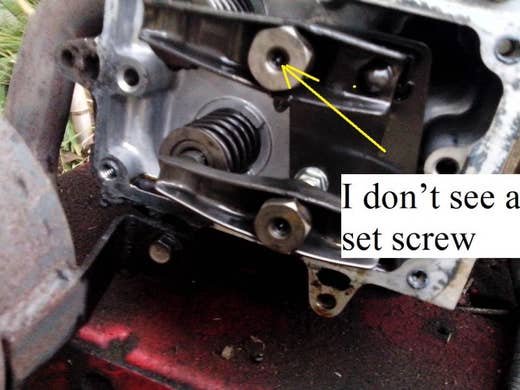
Start by loosening the lock nuts on the valve adjusters. Use the right size wrench to avoid stripping the nuts.
Turn the nuts counterclockwise until they are loose but still hold the adjuster in place.
Setting Proper Clearance
Use a feeler gauge to measure the gap between the valve stem and the adjuster. The clearance must match the mower’s specifications.
Insert the gauge and turn the adjuster screw until you feel slight resistance on the gauge. This means the clearance is correct.
- Check the user manual for exact clearance values
- Common clearance ranges from 0.10 mm to 0.25 mm
- Adjust intake and exhaust valves separately
Tightening And Securing
Hold the adjuster screw in place with a screwdriver. Tighten the lock nut carefully without changing the clearance.
After tightening, recheck the clearance with the feeler gauge. Make sure it is still correct before finishing.

Credit: www.youtube.com
Testing After Adjustment
After adjusting the lawn mower valves, testing is important. It helps check if the engine runs well.
Testing shows if the valves open and close at the right time. This keeps the mower working smoothly.
Starting The Mower
Start the mower right after valve adjustment. This lets you see if the engine turns on easily.
Make sure the mower is on a flat surface. Pull the starter cord gently to avoid damage.
Listening For Engine Sounds
Listen carefully to the engine sound after starting. A smooth sound means valves are set well.
Rattling or knocking sounds can mean valves are too tight or loose. Adjust again if needed.
Performance Check
Test the mower’s power and speed. The engine should run steady without stalling.
- The mower should cut grass evenly.
- The engine should not overheat quickly.
- Watch for any unusual smoke from the exhaust.
Maintenance Tips
Keeping your lawn mower in good shape helps it run longer. Adjusting the valves is a key part of maintenance.
Proper valve adjustment improves engine performance and fuel efficiency. It also prevents damage.
Regular Valve Checks
Check your mower valves every 25 hours of use or once a season. This keeps the engine running smoothly.
Look for valve clearance that matches the mower manual. Too tight or too loose clearance causes problems.
- Remove the valve cover carefully
- Use a feeler gauge to measure clearance
- Adjust screws to correct clearance
- Recheck clearance after adjustment
- Replace the cover securely
Signs To Schedule Professional Service
Some valve problems need a professional mechanic. Watch for these signs to know when to get help.
- Engine runs rough or stalls often
- Hard to start the mower
- Excessive smoke from exhaust
- Strange noises from the engine
- Fuel consumption increases
A professional can check valves deeply and fix complex issues. This keeps your mower safe and reliable.
Frequently Asked Questions
What Tools Are Needed To Adjust Lawn Mower Valves?
To adjust lawn mower valves, you'll need a feeler gauge, socket wrench, and screwdriver. Ensure your lawn mower's engine is cool before starting. These tools help you accurately measure and adjust the valve clearances for optimal performance.
How Often Should Lawn Mower Valves Be Adjusted?
Lawn mower valves should be adjusted annually or every 100 hours of use. Regular adjustments ensure efficient engine performance. This maintenance task prevents engine wear and ensures your lawn mower runs smoothly, enhancing its lifespan and cutting efficiency.
Can I Adjust Lawn Mower Valves Myself?
Yes, you can adjust lawn mower valves yourself with basic tools. Follow the manufacturer's instructions carefully. Ensure the engine is cool before starting. This DIY task can save you money and keep your lawn mower running efficiently.
Why Is Adjusting Lawn Mower Valves Important?
Adjusting lawn mower valves is crucial for efficient engine performance. Properly adjusted valves ensure optimal fuel combustion and prevent engine wear. Regular maintenance improves fuel efficiency, prolongs the mower's lifespan, and enhances cutting performance.
Conclusion
Adjusting lawn mower valves keeps your engine running smooth. Small steps make big differences in mower performance. Check and adjust valves regularly to avoid engine problems. Proper valve settings save fuel and extend engine life. Take your time and follow the simple steps carefully.
A well-tuned mower cuts grass evenly and lasts longer. With some practice, valve adjustment becomes quick and easy. Keep your mower ready for every mowing season ahead.