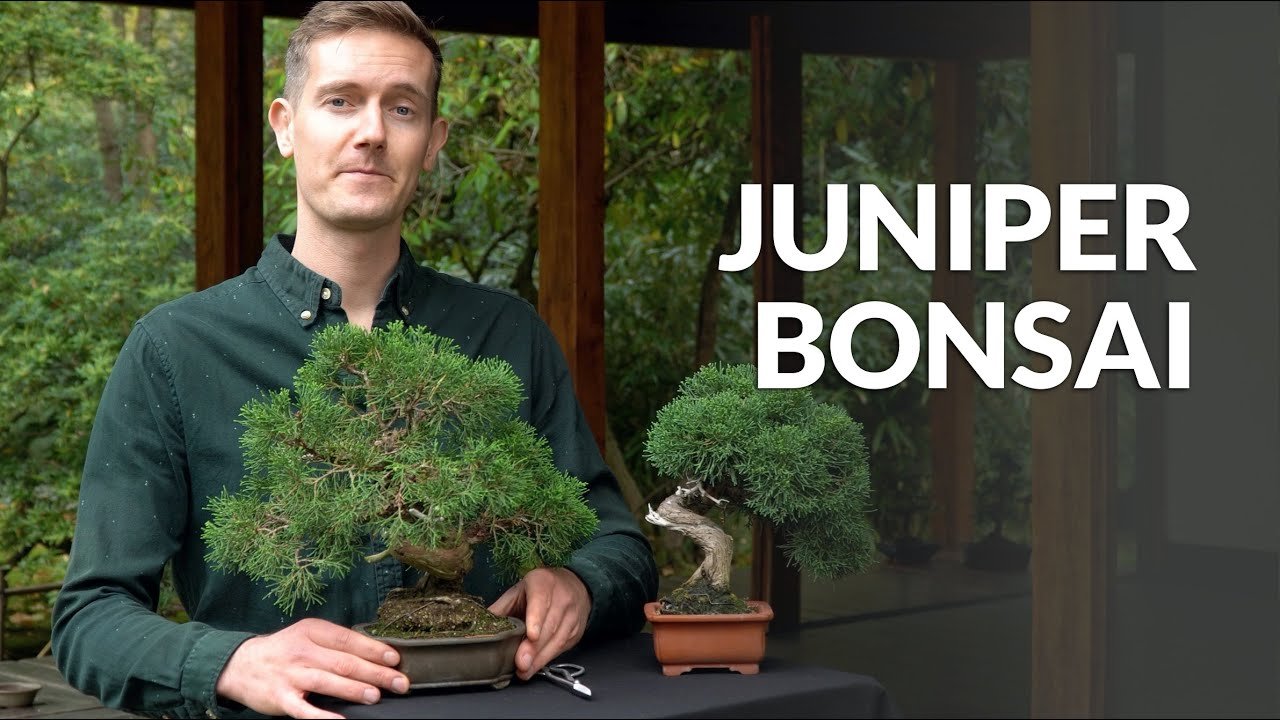
Imagine having a piece of nature right in your living room. A juniper bonsai can bring that serene beauty into your home.
But to keep it thriving, you need to know how to care for it properly. You might be wondering if it's challenging or time-consuming. The truth is, with a little guidance, you can master the art of nurturing your juniper bonsai.
This guide will show you simple steps and tips to ensure your bonsai stays healthy and vibrant. Ready to transform your space and enjoy the tranquility a juniper bonsai offers? Let’s dive into the care techniques that will help you do just that.
Choosing The Right Juniper Bonsai
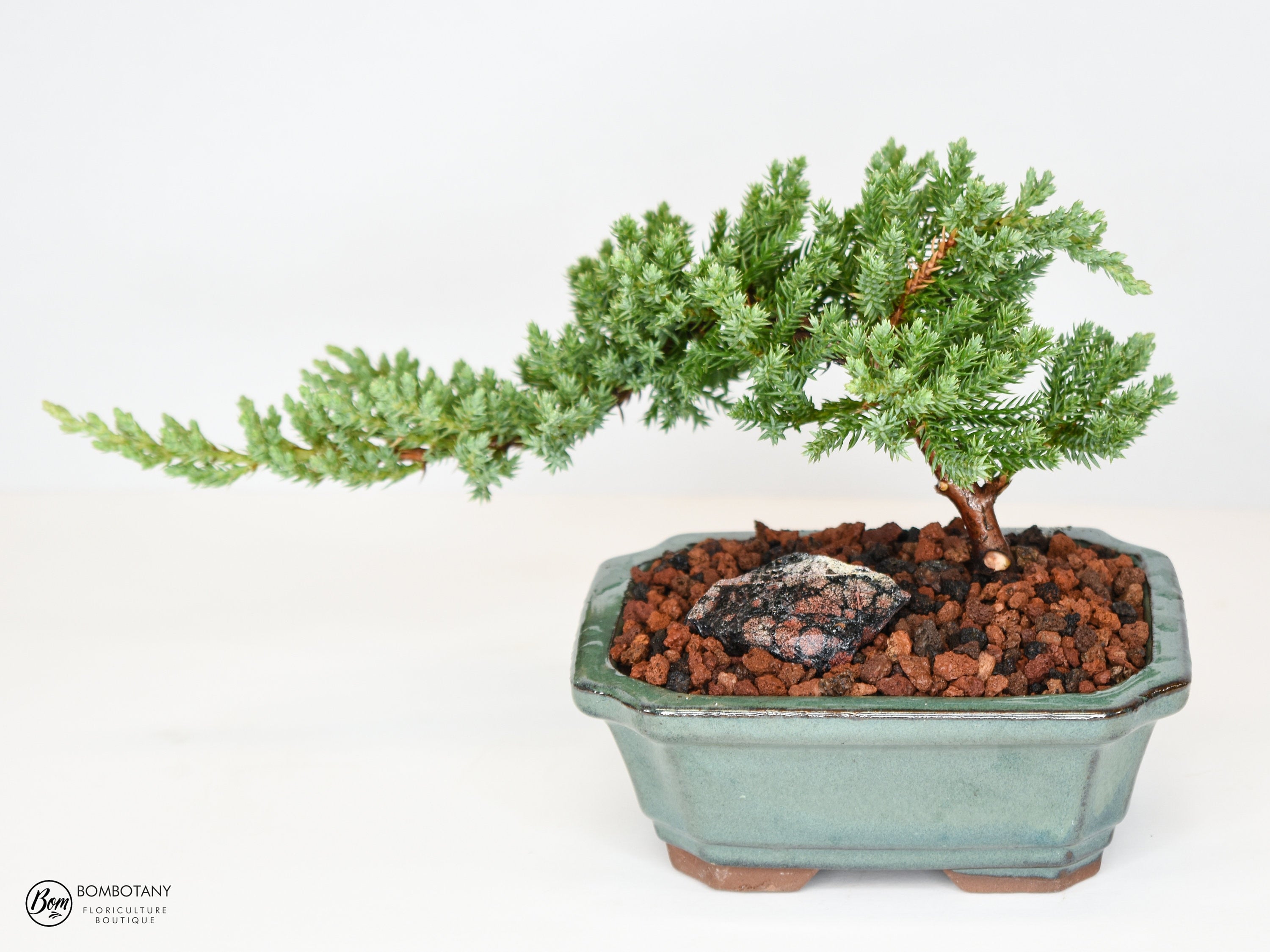
Select a healthy juniper bonsai to start your care journey. Ensure it has vibrant green needles and a sturdy trunk. Place it in bright sunlight and water moderately, allowing the soil to dry slightly between waterings. Regular trimming and shaping keep your juniper bonsai looking its best.
Choosing the right juniper bonsai is a crucial step in your bonsai journey. It's like picking a companion that will grow with you, teaching you patience and care. But how do you ensure you're making the best choice? Let’s dive into selecting the perfect juniper bonsai for your collection.
Selecting A Healthy Specimen
When you're looking at juniper bonsai, the health of the plant is your top priority. A thriving bonsai will have vibrant, green foliage and sturdy branches. Gently touch the needles; they should feel soft, not brittle or dry. Check the roots if possible. Healthy roots are firm and light in color. Avoid any plant with a strong odor or signs of disease, like black spots or wilting. Your bonsai should look lively and full of potential. Remember, a healthy start often leads to fewer problems down the line. I learned this the hard way when I once chose a bonsai that looked great on the surface but had root rot. It taught me to always check beneath the surface.
Varieties Of Juniper Bonsai
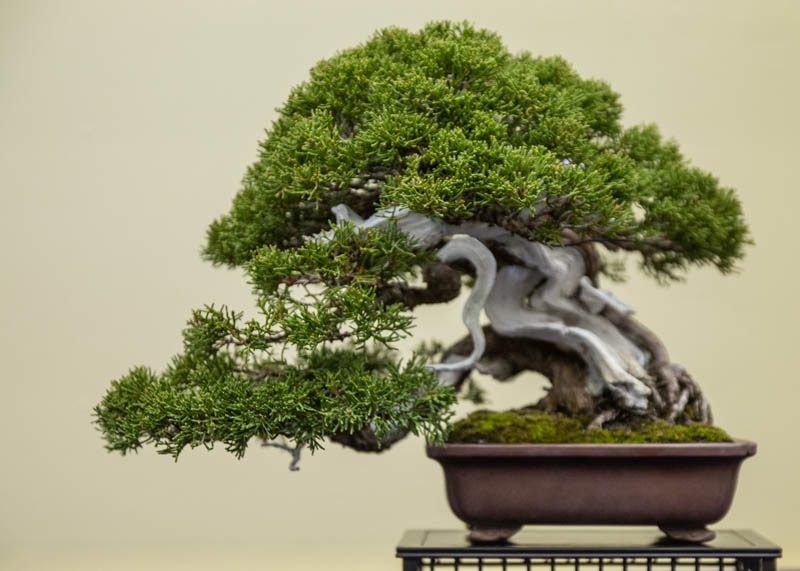
The world of juniper bonsai is diverse and exciting. Each variety offers unique traits that could align with your vision or space constraints. Consider the popular Japanese Garden Juniper for its elegant form and robust growth. For those interested in something more compact, the Chinese Juniper is a fantastic option. It is known for its dense foliage and adaptability to styling. If you have limited indoor space, the Needle Juniper's compact size might be ideal. Its spiky needles offer a distinct texture, adding character to your collection. Think about what speaks to you. Which variety fits your lifestyle and environment? Choosing the right type can enhance your bonsai experience, offering a canvas for your creativity. Do you prefer a bonsai that requires minimal maintenance, or are you up for a challenge? Your answer will guide you towards the perfect juniper bonsai companion.
Credit: www.bonsaiempire.com
Ideal Location And Light
Finding the right location and light for your juniper bonsai is crucial. It ensures healthy growth and vibrant foliage. Juniper bonsai trees thrive under specific conditions. Understanding these will help you provide the best care. Let's explore where to place your juniper bonsai and how much sunlight it needs.
Indoor Vs. Outdoor Placement
Juniper bonsai trees prefer outdoor environments. They need fresh air and natural light. Indoor air can be too dry for them. If you must keep it indoors, choose a spot with good airflow. Outdoor placement is ideal for most of the year. Bring it indoors only during harsh weather. This ensures the tree's health and longevity.
Sunlight Requirements
Juniper bonsai trees love the sun. They need at least four hours of sunlight daily. Morning sun is best, as it's less intense. Avoid direct afternoon sun to prevent leaf burn. Use sheer curtains if indoors to filter the light. Too little sunlight can weaken the tree. Keep an eye on its color and growth.
Watering Techniques
Watering your Juniper Bonsai properly ensures its healthy growth. Every bonsai enthusiast needs to understand the right watering techniques. Juniper Bonsai needs specific care for optimal hydration. Discover effective methods for watering your Juniper Bonsai below.
Frequency Of Watering
Juniper Bonsai requires consistent watering. Ensure the soil remains slightly moist. Check the soil daily during warmer months. Reduce watering frequency in winter. Use your finger to test soil moisture. If the top inch is dry, it's time to water. Adjust watering based on climate and season.
Signs Of Overwatering
Overwatering harms your Juniper Bonsai. Look for yellowing leaves as a warning. Inspect roots for any softness or rot. Mushy roots indicate waterlogged soil. Overwatering can also cause fungal growth. Proper drainage helps prevent these issues. Monitor soil moisture closely to avoid overwatering.
Soil And Repotting
Caring for a Juniper Bonsai requires attention to soil and repotting needs. These aspects ensure your bonsai stays healthy and thrives. Proper soil mix and timely repotting are crucial for growth. Let's explore the best practices for soil and repotting.
Best Soil Mix
A well-draining soil is vital for Juniper Bonsai. It prevents root rot and promotes strong roots. Use a mix of akadama, pumice, and lava rock. Akadama offers moisture retention. Pumice and lava rock enhance drainage. This mix provides nutrients and keeps roots healthy.
Check your soil regularly. Ensure it's not compacted. Compact soil restricts growth. Use chopsticks to aerate soil gently. Aeration helps roots breathe and absorb nutrients.
When And How To Repot
Repotting is essential for bonsai health. Do it every two to three years. Spring is the best time to repot. The bonsai is in its growth phase. Carefully remove the bonsai from its pot. Gently brush off old soil from roots.
Trim dead or tangled roots. This encourages new root growth. Place the bonsai in a new pot with fresh soil. Ensure the pot has good drainage holes. Water the bonsai thoroughly after repotting. This helps settle the soil around roots.
Monitor your bonsai after repotting. Watch for signs of stress. Yellowing leaves indicate possible stress. Adjust watering and light if needed.
Pruning And Shaping
Regular pruning is essential to maintain the desired shape of a juniper bonsai. Trim new growth to prevent overcrowding and encourage healthy branch development. Shaping involves wiring branches to guide their growth, ensuring the bonsai retains its aesthetic appeal.
Pruning and shaping your juniper bonsai is crucial to maintain its health and enhance its aesthetic appeal. It’s not just about snipping away branches; it’s an art form that requires patience and precision. When you prune and shape your juniper bonsai, you’re sculpting a living piece of art, breathing life into your creative vision. But what tools do you need, and how do you go about perfecting those delicate branches?
Essential Tools
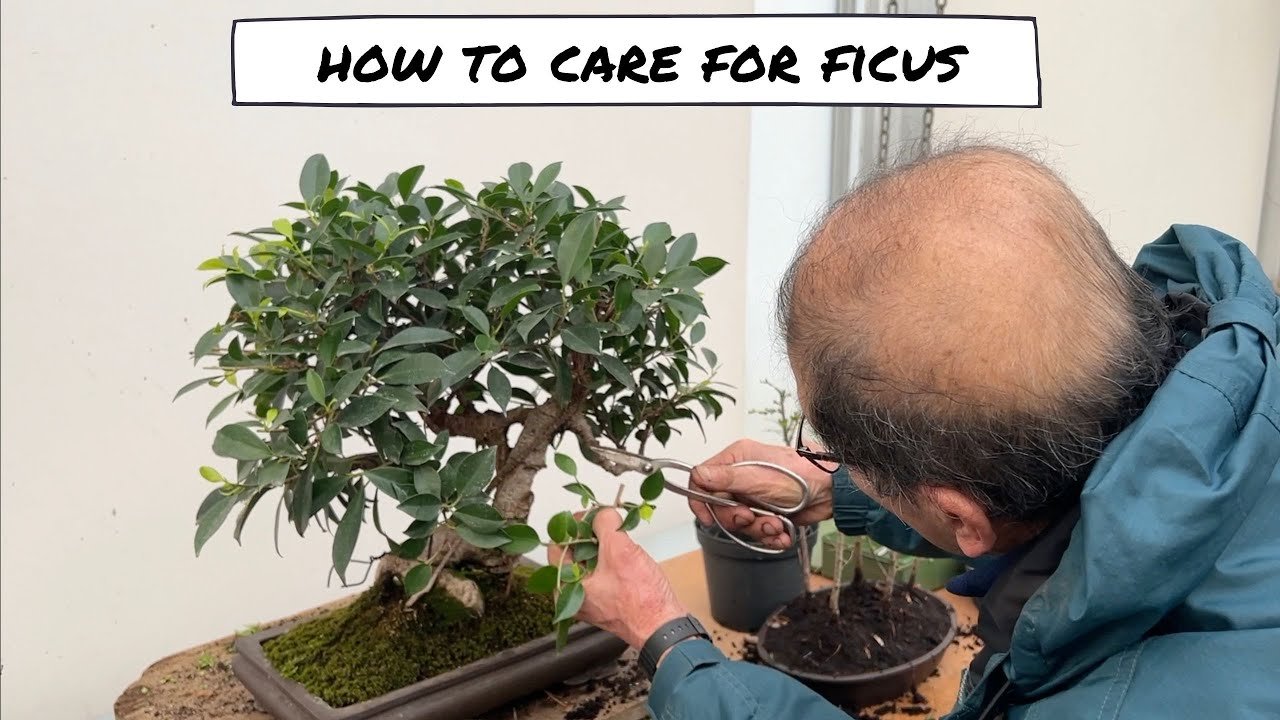
To start, gather the right tools. A pair of sharp bonsai shears is vital. They allow you to make clean cuts without damaging the plant. Precision scissors are great for smaller branches and finer details. Wire cutters are necessary if you plan to shape your bonsai using wire. They help you trim the wire without causing harm to the tree. A concave cutter is useful for removing branches and minimizing scars on the trunk. Having a small rake can help you clear away debris and see your work more clearly. You might be surprised how much easier pruning becomes with the right tools in hand. Have you ever tried pruning with dull tools? It can be a frustrating experience!
Techniques For Branch Pruning
Start by inspecting your juniper bonsai from all angles. Identify branches that cross or grow inward. These can disrupt the natural flow of your bonsai’s design. Cut these away to enhance the tree’s structure. Use the shears to trim back new growth to maintain the desired shape. This encourages the bonsai to develop more branches and become fuller. Remember, cutting too much at once can stress your bonsai. Consider using wiring techniques to bend branches gently. This can help in shaping and directing growth without cutting. But be cautious. If left too long, wire can cut into the bark, causing damage. Pruning is an ongoing process. Regularly check for dead branches and remove them promptly. This keeps the bonsai healthy and thriving. Have you ever noticed how some bonsai trees seem to speak to you, inviting you to explore their intricate details? By caring for your juniper bonsai through thoughtful pruning and shaping, you’re giving it the voice to tell its story.
Wiring The Bonsai
Gently shape your Juniper Bonsai by wiring its branches. This guides growth and enhances its natural beauty. Be careful not to damage the delicate branches while wiring. Regularly check and adjust the wires to prevent cutting into the bark.
Wiring the bonsai is an essential technique in bonsai care. It helps shape the tree's branches and trunk. Proper wiring enhances the bonsai's beauty and overall structure. This guide will help you learn how to wire a juniper bonsai effectively.
Choosing The Right Wire
Selecting the appropriate wire is crucial. Use either aluminum or copper wire. Aluminum is more flexible and easy for beginners. Copper is stronger but harder to manipulate. Choose a wire that is one-third the thickness of the branch. This ensures it is strong enough to hold the branch in place. Always have a variety of wire sizes available. This allows for flexibility in shaping different parts of the bonsai.
Steps To Wire A Bonsai
Begin by observing your bonsai's natural shape. Decide which branches need adjustment. Cut the wire to the required length. Start wrapping the wire at the base of the branch. Wrap it at a 45-degree angle. Ensure the wire is snug but not too tight. This prevents damage to the bark. Continue wrapping until the end of the branch. Repeat this process for other branches as needed. After wiring, gently bend the branch to the desired position. Be careful not to break the branch. Check the bonsai regularly for signs of wire cutting into the bark. Remove the wire once the branch holds its new shape. Typically, this takes a few months. Proper wiring helps your juniper bonsai develop a pleasing and balanced form.
Fertilizing Needs
Caring for a juniper bonsai requires attention to its fertilizing needs. Fertilization is vital for its growth and health. Regular feeding provides necessary nutrients. This ensures robust foliage and strong roots. But, what kind of fertilizers work best? How often should you apply them? Let's explore these aspects.
Types Of Fertilizers
Juniper bonsai trees benefit from balanced fertilizers. These contain equal parts of nitrogen, phosphorus, and potassium. Organic fertilizers, such as fish emulsion, work well. They release nutrients slowly. This supports steady growth. Synthetic fertilizers offer another option. They provide a quick nutrient boost. Be cautious with dosage. Over-fertilization can harm your bonsai.
Application Schedule
Fertilizing frequency depends on the season. During spring and summer, feed every two weeks. This supports active growth. In fall, reduce feeding to once a month. Winter requires minimal fertilization. The bonsai rests during colder months. Always water before applying fertilizer. This prevents root burn. Follow the product instructions carefully. Adjust based on your bonsai's response.
Pest And Disease Management
Juniper bonsai trees are beautiful, yet they can fall victim to pests and diseases. Proper care helps keep them healthy and vibrant. Knowing what to watch for is crucial to prevent infestations. This guide will help you tackle common pests and implement preventive measures.
Common Pests To Watch For
Spider mites are tiny but can cause big problems. They suck the sap, leaving leaves yellowed and dull. Aphids are another common pest. They cluster on new shoots, causing deformities. Scale insects attach to branches, creating waxy shells. They sap nutrients, stunting growth.
Whiteflies are small but mighty. They feed on the underside of leaves, causing leaf drop. Caterpillars can munch on leaves, leaving holes and ragged edges. Each pest has unique signs. Regular inspection helps catch them early.
Preventive Measures
Regularly inspect your bonsai for signs of pests. Look under leaves and on branches. Use a gentle spray of water to remove small infestations. Neem oil is a natural remedy. It deters pests without harming the plant.
Keep your bonsai area clean. Remove dead leaves and debris. This reduces places for pests to hide. Ensure good air circulation around the bonsai. This prevents mold and fungal diseases.
Maintain proper watering techniques. Overwatering can lead to root rot. This weakens the plant, making it susceptible to pests. Keep your bonsai healthy, and pests are less likely to attack.
Winter Care
Winter can be a challenging time for your Juniper Bonsai, but with the right care, you can ensure it remains healthy and vibrant. As temperatures drop, it's crucial to adjust how you protect, water, and feed your bonsai to help it thrive. Below are some practical tips to guide you through the winter months.
Protection From Cold
Your Juniper Bonsai needs protection from freezing temperatures. Consider moving it to a sheltered location, like a garage or shed, where it still receives light but is safe from harsh winds. If you don't have indoor space, you can use burlap or frost cloth to wrap your bonsai, providing an extra layer of warmth.
Think of how you dress warmly to face the cold; your bonsai needs similar care. If you're worried about snow, a simple wooden frame over your bonsai can shield it while allowing air circulation. Have you noticed how some plants seem unbothered by snow? Your bonsai can be one of them with proper protection.
Adjusting Watering And Feeding
During winter, your Juniper Bonsai’s water needs decrease. Ensure the soil stays slightly moist, but don't overwater. The cold can cause root rot if the soil remains too wet. Touch the soil—if it feels dry a few inches down, it's time for a drink.
Feeding takes a backseat in winter. Reduce fertilizer use since your bonsai is in a dormant state. Consider how you cut back on heavy meals during the holidays; your bonsai appreciates a lighter touch too. You might wonder if it's enough nourishment, but remember, your bonsai is conserving energy.
Winter is a time of reflection and preparation for many living things, including your bonsai. Are you ready to adapt your care routine to meet its needs? Your attentiveness can make all the difference in its resilience and beauty come spring.
Credit: bombotany.com

Credit: www.youtube.com
Frequently Asked Questions
How Do You Care For A Juniper Bonsai Tree Indoors?
Place the juniper bonsai in bright, indirect sunlight. Water regularly, allowing the soil to dry slightly. Use well-draining soil to prevent root rot. Mist the foliage occasionally to increase humidity. Prune regularly to maintain shape and health.
What Is The Rule Of 3 In Bonsai?
The rule of 3 in bonsai involves selecting three branches. Arrange them at different heights to create balance. This technique ensures aesthetic appeal and depth, enhancing the visual harmony of the bonsai tree. Proper application of the rule contributes to the tree's overall beauty and structure.
How Often Should I Water A Juniper Bonsai?
Water a juniper bonsai when the topsoil feels dry. Typically, this is every 2-3 days in summer. Reduce watering to once a week in winter. Ensure good drainage to prevent root rot. Adjust frequency based on humidity and temperature. Always check soil moisture before watering.
Are Juniper Bonsai Good For Beginners?
Juniper bonsai are ideal for beginners due to their low maintenance needs. They thrive in various conditions, making them easy to care for. With their attractive appearance, these bonsai trees offer a rewarding experience for newcomers to bonsai cultivation. Regular sunlight and proper watering ensure healthy growth.
Conclusion
Caring for a Juniper Bonsai is rewarding and calming. Regular watering keeps it healthy. Pruning helps shape its beauty. Keep it in sunlight for strong growth. Watch for pests to protect your bonsai. Fertilize it to boost its vitality. Each step ensures your bonsai thrives.
Remember, patience is key in bonsai care. Enjoy the journey of nurturing your tree. Cherish its evolving form and serene presence. With attention and love, your bonsai will flourish. Embrace this peaceful hobby and connect with nature. Your Juniper Bonsai can be a lifelong companion.