
Are you captivated by the beauty and elegance of bonsai trees? If so, you might be considering bringing a Juniper Bonsai into your home.
These miniature trees are not just plants; they are living art pieces that can transform your space and bring a sense of tranquility to your life. But caring for a Juniper Bonsai is not just about watering it every now and then; it requires a special touch and understanding of its needs.
Imagine having a Juniper Bonsai that flourishes under your care, becoming a stunning centerpiece in your home or garden. You can achieve this by mastering a few simple yet crucial techniques. This guide will walk you through everything you need to know to keep your Juniper Bonsai healthy and vibrant. From proper watering practices to ideal sunlight exposure, you’ll learn how to nurture your bonsai so it thrives. By the end of this article, you’ll not only gain confidence in your ability to care for your bonsai but also develop a deeper connection with your miniature tree. Dive into this comprehensive guide, and discover the secrets to unlocking the full potential of your Juniper Bonsai. Your journey to becoming a bonsai expert starts here!
Choosing The Right Juniper
Selecting the right juniper is crucial for a thriving bonsai tree. Ensure proper sunlight and regular watering for healthy growth. Trim branches gently to maintain shape and encourage new development.
Choosing the right juniper for your bonsai collection is like picking the perfect canvas for a masterpiece. Not all junipers are created equal, and your choice will influence your bonsai’s growth and beauty. Understanding the specific needs and traits of different juniper species is key to nurturing a thriving bonsai.Understanding Juniper Species
Different species of juniper have unique characteristics. The Chinese Juniper, for instance, is popular among bonsai enthusiasts for its hardy nature and dense foliage. It’s a great choice if you’re looking for a plant that is relatively easy to train and shape. Procumbens Nana, on the other hand, is a dwarf variety that stays compact and is excellent for beginners. Its low-growing habit makes it perfect for creating cascading styles. Have you considered what style you want to achieve with your bonsai?Climate Compatibility
Junipers thrive in various climates, but not all species are suited for every environment. Consider the weather in your area. If you live in a cooler region, Juniperus chinensis might be ideal, as it can handle cold temperatures well. In warmer climates, the Shimpaku Juniper is often recommended for its heat tolerance. Ensure the species you select aligns with your local climate conditions to avoid unnecessary stress on the tree.Growth Habits And Styles
The growth habit of a juniper can dictate the style of bonsai you can create. Some junipers have a natural upright growth, perfect for formal upright styles. Others, like the Procumbens Nana, are naturally suited for cascading styles. Think about the style you want to pursue. Do you envision a dramatic, windswept look, or a neat, upright form? Your choice of juniper should align with your creative vision.Consideration For Beginners
If you’re new to bonsai, starting with a forgiving species can boost your confidence. The Green Mound Juniper is often recommended for novices due to its resilience and adaptability. It’s less demanding and can tolerate some beginner mistakes. Have you thought about how much time and effort you’re willing to invest in learning bonsai care? Choosing an accommodating species can make the journey more enjoyable.Availability And Sourcing
While some species might be ideal, availability can be a limiting factor. Check local nurseries or online bonsai shops for species that are readily available in your area. This not only ensures a healthy start but also gives you access to expert advice from local bonsai enthusiasts. Are you ready to embark on the exciting journey of bonsai gardening? Selecting the right juniper is the first step towards creating a living piece of art that you can cherish for years.Ideal Location And Lighting
A bright spot with indirect sunlight is perfect for a Juniper Bonsai Tree. Avoid direct harsh sunlight. Ensure good air circulation for a healthy tree.
Ideal location and lighting are crucial for your juniper bonsai tree. Proper placement ensures healthy growth and vibrant foliage. This guide helps you find the perfect spot for your bonsai, enhancing its beauty and longevity.Outdoor Placement
Juniper bonsai trees thrive outdoors. They need fresh air and sunlight. Indoor conditions can stunt growth. Place your bonsai in a sunny spot. A balcony or garden works well.Sunlight Requirements
Junipers require full sunlight. At least six hours a day is ideal. Morning sun is gentle and beneficial. Avoid harsh afternoon sunlight. It can damage leaves.Temperature Considerations
Juniper bonsais prefer moderate climates. They handle cold better than heat. Protect them from extreme temperatures. Use a shade cloth during scorching summers.Protection From Elements
Weather can be harsh. Shelter your bonsai from strong winds. High winds can break branches. Rain is good but too much can harm roots. Ensure proper drainage.Seasonal Adjustments
Adjust placement with changing seasons. Move to sheltered spots during winter. Protect from frost with mulch or covers. Position in sunny areas during spring. Finding the right location and lighting is essential. It ensures your juniper bonsai remains healthy and beautiful.Watering Techniques
Watering a juniper bonsai requires careful attention. Ensure the soil stays slightly moist, never too dry or soggy. Use a gentle spray to mimic rain, allowing water to soak through evenly.
Watering your juniper bonsai tree might seem straightforward, but it requires more attention than just a weekly splash. Proper watering techniques are crucial to keeping your bonsai healthy and thriving. Imagine waking up to find your bonsai looking a little droopy or perhaps a bit too soggy. These are signs that your bonsai’s watering needs aren’t being met. Understanding these needs will help you cultivate a vibrant bonsai tree that brings joy and beauty to your space. Let’s dive into the essentials of watering your juniper bonsai.Understanding Water Needs
Juniper bonsai trees have specific water needs that can vary with the seasons. In the warmer months, they may need more frequent watering, while in cooler months, they require less. To gauge when to water, check the soil moisture by inserting your finger about an inch deep. If it feels dry, it’s time to water. Consistency is key. A regular watering schedule helps maintain soil moisture without overwhelming the roots. Consider using a watering can with a fine nozzle to distribute water evenly across the soil. This method ensures that water penetrates deeply, reaching the roots.Signs Of Overwatering And Underwatering
Recognizing the signs of overwatering and underwatering can save your bonsai from distress. Overwatering might lead to yellowing leaves, a musty smell, or even root rot. If you notice any of these, it might be time to scale back on the watering. On the other hand, underwatered bonsai may have dry, brittle leaves and a light pot, indicating a need for more water. One reader shared how they mistakenly thought their bonsai needed less water in winter, only to find it had become too dry. This experience taught them to adjust watering based on the tree’s environment rather than the calendar. Have you checked your bonsai’s water needs recently? It might be time to reassess your watering routine to ensure your juniper bonsai thrives. Remember, a little attention to watering techniques goes a long way in nurturing a healthy bonsai tree.Soil And Repotting
Caring for a Juniper Bonsai tree requires attention to soil and repotting. Proper soil ensures the tree receives nutrients and maintains moisture. Repotting helps refresh the tree’s environment, promoting healthy growth. Understanding these aspects is vital for bonsai care.
Selecting The Right Soil
Juniper Bonsai trees need soil with good drainage. Poor drainage leads to root rot and other issues. Use a mix of akadama, pumice, and lava rock. This mix balances moisture retention and aeration. Avoid regular garden soil. It compacts easily and suffocates roots.
Check the soil’s pH level. Junipers prefer slightly acidic soil. Aim for a pH between 5.5 and 6.5. Use a pH tester to ensure the right balance. Adjust using lime or sulfur if needed.
When And How To Repot
Repot your bonsai every two to three years. Spring is the best time for repotting. The tree is ready for growth after winter dormancy. Observe roots through the drainage holes. If they crowd or circle, it’s time to repot.
Carefully remove the tree from its pot. Trim the roots to encourage new growth. Use sharp tools for clean cuts. Select a pot slightly larger than the root ball. Add fresh soil mix, ensuring proper drainage.
Place the tree gently back into the pot. Firm the soil around the roots. Water thoroughly to settle the soil. Keep the tree shaded for a week. This helps it adjust to the new pot.
Pruning And Shaping
Pruning and shaping are essential for juniper bonsai care. Trim branches to maintain the desired shape. Regularly remove dead leaves to encourage growth.
Pruning and shaping your juniper bonsai tree are essential steps to maintaining its health and beauty. These processes allow you to guide the tree’s growth and achieve the desired aesthetic form. Whether you’re a beginner or a seasoned bonsai enthusiast, understanding the right techniques can transform your juniper bonsai into a living masterpiece.Tools Needed For Pruning
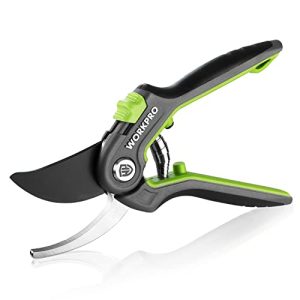
To prune your juniper bonsai effectively, having the right tools is crucial. You’ll need a pair of sharp scissors specifically designed for bonsai. These help in making clean cuts without damaging the tree. A pair of concave cutters is also indispensable. They ensure that cuts heal quickly by minimizing scarring. Invest in good-quality tools; they not only last longer but also make the job much easier.Styling Techniques
Styling your juniper bonsai involves creativity and patience. Start by envisioning the shape you want your tree to take. Do you prefer a classic, upright style or something more windswept and dramatic? When shaping, remove any branches that cross over or detract from your desired form. Always trim at a slight angle, close to the trunk, to encourage healthy growth. Remember, less is often more; over-pruning can stress the tree. Consider wiring branches to train them into specific shapes. Use aluminum or copper wire, and wrap it gently to avoid damaging the bark. Check the wiring periodically to ensure it isn’t cutting into the growing branches. Pruning and shaping can seem daunting at first, but they become more intuitive with practice. Have you ever wondered how a simple snip can change the entire look of your bonsai? By observing how your tree responds, you’ll gain insights and confidence over time. What challenges have you faced while pruning your juniper bonsai? Share your experiences and tips in the comments below!Fertilization Strategies
Fertilizing a juniper bonsai tree is crucial for its health and growth. Proper nutrients ensure vibrant foliage and a sturdy structure. Understanding fertilization strategies can transform your bonsai care routine. Let’s explore essential tips for choosing the right fertilizer and seasonal fertilization advice.
Choosing The Right Fertilizer
Choose a balanced fertilizer for your juniper bonsai. A 10-10-10 or 20-20-20 ratio works well. Ensure it has equal parts of nitrogen, phosphorus, and potassium. Organic fertilizers can be gentler. Fish emulsion or seaweed extract are great options. They provide essential nutrients without harsh chemicals. Liquid fertilizers allow easy absorption. Apply them to the soil for best results.
Seasonal Fertilization Tips
Fertilize your juniper bonsai during its growing season. Spring and summer are ideal times. Use a balanced fertilizer every two weeks. Reduce fertilization in autumn. The tree prepares for dormancy then. Avoid fertilizing in winter. The tree’s growth slows down significantly. Over-fertilizing can harm your bonsai. Be cautious with the amount you apply.
Pest And Disease Management
Juniper bonsai trees are a beautiful addition to any space. But they can face threats from pests and diseases. Proper care involves understanding and managing these issues. This ensures your bonsai remains healthy and vibrant.
Identifying Common Pests
Juniper bonsai trees attract various pests. Aphids are tiny insects that suck sap. They cause leaves to curl and distort. Spider mites are another common threat. They create webbing on the leaves, leading to discoloration. Scale insects appear as small, round bumps on branches. They feed on sap and weaken the tree. Recognizing these pests early helps in effective management.
Preventive Measures
Regularly inspect your bonsai for signs of pests. Early detection prevents severe damage. Maintain proper humidity levels to deter spider mites. Dry conditions favor their growth. Use neem oil as a natural pesticide. It repels many common pests. Ensure your bonsai has good air circulation. This reduces the likelihood of fungal infections.
Keep your juniper bonsai clean and dust-free. Dust attracts pests and blocks sunlight. Trim dead or weak branches regularly. This promotes healthy growth and reduces pest habitats. By following these practices, your bonsai will thrive.
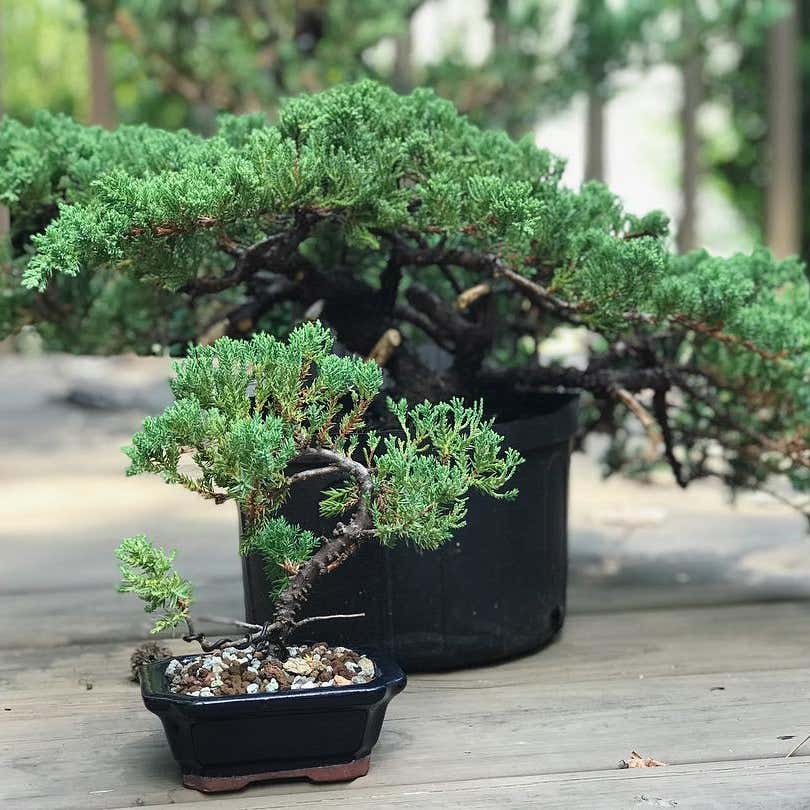
Credit: greg.app
Winter Care
Caring for a Juniper Bonsai Tree in winter requires attention to watering needs and light exposure. Ensure it receives indirect sunlight and keep the soil slightly moist. Protect the tree from cold drafts to maintain its health and vibrant appearance.
Winter can be a challenging time for Juniper Bonsai trees. Proper care ensures their survival through the cold months. They need special attention to thrive during this season. Let’s explore how to care for your bonsai tree during winter.Protecting Against Frost
Frost can damage your Juniper Bonsai. Protect it by moving it indoors during extreme cold. A garage or shed can work well. Ensure the space is cool, not warm. Avoid placing your bonsai near heat sources. Insulate the pot with burlap or bubble wrap. This shields the roots from freezing temperatures. Frost protection is vital for your bonsai’s health.Adjusting Watering In Winter
Watering needs change during winter months. Reduce watering frequency to prevent root rot. Check the soil moisture level regularly. The topsoil should be slightly dry before watering. Use room temperature water for your bonsai. Cold water can shock the plant. Ensure good drainage to avoid waterlogging. Proper watering keeps your bonsai healthy in winter.Common Mistakes To Avoid
Caring for a Juniper Bonsai tree requires attention and precision. Many enthusiasts, especially beginners, face challenges due to common mistakes. Avoiding these errors can ensure your Bonsai thrives and flourishes beautifully. Knowing what not to do is as crucial as knowing what to do. Let’s explore these common pitfalls.
Overwatering The Juniper Bonsai
Juniper Bonsai trees prefer dry conditions. Overwatering can lead to root rot and decay. Check the soil moisture regularly. Only water when the top layer is dry. This prevents saturation and keeps the roots healthy.
Neglecting Proper Pruning
Pruning is vital for maintaining the Bonsai’s shape. Without regular trimming, branches grow unevenly. Trim excess growth to maintain balance and aesthetics. Use sharp tools to avoid damaging the plant.
Ignoring Light Requirements
Juniper Bonsai trees need ample sunlight. Lack of light weakens the tree and affects growth. Place your Bonsai in a bright spot. Ensure it receives at least six hours of sunlight daily.
Using Incorrect Soil
Soil composition is essential for Bonsai health. Regular potting soil retains too much moisture. Use Bonsai-specific soil for optimal drainage. This keeps the roots from rotting and promotes healthy growth.
Skipping Fertilization
Bonsai trees need nutrients to thrive. Forgetting to fertilize can stunt growth. Use a balanced fertilizer monthly during growing seasons. This boosts the tree’s health and vitality.
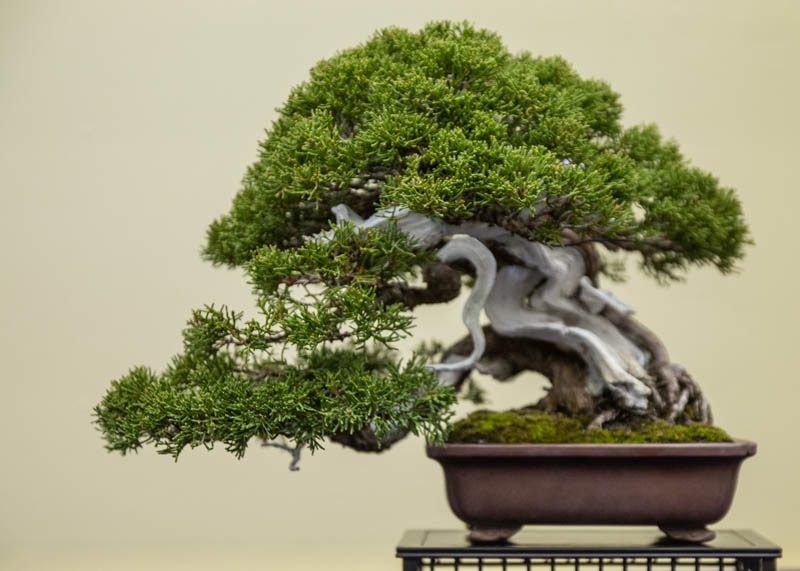
Credit: www.bonsaiempire.com
Benefits Of Growing Juniper Bonsai
Growing a Juniper Bonsai tree offers a multitude of benefits. This miniature tree brings a touch of nature indoors. It captivates with its intricate branches and lush foliage. Caring for a Juniper Bonsai nurtures patience and tranquility. The process of shaping and nurturing becomes a rewarding hobby.
Enhances Indoor Aesthetic
A Juniper Bonsai enhances your home’s aesthetic appeal. Its unique appearance creates a focal point in any room. The small size fits perfectly on tables or shelves. Adding a Bonsai introduces a touch of elegance and style.
Promotes Relaxation And Calm
Caring for a Bonsai tree promotes relaxation. The pruning and watering routines are calming activities. Spending time with your Bonsai reduces stress. The peaceful nature of these tasks brings a sense of calm.
Improves Focus And Patience
Growing a Juniper Bonsai improves focus. The meticulous care required develops patience. Watching it grow teaches perseverance. It becomes a lesson in dedication and attention.
Connects With Nature Indoors
Bringing a Juniper Bonsai indoors connects you with nature. It brings the outdoors into your living space. The greenery provides a refreshing view. This connection fosters a sense of well-being.
Low Maintenance And Resilient
Juniper Bonsai trees are low maintenance. They require minimal watering and care. Their resilience makes them ideal for beginners. These trees adapt well to various conditions.
Provides Educational Opportunities
Growing a Bonsai offers educational opportunities. Learn about plant care and growth cycles. Study the art of shaping and styling. This knowledge expands your gardening skills.
:max_bytes(150000):strip_icc()/growing-juniper-bonsai-508312-01-d20b5d68bd784efd8a8ccfe8474c685b.jpg)
Credit: www.thespruce.com
Frequently Asked Questions
How To Care For An Indoor Juniper Bonsai Tree?
Water juniper bonsai when soil feels dry, but avoid overwatering. Provide bright, indirect sunlight daily. Prune regularly to maintain shape. Fertilize monthly in growing season. Ensure good drainage and humidity around the plant.
What Is The Rule Of 3 In Bonsai?
The rule of 3 in bonsai involves creating visual balance. It includes three key elements: height, width, and depth. This ensures harmony in the bonsai design, enhancing aesthetics and natural appearance. Properly applying this rule results in well-proportioned and appealing bonsai trees.
How Often Should You Water A Juniper Bonsai Tree?
Water a juniper bonsai when the topsoil feels dry. Typically, this means every 2-3 days. Ensure proper drainage to prevent root rot. Adjust frequency based on season and environment.
Are Juniper Bonsai Good For Beginners?
Juniper bonsai are excellent for beginners. They are hardy, low-maintenance, and adaptable to various environments. With proper care, juniper bonsai thrive indoors and outdoors. Their resilience makes them ideal for learning bonsai techniques. Beginners can enjoy the rewarding experience of nurturing these beautiful trees.
Conclusion
Caring for a juniper bonsai tree is rewarding. Regular watering keeps it healthy. Prune branches to maintain its shape. Feed it with balanced fertilizer. Place it in bright light, but avoid direct sun. Protect from harsh winds and cold temperatures.
Watch for pests and treat them promptly. With patience and attention, your bonsai will thrive. Enjoy the beauty it brings to your space. Each care step ensures its longevity and elegance. Dedicate time to understand its needs. Your efforts will yield a stunning, vibrant bonsai.