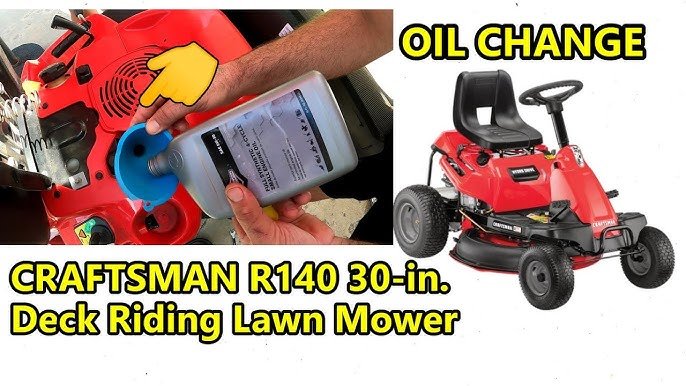
If you want your lawn mower to run smoothly and last longer, changing its oil regularly is a must. But maybe you’ve never done it before, or you’re not sure where to start.
Don’t worry—this guide will walk you through every step, making the process simple and stress-free. By the time you’re done, you’ll save money and avoid costly repairs. Ready to take control of your mower’s maintenance? Let’s get started!
Preparing For The Oil Change
Changing the oil in your lawn mower keeps it running smoothly. Before you start, get everything ready.
Proper preparation saves time and helps avoid mistakes during the oil change.
Gathering Necessary Tools And Supplies
Collect all tools and supplies before you begin. This makes the oil change easier and faster.
- Clean container to catch old oil
- Wrench or socket set to remove the drain plug
- New oil filter if your mower has one
- Fresh oil that fits your mower’s engine
- Funnel to pour oil without spilling
- Rags or paper towels for cleaning
- Gloves to protect your hands
Choosing The Right Oil
Use the oil type your lawn mower’s manual recommends. Using the right oil keeps the engine healthy.
Check the oil viscosity number, like 10W-30, which tells how the oil flows at different temperatures.
- Use SAE 30 oil for warm weather
- Use 10W-30 oil for all-season use
- Check for synthetic or conventional options
- Never mix different oil types
Safety Precautions
Safety is important when changing oil. Always work on a flat surface and keep the mower off.
Wait until the engine cools before touching the oil or parts. Hot oil can cause burns.
- Wear gloves to protect your skin
- Use eye protection to avoid splashes
- Dispose of old oil properly
- Keep oil away from children and pets
- Work outside or in a well-ventilated area
:max_bytes(150000):strip_icc()/GettyImages-1267584660-26f71400e7384966be4d68433e3418b7.jpg)
Credit: www.marthastewart.com
Draining The Old Oil
Changing the oil in your lawn mower helps it run smoothly. Draining the old oil is the first important step.
Follow these simple parts to drain the old oil safely and cleanly.
Locating The Oil Drain Plug
Find the oil drain plug under the mower engine. It is usually a small bolt or screw.
Check your lawn mower manual if you have trouble finding it. Some models may not have a drain plug and need another method.
Positioning The Drain Pan
Place a drain pan or container under the oil drain plug. Use a pan that can hold all the old oil.
Make sure the pan is stable and will not tip over during draining. This helps to avoid spills and messes.
Removing The Drain Plug
Use a wrench or socket to loosen the drain plug. Turn it slowly to avoid splashing oil.
Let all the old oil drain into the pan. After draining, clean the drain plug before putting it back on.
Replacing The Oil Filter
Changing the oil filter in your lawn mower is important. It keeps the engine clean and running well.
This guide shows how to replace the oil filter safely and simply.
Identifying The Oil Filter
The oil filter looks like a small cylinder. It is usually near the engine block.
Check your mower’s manual if you cannot find it. The filter might be black or metal colored.
- Look for a round or oval part attached to the engine
- The filter may have a textured or ribbed surface
- It is connected to the oil system, not the fuel system
Removing The Old Filter
Turn off the mower and let the engine cool. Place a container under the filter to catch oil.
Use an oil filter wrench to turn the filter counterclockwise. Remove it carefully to avoid spills.
- Wear gloves to keep your hands clean
- Keep rags nearby to wipe any oil drips
- Dispose of the old filter properly
Installing The New Filter
Before installing, apply a thin layer of new oil to the filter’s rubber seal. This helps it seal tightly.
Screw the new filter onto the engine by hand. Tighten it firmly but do not over-tighten.
- Check for leaks after installation
- Clean any spilled oil from the mower
- Refill the engine with fresh oil as needed

Credit: www.youtube.com
Adding New Oil
Adding new oil to your lawn mower keeps the engine running smoothly. Proper oil levels help the mower work well and last longer.
Follow these simple steps to add fresh oil safely and correctly to your mower.
Checking Oil Capacity
First, find out how much oil your mower needs. Check the owner’s manual for the exact amount. Using too much or too little oil can harm the engine.
Most small lawn mowers hold about half a quart to one quart of oil. Make sure you have the right type and amount of oil before you start.
Pouring In The New Oil
Place the mower on a flat surface to keep the oil level correct. Remove the oil fill cap or dipstick to open the oil tank.
Use a funnel to pour the new oil slowly. Pour a little at a time to avoid overfilling. Stop pouring when you reach the recommended amount.
Checking Oil Level
Wait a few minutes after pouring oil. This lets the oil settle in the engine. Then check the oil level with the dipstick.
Wipe the dipstick clean, insert it fully, and then pull it out to see the oil level. Add more oil if it is low, but do not overfill.
Finishing Up
After changing the oil in your lawn mower, you need to finish the job carefully. Proper finishing keeps your mower safe and clean.
Follow these steps to secure the drain plug, clean up any spills, and dispose of old oil the right way.
Securing The Drain Plug
Make sure the drain plug is tight after draining the oil. This stops oil from leaking when you run the mower.
Use a wrench to snug the plug. Do not over-tighten it because this can damage the threads.
Cleaning Up Spills
Oil spills can make your work area slippery and dirty. Wipe up any spills right away with rags or paper towels.
Use absorbent materials like kitty litter for bigger spills. Dispose of these materials properly to avoid pollution.
- Keep rags or paper towels nearby
- Use absorbent powder for large spills
- Clean the area thoroughly after oil change
Proper Disposal Of Old Oil
Old oil can harm the environment if thrown away incorrectly. Collect used oil in a sealed container.
Take the used oil to a recycling center or auto shop that accepts oil. Never pour oil down drains or on soil.
- Use a clean, leak-proof container
- Label the container as used oil
- Find local recycling or disposal sites
- Follow local rules for hazardous waste

Credit: www.youtube.com
Tips For Maintaining Your Lawn Mower
Keeping your lawn mower in good shape helps it run longer and cut better. Simple care steps can prevent big problems.
Regular maintenance saves money and makes mowing easier. Learn how to change oil and do other tasks.
Regular Oil Change Schedule
Change the oil after the first 5 hours of use on a new mower. Then, change it every 25 hours or once a season.
Check the oil level before each use. Use the right oil type for your mower model.
- Warm up the engine before changing oil
- Use a clean container to drain old oil
- Replace the oil filter if your mower has one
- Fill with fresh oil to the correct level
- Dispose of old oil safely
Other Routine Maintenance Tasks
Besides oil changes, clean the mower after each use. Remove grass clippings and dirt from blades and deck.
Check and replace the air filter every 25 hours or if it looks dirty. Inspect spark plugs yearly and replace if worn.
- Sharpen blades regularly for a clean cut
- Check tire pressure and inflate as needed
- Tighten loose bolts and screws
- Store the mower in a dry place
Frequently Asked Questions
How Often Should I Change Lawn Mower Oil?
Change your lawn mower oil every 50 hours of use or annually. Regular oil changes ensure optimal engine performance and longevity. Always refer to your mower's manual for specific recommendations.
What Type Of Oil Is Best For Lawn Mowers?
Use SAE 30 oil for most lawn mowers, especially in warmer climates. For varying temperatures, consider synthetic alternatives like 10W-30. Always check the manufacturer’s guidelines for the best choice. In addition to selecting the right oil, it's essential to change it regularly to maintain optimal engine performance. For specific models or brands, consult your owner's manual for lawn mower oil recommendations that cater to your mower's needs. Following these guidelines ensures a longer lifespan for your equipment and more efficient operation.
Can I Use Car Oil In A Lawn Mower?
Yes, but ensure it's suitable for small engines. Use SAE 30 or 10W-30 oil. Avoid oils with additives that may harm mower engines. Always consult your mower's manual.
What Tools Are Needed For An Oil Change?
You'll need an oil pan, funnel, wrench, and new oil. A clean cloth can help with spills. Check your lawn mower’s manual for any specific tools.
Conclusion
Changing your lawn mower oil keeps the engine running well. Clean oil helps the mower work longer and better. Regular oil changes prevent damage and save money. Use the right oil type and check levels often. A simple step that protects your mower’s power.
Keep your mower ready for every cutting job. Small care makes a big difference in performance. Try this easy task to keep your mower strong. Your lawn mower will thank you with smooth runs.