
Imagine your backyard filled with the delightful chirping of birds, drawn by a nutritious feast you've prepared just for them. If you’ve ever wondered how to attract a vibrant variety of birds right to your doorstep, feeding them mealworms could be your key to success.
Mealworms are like a gourmet treat for many bird species, packed with proteins and essential nutrients that make them irresistible. But how do you get started? And how can you ensure you're feeding them safely and effectively? In this guide, we’ll walk you through everything you need to know about feeding mealworms to birds, transforming your yard into a lively haven of feathered friends.
Get ready to discover the joy of birdwatching like never before!
Benefits Of Mealworms For Birds
Mealworms provide essential nutrients for birds, boosting their energy and health. For optimal feeding, place mealworms in a shallow dish or scatter them on the ground. This allows birds to easily access and enjoy their nutritious treat.
Feeding mealworms to birds isn't just about providing them a tasty treat. It's about enhancing their nutrition and ensuring they thrive. Mealworms offer birds a protein-rich diet that supports their health and energy needs. Whether you're a seasoned bird enthusiast or new to bird feeding, understanding the benefits of mealworms can transform your backyard into a haven for feathered friends.
Rich In Protein
Mealworms are packed with protein, essential for birds' growth and maintenance. Protein plays a critical role in developing strong muscles and feathers. By offering mealworms, you're boosting their energy, helping them fly faster and farther.
Improved Reproduction
Birds require extra nutrients during breeding seasons. Mealworms can enhance reproductive success by providing essential nutrients. You might notice increased nest-building activity and healthier chicks in your garden.
Year-round Appeal
Mealworms attract a variety of bird species throughout the year. Unlike seeds that might cater only to certain birds, mealworms offer universal appeal. You could discover unexpected visitors at your bird feeder, adding excitement and diversity to your bird-watching experience.
Easy To Store And Serve
Mealworms are simple to store and serve. Dried mealworms can be kept for long periods without spoilage. You can sprinkle them on a feeder or mix them with other foods, making mealworm feeding convenient for you.
Environmentally Friendly Choice
Raising mealworms can be an eco-friendly option. They require minimal resources compared to other feed options. By choosing mealworms, you’re contributing to sustainable feeding practices. Have you considered how mealworms might change your bird feeding routine? They offer practical benefits that go beyond basic nutrition, potentially attracting new bird species to your garden. Your backyard can become a lively, bustling space where birds thrive.
Nutritional Value
Mealworms offer high protein, essential for birds' growth and energy. Serve them dried or live for variety. Enhance your backyard birdwatching by placing mealworms in feeders or shallow dishes.
Feeding mealworms to birds is not just a treat for them; it's a nutritional powerhouse that can significantly enhance their diet. Mealworms are packed with proteins, fats, and essential vitamins that contribute to the overall health and vitality of birds. Whether you're attracting songbirds to your backyard or caring for pet birds, mealworms can be a game-changer in their diet. Let's dive into the nutritional components that make mealworms a top choice for bird feeding.
Protein Content
Protein is crucial for birds, especially during breeding and molting seasons. Mealworms are rich in protein, making them ideal for supporting growth and feather development. Have you ever noticed how vibrant and active birds become after a mealworm feast? It's the protein doing its magic. Think of mealworms as the energy bars for birds, giving them the strength to thrive.
Healthy Fats
Birds need fats for energy and insulation, particularly in colder months. Mealworms provide healthy fats that keep birds warm and active. Imagine the joy of watching birds flitting around energetically even in winter, thanks to the energy boost from mealworms. This fat content helps birds maintain their metabolism and stay active, even during chilly days.
Vitamins And Minerals
Mealworms are not just about protein and fats; they also offer a range of vitamins and minerals. These nutrients support the immune system and overall health of birds. Have you ever wondered why birds that eat mealworms often appear more vibrant and healthy? The secret lies in those essential nutrients that mealworms offer. From Vitamin B12 to essential minerals, mealworms are like multivitamins for birds.
Easy Digestion
Mealworms are easy for birds to digest, which means they can quickly absorb all the nutrients. This ease of digestion ensures that birds get the maximum benefit from their mealworm snack. Consider how mealworms can be an essential part of a bird’s diet, especially if you want them to be healthy and happy. The efficiency of mealworm digestion makes them a convenient and effective food source.
Feeding Tips
Now that you know the nutritional benefits, how do you effectively feed mealworms to birds? Start with small quantities and gradually increase based on the birds' interest and need. You can offer mealworms in a dish or spread them directly on the ground. Think about how feeding mealworms can transform your bird-watching experience. It’s not just about feeding; it's about creating an environment where birds can thrive. Wouldn't you love to see more vibrant bird life in your garden? Mealworms are an excellent choice for those who want to support birds' health. By understanding their nutritional value, you can make informed decisions that benefit both the birds and your bird-watching experience.
Types Of Mealworms
Birds love mealworms as a tasty snack. Dry mealworms are easy to store and feed. Live mealworms wiggle, attracting birds quickly. Scatter them on the ground or use feeders. Watch birds enjoy their meal!
Feeding mealworms to birds is a fantastic way to attract feathered visitors to your garden. Mealworms are rich in protein and provide essential nutrients that help birds thrive. But did you know there are different types of mealworms you can offer? Each type has its unique benefits and feeding methods. Let's dive into understanding these types and how they can enhance your bird-feeding experience.
Live Mealworms
Live mealworms are a favorite among birds. Their movement captures attention and stimulates a bird's natural hunting instincts. Offering live mealworms can bring a variety of birds to your backyard, including robins and bluebirds. To feed live mealworms, use a shallow dish or specialized feeder. This prevents them from escaping and makes it easy for birds to spot them. You may notice increased activity around your feeders as birds eagerly feast on these wriggling treats. A simple observation: live mealworms seem to attract more birds during the breeding season. Could it be that the extra protein helps nourish their chicks? Consider offering live mealworms in spring and summer to support bird families.
Dried Mealworms
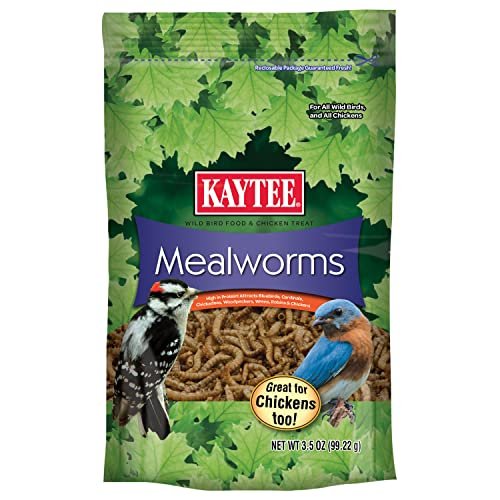
Dried mealworms are convenient and less messy than live ones. They can be stored easily without refrigeration and used as needed. While they lack the enticing movement of live mealworms, they still provide excellent nutrition. Simply sprinkle dried mealworms on a feeding platform or mix them with seed. They can also be soaked in warm water to rehydrate them, making them more appealing to birds. If you're short on time or prefer a tidy feeding experience, dried mealworms are a practical choice. Have you tried adding them to your bird feeder yet? You might be surprised by how many birds enjoy this easy-to-serve option. When choosing between live and dried mealworms, consider your lifestyle and the birds you wish to attract. Each type offers unique benefits, so why not try both and observe the difference in bird visits?
Selecting Quality Mealworms
Feeding mealworms to birds can be a delightful experience. Birds adore these protein-rich treats, providing essential nutrients. Selecting quality mealworms ensures birds receive the best nutrition. Fresh and nutritious mealworms benefit both birds and their feeders. Let's explore how to choose the finest mealworms for your feathered friends.
Inspecting Mealworm Appearance
Quality mealworms should appear lively and vibrant. They should be a light, golden color. Dark or shriveled worms might be unhealthy or old. Avoid buying mealworms with a musty smell. Look for smooth and shiny skins. This indicates freshness and good health.
Checking For Active Movement
Active mealworms are usually healthy. They should wiggle and move energetically. Still or slow-moving mealworms may be dying. Healthy mealworms will crawl around in their container. This activity shows they are fresh and ready to feed.
Purchasing From Reputable Suppliers
Buy mealworms from trusted sources. Reputable suppliers ensure mealworms are fresh and disease-free. They follow strict hygiene practices. This reduces the risk of parasites or infections. Check reviews or ask for recommendations before purchasing.
Storing Mealworms Properly
Store mealworms in a cool, dry place. A refrigerator is ideal for long-term storage. Use a breathable container to prevent suffocation. Ensure mealworms have a food source, like oats or bran. This keeps them healthy and ready for feeding.
Considering Freeze-dried Options
Freeze-dried mealworms offer a convenient alternative. They require no refrigeration. These mealworms retain essential nutrients. They have a long shelf-life and are easy to store. Ideal for those wanting low-maintenance bird feeding.
Preparing Mealworms For Feeding
Feeding mealworms to birds offers them a nutritious treat. Birds love mealworms for their protein content. Preparing mealworms properly ensures birds receive the best quality food. Clean and store mealworms right for optimal bird health.
Washing And Cleaning
Start by rinsing mealworms with fresh water. Use a strainer to drain them well. This removes any debris or unwanted particles. Dry them on a paper towel. Ensure they are fully dry before feeding birds.
Storing Mealworms
Store mealworms in a cool, dry place. A refrigerator works well for live mealworms. Keep them in a ventilated container. This maintains their freshness. For dried mealworms, use an airtight container. This prevents moisture from spoiling them.
Feeding Techniques
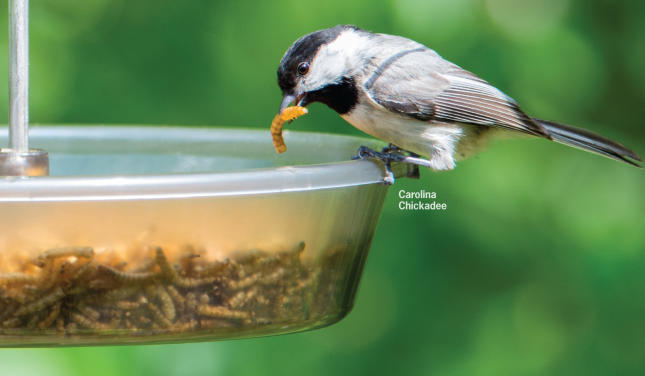
Birds thrive on mealworms for their protein-rich benefits. Offer them in feeders or sprinkle on the ground. Attracting various species requires fresh mealworms to maintain interest.
Feeding mealworms to birds can be a delightful experience for both you and the feathered visitors to your backyard. These protein-rich treats attract a variety of birds, and learning the right techniques to offer them can enhance your birdwatching adventures. Whether you choose to use feeders or prefer a more natural approach, understanding the best methods ensures that birds benefit the most from your offerings.
Using Feeders
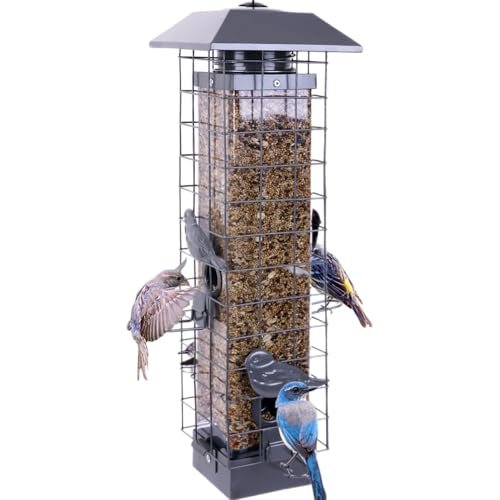
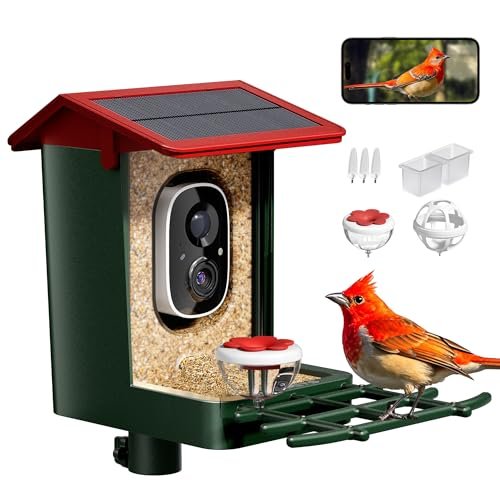
Feeders are a great way to present mealworms to birds efficiently. Choose a feeder designed specifically for mealworms to prevent them from escaping. A dish or bowl-like feeder with smooth sides works well. Place the feeder in an area that's easily accessible to birds but not to other animals. Hanging it from a tree branch or using a pole can help. Ensure the feeder is visible from a safe distance, allowing birds to approach without fear of predators. Regularly clean the feeder to prevent mold and bacteria. Fresh mealworms are more appealing to birds and healthier too. Have you ever noticed how much more active birds become when they spot fresh food?
Direct Ground Feeding
Some birds prefer to forage naturally, making ground feeding a suitable method. Scatter mealworms on the ground in a safe, open space. This technique mimics their natural hunting behavior, attracting ground-feeding species. Be mindful of where you place the mealworms. Choose spots away from heavy foot traffic and potential threats. A quiet corner of your garden can be ideal. Observe how birds interact with the mealworms on the ground. You might find that certain species visit more frequently. Have you ever thought about how different feeding methods can attract a wider variety of birds to your garden? These techniques can transform your backyard into a thriving bird habitat. By experimenting with different methods, you can discover what works best for your feathered friends. Which technique will you try today to invite more birds into your life?
Feeding Frequency And Quantity
Feeding mealworms to birds can be a rewarding experience. It attracts a variety of birds to your garden. Understanding the right feeding frequency and quantity is essential. This ensures you provide a healthy diet without overfeeding.
Feeding Frequency
Offer mealworms to birds once or twice daily. Consistent feeding helps them rely on your garden as a food source. Morning and late afternoon are ideal feeding times. Birds are most active during these periods.
Avoid feeding mealworms more than twice a day. It may cause birds to rely too heavily on this food source. Balance their diet with other food types like seeds and fruits.
Quantity To Feed
Start with small portions of mealworms. A handful is sufficient for a group of birds. Monitor how much the birds consume. Adjust the quantity based on their consumption patterns.
Too many mealworms can lead to nutritional imbalance. Ensure birds have access to water and other food sources. This promotes a healthy and varied diet.
Observing Bird Behavior
Watch how birds respond to mealworm offerings. Are they eating quickly? Are there leftovers?
These observations help determine if you need to adjust feeding habits. If birds seem disinterested, reduce the quantity. If they consume rapidly, consider offering slightly more.
Seasonal Adjustments
Adjust mealworm offerings based on the season. Birds need more food in winter for energy.
During breeding season, increase the quantity slightly. This supports growing chicks and active parents. In warmer months, maintain smaller portions. Birds find alternative food sources more easily then.
Attracting Different Bird Species
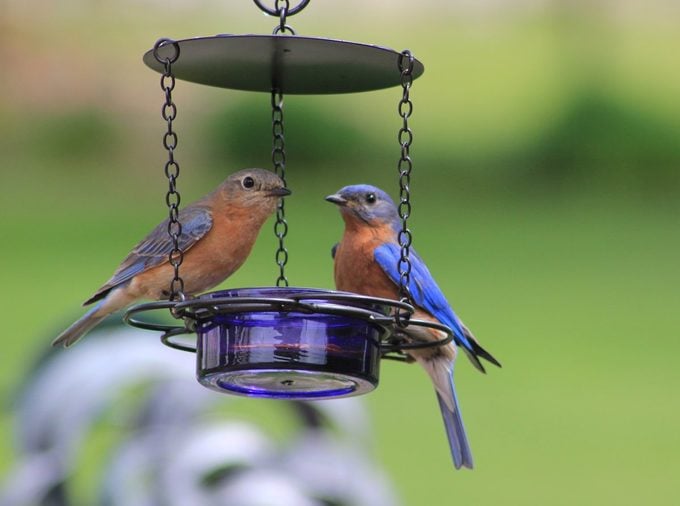
Feeding mealworms to birds attracts a variety of species to your garden. Scatter dried or live mealworms on bird feeders or trays. This protein-rich treat appeals to robins, bluebirds, and chickadees, enhancing your backyard bird-watching experience.
Attracting a variety of bird species to your backyard can turn your outdoor space into a lively, colorful haven. Mealworms are a nutritious treat that can entice a diverse range of birds. By understanding the preferences of different wild and backyard birds, you can create an inviting environment that encourages them to visit regularly. Curious about which birds might stop by for a mealworm feast?
Preferences Of Wild Birds
Wild birds are often selective about their diet. Some birds are drawn to mealworms because they mimic their natural prey. Bluebirds, for example, are known for their love of these protein-rich snacks. Their preference can be attributed to the mealworms' resemblance to insects they usually eat in the wild. Robins are another species that may flock to your yard when mealworms are on the menu. They appreciate the ease of catching mealworms, especially when they’re placed on elevated surfaces. Have you ever noticed how robins hop along the ground searching for worms? Providing mealworms can attract these charming birds closer to your home. You may also attract nuthatches, which are known for their unique feeding habits. They enjoy mealworms as they can easily carry them away and store them for later consumption. Offering mealworms can lead to fascinating bird-watching experiences right from your backyard.
Feeding Backyard Birds
Feeding mealworms to backyard birds is simple and rewarding. You can offer them dried or live mealworms, depending on what's available. Most birds find dried mealworms to be an acceptable substitute when live ones aren’t handy. Place mealworms in a bird feeder that allows easy access for small birds. This can prevent larger birds from monopolizing the food. Consider using a mesh or tray feeder designed for mealworms to ensure your feathered visitors can enjoy their treats without competition. Do you have a favorite spot in your yard where birds gather? Try placing mealworms there to see an increase in activity. Observing the different species that visit can be a delightful way to connect with nature right from your backyard. Have you ever tried feeding birds in winter? Mealworms can be particularly appealing when other food sources are scarce. By catering to the preferences of various birds, you can create a vibrant ecosystem that supports your local wildlife. Enjoy the beauty of nature as different bird species come to enjoy the mealworms you provide.
Monitoring Bird Health
Feeding birds with mealworms supports their health by providing essential nutrients. Offer them dried or live mealworms in feeders. Keep mealworms fresh and clean to ensure safe consumption.
Feeding mealworms to birds is a delightful experience, but it's crucial to keep an eye on the birds' health. Monitoring bird health helps ensure they thrive on their new diet and remain vibrant. As you embark on this bird-feeding journey, understanding the signs of good health and potential issues can make all the difference.
Observing Physical Appearance
Pay attention to the birds' feathers. Healthy birds should have smooth, shiny plumage. Dull or ruffled feathers may indicate nutritional deficiencies or illness. Notice the birds' eyes and beaks. Clear, bright eyes and a clean, smooth beak are signs of good health. If you see discharge or crustiness, it might be time to reconsider their diet or consult a professional.
Monitoring Behavior
Healthy birds are active and alert. They will flit around energetically and show curiosity. If you notice lethargy or disinterest, it might suggest a health issue. Watch for changes in eating habits. Birds should eagerly consume mealworms. A sudden lack of appetite can signal digestive or health problems.
Checking Droppings
Observe the droppings for consistency and color. Healthy droppings are firm with a white cap. Loose or discolored droppings may indicate dietary issues. Adjust the mealworm quantity if you notice changes. Sometimes, simply reducing or increasing the number of mealworms can resolve digestive concerns.
Consulting Experts
Don't hesitate to seek advice from a local bird expert. They can offer insights specific to your region and the bird species you feed. Join bird-watching communities online or locally. Sharing experiences and observations can help you learn more about maintaining bird health. Are there other signs you look for when monitoring bird health? Your observations and experiences could benefit the bird-feeding community.

Potential Risks And Considerations
Feeding mealworms to birds can be rewarding. But it's essential to know the potential risks. Being aware helps ensure a safe feeding process. Proper knowledge safeguards the health of your feathered friends.
Understanding these risks will aid in creating a balanced diet for birds. With careful attention, feeding mealworms can be beneficial and fun.
Overfeeding Concerns
Mealworms are high in protein. They should not be the main diet. Birds need a balanced diet to stay healthy. Too many mealworms can lead to nutrient imbalance.
Monitor the amount of mealworms you offer. Keep the portion sizes small. This prevents overfeeding and maintains bird health. Observe the birds' behavior and adjust as necessary.
Pest Management
Mealworms can attract pests. Storage conditions play a crucial role. Keep mealworms in a sealed container. This prevents unwanted insects and rodents.
Inspect your storage area regularly. Ensure it is dry and clean. Proper storage minimizes the risk of infestation. Always dispose of expired mealworms safely.
Frequently Asked Questions
Do You Need To Soak Mealworms For Birds?
Soaking mealworms for birds isn't necessary. Birds can eat dry mealworms without issues. Soaking can make them more appealing and hydrate birds.
What Type Of Bird Feeder Do You Put Mealworms In?
Opt for a platform, tray, or dish-style bird feeder for mealworms. These feeders offer easy access. Ensure it's sturdy and weather-resistant. Place it in a safe location to attract various birds. Clean regularly to maintain hygiene and attract more birds.
How Do You Prepare Dried Mealworms For Bluebirds?
Soak dried mealworms in warm water for 30 minutes to soften them for bluebirds. Offer them in a tray feeder. Ensure the feeder is clean and placed in a quiet area. Use a mix of live and dried worms to attract bluebirds effectively.
How To Store Dried Mealworms For Birds?
Store dried mealworms in an airtight container. Keep them in a cool, dry place away from sunlight. Ensure the storage area is free from moisture. Use within their expiry date for best quality. Regularly check for signs of spoilage or pests.
Conclusion
Feeding mealworms to birds is simple and rewarding. Birds love the taste. Mealworms provide essential nutrients, aiding bird health. Start with small amounts. Gradually increase as birds get used to them. Ensure mealworms are fresh and clean. Observe bird behavior and adjust feeding as needed.
A clean feeding area helps maintain bird health. Enjoy watching birds thrive with this nutritious addition. This simple practice supports a balanced diet for your feathered friends. Remember, happy birds make for a vibrant garden. Keep feeding consistent for best results.
Your efforts will attract more birds to your space.