
Are you curious about adding a zesty twist to your backyard birdfeeding routine? Feeding oranges to birds can be a delightful way to attract a variety of feathered friends to your garden.
Not only do oranges provide essential nutrients, but their vibrant color and refreshing scent can make your birdwatching experience even more enjoyable. Imagine the joy of watching a flurry of colorful birds flocking to your yard, drawn in by the irresistible allure of juicy orange slices.
In this guide, you'll discover simple and effective ways to safely offer oranges to birds, ensuring that you create a nourishing and inviting haven for your avian visitors. Dive in, and let's transform your backyard into a lively bird paradise!
Benefits Of Oranges For Birds
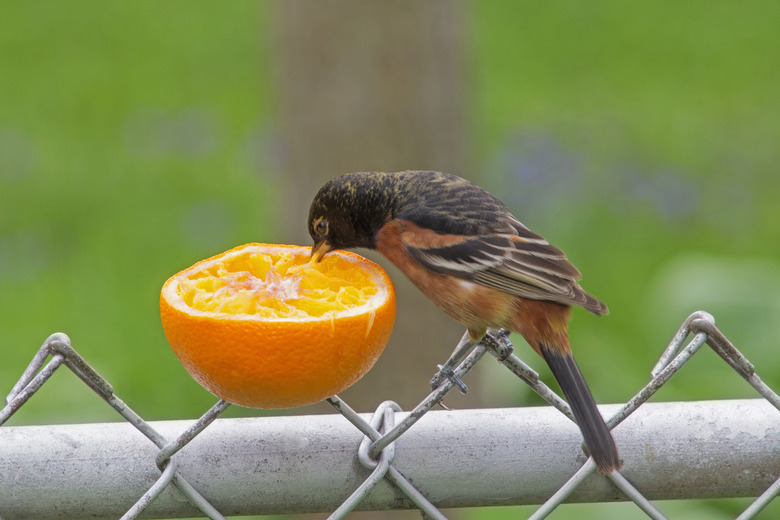
Birds enjoy the sweet taste of oranges, which provide essential vitamins and hydration. Offer sliced oranges on a bird feeder, ensuring easy access. Fresh oranges attract various species, adding a healthy snack to their diet.
Feeding oranges to birds can be a delightful and beneficial activity, both for you and for the birds. Oranges provide a burst of energy and nutrients that can enhance the health of your feathered friends. Let's dive into some specific benefits that these juicy fruits offer to birds.
Rich Source Of Vitamin C
Oranges are packed with vitamin C, an essential nutrient that boosts a bird’s immune system. A healthy immune system helps birds fight off diseases and infections. By adding oranges to their diet, you can help ensure they stay vibrant and lively.
Hydration
Birds need hydration just as much as any other living creature. The high water content in oranges can help keep birds hydrated, especially in hot weather. This natural source of hydration is a refreshing treat that birds will appreciate.
Improved Digestion
The fiber in oranges aids in digestion for birds. It helps keep their digestive tract healthy and functioning properly. Offering oranges can be a simple way to support their digestive health.
Energy Boost
The natural sugars in oranges provide a quick energy boost. Birds require plenty of energy for flying and other activities. By feeding them oranges, you can help sustain their energy levels throughout the day.
Attraction Of Diverse Species
Placing oranges in your backyard can attract a variety of bird species. You might see orioles, finches, and woodpeckers flocking to your garden. This can turn your backyard into a vibrant hub of avian activity. Have you noticed any unusual bird visitors after placing oranges outside? These fruits can be a simple yet effective way to invite more feathered friends into your life. Embrace the benefits and enjoy the colorful company!

Choosing The Right Oranges
Feeding birds can be a delightful activity. Choosing the right oranges is crucial. Not all oranges are suitable for birds. The right choice ensures they enjoy a tasty, safe snack. Let's explore how to select the best oranges for our feathered friends.
Consider Organic Options
Organic oranges are a great choice. They are free from harmful pesticides. Birds are sensitive to chemicals. Organic fruits reduce the risk of ingestion. This promotes healthier feeding habits.
Check Ripeness
Ripe oranges are sweeter. Birds prefer sweeter fruits. Check the skin for color changes. Bright and vibrant colors indicate ripeness. Softness is another sign of a ripe orange.
Avoid Moldy Oranges
Mold is dangerous for birds. Mold can make them sick. Check oranges thoroughly before serving. Look for any spots or unusual textures. Discard any oranges with mold.
Select Seedless Varieties
Seedless oranges are safer. Seeds can be a choking hazard. Birds struggle with large seeds. Choose varieties without seeds. This ensures a smoother eating experience.
Consider Local And Fresh Produce
Local oranges are often fresher. Fresh produce is more nutritious. Birds benefit from the extra vitamins. Choose recently harvested oranges. This guarantees higher quality snacks.
Preparing Oranges For Birds
Birds enjoy eating oranges, which are easy to prepare. Slice oranges into halves or quarters and remove any seeds. Place them securely on a feeder or hang them, allowing birds to access the juicy fruit.
Feeding oranges to birds can be a delightful experience for both you and your feathered friends. Oranges provide essential vitamins and hydration, making them an excellent treat. To ensure the birds get the most out of this nutritious snack, proper preparation is key. Let's dive into the steps you need to take to prepare oranges for birds.
Peeling And Segmenting
Begin by carefully peeling the orange. Birds are more likely to enjoy the juicy fruit without the tough outer skin. Use a sharp knife to make the task easier and safer. Once peeled, segment the orange into manageable pieces. Birds appreciate smaller sections they can easily handle. This also reduces waste, as they’re less likely to leave large uneaten parts behind.
Removing Seeds
Seeds can be a choking hazard and might not be suitable for all bird species. Carefully remove any seeds from the orange segments. Use a small spoon or your fingers to gently extract them. Consider this: Have you ever noticed how some birds quickly learn to trust you when you offer them safe, seedless treats? This small effort can foster a more engaging bird-watching experience. By preparing oranges this way, you offer birds a nutritious snack they can safely enjoy. Have you tried feeding oranges to birds before? What was their reaction?
Safe Feeding Practices
Feeding oranges to birds can be delightful. Ensure their safety while enjoying this treat. Proper feeding practices keep birds healthy and happy. Understanding these methods prevents harm and encourages positive interactions. Follow these guidelines for a safe experience.
Portion Control
Small portions are ideal for birds. Large pieces can be overwhelming and unsafe. Offer bite-sized segments to make eating easier. This helps avoid choking hazards. Monitor the amount given to prevent overeating. Moderation ensures balanced nutrition.
Supervised Feeding
Observe birds while they eat. This ensures they consume safely. Supervision allows you to notice any distress. It's crucial for their well-being. Watch their behavior for any signs of trouble. Immediate attention can prevent accidents.
Stay nearby during feeding times. This deters predators and keeps birds secure. Your presence provides a calming effect. Birds feel safer with supervision. It also helps you learn their preferences. Build a trusting relationship with these beautiful creatures.
Setting Up An Orange Feeder
Feeding birds can be a delightful experience. Offering oranges can attract a variety of birds to your garden. Setting up an orange feeder is easy and rewarding. This section guides you through the process, ensuring you create an inviting space for birds.
Types Of Feeders
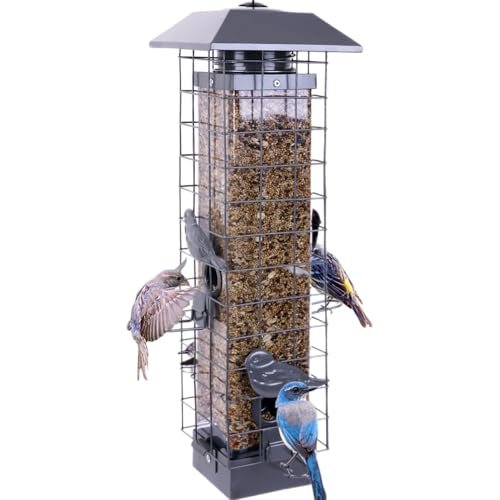
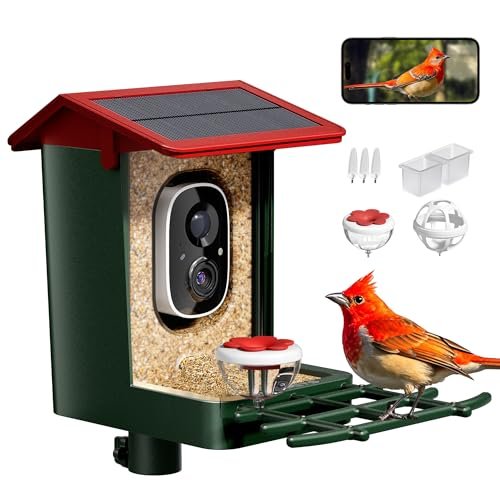
Several feeders cater to different needs. The simplest is a hanging feeder. It has hooks or strings to hang oranges. Platform feeders allow birds to perch while eating. They are great for larger birds. Oranges can also be placed on branch feeders. These use tree branches to hold the fruit.
Diy Feeder Ideas
Making a feeder can be fun and creative. Use a wire hanger to create a simple hook. Shape it into a spiral to hold the orange securely. Another idea is to use a mesh bag. Place the orange inside and hang it. Repurpose an old cup by cutting it in half. Attach it to a wooden stick for stability. These DIY feeders are both cost-effective and easy to make.
Attracting Birds With Oranges
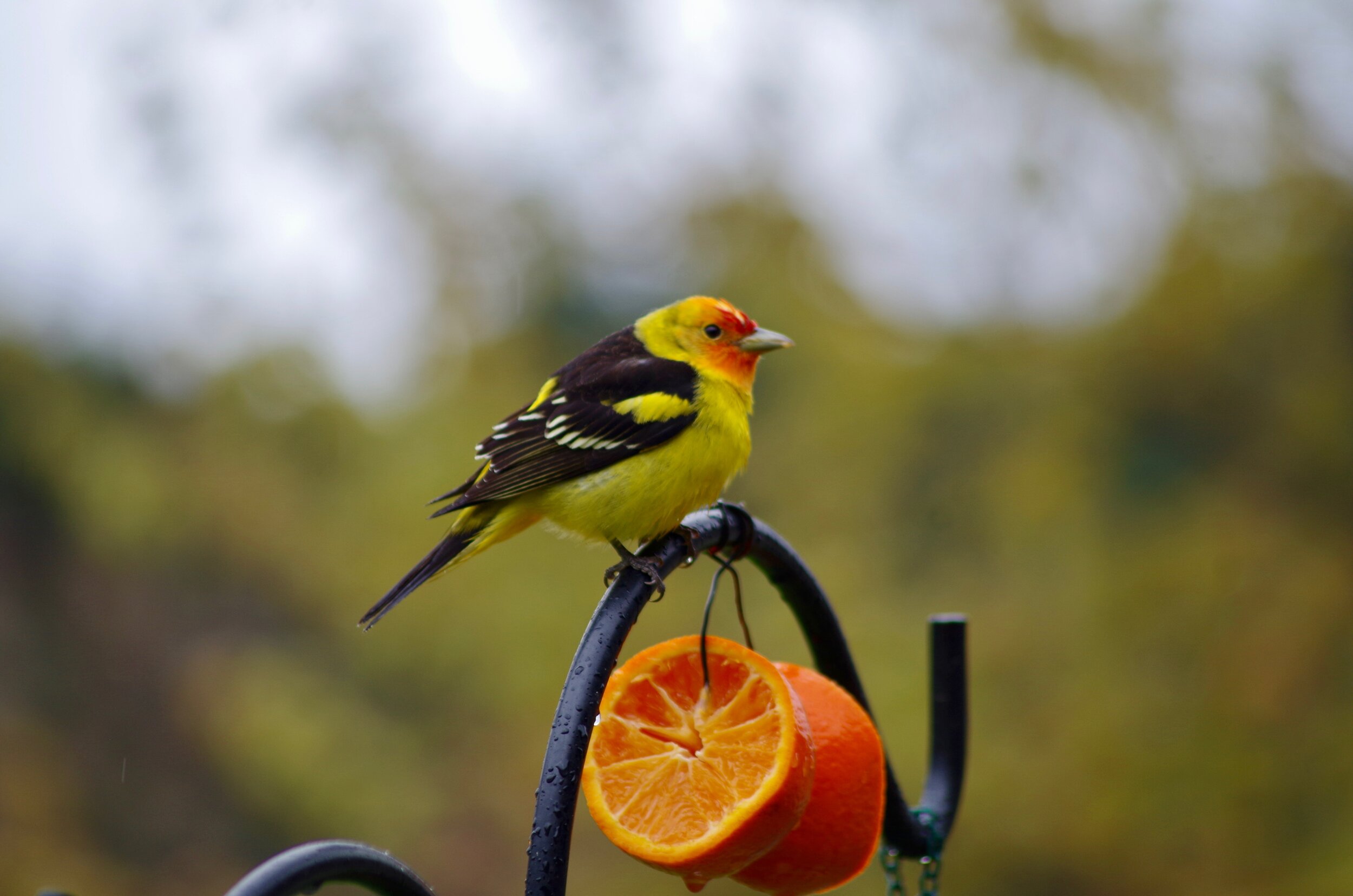
Feeding birds oranges can attract a variety of species to your yard. Oranges are rich in vitamins and provide essential nutrients for birds. They are particularly loved by orioles, tanagers, and woodpeckers. Offering oranges can turn your garden into a lively bird-watching haven. This simple fruit can invite a colorful array of feathered visitors. To maximize their appeal, consider the placement and timing of your feeders.
Best Locations For Feeders
Place feeders in areas with good visibility and safety. Birds feel secure when they can spot predators early. Hang feeders near trees or shrubs for quick shelter. Avoid placing feeders too close to windows to prevent collisions. Ensure feeders are easy for you to access for cleaning and refilling.
Timing And Frequency
Offer oranges during early morning or late afternoon. Birds are most active at these times. Refill feeders daily to ensure a fresh supply. During migration seasons, increase the frequency of replenishment. Consistent feeding encourages regular visits from your feathered friends.
Monitoring Bird Health
Monitoring bird health is vital when offering new foods like oranges. Birds enjoy the sweet taste, but their health must always come first. Observing how they react to oranges is key. This will ensure they stay healthy and enjoy their treats.
Signs Of Overconsumption
Watch for changes in behavior or energy. Birds eating too many oranges may seem sluggish. They might even refuse other foods. Check for any unusual droppings. Oranges can cause digestive changes. Look for diarrhea or other signs of distress.
Ensuring A Balanced Diet
Oranges should not replace their main diet. They are a treat, not a staple. Offer a mix of seeds, grains, and fruits. Keep their diet varied to meet all nutritional needs. Too much fruit can lead to nutritional imbalance.
Provide fresh water always. This helps maintain hydration and digestion. Keep an eye on their eating habits. Adjust the orange servings if necessary. Ensuring a balanced diet supports their overall health.
Common Bird Species That Enjoy Oranges
Feeding birds can be a joyful experience. Many bird species love oranges. Understanding which birds enjoy them enhances your bird-feeding efforts. Oranges provide essential nutrients for birds. Their sweet taste attracts various species. You might spot some colorful visitors in your backyard. Let’s explore the common bird species that enjoy oranges.
American Robins
American Robins are among the first to feast on oranges. They have a sweet tooth for juicy fruits. Robins are active during the day. These birds are easy to spot with their red breasts.
Baltimore Orioles
Baltimore Orioles adore oranges. Their vibrant orange color matches their favorite fruit. Orioles are migratory birds. They visit during spring and summer. Orioles are known for their melodious songs. Hanging orange slices attracts them quickly.
Gray Catbirds
Gray Catbirds enjoy the sweetness of oranges. They are curious and friendly birds. Catbirds have a slate-gray appearance. Their mewing calls are distinctive. Oranges offer them a refreshing treat.
Northern Cardinals
Northern Cardinals find oranges delightful. Their striking red plumage is eye-catching. Cardinals are year-round residents. They thrive in gardens and parks. Adding orange slices to feeders attracts them.
Red-bellied Woodpeckers
Red-bellied Woodpeckers are fond of oranges. They have a unique pattern on their feathers. These woodpeckers are energetic and vocal. They often visit feeders with fruits. Oranges give them a tasty snack.
Alternatives To Oranges
Feeding birds is a delightful activity. While oranges are popular, other fruits can also be offered to birds. Providing a variety ensures birds get balanced nutrition. Let’s explore some alternatives to oranges.
Other Fruits To Offer
Apples make a great choice. Slice them thinly before placing them outside. Grapes can be another option. Cut them in halves to prevent choking hazards. Berries are loved by many bird species. Strawberries and blueberries are excellent picks. Bananas are soft and easy for birds to eat. Peel and slice them before offering. Pears can also be enjoyed. Ensure they are ripe for easier consumption.
Seasonal Considerations
Winter months can be tough for birds. Offer fruits rich in energy like bananas. Summer brings more variety. Berries are abundant and can be easily found. Fall is ideal for apples and pears. They are readily available and nutritious. Consider weather conditions too. Avoid fruits that spoil quickly in heat. Cold temperatures may affect fruit quality. Choose fruits that last longer outdoors.
Frequently Asked Questions
Can I Leave Oranges Out For Birds?
Yes, you can leave oranges out for birds. Birds enjoy the juicy fruit and it provides essential nutrients. Ensure oranges are fresh and cut in halves or slices for easy access. Keep them away from pesticides to ensure bird safety.
Will Birds Eat Cut-up Oranges?
Yes, many birds enjoy eating cut-up oranges. Species like orioles, robins, and bluebirds are attracted to them. Oranges provide birds with essential nutrients and hydration. Place the orange slices in a feeder or on a tree branch to attract more birds to your yard.
How To Hang Oranges For Bird Diy?
Cut oranges in half and scoop out a bit of pulp. Insert a string through each half. Tie knots at both ends. Hang them securely on tree branches. Birds will enjoy the fruit and its juice. Ensure they are easy for birds to access.
What Bird Will Eat Oranges?
Orioles, mockingbirds, and woodpeckers enjoy eating oranges. They love the sweet, juicy fruit. Cut oranges into halves or slices for easy access. These birds are attracted to the bright color and refreshing taste. Providing oranges can attract them to your garden or feeder.
Conclusion
Feeding oranges to birds brings joy and color to their diet. Ensure the oranges are fresh and free of pesticides. Slice them into small pieces for easy eating. Watch how the birds enjoy this tasty treat. It's a simple way to add variety to their meals.
Birds love the sweet taste and juicy texture. Remember, moderation is key. Too much fruit can upset their digestion. Observe how each bird reacts. Some may prefer other fruits. Experiment with different offerings. Happy bird watching and feeding! Keep their environment safe and clean.
Your feathered friends will surely appreciate your efforts.