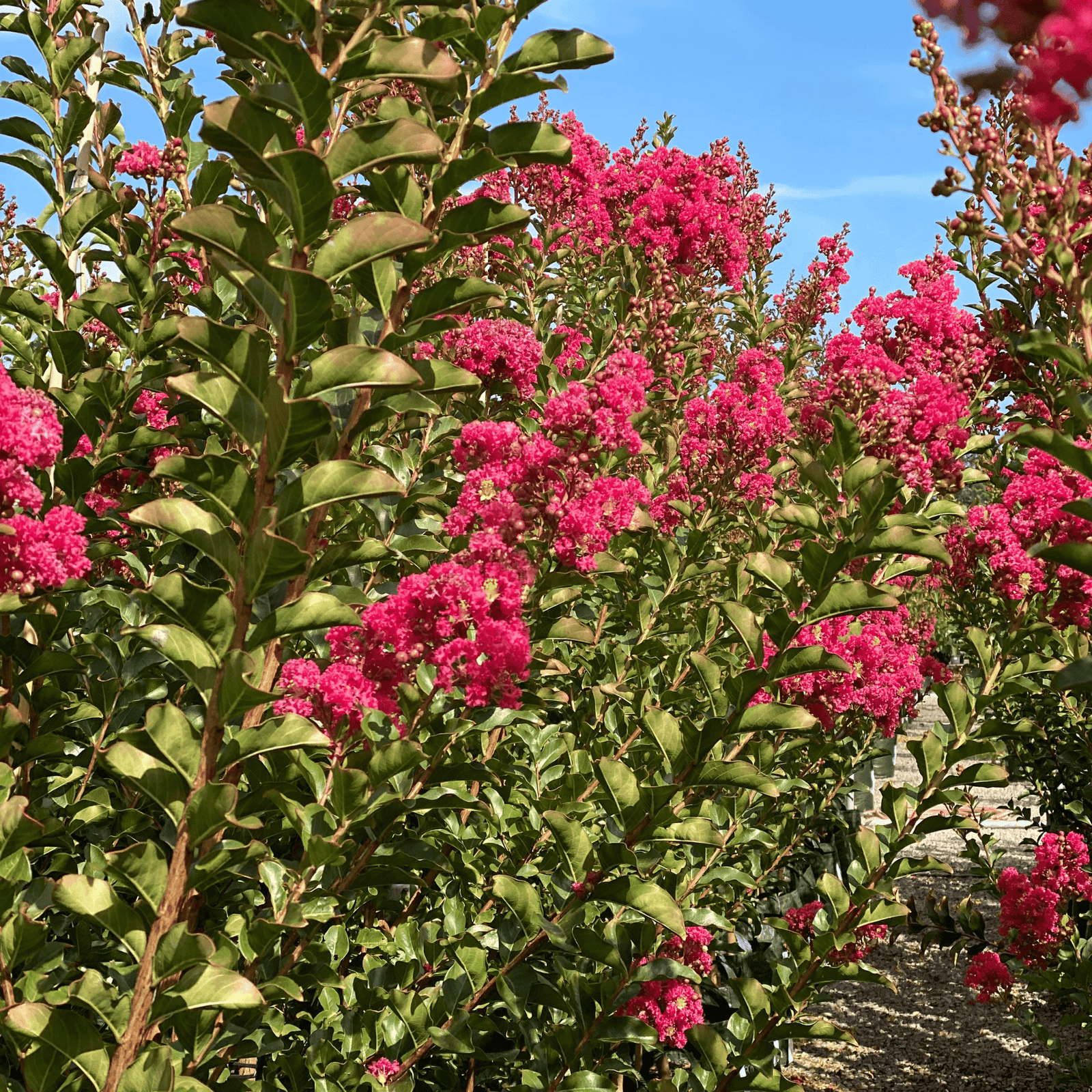
Are you dreaming of a garden that bursts with vibrant colors every summer? If so, crape myrtle trees might just be your ideal choice.
These stunning trees are renowned for their beautiful, long-lasting blooms and lush foliage. But to achieve those dazzling flowers, your crape myrtles need the right care, and fertilization is key. You might wonder, "How do I fertilize crape myrtle trees to ensure they thrive?
" This guide is here to answer that question, providing you with simple yet effective steps to nourish your trees and transform your garden into a floral paradise. Stay with us as we dive into the essentials of crape myrtle care, offering tips that will help your garden flourish and captivate every passerby.

Credit: completeeq.com
Choosing The Right Fertilizer
Choosing the right fertilizer for crape myrtle trees is crucial. Proper fertilization ensures healthy growth and vibrant blooms. Different fertilizers offer varied nutrients and benefits. Understanding these options helps in making informed choices.
Types Of Fertilizers
Fertilizers come in several types. Granular fertilizers are easy to apply and long-lasting. Liquid fertilizers offer quick absorption and fast results. Slow-release options provide nutrients over an extended period. Each type serves different needs and preferences.
Organic Vs. Synthetic Options
Organic fertilizers come from natural sources. They improve soil health and encourage microorganisms. Examples include compost, bone meal, and fish emulsion. Synthetic fertilizers are man-made and offer precise nutrient ratios. They provide fast-acting results and are easy to use. Both types have their unique benefits for crape myrtle trees.
Timing For Fertilization
Fertilizing crape myrtle trees is crucial for their healthy growth. Knowing the right timing ensures the trees absorb nutrients effectively. Proper fertilization timing helps crape myrtle bloom beautifully.
Seasonal Considerations
Spring is ideal for fertilizing crape myrtles. As temperatures rise, the trees start growing actively. Early fertilization boosts their development, preparing them for summer blooming. Avoid fertilizing in late fall or winter. The trees enter dormancy, reducing nutrient absorption.
Frequency Of Application
Applying fertilizer once in spring is often sufficient. For optimal growth, some gardeners apply again in mid-summer. This supports continuous blooming and overall health. Avoid excessive fertilization to prevent nutrient burn. Follow package instructions for proper dosage.
Application Techniques
Fertilizing crape myrtle trees involves proper application techniques. Knowing the right method ensures healthy growth. You want to avoid damaging your trees. Let’s explore how to apply fertilizer effectively.
Methods Of Application
There are a few ways to apply fertilizer to crape myrtles:
- Broadcasting:Spread fertilizer evenly around the tree base. Ensure an even spread for balanced nutrition.
- Drill and fill:Drill small holes around the tree. Fill them with fertilizer for deep root feeding.
- Liquid feeding:Mix fertilizer with water. Apply directly to the soil for quick absorption.
Avoiding Common Mistakes
Applying too much fertilizer can harm your tree. Stick to recommended amounts. Avoid placing fertilizer too close to the trunk. It can cause root burn. Ensure the soil is moist before application. Dry soil may hinder nutrient absorption. Do not fertilize during extreme weather. This can stress the tree further.

Credit: www.facebook.com
Signs Of Nutrient Deficiency
Crape myrtle trees are beautiful, but they need nutrients to thrive. Without proper fertilization, these trees show signs of nutrient deficiency. Identifying these signs early helps maintain their health and beauty.
Leaf Color Changes
One common sign is a change in leaf color. Healthy leaves should be vibrant green. If leaves turn yellow, it might indicate a lack of nitrogen. Pale or light green leaves often point to iron deficiency. Brown edges can mean a shortage of potassium. Each change in color signals a different nutrient need.
Growth Patterns
Observe the growth of your crape myrtle. Stunted growth can indicate a nutrient problem. If the tree grows slowly or not at all, it may lack phosphorus. Sparse blooming is another indicator of nutrient deficiency. Healthy trees should have a full canopy with plenty of flowers. Monitor these patterns to ensure your tree stays healthy and robust.
Maintaining Soil Health
Ensuring the health of the soil around your crape myrtle trees is crucial for their growth and vibrancy. Healthy soil provides the necessary nutrients and supports the tree’s root system, enabling it to flourish. By focusing on key aspects like pH levels and aeration, you can foster an environment where your crape myrtle thrives.
Role Of Ph Levels
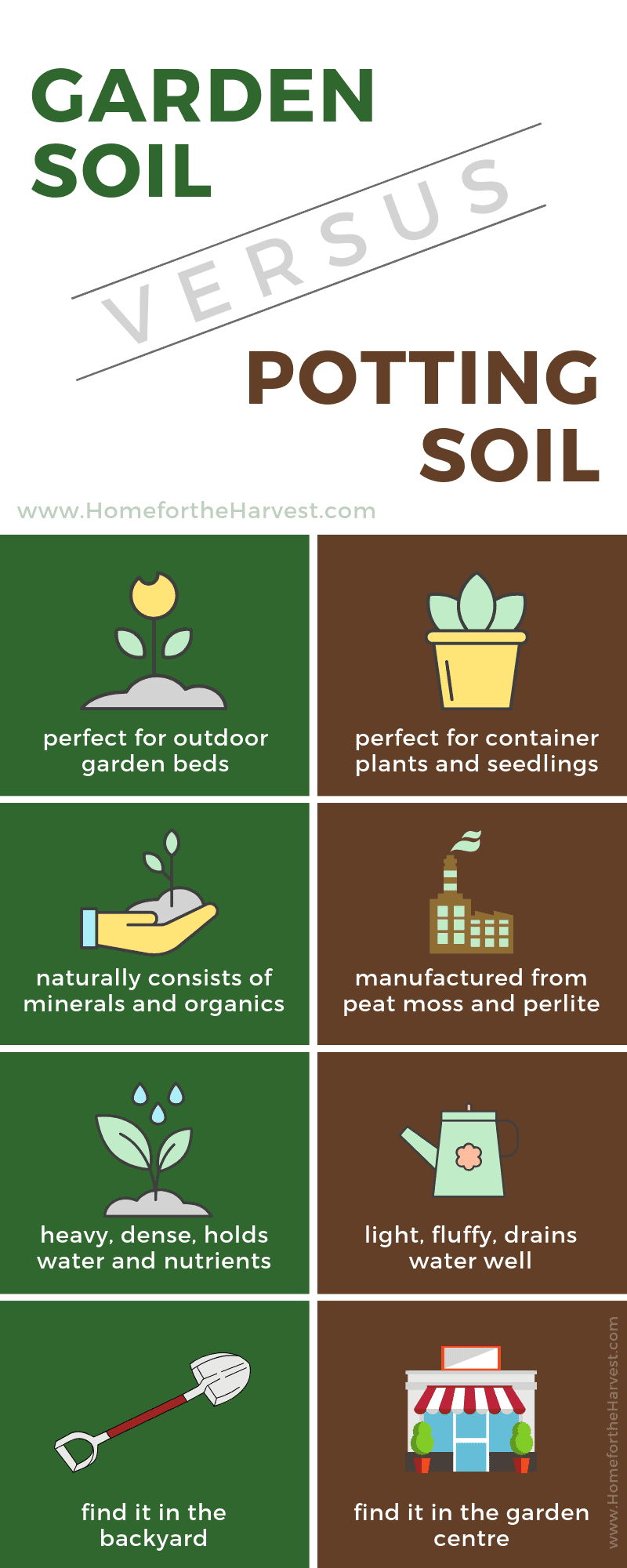
Did you know that the pH level of your soil can significantly impact your crape myrtle's health? These trees prefer slightly acidic soil, with a pH range between 5.0 and 6.5. Regular testing can help you monitor this and make necessary adjustments.
Consider using a pH meter or home test kit to get accurate readings. If your soil is too alkaline, adding sulfur or organic matter can help lower the pH. On the other hand, if it’s too acidic, lime can be added to balance it out.
Have you ever adjusted the pH levels of your soil? Share your experience in the comments below. Your insights could be valuable to other crape myrtle enthusiasts!
Importance Of Aeration
Aeration is another vital aspect of maintaining soil health. It allows air to circulate through the soil, facilitating root growth and nutrient absorption. Compacted soil can restrict this airflow, stunting your crape myrtle’s growth.
Using tools like a garden fork or aerator can effectively loosen the soil. This process not only improves air circulation but also enhances water drainage, preventing root rot. Additionally, incorporating organic matter like compost can further boost aeration.
Think about your garden. How often do you aerate your soil? Regular aeration can make a noticeable difference in the health of your crape myrtle.
By maintaining the right pH levels and ensuring proper aeration, you're setting the stage for your crape myrtle to grow robustly and produce stunning blooms. Engage with the soil, and you'll see the magic happen!

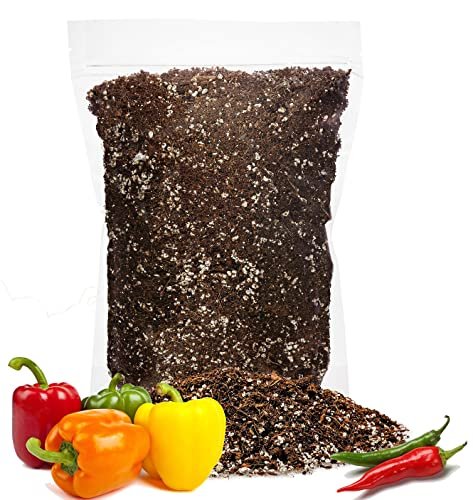
Credit: www.amazon.com
Environmental Considerations
Fertilizing crape myrtle trees involves understanding environmental considerations. These ensure healthy growth and minimal harm to nature. Let's explore the impact on local ecosystems and sustainable practices.
Impact On Local Ecosystems
Fertilizers can affect local ecosystems. Nutrient runoff might enter nearby water sources. This can harm aquatic life. Excessive nutrients lead to algal blooms. These deplete oxygen and harm fish. Choose fertilizers that minimize runoff risks. This helps protect local wildlife and plants.
Sustainable Practices
Adopt sustainable practices to nurture crape myrtle trees. Use organic fertilizers. They release nutrients slowly and reduce environmental impact. Compost is an excellent choice. It enriches soil naturally. Avoid over-fertilization. It can damage the tree and nearby plants. Test soil before applying fertilizers. This ensures you provide only what's needed.
Expert Advice And Tips
Feed crape myrtle trees with balanced fertilizer in early spring for vibrant blooms. Apply granular or liquid fertilizer evenly around the base. Water thoroughly to help nutrients reach roots.
Fertilizing crape myrtle trees is an essential step in ensuring they bloom beautifully and remain healthy. As you embark on this journey, expert advice and tips can provide the guidance you need. With the right techniques, your crape myrtle can thrive, showcasing vibrant blooms that will be the envy of your neighborhood.
Commonly Asked Questions
When should you fertilize crape myrtle trees? Timing is crucial. Ideally, fertilize in early spring when the buds are just beginning to swell. This helps support the tree's growth cycle. What type of fertilizer is best? A balanced 10-10-10 fertilizer is a reliable choice. It provides equal parts nitrogen, phosphorus, and potassium, which are essential for healthy growth. How much fertilizer should be used? Use about one pound of fertilizer per inch of trunk diameter. Spread it evenly under the canopy to ensure the entire root system benefits.
Proven Techniques
Apply fertilizer evenly under the tree's canopy. Avoid placing it directly against the trunk to prevent potential damage. Water immediately after application to help the nutrients penetrate the soil. Consider the use of slow-release fertilizers. They offer a steady supply of nutrients over time, reducing the need for frequent applications. This approach can be particularly beneficial if you're unable to monitor your garden regularly. Monitor your crape myrtle for signs of over-fertilization. Look out for excessive leaf growth with little flowering. This indicates a need to adjust your fertilization routine. Is your crape myrtle planted in a challenging environment? If it's in poor soil, consider enhancing the soil quality with organic matter. This addition can boost the effectiveness of your fertilization efforts, leading to healthier growth. By applying these expert tips, you can maximize the beauty and health of your crape myrtle trees. Are you ready to see your crape myrtle flourish like never before?
Frequently Asked Questions
What Is The Best Fertilizer For Crepe Myrtles?
Use a balanced, slow-release fertilizer with a 10-10-10 or 8-8-8 ratio for crepe myrtles. Apply it in early spring to promote healthy growth and vibrant blooms. Regular watering enhances fertilizer effectiveness. Avoid over-fertilizing to prevent excessive foliage at the expense of flowers.
Is Miracle-gro Good For Crepe Myrtle Trees?
Miracle-Gro is beneficial for crepe myrtle trees. It provides essential nutrients and promotes healthy growth. Use it according to the package instructions for best results. Regular feeding enhances flowering and overall health. Ensure the soil is well-drained to maximize effectiveness.
Avoid over-fertilizing to prevent root damage.
How Often Should I Feed My Crepe Myrtle?
Feed your crepe myrtle every 4-6 weeks during the growing season with a balanced fertilizer. Reduce feeding in late summer to prepare for dormancy. Avoid over-fertilizing, which can harm the plant. Always follow package instructions for proper dosage and application.
What Makes Crepe Myrtles Bloom More?
Prune crepe myrtles in late winter to promote more blooms. Ensure full sunlight exposure and adequate watering. Fertilize with balanced nutrients in spring. Remove spent flowers to encourage new growth. Avoid excessive nitrogen, which promotes leaf growth over blooms.
Conclusion
Fertilizing crape myrtle trees helps them grow strong and bloom well. Use balanced fertilizer in spring for vibrant flowers. Water the trees after applying the fertilizer. This prevents root burn and helps absorption. Avoid over-fertilizing; it can damage your trees.
Keep your garden clean from fallen leaves. This stops pests from harming the trees. Remember, healthy trees bring beauty to your garden. Follow these simple steps. Your crape myrtle trees will thrive. Enjoy their bright blooms each year. Happy gardening!