Are you tired of seeing tiny fruit flies buzzing around your beloved plants? Those pesky bugs might seem harmless, but they can quickly take over your plant soil and harm your greenery.
If you want to protect your plants and enjoy a bug-free home, you need effective solutions that actually work. You’ll discover simple, proven ways to get rid of fruit flies in your plant soil for good. Keep reading, and say goodbye to those annoying pests once and for all!
Causes Of Fruit Flies In Plant Soil
Fruit flies in plant soil can be a common problem for gardeners. These tiny flies often appear suddenly and multiply fast.
Understanding what causes fruit flies helps you stop them early. It also protects your plants from damage.
Sources Of Infestation
Fruit flies often come from nearby sources. They lay eggs in moist, decaying matter found in or near the soil.
Common sources include old fruit, plant debris, and even compost piles close to your plants.
- Rotting fruit left near plants
- Decaying leaves or plant parts in soil
- Overripe vegetables stored nearby
- Compost or mulch with organic waste
- Dirty pots or trays with leftover water
Conditions That Attract Fruit Flies
Fruit flies like warm and damp places. These conditions help their eggs hatch and larvae grow quickly.
Soil that stays wet for too long or has decaying matter attracts fruit flies. Poor air flow also helps them thrive.
- Overwatering plants, causing wet soil
- Warm temperatures around 70-80°F (21-27°C)
- Organic matter breaking down in soil
- Closed pots with little air circulation
- Standing water in saucers or trays

Credit: www.reddit.com
Identifying Fruit Flies In Soil
Fruit flies can be a common problem in potted plants. They often live in the soil and feed on decaying matter. Knowing how to spot them helps keep your plants healthy.
This guide explains how to identify fruit flies in soil. Learn what signs to watch for and how to tell them apart from other pests.
Signs Of Presence
You can notice fruit flies by their small size and quick flying near soil. They are usually tiny, about 1/8 inch long, with red eyes and light brown bodies.
Fruit fly larvae live inside the soil. They look like tiny white worms. You may see them if you dig a little in the soil near the plant base.
- Small flies flying close to soil surface
- Clusters of tiny white larvae in moist soil
- Fungus or mold growing on soil surface
- Unhealthy or wilting plants due to root damage
Difference From Other Pests
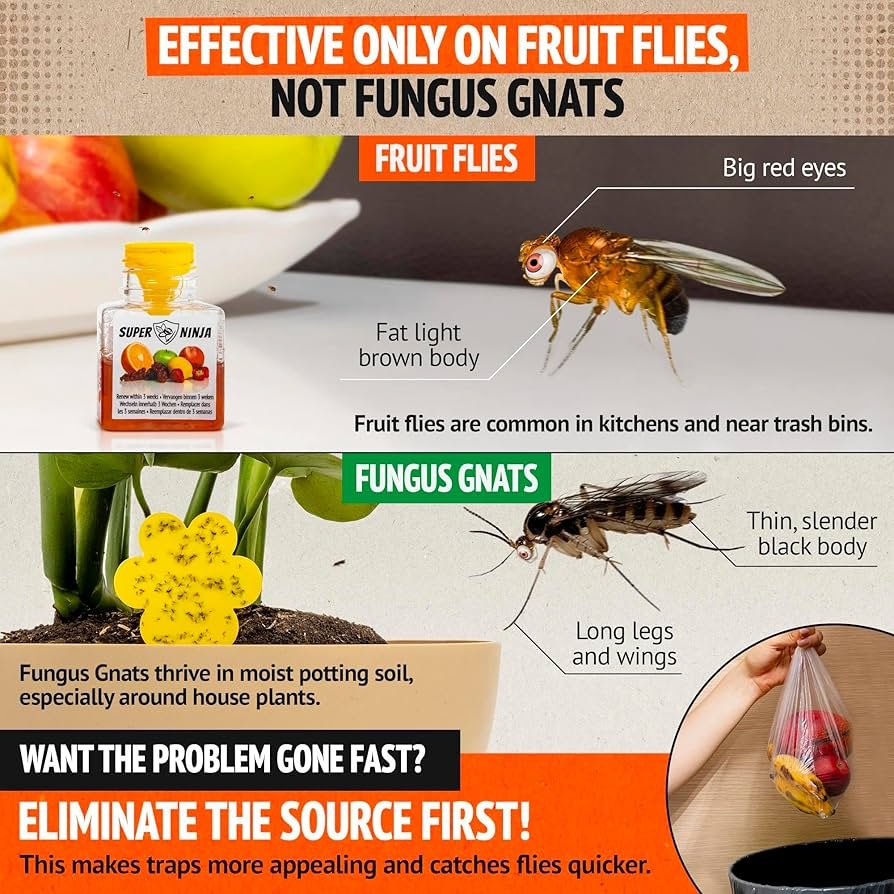
Fruit flies are different from other pests like fungus gnats or spider mites. They have rounder bodies and bright red eyes. Fungus gnats are similar but lack red eyes and have longer legs.
Spider mites are tiny and often stay on plant leaves. They do not fly but move slowly and cause webbing. Fruit flies mainly hover near soil and plants.
- Fruit Flies:Small, round, red eyes, hover near soil
- Fungus Gnats:Longer legs, no red eyes, hover near soil
- Spider Mites:Tiny, slow, webbing on leaves, no flying
Natural Remedies To Remove Fruit Flies
Fruit flies in plant soil can harm your plants and annoy you. These tiny pests lay eggs in moist soil, causing damage.
Using natural remedies helps remove fruit flies safely. These methods avoid harsh chemicals and protect your plants.
Using Vinegar Traps
Vinegar traps catch adult fruit flies easily. The flies are attracted to the smell and get trapped in the liquid.
To make a trap, use apple cider vinegar in a small container. Add a few drops of dish soap to break surface tension.
- Pour apple cider vinegar into a cup
- Add 2-3 drops of dish soap
- Place the cup near your plants
- Replace the vinegar every few days
Applying Neem Oil
Neem oil is a natural insecticide that stops fruit flies from growing. It also protects plants from other pests.
Mix neem oil with water and spray the soil surface lightly. Repeat the spray once a week to keep flies away.
- Mix 2 teaspoons of neem oil in 1 liter of water
- Add a few drops of mild soap to help mix
- Spray the mixture on plant soil
- Use weekly for best results
Introducing Beneficial Nematodes
Beneficial nematodes are tiny worms that eat fruit fly larvae in soil. They are safe for plants and pets.
Apply nematodes to moist soil. They move through the soil and kill pests before they grow into adults.
- Buy beneficial nematodes from a garden store
- Mix nematodes with water as instructed
- Pour the mixture evenly on the soil
- Keep soil moist for nematodes to work

Credit: ngpest.com
Preventive Measures For Soil Health
Fruit flies in plant soil can harm your plants. Keeping the soil healthy helps stop them.
Good care of soil prevents fruit flies from laying eggs and growing larvae.
Proper Watering Techniques
Water your plants only when the topsoil feels dry. Too much water creates a damp place for fruit flies.
Use pots with drainage holes to let extra water escape. Avoid standing water in trays under pots.
- Check soil moisture before watering
- Water early in the day to let soil dry
- Use pots with good drainage
- Empty water trays after watering
Soil Aeration And Drainage
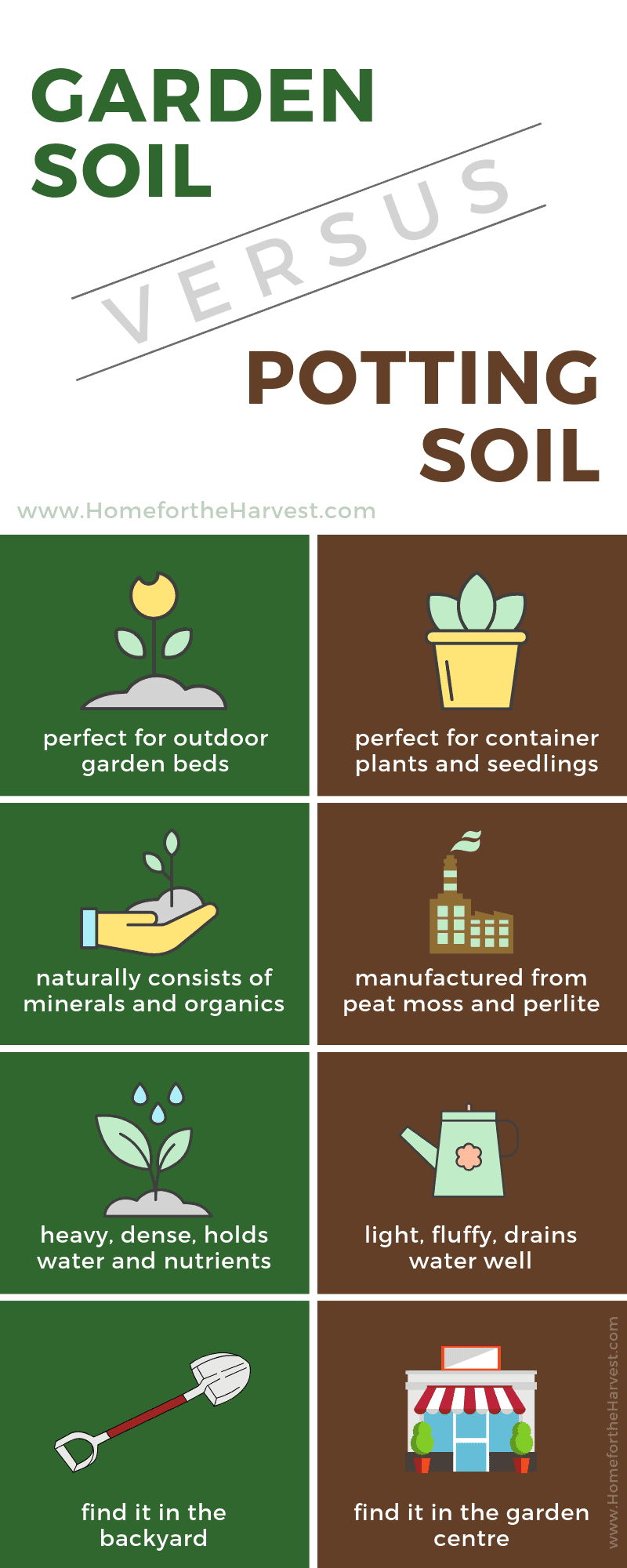
Loose soil helps air reach plant roots and dries faster. Compact soil holds moisture and attracts flies.
Use a small tool to gently mix the top layer of soil. Add perlite or sand to improve drainage.
- Loosen soil every few weeks
- Add materials like perlite or sand
- Use pots with drainage holes
- Avoid heavy, clay soils
Regular Cleaning Practices
Remove fallen leaves and debris from soil surface. These materials attract fruit flies and their larvae.
Clean plant pots and tools regularly to stop fruit fly eggs from spreading.
- Clear dead leaves from soil
- Wipe pots before reusing
- Keep the area around plants clean
- Dispose of rotting fruit away from plants
Chemical Solutions And When To Use Them
Fruit flies in plant soil can damage your plants. Chemical solutions help control these pests quickly. Use chemicals only if other methods fail.
Choosing the right chemical and using it safely is important. This guide explains safe insecticides and precautions.
Safe Insecticides For Soil
Some insecticides are safe for use in plant soil to kill fruit fly larvae. These products target pests without harming plants.
Look for insecticides with natural or low-toxicity ingredients. These reduce risk to your plants and environment.
- Bacillus thuringiensis israelensis (Bti) kills larvae in soil
- Neem oil disrupts insect growth and feeding
- Spinosad targets insect nervous systems, safe for plants
- Pyrethrin-based sprays act quickly but break down fast
Risks And Precautions
Chemical insecticides can harm beneficial insects and plants if misused. Always follow label instructions carefully.
Avoid overuse to prevent resistance and soil damage. Keep chemicals away from children and pets.
- Wear gloves and a mask when applying chemicals
- Apply only to affected soil areas, not leaves or flowers
- Do not use chemicals near edible plants before harvest
- Store insecticides in a cool, dry place away from children
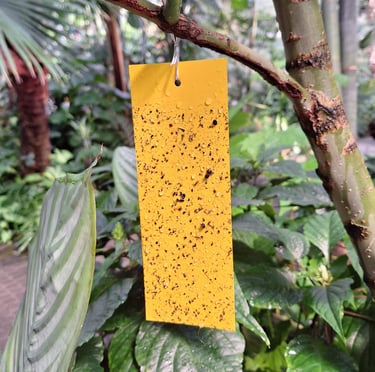
Credit: natureandsustainability.com
Maintaining Pest-free Plants Long Term
Fruit flies in plant soil can harm your plants and spread quickly. Keeping plants free of pests is important for healthy growth.
Regular care and attention help stop fruit flies from coming back. Use simple steps to keep your plants safe over time.
Routine Inspection
Check your plants often for signs of fruit flies or larvae. Look closely at the soil surface and leaves.
Early detection helps you act fast before flies spread. Inspect plants at least once a week.
- Look for small flying insects near soil
- Check for white larvae or pupae in soil
- Notice any unusual plant wilting or damage
- Use a magnifying glass for better viewing
Soil Replacement Tips
Replacing old soil removes fruit fly eggs and larvae. Fresh soil reduces pest chances and improves plant health.
Use clean, dry soil and avoid overwatering. Wet soil attracts fruit flies and helps them breed.
- Remove top layer of old soil carefully
- Replace with fresh, sterile potting mix
- Clean pots before adding new soil
- Water plants only when soil feels dry
Frequently Asked Questions
How Do Fruit Flies Affect Plant Soil?
Fruit flies can lay eggs in moist plant soil. This leads to larvae feeding on organic matter. Over time, this can disrupt the soil's health and nutrient balance. It can also affect plant growth. Keeping the soil dry and clean can help prevent infestations.
What Attracts Fruit Flies To Plant Soil?
Fruit flies are attracted to moisture and decaying organic matter. Overwatering and decomposing leaves can create a perfect breeding ground. Regularly check soil moisture and remove decaying plant material. This helps in preventing fruit fly attraction.
Can Vinegar Kill Fruit Flies In Soil?
Vinegar traps can help reduce adult fruit flies. However, they don't directly affect larvae in the soil. To control them, consider using beneficial nematodes. These are natural predators of soil-dwelling larvae. Maintaining proper soil conditions also helps in preventing infestations.
How Often Should I Water Plants To Avoid Fruit Flies?
Avoid overwatering as fruit flies thrive in moist environments. Water your plants only when the soil is dry. This helps keep the soil less attractive to fruit flies. Using pots with drainage holes also prevents excess moisture buildup.
Conclusion
Fruit flies in plant soil can cause real trouble. Taking quick action helps keep your plants healthy. Use clean soil and avoid overwatering to stop flies. Simple traps and natural remedies work well. Regularly checking plants helps catch problems early.
Small steps make a big difference over time. Keep your plants happy and pest-free with care. Stay patient and consistent for the best results. Your garden will thank you with healthy growth.