
Are grackles turning your peaceful bird feeder into a chaotic scene? You're not alone.
These bold and noisy birds often scare away the smaller, more charming visitors you love to watch. You might feel frustrated, even helpless, as you see your bird feeder dominated by these unwanted guests. But don't worry—there's hope. In this guide, you'll discover practical and effective strategies to deter grackles and reclaim your bird feeder for the birds you truly want to see.
Imagine the joy and tranquility you'll feel as you watch finches and chickadees flutter in for a snack, free from grackle interference. Ready to transform your backyard into a sanctuary for your favorite feathered friends? Let's dive in and find the perfect solution for you.
Identify Grackle Behavior
Grackles often dominate bird feeders, scaring away smaller birds. Observing their behavior helps in devising effective deterrent strategies. Employing specific feeder designs and positioning can minimize their presence, ensuring a welcoming space for all birds.
Identifying grackle behavior is the first step towards managing their presence at your bird feeder. Grackles are notorious for taking over feeders, often leaving other birds hungry. By understanding their habits, you can devise strategies to keep them at bay.
Understanding Grackle Traits
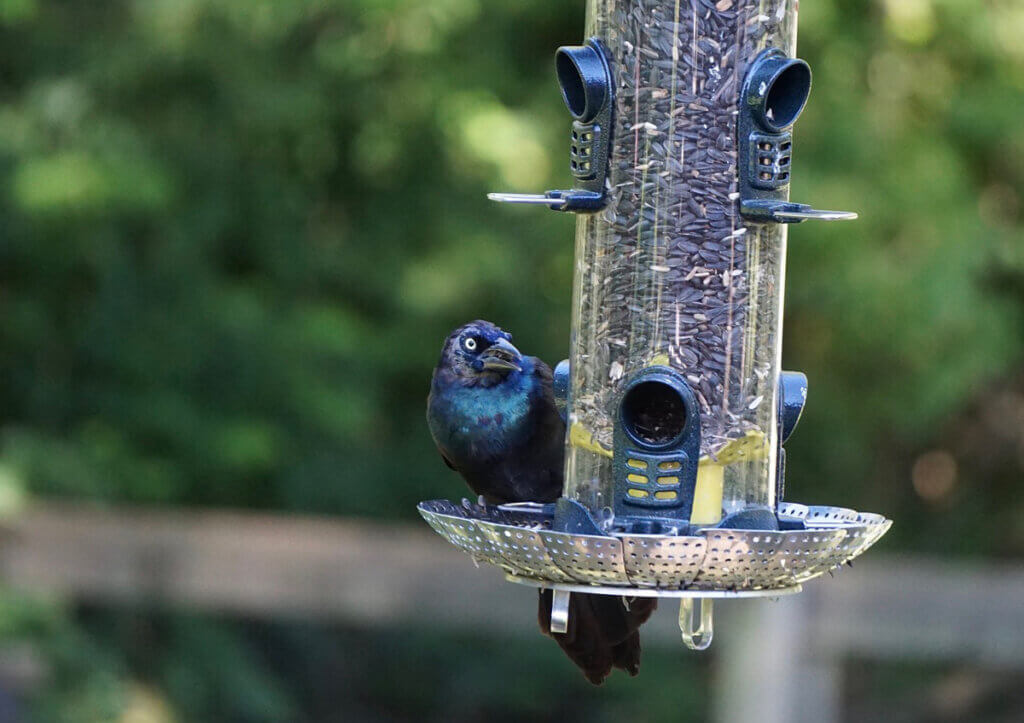
Grackles are larger than many songbirds, with a glossy appearance and a distinct long tail. Their size often intimidates smaller birds. They are highly social and tend to travel in large flocks, which can overwhelm your feeder quickly. If you've noticed a sudden increase in bird traffic, grackles might be the culprits.
Recognizing Feeding Patterns
Grackles prefer feeding on seeds and grains, but they are opportunistic eaters. They are known for their ground feeding habits, often scavenging for fallen seeds. If you notice scattered seeds beneath your feeder, grackles might be responsible. They also have a peculiar way of cracking seeds open, which can help you identify their presence.
Observing Vocalizations
One of the easiest ways to identify grackles is through their distinctive calls. Their vocalizations are loud and harsh, often sounding like a rusty gate. These calls can be a nuisance, especially during early mornings. Listen carefully, and you might pinpoint their presence before you even see them.
Spotting Territorial Behavior
Grackles can be quite territorial, often chasing away other birds. If you notice bullying behavior at your feeder, it's likely due to grackles asserting dominance. They might even attempt to guard the feeder, making it difficult for other birds to access food. Understanding these behaviors can help you tailor your approach to discourage grackles effectively. Have you tried adjusting your feeder to deter them? What changes have worked best for you? Share your experiences and let's find solutions together.
Select Grackle-resistant Feeders
Grackles can be quite the unwelcome guests at your bird feeder, often scaring away other birds with their bold presence. If you're looking to enjoy a diverse array of birds, selecting grackle-resistant feeders is a smart move. By choosing the right type of feeder, you can limit grackles while still attracting the birds you love to watch. Let’s dive into two effective options: tube feeders and caged feeders.
Tube Feeders
Tube feeders are a great choice if you're trying to deter grackles. These feeders usually have small feeding ports that are ideal for finches and sparrows, but not for larger birds like grackles. Imagine waking up to a vibrant flock of finches happily dining at your feeder, without the imposing shadow of a grackle.
Grackles find it challenging to access the seeds in tube feeders due to their size. The longer, slender design makes it tough for them to perch comfortably. This means more seeds for the smaller birds you want to attract. Have you ever noticed how quickly seeds disappear with grackles around? A tube feeder could be your solution.
Caged Feeders
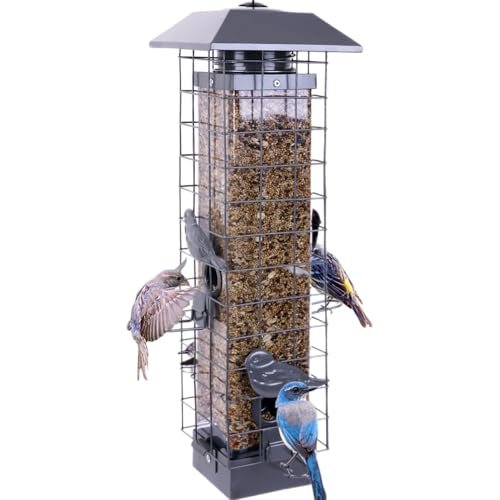
Caged feeders offer a clever barrier between grackles and your bird seeds. These feeders encase the seed container in a wire cage, which allows small birds to slip in and out easily, while keeping larger birds at bay. Picture a peaceful scene with chickadees navigating through the cage to feast undisturbed.
The spacing of the cage is key. You want it wide enough for smaller birds but too narrow for grackles. Once you see how this keeps larger birds away, you might wonder why you didn’t try it sooner. This setup not only protects the food but also provides a safe haven for your favorite backyard visitors.
Choosing the right feeder type can significantly impact your bird-watching experience. Are you ready to reclaim your feeder from grackles and welcome a variety of birds instead?
Choose The Right Birdseed
Grackles can be a nuisance at bird feeders. They scare away smaller birds. Choosing the right birdseed can help manage this problem. Certain seeds attract fewer grackles. This allows other birds to enjoy your feeder. Let's explore some seed options.
Avoid Mixed Seed
Mixed seeds attract many bird species, including grackles. Grackles love the variety in mixed seeds. Avoid using them to deter these birds. Stick to single seed types for better control.
Opt For Safflower Seeds
Safflower seeds are less appealing to grackles. Most grackles don't like their bitter taste. Small birds enjoy safflower seeds. Cardinals and chickadees find them tasty. Offering safflower seeds can reduce grackle visits. It ensures smaller birds have more feeding time.
Implement Feeder Adjustments
Attracting colorful birds to your backyard is rewarding, but when grackles take over your bird feeder, it can be frustrating. Implementing feeder adjustments is a simple way to deter these bold birds while still inviting your feathered friends. By tweaking your feeder's design, you can create an environment that is less grackle-friendly and more inviting to smaller birds.
Adjust Perch Size
Grackles are larger birds with bigger feet. A simple adjustment to your feeder's perch size can make a big difference. Consider using feeders with smaller perches. This way, grackles will find it difficult to balance, while smaller birds like finches and sparrows can perch comfortably.
Think back to the time when you adjusted your feeder perch and suddenly noticed more cardinals than grackles. Such small changes can lead to delightful surprises. Have you tried experimenting with perch size to see which birds visit your feeder?
Use Weight-sensitive Feeders
Weight-sensitive feeders can be a game-changer in your battle against grackles. These feeders close off access when heavier birds land on them. This means that smaller birds can feast freely, while grackles and other large birds are discouraged.
Imagine your feeder swinging shut as a grackle lands, leaving the seeds untouched. It’s like having a secret door that only your preferred guests can open. Have you considered this clever solution to keep larger birds at bay?
Making these adjustments not only helps maintain a peaceful bird-watching environment but also ensures your feeders aren't monopolized by one species. What other feeder tweaks have you tried to keep your backyard lively and diverse?
Modify Feeding Times
Grackles can be a nuisance at bird feeders, scaring away smaller birds. Modifying feeding times can help manage their presence. This strategy can make your feeder more welcoming for desired birds.
Change Feeding Schedule
Grackles are creatures of habit. They often visit feeders at the same time each day. Try changing your feeding schedule. Feed early in the morning or late afternoon when grackles are less active. This can reduce their visits and give other birds a chance to eat.
Limit Daytime Feeding
Daytime is prime time for grackles. They are most active during daylight hours. Consider reducing the amount of food available during the day. Fill feeders in the evening. This can discourage grackles and attract birds that prefer feeding at dusk.
Observe And Adjust
Watch how different birds react to your feeding times. Notice the patterns of grackles and other species. Adjust your schedule accordingly. This observation helps create a feeder environment that suits desired birds.
Consistency Is Key
Stick to your new feeding times once established. Consistent feeding allows birds to adapt to the schedule. It helps them know when to visit. Consistency can gradually reduce grackle visits.
Provide Alternative Feeding Stations
Set up feeding stations in different areas to deter grackles. Place feeders with seeds grackles dislike, like safflower or nyjer. Attract smaller birds with separate feeders, reducing grackle presence.
Grackles can be a persistent nuisance at your bird feeder, often scaring away smaller, more desirable birds. One effective strategy to minimize their presence is to provide alternative feeding stations. By creating separate feeding areas and ground feeding options, you can cater to different bird species and keep grackles occupied elsewhere. This approach not only diversifies your backyard bird population but also ensures that each bird type enjoys its preferred feeding environment.
Separate Feeder Areas
Setting up separate feeder areas can be a game-changer. By placing feeders at different locations, you can attract specific bird species while deterring grackles. Have you considered positioning one feeder in a more secluded, sheltered spot? This can attract shy birds that grackles typically avoid. Use feeders designed for smaller birds, such as tube feeders with small perches. Grackles, with their larger bodies, find it difficult to balance on these. You might notice fewer grackles and more finches and chickadees visiting your yard. Experiment with feeder heights. Place some feeders higher up and others closer to the ground. Grackles prefer easy access, so varying heights can make certain feeders less appealing to them.
Ground Feeding Options
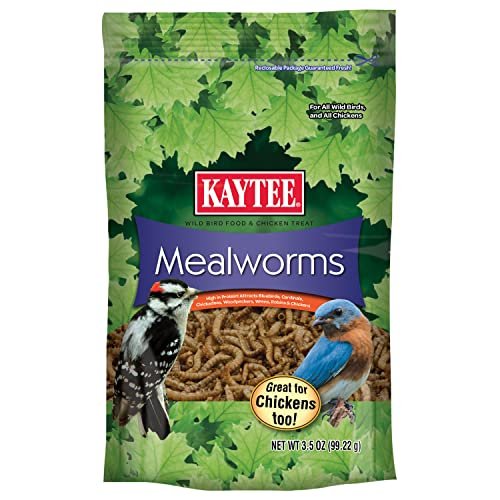
Ground feeding is another effective method to manage grackle populations. Scatter seeds on the ground away from your primary feeders. This can draw grackles away, allowing other birds to feed undisturbed. Consider using a mix of seeds that grackles are less fond of. Safflower seeds, for example, are generally less appealing to them. However, cardinals and other birds still enjoy them. Have you ever tried offering mealworms or suet on the ground? Many birds find these irresistible, and they can attract a wide variety of species. This can create a diverse and lively backyard bird community, despite the presence of grackles. Providing alternative feeding stations is more than just a practical solution; it's an invitation to observe the diverse behaviors and preferences of your feathered visitors. What unique bird activity might you discover in your garden today?
Incorporate Visual And Auditory Deterrents
Grackles can be quite the nuisance at bird feeders. They often scare away other birds. To keep them at bay, visual and auditory deterrents can be effective. These methods are non-harmful and can discourage grackles. They can make your bird feeder a more welcoming place for other birds. Let’s explore how you can incorporate these deterrents.
Install Reflective Objects
Reflective objects can scare off grackles. Hang shiny CDs or aluminum foil near your feeder. The sunlight reflects off these objects, creating flashes. These flashes can confuse and deter grackles. Small mirrors can also work well. Place them strategically around the feeding area. This method is simple and budget-friendly.
Use Sound Devices
Sound devices can effectively deter grackles. Motion-activated devices emit sounds when grackles approach. These sounds mimic predators or other threats. Grackles find these noises unsettling. You can also use wind chimes. The gentle noise can keep grackles away. Choose a sound device that suits your environment. Ensure the sounds are not too loud for neighbors.
Landscape Adjustments
Landscape adjustments can help keep grackles away from your bird feeder. These changes make your yard less appealing to these pesky birds. Grackles love areas with dense foliage and clutter. By altering your landscape, you can make it less inviting for them.
Trim Trees And Shrubs
Grackles often hide in thick trees and shrubs. Trim branches to reduce their hiding spots. This makes your yard less attractive to them. Keep trees and shrubs well-maintained. Pruning helps control their size and density. Sparse foliage deters grackles from settling near your feeder.
Create Open Spaces
Open spaces discourage grackles from visiting. They prefer crowded and cluttered areas. Remove unnecessary plants and objects. This creates a clear view of the feeder. Grackles find open areas less appealing. Open spaces give smaller birds a chance to feed peacefully.
Monitor And Adjust Strategies
Grackles can be a nuisance at bird feeders, stealing food meant for other birds. Monitoring and adjusting strategies can help keep these pesky birds at bay. This involves observing their behavior and making necessary changes to deter them. Consistent evaluation and adaptation are key to maintaining a peaceful feeding environment.
Observe Grackle Behavior
Watch how grackles interact with your feeder. Notice their arrival times and feeding patterns. Understanding their habits can inform your strategy adjustments. Are they most active during specific hours? Do they prefer certain types of food? Gathering this information is crucial for effective deterrence.
Adjust Feeder Location
Try moving your feeder to a new spot. Grackles might be deterred by different surroundings. Place the feeder under a tree or near bushes. This can make it less appealing to grackles. Experiment with various locations to find the best setup.
Change Feeding Schedule
Alter your feeding times to confuse grackles. Vary the hours you fill the feeder. This can disrupt their routine and discourage their visits. Morning and evening feedings may attract fewer grackles. Adjust times based on your observations.
Modify Feeder Design
Consider changing the feeder style. Opt for feeders with smaller openings. These can limit grackle access. Tube feeders or cage-style feeders are good options. They allow small birds to feed while excluding larger grackles.
Experiment With Food Types
Switch up the birdseed to deter grackles. Offer seeds they dislike. Safflower seeds are less appealing to grackles. Test different seed mixes to see what works best. Keeping the food uninteresting can reduce their visits.

Frequently Asked Questions
How To Deter Grackles From Bird Feeders?
Use feeders with small perches to deter grackles. Install squirrel baffles to limit access. Choose safflower seeds, disliked by grackles. Place feeders away from trees and structures. Opt for weight-sensitive feeders that close under heavier birds.
What Bird Food Do Grackles Hate?
Grackles tend to dislike safflower seeds, as their bitter taste is unappealing to them. Nyjer seeds are also often ignored by grackles. These seeds can help deter them while attracting other songbirds to your feeder.
Why Should You Sprinkle Coffee Grounds Around Your Bird Feeder?
Sprinkling coffee grounds deters pests and enriches soil around bird feeders. It repels ants, slugs, and snails effectively. Coffee grounds also add nutrients, promoting plant growth. Ensure they stay dry to prevent mold. Regularly check and refresh to maintain benefits and keep the area clean for birds.
What Sound Scares Grackles Away?
Loud noises like predator calls or distress calls effectively scare grackles away. Ultrasonic bird repellents also work well. These sounds disrupt their comfort, making them leave the area quickly. Regular use of these sounds ensures grackles don't return.
Conclusion
Getting rid of grackles at your bird feeder takes patience. Start by using grackle-proof feeders. Adjust feeding times to discourage them. Offer food grackles dislike, like safflower seeds. Keeping your feeding area clean helps too. Use noise or water deterrents if needed.
Consistency is key. Stay persistent in your efforts. Enjoy the variety of birds visiting your feeder. Your feathered friends will appreciate a grackle-free space. Happy birdwatching!