Imagine having a tiny, majestic tree right in the comfort of your home. Bonsai trees are not just plants; they are living art that can bring tranquility and a touch of nature to your indoor space. The care and attention required to nurture a bonsai make it a rewarding experience, fostering a deeper connection to nature. To ensure your bonsai thrives, understanding its specific needs is crucial, which includes how to maintain the right bonsai soil composition explained for optimal growth. Embracing this timeless tradition not only enhances your living space but also serves as a meditative practice, encouraging mindfulness and patience.
If you’ve ever thought about nurturing your own bonsai tree indoors, you’re in the right place. This guide will show you how to transform your living room into a serene oasis with the perfect bonsai tree. You might think that growing a bonsai is complicated, but with a few simple steps, even a beginner can succeed.
Are you ready to discover the secrets of growing a beautiful bonsai tree indoors? Let’s get started, and soon, you’ll be on your way to becoming a bonsai master.

Credit: plantora.app
Choosing The Right Bonsai Tree
Growing a bonsai tree indoors can add calm and beauty to your home. Picking the right bonsai tree is key for success.
Not all bonsai trees grow well inside. Knowing which species suit indoor life helps your tree stay healthy and grow strong.
Best Species For Indoor Growth
Some bonsai species handle indoor light and temperature better than others. These species need less care and adjust well to indoor conditions.
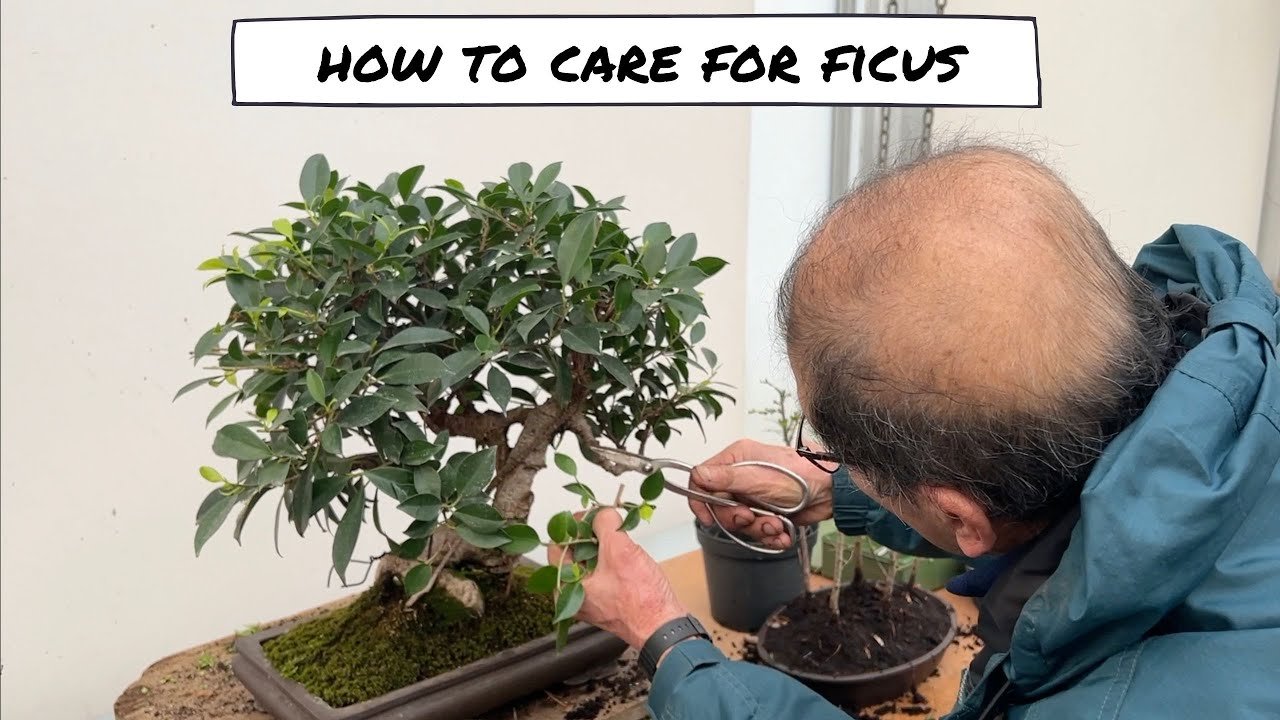
- Ficus: Tolerates low light and dry air, easy to care for.
- Jade Plant: Succulent type, needs bright light and little water.
- Chinese Elm: Strong and adaptable, likes moderate light.
- Hawaiian Umbrella Tree: Grows well in indirect light and humid air.
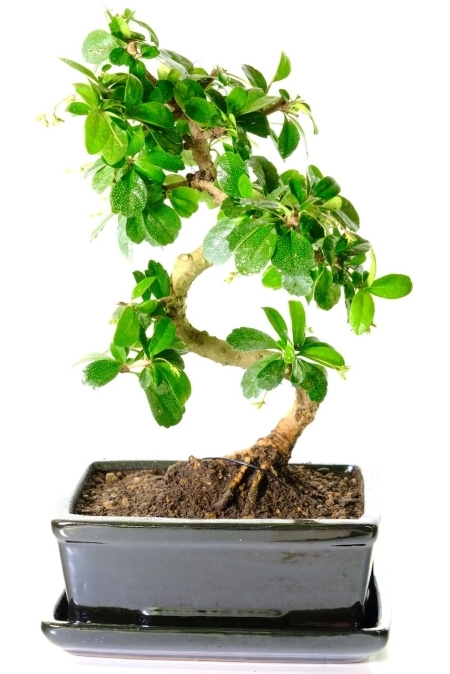
- Carmona: Also known as Fukien tea, needs more humidity but thrives indoors.
Size And Style Considerations
Pick a bonsai size and style that fits your space and skill level. Smaller trees suit small rooms and beginners. Researching how to care for bonsai trees is essential for maintaining their health and aesthetic appeal. Different species and sizes have unique care requirements, so ensure you familiarize yourself with the specific needs of your chosen bonsai. With the right knowledge and attention, even a novice can cultivate a stunning masterpiece in their living space.
| Size | Space Needed | Care Level |
| Mini (4-6 inches) | Small desk or shelf | Easy |
| Small (6-12 inches) | Table or windowsill | Moderate |
| Medium (12-18 inches) | Corner or floor stand | Advanced |
Popular bonsai styles include formal upright, informal upright, and cascade. Choose one that fits your taste and space.
- Formal upright looks neat and classic.
- Informal upright is more natural and relaxed.
- Cascade style needs more room and care.

Credit: www.outdoorhappens.com
Setting Up The Ideal Environment
Growing a bonsai tree indoors needs the right environment. This helps the tree stay healthy and grow well.
Two important parts are lighting and temperature. These keep the bonsai happy inside your home.
Lighting Requirements
Bonsai trees need bright light to grow strong. Place your tree near a window that gets plenty of sunlight. In addition to sunlight, it's important to monitor the temperature and humidity levels around your bonsai. When do bonsai trees bloom can depend on the species and environmental conditions, so be sure to research your specific type. Providing the right care will not only enhance growth but also encourage beautiful flowering when the time comes.
If natural light is low, use grow lights. Keep the light on for about 10 to 12 hours each day.
- Use south-facing windows for best sunlight
- Rotate the tree weekly for even light
- Keep grow lights 6 to 12 inches above the tree
- Turn off artificial lights at night
Temperature And Humidity Control
Bonsai trees like moderate temperatures. Keep the room between 60 and 75 degrees Fahrenheit for good growth.
Humidity helps bonsai trees stay healthy. Use a humidity tray or mist the leaves to keep moisture around the tree.
- Avoid placing bonsai near heaters or air conditioners
- Place a tray with water under the pot to increase humidity
- Mist leaves once a day to add moisture
- Keep room temperature steady without sudden changes
Planting And Pot Selection
Growing a bonsai tree indoors needs careful planting and pot choice. Both affect the tree's health and growth.
Choosing the right soil and pot helps your bonsai stay strong and beautiful for a long time.
Soil Types For Indoor Bonsai
Good soil lets water drain well and keeps air around the roots. It also holds enough moisture.
Use soil made for bonsai or mix your own with these ingredients.
- Akadama: A clay-like soil that holds water and air
- Pumice: A light volcanic rock that drains water
- Lava rock: Helps keep soil loose and well-drained
- Organic potting compost: Adds nutrients and moisture
Choosing The Right Pot
The pot size should match your bonsai's roots. Too small can hurt growth. Too big holds too much water.
Pick pots with drainage holes. They stop water from building up and causing root rot.
- Choose a shallow pot to limit root growth and keep the tree small.
- Use clay or ceramic pots for better breathability.
- Make sure the pot fits your tree's style and size.
- Check that the pot has holes for water drainage.
Credit: www.bonsaidirect.co.uk
Watering Techniques
Growing a bonsai tree indoors needs special care. Watering is one of the most important tasks.
Proper watering helps the bonsai stay healthy and strong. Too much or too little water can harm it.
Frequency And Amount
Bonsai trees need water often but not too much. The soil should stay moist but not wet.
Check the soil every day by touching it. Water the tree when the top feels dry.
- Water more in warm months and less in cold months
- Use enough water to soak the soil fully
- Let extra water drain out to avoid standing water
Signs Of Overwatering And Underwatering
Watch your bonsai for signs of too much or too little water. Early signs can save the tree.
Leaves and soil give clues about the watering condition. Knowing these signs helps adjust care.
- Overwatering Signs:Yellow leaves, soft stems, mold on soil, waterlogged soil
- Underwatering Signs:Dry soil, brown leaf tips, leaf drop, wilting leaves
Pruning And Shaping
Growing a bonsai tree indoors needs careful pruning and shaping. These practices keep the tree healthy and beautiful.
Pruning controls the size and form of the bonsai. Shaping helps to create the style you want.
Basic Pruning Methods
Pruning removes unwanted leaves and branches. This lets light reach the inner parts of the tree.
Trim new shoots to keep the shape small. Remove dead or weak branches to improve growth.
- Pinch back soft new growth with fingers
- Use sharp scissors for thick branches
- Cut branches at a 45-degree angle
- Remove crossing or inward-growing branches
- Prune regularly during the growing season
Using Wiring For Styling
Wiring helps shape bonsai branches by bending them gently. It guides the tree to grow in the desired form. To effectively shape a bonsai, it's important to use a suitable gauge of wire that matches the branch's thickness. When learning how to create a wire bonsai, patience is crucial, as it may take time for the tree to adapt to the new shape. Regular monitoring ensures the wire does not cut into the bark as the branches grow and thicken.
Use soft aluminum or copper wire. Wrap it around branches without damaging the bark.
- Start wiring from the base of the branch
- Wrap wire at a 45-degree angle around the branch
- Bend the branch slowly to the new position
- Check wire often to avoid cutting into bark
- Remove wire after 6 to 8 weeks
Fertilizing Your Bonsai
Fertilizing is key to keeping your indoor bonsai healthy. It helps the tree get needed nutrients.
Using the right fertilizer and feeding it at the right time supports strong growth and vibrant leaves.
Types Of Fertilizers
You can use different fertilizers for your bonsai. Organic and synthetic are the main types.
- Organic Fertilizers:Made from natural materials like fish emulsion or compost.
- Synthetic Fertilizers:Manufactured chemicals that provide quick nutrients.
- Slow-Release Fertilizers:Release nutrients slowly over time.
- Liquid Fertilizers:Dissolve in water and are easy to apply.
Feeding Schedule
Feeding your bonsai regularly keeps it strong. The schedule changes with seasons and growth stages.
| Season | Frequency | Notes |
|---|---|---|
| Spring | Every 2 weeks | Use balanced fertilizer to support new growth |
| Summer | Every 2 weeks | Use fertilizer high in nitrogen for leaves |
| Fall | Once a month | Reduce feeding as growth slows |
| Winter | Do not fertilize | Bonsai is dormant and needs rest |
Managing Pests And Diseases
Growing a bonsai tree indoors means watching for pests and diseases. These problems can harm your tree if not caught early. Learning how to spot and handle them helps keep your bonsai healthy.
Regular checks and care prevent most issues. This guide covers common pests and ways to protect your bonsai.
Common Indoor Bonsai Pests
Several pests can attack indoor bonsai trees. They feed on leaves, stems, or roots and cause damage. Watch for these common pests:
- Aphids:Small green or black bugs that suck sap from new growth.
- Spider Mites:Tiny red or brown spots that create fine webbing on leaves.
- Scale Insects:Hard, round bumps on branches and leaves.
- Mealybugs:White cotton-like clusters on leaves and stems.
- Fungus Gnats:Small flying insects near the soil surface.
Preventive Measures And Treatments
Prevent pests by keeping your bonsai clean and healthy. Good air flow and proper watering reduce problems. If pests appear, try these treatments:
| Method | How it Works | Use For |
| Manual Removal | Pick pests off by hand or with a soft brush | Aphids, Scale Insects, Mealybugs |
| Water Spray | Rinse leaves to wash away pests | Spider Mites, Aphids |
| Insecticidal Soap | Apply soap spray to kill soft-bodied insects | Aphids, Mealybugs, Spider Mites |
| Neem Oil | Natural oil that blocks pest growth and feeding | Most Common Pests |
| Sticky Traps | Trap flying pests near the soil | Fungus Gnats |
Always test sprays on a small part of the bonsai first. Avoid over-watering and remove dead leaves to stop fungi. Watch your tree every week for signs of pests or disease.
Repotting And Root Care
Taking care of a bonsai tree’s roots is important for its health. Repotting helps the tree grow well indoors. It refreshes the soil and gives roots more room.
Proper root care keeps the bonsai strong. You must know when to repot and how to prune roots safely.
When To Repot
Repot your bonsai every two to three years. Younger trees may need repotting every year. Look for signs like roots growing out of the pot or soil drying too fast.
- Repot in early spring before new growth starts.
- Check roots yearly to avoid overcrowding.
- Use fresh bonsai soil during repotting.
- Avoid repotting in winter or late summer.
Techniques For Root Pruning
Root pruning helps keep the bonsai healthy and balanced. Trim away dead or long roots. This encourages new root growth and prevents root rot.
| Step | Action |
| 1 | Remove the tree gently from its pot. |
| 2 | Shake off old soil from the roots. |
| 3 | Cut roots that are dark, mushy, or very long. |
| 4 | Trim roots evenly to keep balance. |
| 5 | Place the tree in fresh soil and water well. |
Troubleshooting Common Issues
Growing a bonsai tree indoors can be rewarding but also challenging. Some problems may appear as your tree adjusts to its environment.
Understanding these issues helps you keep your bonsai healthy and beautiful. Let’s look at common problems and how to fix them.
Yellowing Leaves
Yellow leaves can mean your bonsai is stressed. Often, it shows overwatering or poor drainage. Check if the soil feels soggy or wet.
Too little light also causes leaves to yellow. Make sure your bonsai gets enough indirect sunlight every day.
- Water only when the topsoil is dry
- Use a pot with drainage holes
- Place the tree near a bright window
- Avoid direct hot sunlight that can burn leaves
Slow Growth
Slow growth means your bonsai might not get enough nutrients or light. Indoor bonsai need steady care to grow well.
Check if you feed your bonsai regularly with bonsai fertilizer. Also, confirm it has enough space in its pot to grow roots.
- Feed bonsai every 4-6 weeks with a balanced fertilizer
- Use bonsai soil mix for good root health
- Keep the tree in a bright spot with indirect light
- Repot if roots become crowded
Leaf Drop
Leaf drop can happen if the bonsai faces sudden changes. Moving it to a new place or changing water habits may cause leaf loss.
Check for drafts or cold air near the tree. Make sure it stays in a stable temperature and humidity environment.
- Avoid moving the bonsai often
- Keep the bonsai away from air vents or cold drafts
- Maintain consistent watering without letting soil dry out completely
- Use a humidity tray or mist leaves to keep moisture
Enhancing Bonsai Display
Growing a bonsai tree indoors is rewarding and peaceful. Displaying your bonsai well adds beauty to your space.
Good placement and decoration make your bonsai stand out and look healthy. Small details can create a calm and natural feel.
Pot Placement Tips
Place your bonsai pot where it can get enough light without direct harsh sun. Avoid spots with drafts or sudden temperature changes.
- Use a low, sturdy table to hold the pot securely.
- Keep the pot at eye level for easy viewing and care.
- Leave space around the pot for air circulation.
- Place near windows with filtered light for best growth.
- Rotate the pot weekly to ensure even sunlight on all sides.
Decorative Elements
Decorations around your bonsai add charm and reflect your style. Use natural items that match the tree’s calm look.
| Decorative Item | Purpose | Notes |
| Small stones | Enhance soil surface | Choose smooth and natural colors |
| Moss | Keep soil moist and add green | Use fresh moss for best effect |
| Miniature figurines | Create a scene | Keep it simple to avoid clutter |
| Wooden stands | Elevate the pot | Match stand color with pot or room decor |
Frequently Asked Questions
How Much Sunlight Does A Bonsai Tree Need Indoors?
Bonsai trees need 4-6 hours of bright, indirect sunlight daily. Place them near a south-facing window for best light exposure. Avoid direct harsh sunlight to prevent leaf burn and stress.
What Is The Best Soil For Indoor Bonsai Trees?
Use well-draining bonsai soil mix with akadama, pumice, and lava rock. This blend retains moisture but prevents waterlogging, promoting healthy roots and growth.
How Often Should I Water My Indoor Bonsai Tree?
Water your bonsai when the topsoil feels slightly dry. Typically, this is every 2-3 days, but frequency varies by tree species and indoor climate.
Can I Use Artificial Lights To Grow Bonsai Indoors?
Yes, full-spectrum LED grow lights can supplement natural light. Provide 10-12 hours of light daily to support photosynthesis and healthy growth.
Conclusion
Growing a bonsai tree indoors takes care and patience. Start with the right soil and light. Water it carefully, not too much or too little. Trim the branches to keep the shape neat. Watch your bonsai daily for any problems. In addition to these basics, it's important to understand how to care for bonsai pine specifically, as they have unique needs compared to other types of bonsai. Ensure it receives sufficient sunlight, ideally around six hours a day, to thrive. Fertilize during the growing season to promote healthy growth and maintain its vibrant appearance.
Small steps lead to a healthy, beautiful tree. Enjoy the calm and beauty it brings to your home. Keep learning and practicing for the best results. Your bonsai will grow strong with time and love.