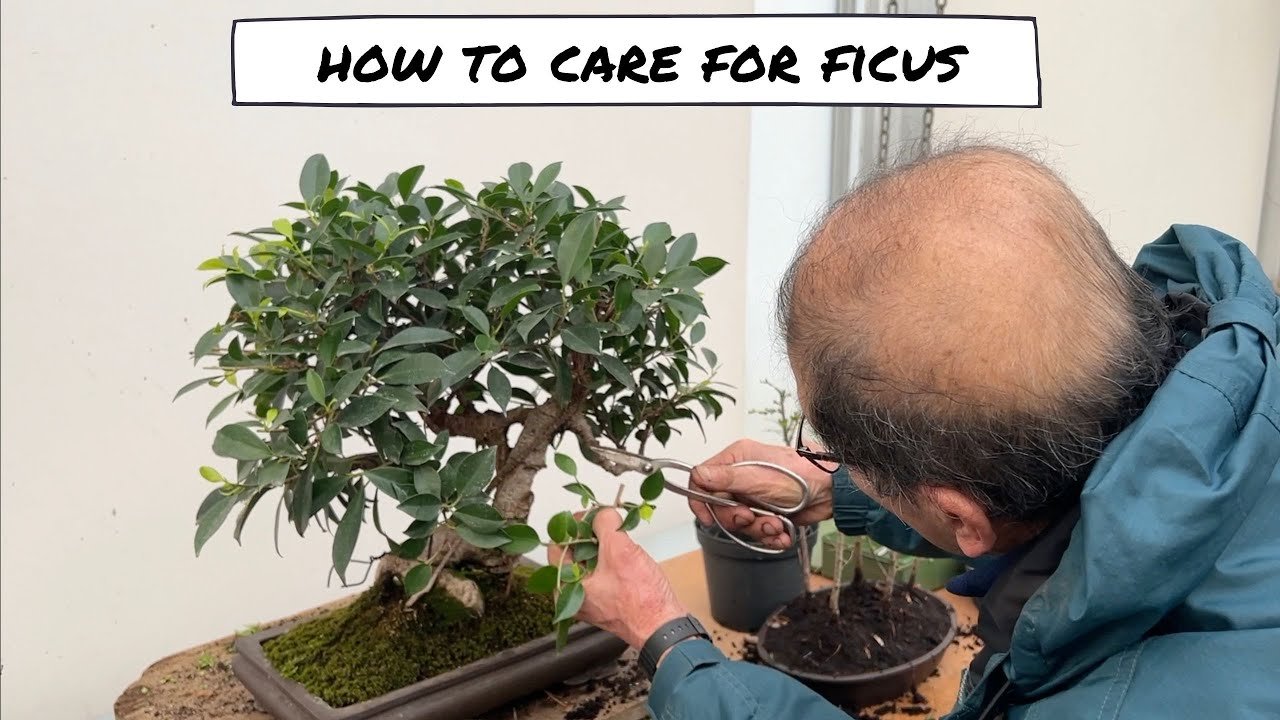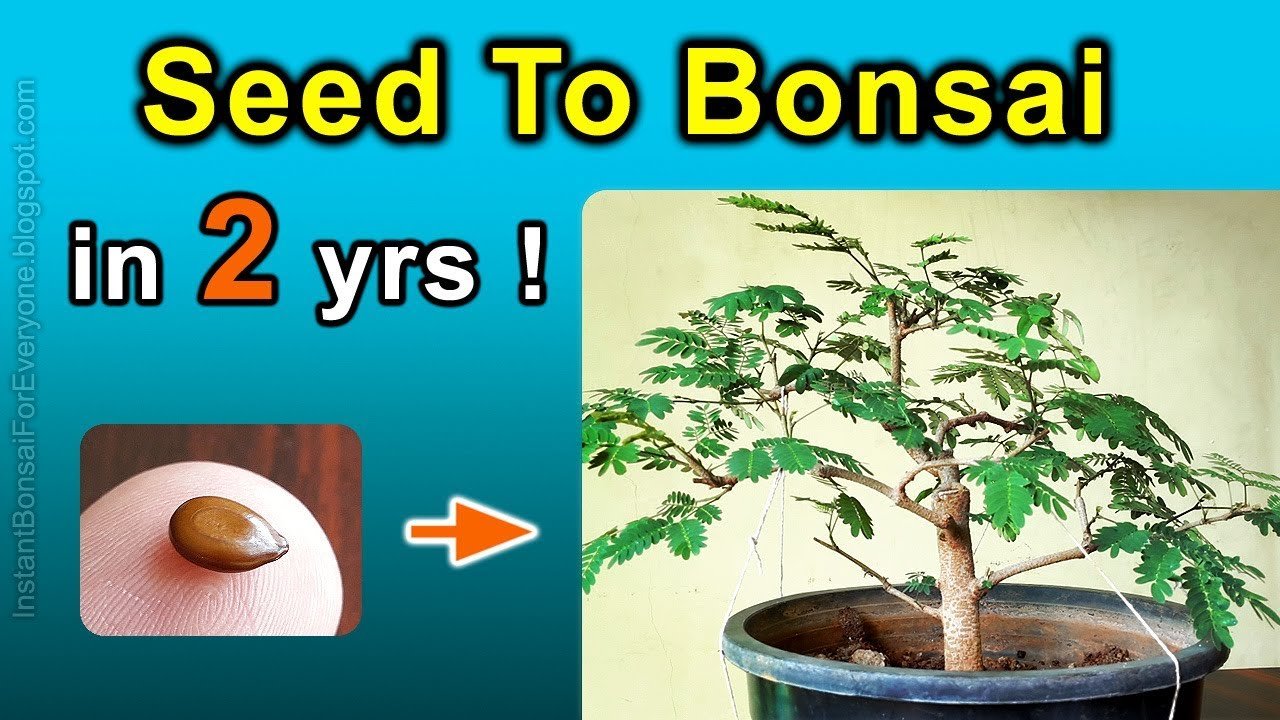
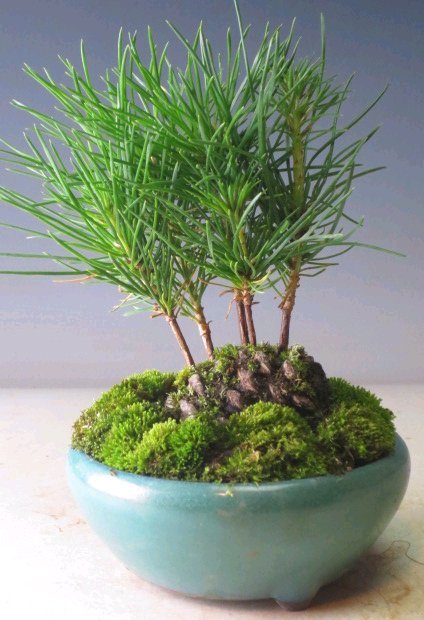
Have you ever marveled at the beauty of bonsai trees and wondered if you could grow one yourself? Imagine having your own miniature tree, perfectly sculpted, right in your living room. With a little patience and the right techniques, you can turn your vision into reality. Learning how to create a wire bonsai is a rewarding journey that allows you to shape and mold your tree to your liking. Soon enough, you'll have a stunning centerpiece that reflects your personal touch and dedication to this ancient art.
But not just any bonsai—a pine cone bonsai. It sounds intriguing, doesn't it? The idea of turning a simple pine cone into a living piece of art is both fascinating and rewarding. In this guide, we’ll unravel the secrets to transforming a pine cone into a thriving bonsai tree.
You’ll discover the steps, tips, and insights needed to nurture your pine cone bonsai from a tiny seedling into a stunning masterpiece. Let’s dive in and explore how you can make this natural wonder part of your home.
Choosing The Right Pine Cone
Choosing the perfect pine cone is crucial for growing a successful bonsai. Opt for mature cones with tightly closed scales, ensuring viable seeds. This careful selection fosters a healthy bonsai, ready to thrive with proper care.
Choosing the right pine cone is crucial when you're starting your journey to grow a pine cone bonsai. The type of pine cone you select can dramatically affect the health and appearance of your bonsai. Not all pine cones are suitable for bonsai cultivation, so understanding which ones to pick is vital.
Identifying Suitable Pine Varieties
Different pine species produce cones that vary in size, shape, and growth potential. Some popular varieties for bonsai include the Japanese Black Pine, Scots Pine, and White Pine. Each of these has unique characteristics that can influence how your bonsai will develop. When you choose a pine variety, consider the climate in your area. Some pines thrive in colder climates, while others do better in warmer regions. Matching the pine variety to your local conditions can make a significant difference in the success of your bonsai.
Harvesting The Best Pine Cones
Timing is everything when it comes to harvesting pine cones. The best time to collect them is in late summer or early fall when they have matured but before they open and release seeds. Look for cones that are brown and closed but not yet dropping from the tree. Inspect the cones for any signs of damage or disease. Healthy cones are essential for a thriving bonsai. Avoid cones with visible cracks or holes, as these can indicate pests or other issues. I remember the first time I harvested pine cones. I was so excited I picked the first ones I found, only to realize they were too young. This taught me to be patient and wait for the right moment. Have you ever rushed into something only to find out you needed to wait? Choosing the right pine cone isn't just about picking any cone off the ground. It's about selecting a cone that promises potential and vitality for your bonsai. The right choice at this stage can lead to a beautiful, thriving bonsai in the future.
Preparing The Pine Cone For Planting
Growing a Pine Cone Bonsai begins with careful preparation of the cone itself. Each step ensures that the seeds inside are ready for planting. This process involves cleaning, treating, and extracting seeds from the cone. Proper preparation boosts the chances of a thriving bonsai.
Cleaning And Treating The Cone
Pine cones often carry dirt and pests. Start by brushing off debris gently. Use a soft brush to avoid damaging the cone. Next, soak the cone in warm water for 30 minutes. This helps loosen any remaining dirt and debris. After soaking, rinse the cone with fresh water. Ensure all dirt is washed away. Treat the cone with a mild fungicide solution. This protects against mold and fungal infections. Let the cone dry completely before proceeding. Drying prevents moisture-related issues.
Extracting Seeds From The Cone
Once the cone is clean and dry, it's time to extract seeds. Open the scales carefully using your fingers. Be gentle to avoid crushing the seeds. A small pair of tweezers can help in this process. Pull out the seeds one by one. Each scale may hold a few seeds. Collect these seeds on a clean surface. Ensure seeds are free from broken pieces. Discard any damaged seeds. These seeds are now ready for planting.
Planting Pine Cone Seeds
Growing a pine cone bonsai starts with planting seeds from pine cones. First, collect mature cones and extract seeds. Soak them in water overnight, then plant in well-drained soil. Keep the soil moist and place in a sunny spot. Regularly trim to maintain bonsai shape. As the sapling begins to grow, it’s essential to learn how to care for bonsai trees by providing the right nutrients and ensuring adequate sunlight exposure. Be mindful of the watering schedule, as overwatering can lead to root rot, while underwatering can stunt growth. Additionally, consider repotting every couple of years to refresh the soil and give the roots more room to develop.
Growing a pine cone bonsai from seeds is a rewarding journey that starts with planting the seeds. This process requires patience and care, but the result is a miniature tree that brings the essence of nature into your home. If you’re eager to begin this enchanting adventure, understanding how to properly plant pine cone seeds is your first step.
Selecting The Ideal Soil Mix
The right soil mix is crucial for the health of your bonsai. Pine cone seeds thrive in a well-draining soil. Consider using a mix of 70% inorganic material like lava rock or pumice, and 30% organic matter such as pine bark. This blend ensures that water drains effectively, preventing root rot. A friend of mine once used regular garden soil, and the results were disappointing. The seeds struggled because the soil retained too much moisture. Learn from this and choose a mix that promotes healthy growth.
Proper Planting Techniques
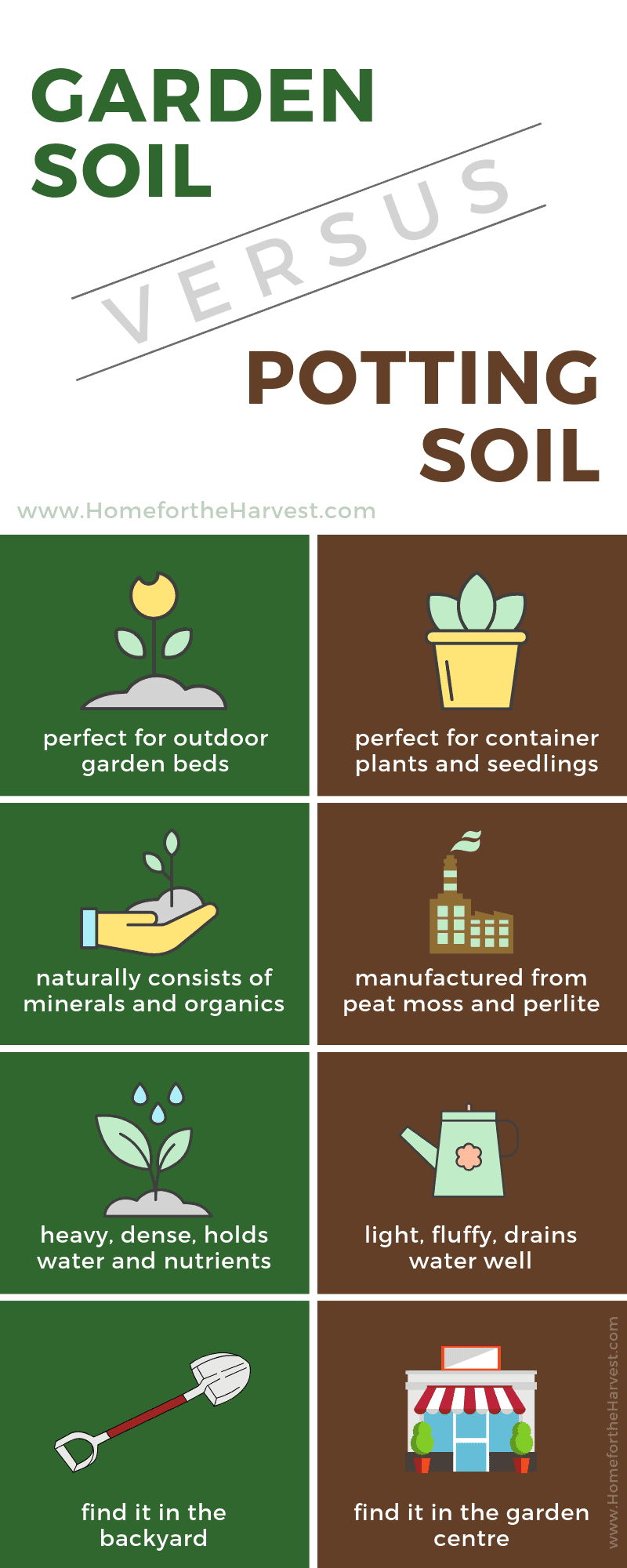
Now that you have your soil mix, it’s time to plant the seeds. Fill a shallow container with your prepared soil. Place the seeds on the surface, spacing them about an inch apart, and lightly cover them with a thin layer of soil. Water the soil gently to avoid disturbing the seeds. Ensure the container has drainage holes to prevent waterlogging. Have you ever overwatered a plant in excitement? It’s a common mistake that can be easily avoided by keeping the soil moist but not soggy. Position the container in a spot with indirect sunlight. Pine cone seeds need warmth to germinate, so a windowsill with some sun exposure is ideal. Be patient as germination can take several weeks. During this time, maintain consistent moisture and watch your tiny seeds transform into young saplings. By selecting the right soil and planting carefully, you set the stage for a thriving pine cone bonsai. What will your seeds grow into? The anticipation and care you invest now will surely pay off as you watch your bonsai flourish.
Caring For Pine Cone Seedlings
Growing a pine cone bonsai involves nurturing seedlings with care. Ensure proper sunlight and water for healthy growth. Trim regularly to maintain shape and size.
Growing a pine cone bonsai can be an incredibly rewarding experience, especially when you see those tiny seedlings sprout from the cones. The early care of these seedlings is crucial to their development. It's not just about keeping them alive; it's about nurturing them to become strong, resilient bonsai trees. Caring for pine cone seedlings requires attention to watering, fertilizing, light, and temperature. Let's dive into these vital aspects to ensure your seedlings thrive.
Watering And Fertilizing Tips
Proper watering is key to preventing the seedlings from drying out or drowning. You want the soil to be moist but not soggy. Test the soil by sticking your finger about an inch deep. If it feels dry, it's time to water. Use a spray bottle for gentle watering to avoid disturbing the fragile roots. Fertilizing should be done sparingly. Consider using a diluted liquid fertilizer every few weeks. This supports their growth without overwhelming them. Always follow the product instructions for the right amount and frequency.
Managing Light And Temperature
Pine cone seedlings need plenty of light, but direct sunlight can be too harsh. Place them in a bright area with indirect sunlight. This encourages healthy photosynthesis without scorching their delicate leaves. Temperature plays a critical role too. Seedlings prefer a cool environment, mimicking their natural habitat. Avoid placing them near heaters or air conditioners. Aim for a consistent room temperature and watch how they respond. Have you ever noticed how a slight change in environment can affect plant growth? It's fascinating how sensitive these seedlings are. Understanding their needs can make all the difference in the journey from pine cone to bonsai tree. Are you ready to give your seedlings the care they deserve?
Shaping And Pruning Techniques
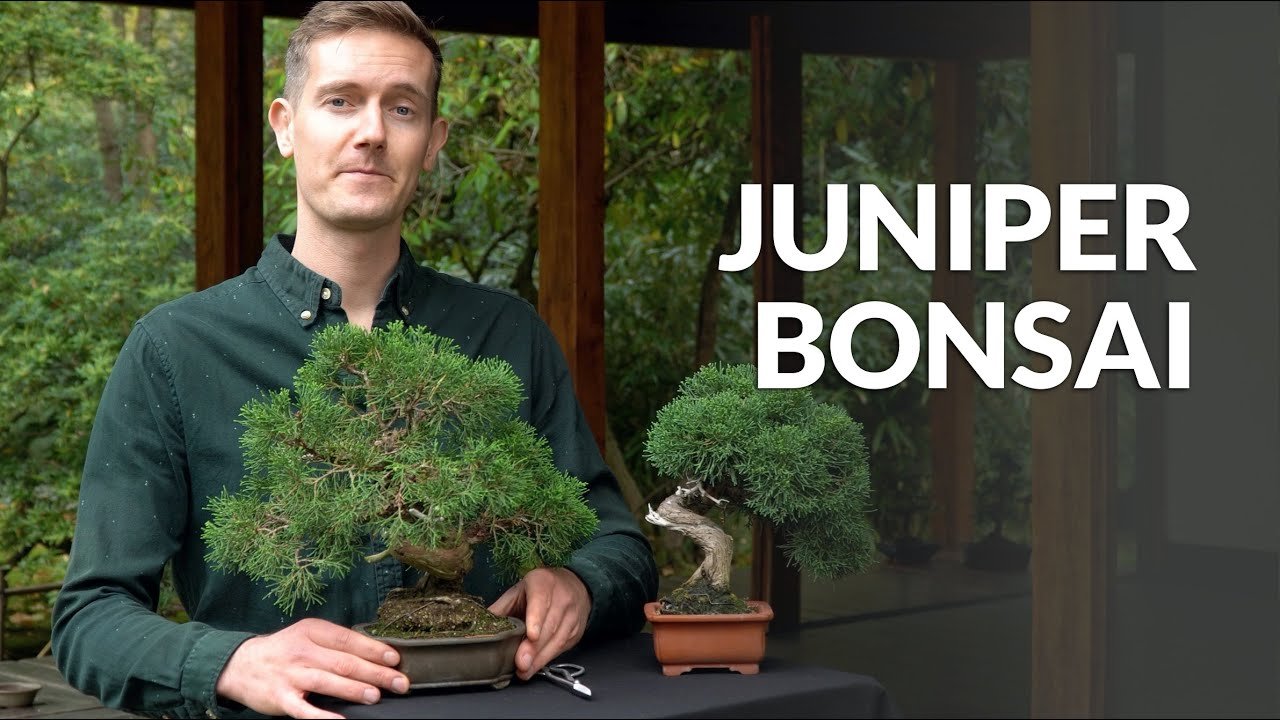
Cultivating a pine cone bonsai involves precise shaping and pruning techniques. Regular trimming ensures balanced growth and maintains the desired form. Use sharp tools for clean cuts to avoid damaging the plant. In addition to shaping, it's important to monitor the health of the pine cone bonsai by ensuring proper watering and light exposure. Mastering bonsai plant trimming techniques can enhance the overall aesthetic and longevity of the tree. Furthermore, seasonal adjustments to care routines can promote vigorous growth and improve resilience against pests. Additionally, monitoring the tree's health is essential, as it helps in determining the right time for pruning. For those unfamiliar with the process, researching how to properly trim bonsai trees can provide valuable insights and techniques. Regular care not only enhances the aesthetics of the bonsai but also promotes its longevity. To enhance the overall aesthetics of your pine cone bonsai, consider wiring the branches to achieve the desired angles and shapes. Additionally, learning how to thicken bonsai trunks can significantly impact the visual weight and stability of your tree, creating a more impressive focal point. Be patient, as the process of thickening trunks takes time and care, but the results are well worth the effort.
Shaping and pruning are pivotal techniques in the art of growing a pine cone bonsai. These methods not only help maintain the aesthetic appeal but also ensure the health and longevity of your bonsai. As you embark on this fascinating journey, you might find yourself wondering how to craft your bonsai into a living masterpiece. Let’s dive into some practical tips that can transform your pine cone bonsai into the centerpiece of your collection.
Basic Pruning Methods
Start with understanding the growth patterns of your pine cone bonsai. Regular pruning is crucial to keep the bonsai compact and well-shaped. You should aim to remove any dead or overcrowded branches. Use sharp, clean pruning shears to make precise cuts. This minimizes damage and encourages healthy regrowth. Remember to prune during the dormant season to avoid stressing the tree. Focus on maintaining a balanced structure. Cut back branches that grow disproportionately long. This encourages a more symmetrical shape and promotes even nutrient distribution.
Advanced Shaping Strategies
Once you've mastered basic pruning, it's time to experiment with advanced shaping. Consider using wiring techniques to guide branch growth. This allows you to bend and shape branches into desired positions. Avoid leaving wires on for too long. They can bite into the bark and cause damage. Check regularly and adjust as needed to ensure your bonsai develops gracefully. Think about the final form you envision for your bonsai. Do you want a cascading style or a windswept look? Your shaping techniques should reflect this vision. Personal experiences can be invaluable here; recall a moment when a particular shape captured your imagination and use it as inspiration. What happens if you dare to try something new? Sometimes, an unexpected twist or turn in a branch can add unique character to your bonsai. Embrace these surprises and let your creativity flourish. In the world of bonsai, shaping and pruning are not just tasks; they are an art form. Engage with your pine cone bonsai, and let each cut and bend be a stroke in your masterpiece.

Credit: dishfunctionaldesigns.blogspot.com
Repotting And Root Care
Growing a pine cone bonsai involves careful attention to its roots. Proper repotting and root care are crucial. These practices ensure the bonsai remains healthy and vibrant. Understanding the right techniques can make all the difference. Let's dive into the essentials of repotting and maintaining healthy roots.
When And How To Repot
Repot your pine cone bonsai every two years. This timing helps manage root growth. Early spring is the best time for repotting. The tree is just waking from dormancy. Begin by gently removing the bonsai from its pot. Shake off excess soil to expose the roots. Trim away any long or dead roots. Use clean, sharp scissors for this task. Place the bonsai in a larger pot. Ensure the new soil mix drains well. This prevents root rot and ensures healthy growth.
Maintaining Healthy Roots
Healthy roots are the foundation of a thriving bonsai. Regular inspections help spot any problems early. Look for signs of root rot or pests. Provide the bonsai with the right amount of water. Overwatering can suffocate roots. Make sure the soil dries slightly between waterings. Use a balanced fertilizer during the growing season. This supports root health and development. Keep the bonsai in a well-ventilated area. Good airflow helps prevent fungal diseases. With proper care, your bonsai will flourish.
Pest And Disease Management
Growing a pine cone bonsai requires attention to pest and disease management. Regularly inspect leaves and stems for signs of insects or fungal infections. Apply natural remedies or appropriate treatments promptly to ensure healthy growth and maintain the bonsai's beauty.
Growing a pine cone bonsai is a rewarding experience that brings the tranquility of nature into your home. However, like any living plant, your bonsai may attract pests and be susceptible to diseases. Effective pest and disease management is crucial to ensure your bonsai thrives. This section will guide you through identifying common pests, implementing preventative measures, and applying effective treatments.
Identifying Common Pests
A vigilant eye is your first line of defense against pests. Common culprits include aphids, spider mites, and scale insects. You might spot these tiny invaders on the undersides of leaves or around the base of the tree. Aphids, for example, are small and pear-shaped, often green or black. Spider mites leave a tell-tale sign of fine webbing. Scale insects look like small, brownish bumps on the bark. Recognizing these pests early can save your bonsai from severe damage.
Preventative Measures And Treatments
Prevention is better than cure. Regularly inspect your bonsai and keep it clean by gently wiping the leaves and branches. Ensure good air circulation around the plant, which discourages many pests. You can also introduce beneficial insects like ladybugs to naturally control pest populations. For treatment, consider using neem oil or insecticidal soap, both of which are safe for your bonsai and environment. Do you know that overwatering can lead to root rot, attracting pests? Make sure you're watering only when necessary to avoid this common mistake. By staying proactive, your bonsai will remain healthy and vibrant, allowing you to enjoy its beauty for years to come.

Credit: www.youtube.com
Seasonal Care And Maintenance
Growing a pine cone bonsai requires careful seasonal care. Trim branches in spring to shape it well. Ensure balanced watering and sunlight for healthy growth.
Growing a pine cone bonsai is a rewarding journey. It's not just about nurturing a plant; it's about understanding its seasonal rhythms. Proper care and maintenance throughout the year are crucial for a thriving bonsai. This section will guide you through adapting your care for each season and preparing for winter dormancy.
Adapting Care For Each Season
Each season brings unique challenges and opportunities for your pine cone bonsai. In spring, focus on growth and rejuvenation. This is the time to ensure your bonsai gets plenty of sunlight. Fertilize regularly to boost its energy reserves. Summer can be harsh, so you need to monitor the soil moisture closely. Water frequently but don't overdo it. Too much water can lead to root rot. Consider using a humidity tray to maintain optimal moisture levels. As autumn arrives, your bonsai will begin to slow down. It's a perfect time to prune and shape. Remove any dead leaves or branches. This prepares your bonsai for winter and encourages healthy growth.
Preparing For Winter Dormancy
Winter is a crucial period for your bonsai. It's when the tree rests and conserves energy. Protect it from harsh cold by insulating the pot. You can use mulch or bubble wrap around the base. Reduce watering during winter. Your bonsai needs less water as it enters dormancy. Avoid fertilizers during this time. Let nature take its course. Have you ever wondered why bonsai enthusiasts eagerly anticipate winter? It's because the dormancy period strengthens the tree's resilience. As it rests, it prepares for a new cycle of growth. Your careful preparation will pay off when spring returns. Remember, each season is an opportunity to connect with your bonsai. Adjust your care to meet its needs. This will ensure your pine cone bonsai thrives year-round. What changes will you make to enhance your bonsai’s seasonal journey?

Credit: www.reddit.com
Frequently Asked Questions
How To Grow A Bonsai Tree From A Pine Cone?
To grow a bonsai from a pine cone, extract seeds from the cone. Plant seeds in well-draining soil. Provide sunlight and regular watering. Prune and shape as the tree grows. Use bonsai-specific techniques to maintain its miniature size. Patience and regular care ensure a healthy bonsai tree.
How Long Does It Take For A Pine Bonsai To Grow?
A pine bonsai typically takes 5 to 10 years to develop into a mature tree. Growth speed depends on species, care, and environmental conditions. Proper pruning, watering, and sunlight are essential for healthy growth. Regular maintenance encourages faster development and enhances the bonsai's appearance.
Can I Grow A Pine Tree From A Pinecone?
Yes, you can grow a pine tree from a pinecone. First, extract seeds from the cone. Then, stratify seeds in a cold environment for a few weeks. Plant them in well-draining soil. Ensure they receive plenty of sunlight and water regularly.
Patience is key, as growth is slow.
Can I Grow Pine Bonsai Indoors?
Yes, you can grow pine bonsai indoors. Ensure adequate sunlight, proper watering, and good air circulation. Use well-draining soil and maintain consistent humidity. Regular pruning and fertilizing help maintain the tree's shape and health. Monitor for pests and diseases to keep your indoor pine bonsai thriving.
Conclusion
Growing a pine cone bonsai can be a rewarding journey. With patience, your bonsai will thrive and bring nature's beauty indoors. Remember, sunlight is essential. Water regularly but avoid overwatering. Prune wisely to shape and maintain its growth. Fertilize during growing seasons for strong roots and leaves.
Keep an eye out for pests; treat them early. Celebrate small milestones along the way. Your dedication will result in a stunning pine cone bonsai. Enjoy the process and the unique charm it adds to your space. Happy gardening!