Have you ever found yourself frustrated with the weak trickle of water from your garden hose when you're trying to water your plants or clean your patio? You're not alone.
Many people face the challenge of low water pressure in their garden hoses, which can make even the simplest outdoor tasks feel like a chore. Imagine how much easier and quicker your gardening routine could be if your hose delivered a powerful, steady stream of water.
You’ll discover simple and effective tips to boost the water pressure in your garden hose, transforming your outdoor chores into efficient and satisfying tasks. Whether you're a seasoned gardener or just someone looking to maintain a beautiful backyard, these solutions are designed to make your life easier and your garden lush. Read on to learn how you can turn that feeble flow into a mighty gush.

Credit: www.bydesignandviz.com
Common Causes Of Low Water Pressure
Low water pressure in your garden hose can be quite frustrating. It can make watering plants and cleaning tasks much harder. Understanding the common causes helps in finding solutions. Below are some frequent issues that could be affecting your garden hose water pressure.
Clogged Hose Or Nozzle
Debris can build up inside the hose or nozzle. This can block water flow and reduce pressure. Check for dirt, sand, or other particles. Cleaning them out can restore normal flow.
Kinks In The Hose
A kinked hose can stop water from flowing freely. Inspect the entire length for twists and bends. Straightening out the hose can often solve the problem.
Low Supply From Main Source
The main water supply could have low pressure. This affects all connected hoses. Check other faucets in your home to confirm. Contact local water services if pressure is low throughout.
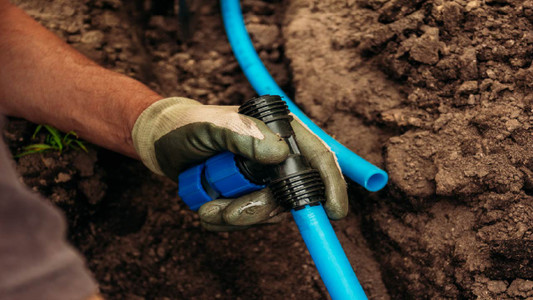
Faulty Valves Or Connectors
Valves or connectors can wear out or become loose. This leads to leaks and reduced pressure. Inspect all connections for wear and tightness. Replacing faulty parts can improve water flow.
Credit: www.dripworks.com
Inspecting Your Garden Hose
Inspecting your garden hose for leaks or damage is crucial to improving water pressure. Check connections and fittings for tightness. Replace any worn-out washers to ensure a steady flow.
Inspecting your garden hose is crucial for maintaining optimal water pressure. A thorough check can uncover issues that might be affecting performance. This ensures that your plants receive the water they need efficiently. Let's delve into the key aspects you should consider during inspection.
Checking For Leaks
Leaks can drastically reduce water pressure. Examine the entire length of the hose for small holes or cracks. Pay special attention to the joints where the hose connects to the faucet or nozzle. You might notice water pooling or spraying. If you find a leak, patch it with a hose repair kit or replace the section.
Examining Hose Material
The material of your hose impacts durability and water flow. Check if the hose is made from heavy-duty rubber or vinyl. Rubber hoses are generally more durable and flexible. Vinyl hoses may kink easily and reduce water flow. If your hose is frequently kinking, consider upgrading to a better material.
Assessing Hose Length
The length of your hose can affect pressure. Longer hoses might experience decreased pressure. Measure the distance from your water source to the farthest point in your garden. If the hose is much longer than needed, consider replacing it with a shorter one. This can help maintain strong pressure throughout its length. Regular inspection of these factors can enhance your garden hose's performance. A well-maintained hose ensures your garden thrives with the right water pressure.
Cleaning Techniques For Improved Flow
Remove blockages from the hose to boost water pressure. Clean the nozzle and ensure it is clear. Check for leaks and replace worn-out washers.
Cleaning Techniques for Improved Flow Having a garden hose with low water pressure can be quite frustrating, especially when you're trying to water your plants efficiently or wash your car. Often, the culprit behind this issue is a buildup of debris or minerals within the hose, nozzles, or attachments. By employing a few simple cleaning techniques, you can significantly improve the flow and get back to your gardening or cleaning tasks with ease.
Using Vinegar For Mineral Buildup
Mineral deposits, especially from hard water, can clog your hose over time. A quick and effective solution is to use vinegar. Fill a bucket with equal parts water and white vinegar. Submerge the hose ends and any removable parts for at least 30 minutes. This method dissolves the mineral deposits, allowing water to flow more freely.
Flushing The Hose With Water
Sometimes, the simplest solutions are the best. Disconnect your hose from the water source and straighten it out. Turn the water on full blast and let it run through the hose. This action can flush out any dirt or debris stuck inside. Regular flushing can prevent future blockages.
Cleaning Nozzles And Attachments
Nozzles and attachments can also get clogged, affecting the overall water pressure. Detach these parts and inspect them for any visible blockages. Use a small brush or a toothpick to remove any debris you find. If the blockage is severe, soaking the nozzles in vinegar can help dissolve stubborn residues. Have you ever cleaned your garden hose and noticed a remarkable difference in water pressure? Keeping your equipment in top shape can make your gardening activities more enjoyable. Remember, a little maintenance goes a long way in ensuring your garden hose works efficiently.
Optimizing Water Source Connection
Optimizing the water source connection can significantly boost your garden hose's pressure. Ensuring a secure and efficient setup is key. Many factors can affect the flow, from loose connections to incorrect faucet settings. This section will guide you through optimizing these elements for better water pressure.
Ensuring Secure Hose Connections
A secure connection between the hose and faucet prevents leaks. Leaks reduce water pressure significantly. Check if the hose is tightly attached to the faucet. Use a wrench if needed, but avoid over-tightening. Inspect the washers inside the hose connectors. Replace them if worn out. This helps maintain a watertight seal.
Adjusting Faucet Settings
Faucet settings influence water pressure. Ensure the faucet is fully open. Partial openings restrict water flow. Some faucets have a pressure control feature. Adjust this to your desired level. Clean the faucet aerator regularly. Dirt can block water flow, reducing pressure.
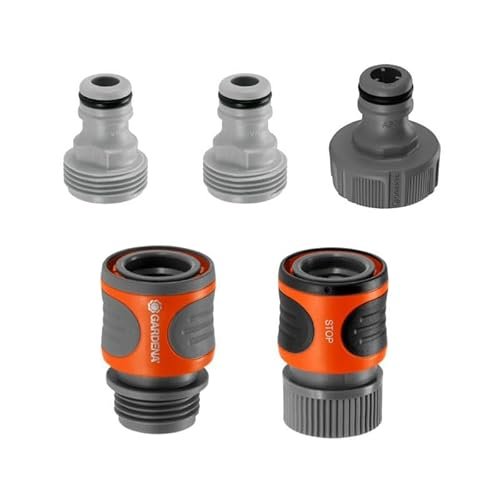
Using Pressure Boosting Attachments
Pressure boosting attachments can enhance water flow. Consider using a pressure nozzle. It concentrates water into a powerful stream. Another option is a water pressure booster pump. This device increases the water pressure in your hose. Choose attachments that fit your hose size. Proper fit ensures maximum efficiency.
Upgrading Your Equipment
Boost water pressure in your garden hose by replacing old, leaky nozzles and ensuring connections are tight. Consider using a hose with a wider diameter for better flow.
Upgrading your garden hose equipment can significantly improve water pressure. Using the right tools ensures efficient watering. This approach saves time and effort while gardening.
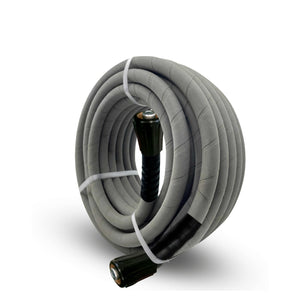
Selecting High-pressure Hoses
Choosing the right hose impacts water flow. High-pressure hoses are durable. They withstand high water force without bursting. Look for hoses with reinforced layers. These prevent kinks and leaks. Consider the hose diameter. A larger diameter allows more water to flow through. This improves pressure. Length matters too. Longer hoses may reduce pressure. Select a length suitable for your garden size.
Choosing Efficient Nozzles
Nozzles play a crucial role in controlling water output. Efficient nozzles enhance pressure. Adjustable nozzles offer flexibility. You can change the spray pattern. Select one with multiple settings for different tasks. Look for nozzles made from strong materials. Metal nozzles are durable. They resist wear and tear better than plastic ones. Choose a nozzle that fits snugly on your hose. This prevents leaks and maintains pressure.
Investing In A Pressure Booster Pump
A pressure booster pump can elevate your hose's performance. It increases water flow and pressure. This is ideal for larger gardens. Ensure compatibility with your existing system. Check the pump's capacity. Choose one that meets your garden's needs. Installation is straightforward. Follow the manufacturer's instructions for best results. A booster pump saves time during watering. It helps reach distant plants easily.
Regular Maintenance Tips
Check for blockages in the hose or nozzle. Ensure the water source is fully open. Inspect and clean the hose regularly to prevent buildup.
Maintaining your garden hose isn't just about ensuring it lasts longer; it's also key to keeping that water pressure optimal. Proper maintenance can prevent clogs and leaks that often lead to pressure drop. Let's dive into some easy, practical tips that will keep your garden hose in top shape and your garden flourishing.
Routine Hose Inspections
Regular checks can save you a lot of hassle. Examine your hose for any cracks or leaks, as these are common culprits for pressure loss. Feel the hose for soft spots; these may indicate weak sections that need replacement. Ensure that fittings and nozzles are tightly secured. Loose connections can lead to water escaping, reducing the pressure at the hose end. If you find any worn-out washers, replace them to ensure a tight seal.
Storing Hose Properly
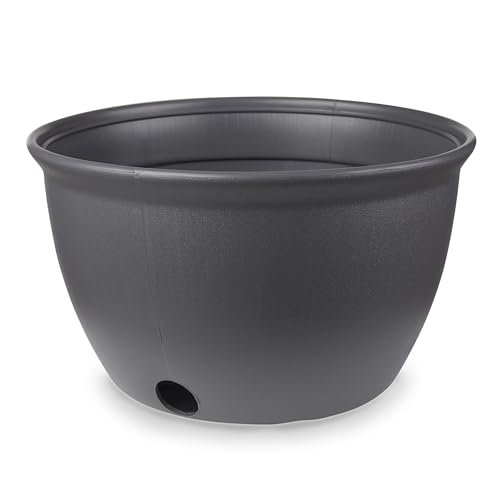
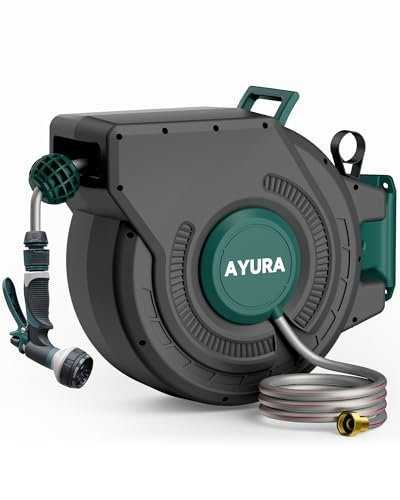
How you store your hose can make a huge difference. Avoid leaving it in direct sunlight, as UV rays can damage the material. Coil it loosely to prevent kinks, which can lead to permanent damage and pressure issues. Consider using a hose reel or hanger to keep it off the ground. This not only extends its lifespan but also prevents dirt and debris from entering the hose, which can obstruct water flow.
Seasonal Cleaning Practices
Cleaning your hose regularly can drastically improve water pressure. Flush it with a strong blast of water to remove any debris or sediment. You'd be surprised at how much gunk can accumulate over time. During colder months, make sure to drain the hose completely. Water left inside can freeze, causing the hose to crack. A simple practice, but it makes a world of difference when spring comes around. Have you ever noticed how a small change in your routine can lead to big improvements? By integrating these simple maintenance tips, you can ensure your garden hose performs at its best, keeping your plants happy and healthy.
Credit: thebluehose.com
Frequently Asked Questions
How Do I Make My Garden Hose High Pressure?
Upgrade to a high-pressure nozzle and check for clogs. Ensure your hose is kink-free and securely connected.
Is There A Way To Increase Garden Hose Pressure?
To increase garden hose pressure, check for leaks and clear any blockages. Use a shorter, wider hose. Ensure the faucet is fully open. Consider installing a water pressure booster if needed. Regular maintenance helps maintain optimal pressure levels.
Why Is My Water Pressure On My Hose So Low?
Low water pressure in your hose might be due to a clogged nozzle, kinked hose, or partially closed valve. Check for leaks or blockages. Ensure your home's main water supply is fully open. Replacing old hoses or attachments can also improve pressure.
Regular maintenance prevents pressure issues.
How To Get More Pressure From An Outdoor Spigot?
Check for blockages in the hose or spigot. Upgrade to a larger diameter hose. Ensure proper water pressure from the main supply. Consider installing a water pressure booster pump. Regularly clean and maintain your outdoor spigot for optimal performance.
Conclusion
Boosting your garden hose's water pressure is simple with these tips. Start by checking for kinks or leaks in the hose. Ensure the spigot is fully open. Try using a shorter hose. A high-pressure nozzle can make a big difference.
Regularly clean and maintain the hose and nozzle. Consider upgrading to a larger diameter hose. These steps can improve your garden watering experience. Remember, proper maintenance is key. Enjoy a lush and healthy garden with the right water pressure. Happy gardening!