
Imagine the joy of watching vibrant birds fluttering around your garden, chirping happily as they settle into a cozy little home you've built just for them. Creating a bird house is not only a fun and rewarding project, but it's also a wonderful way to invite nature into your backyard.
Whether you're a seasoned DIY enthusiast or a curious beginner, building a bird house can be an enjoyable experience that brings you closer to nature. In this guide, you'll discover simple steps to make a bird house that suits your style and space.
You don't need to be a master craftsman or have a workshop full of tools. With just a few materials and a bit of creativity, you can craft a charming haven for your feathered friends. As you read on, you'll find practical tips and inspiring ideas to ensure your bird house is both functional and beautiful. So, grab your tools and let's get started on creating a delightful retreat for the birds in your neighborhood.

Materials Needed
Gather wooden planks, nails, and a hammer for building. Sandpaper ensures smooth edges. Paint adds color and protection. Choose non-toxic materials for bird safety.
Building a birdhouse can be a rewarding project that invites nature right to your doorstep. Before you start, gathering the right materials is essential. The quality and type of materials you choose can significantly impact the durability and attractiveness of your birdhouse. Let’s delve into what you'll need to create a cozy abode for your feathered friends.
Wood Selection
Choosing the right wood is crucial for a birdhouse that lasts. Opt for untreated wood such as cedar or pine. These types are weather-resistant and safe for birds. Avoid pressure-treated wood, as it may contain chemicals harmful to birds. Once, I used an old cedar fence panel, and its rustic charm added character to my birdhouse. What kind of wood could you repurpose for your project?
Tools Required
Having the right tools on hand will make your birdhouse construction smoother. A saw, hammer, and drill are the basic tools needed. A measuring tape and pencil will help you get those precise cuts. Don't forget sandpaper to smooth out rough edges, ensuring birds won't get hurt. Each tool plays a vital role, like puzzle pieces coming together to create a masterpiece.
Additional Accessories
To take your birdhouse to the next level, consider some additional accessories. A small perch outside the entrance can be inviting for birds. You might want to add a hinged roof for easy cleaning. Waterproof paint or stain can protect your birdhouse from the elements, extending its life. These small touches can make all the difference. Have you thought about how you’ll personalize your birdhouse? Each material and tool you choose adds to the story of your birdhouse. By selecting the right components, you ensure your feathered guests have a safe, beautiful place to call home. So, what will your birdhouse say about you?
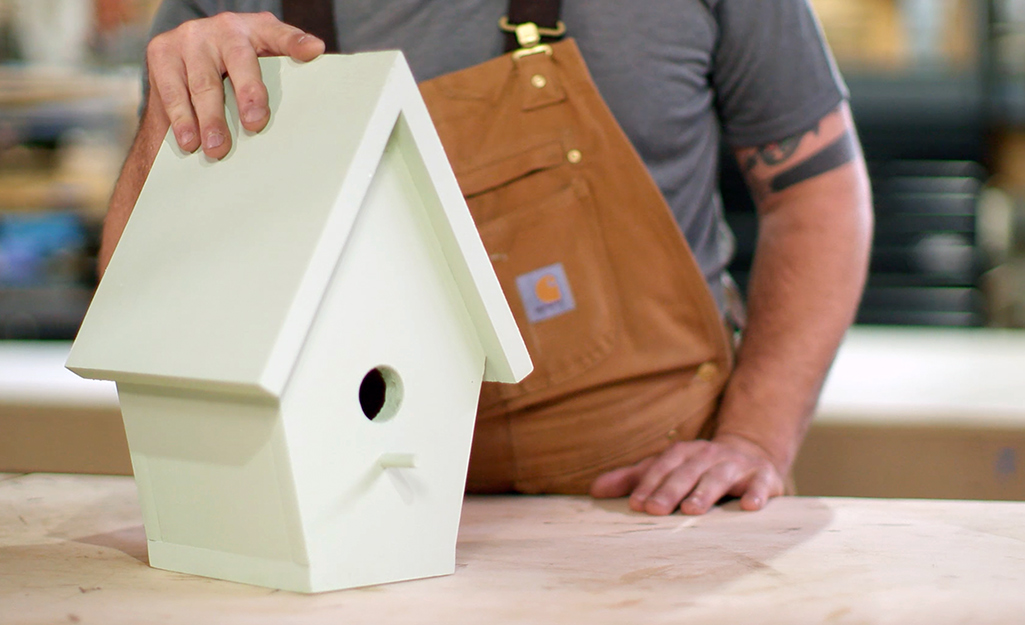
Design Options
Creating a bird house opens a world of design possibilities. Whether aiming for simplicity or creativity, design choices can enhance your garden and attract feathered friends. Selecting the right style involves understanding basic designs, decorative touches, and functional features.
Basic Designs
Basic designs offer simplicity and ease of construction. A simple box shape suits various bird species. Using untreated wood ensures safety for birds. Ensure the entrance is appropriately sized. Small openings deter predators. Ventilation holes prevent overheating. These designs are ideal for beginners.
Decorative Designs
Decorative designs bring charm to your garden. Paint the bird house with vibrant colors. Add unique patterns or themes. Use eco-friendly paint for safety. Incorporate natural elements like twigs or leaves. Consider the garden's style when decorating. These designs attract both birds and human admirers.
Functional Features
Functional features enhance the bird house experience. Include drainage holes to prevent water buildup. Install perches for birds to rest. Ensure easy access for cleaning. Consider predator guards for added protection. Choose durable materials for longevity. These features ensure the bird house is practical and inviting.
Building The Base
Crafting a birdhouse base involves choosing the right wood and cutting it to size. Assemble the pieces securely with nails or screws. Ensure the base is sturdy to support the whole structure.
Creating a birdhouse is a rewarding project that invites nature into your backyard. The foundation of any sturdy birdhouse is its base. Building the base is crucial for providing a safe and stable home for your feathered visitors. Let's dive into the steps to ensure your birdhouse stands strong.
Cutting The Wood
Begin with selecting the right type of wood. Cedar and pine are popular choices because they are durable and easy to work with. Measure and mark your wood pieces carefully, ensuring accuracy in every cut. A standard birdhouse base might require a square piece around 6 inches by 6 inches. Use a handsaw or a circular saw to make precise cuts. If you've never used a saw before, don’t worry—it’s easier than it seems. Just remember to wear safety goggles to protect your eyes. Have you thought about the size of birds you want to attract? The size of your base can influence which birds will visit. Smaller bases might attract chickadees, while larger ones could welcome robins.
Assembling The Base
Once you have your wood pieces cut, it’s time to assemble the base. Lay out the square piece you cut earlier. It will serve as the bottom of your birdhouse. Attach the side panels to the base using wood glue for an initial hold. Ensure each piece aligns perfectly to avoid gaps. Gaps can let in moisture, which isn’t good for birds. After the glue dries, reinforce the joints with nails or screws. This step ensures the base is secure and can withstand weather conditions. A cordless drill can make this task quicker and more efficient.
Securing The Base
The final step in building the base is securing it firmly. This means checking all joints and making sure they’re tight. If you can wiggle any part of the base, it needs more reinforcement. Consider adding a coat of non-toxic, water-resistant sealant to protect the wood from rain and humidity. This can significantly extend the life of your birdhouse. Have you ever noticed a birdhouse swaying in the wind? A secure base prevents this, ensuring your birdhouse remains a safe haven for its occupants. Building the base of a birdhouse is more than just a construction task—it's about creating a welcoming space for birds. By taking the time to cut, assemble, and secure the base properly, you set the stage for a birdhouse that will last for years. Ready to hear the chirping and singing? Your birdhouse journey is off to a great start.
Creating The Walls
Crafting the walls of a birdhouse involves cutting wood pieces precisely to fit together. Ensure each panel is smooth and strong. Securely attaching these pieces provides a sturdy foundation for your feathered friends.
Creating the walls of your birdhouse is a crucial step. It requires precision and care to ensure that the little feathery inhabitants feel safe and comfortable. You might wonder how to make these walls sturdy and weather-resistant. Let's dive into the details to help you succeed in this delightful DIY project.
Measuring And Cutting
Accurate measurements lay the foundation for a perfect birdhouse. Start by deciding the size of your birdhouse depending on the type of birds you want to attract. Use a ruler or measuring tape to get precise dimensions for each wall piece. Once you have your measurements, mark them on the wood using a pencil. This step is crucial to ensure you cut the pieces correctly. A small error in measurement can lead to an unstable structure. Use a saw to cut the wood along the marked lines. Safety first, so wear protective gear and handle tools with care.
Attaching The Walls
With your pieces ready, it's time to assemble them. Lay the side pieces flat and align them at right angles with the front and back panels. Use wood glue for initial adhesion, applying it along the edges where the walls meet. Once the glue is set, reinforce the attachment with screws or nails. This adds durability and ensures the walls stay intact through different weather conditions. It's rewarding to see the structure take shape, knowing your effort is creating a cozy home.
Ensuring Stability
Stability is key to a long-lasting birdhouse. Check that all corners are flush and aligned perfectly. Shake the structure gently to test its sturdiness. If there’s any wobble, tighten the screws or add more for reinforcement. Consider adding a base or floor to the birdhouse for extra support. This not only stabilizes the structure but also provides a comfortable platform for birds. Have you ever noticed a birdhouse tipped over after a windy night? Ensuring stability can prevent such scenarios and keep your birdhouse welcoming. As you work on the walls, think about the birds that will call it home. Your attention to detail will make all the difference.
Constructing The Roof
Crafting a bird house roof involves careful measurement and cutting for a snug fit. Use weather-resistant materials to ensure durability. Securely attach the roof to protect birds from rain and predators.
Constructing the roof of a birdhouse adds charm and protection. A well-crafted roof shields birds from rain and predators. It also enhances the overall design. Let's explore how to create a sturdy and stylish roof for your birdhouse.
Design Considerations
Choosing the right design is crucial. Think about the bird species using the house. Larger birds need bigger roofs. Opt for a sloped roof to drain water effectively. Flat roofs can cause water pooling. Match the roof style with your garden aesthetics. A simple gable design works well for most settings. Consider the color and material. Bright colors attract birds and add visual interest.
Building Techniques
Start with a sturdy frame. Use plywood or cedar for durability. Cut pieces with precision for a snug fit. Assemble the frame using nails or screws. Ensure the roof is securely attached to the birdhouse. Avoid gaps that could let in rain or wind. Test the stability with gentle pressure. Ensure the roof aligns perfectly with the walls. Double-check the dimensions before finalizing the structure.
Weatherproofing
Protect the roof from harsh elements. Use waterproof sealants on the wood surface. Apply two coats for maximum protection. Consider adding shingles for extra durability. They provide an additional layer against rain. Choose weather-resistant materials like asphalt or metal. Check for leaks after rainstorms. Regular maintenance ensures longevity. Keep the roof clean from debris and leaves. This prevents moisture build-up.
Adding Entrance And Perch
Creating a bird house is a fun project. It attracts beautiful birds to your garden. The entrance and perch are essential parts. They help birds access and use the house safely. Let's explore the key aspects of adding an entrance and perch.
Entrance Hole Size
The entrance hole size is crucial. It determines which birds will visit. A 1.5-inch hole suits small birds like sparrows. Larger birds need bigger holes. Ensure the hole is smooth. This prevents injury to birds entering or leaving.
Perch Placement
Perch placement affects bird comfort. Place the perch below the entrance hole. This helps birds rest before entering. A short stick or dowel works well. Ensure it's sturdy. Birds need stability when they land.
Safety Considerations
Safety is vital for bird houses. Avoid sharp edges near the entrance. They can harm birds. Use non-toxic materials. This ensures bird health. Securely attach all parts. Loose parts can cause injury or deter birds.
Finishing Touches
The finishing touches give your birdhouse a unique charm. They ensure it's both functional and inviting for birds. Attention to detail in this stage makes a big difference. Let's explore some essential steps to perfect your birdhouse.
Painting And Decorating
Choose colors that blend with the environment. This helps birds feel safe. Use non-toxic paints to protect the birds. Bright colors attract different bird species. Add designs like flowers or leaves for aesthetic appeal. Personalize it with your own creative flair. Ensure the paint is dry before moving on.
Adding Nesting Material
Providing nesting material invites birds to settle in. Use natural materials like straw or dry grass. Small twigs or soft leaves work well too. Place them inside the birdhouse carefully. Avoid overcrowding to keep it comfortable. These materials make the birdhouse cozy and inviting.
Final Inspection
Check the birdhouse for safety and durability. Ensure there are no sharp edges inside or out. Make sure all parts are securely attached. Test the entrance hole size for suitability. Observe for any signs of damage or weakness. Perform a final check to ensure everything is perfect.
Installation Tips
Creating a cozy bird house involves selecting the right materials. Ensure stability by securely fastening all parts. Proper ventilation and drainage are essential for comfort.
Creating a birdhouse is a delightful project that brings nature closer to your home. But once you’ve crafted your beautiful avian abode, how do you ensure it becomes a welcoming spot for your feathered friends? Proper installation is crucial to attract and protect birds. Let’s dive into some essential installation tips that will help you set up your birdhouse for success.
Choosing The Location
The right location makes all the difference in attracting birds. Consider placing the birdhouse in a quiet area, away from human activity and loud noises. You want it to feel safe and serene. Avoid areas with direct sunlight or strong winds, as these can make the birdhouse uncomfortable. Think about predators. Placing the birdhouse at least 5-6 feet above the ground can deter curious cats or other animals.
Mounting Techniques
Sturdy mounting ensures the birdhouse stays in place throughout the seasons. Use a strong, weather-resistant pole or post. This provides stability and longevity. Consider a mounting bracket for easy installation. It allows you to adjust the height and direction based on your backyard’s conditions. If you’re affixing the birdhouse to a tree, choose a method that doesn’t harm the tree. Rubber straps or hooks are excellent options that minimize damage.
Monitoring And Maintenance
Once installed, regular monitoring is essential. Check the birdhouse periodically for signs of wear or damage. Clean the birdhouse at the end of each breeding season. This prevents the spread of disease and keeps it inviting for new inhabitants. Are your birds happy? Observing bird behavior can tell you a lot about the success of your installation. If birds aren’t visiting, consider adjusting the location or height. Your birdhouse is more than a structure; it’s a refuge for wildlife. With thoughtful installation, you can create a safe haven that birds will love. Are you ready to welcome the chirping symphony in your backyard?

Frequently Asked Questions
How To Make A Bird House Step By Step?
Cut wood into pieces for the walls, roof, and floor. Assemble using nails or screws. Drill a hole for the entrance. Attach the roof securely. Add ventilation and drainage holes. Paint or seal for weather protection. Mount on a tree or pole.
Enjoy watching birds visit!
Do Birds Prefer Unpainted Birdhouses?
Birds often prefer unpainted birdhouses as they blend better with natural surroundings. Paint can release harmful chemicals. Using non-toxic finishes is ideal if painting. Natural wood attracts more birds, providing a safer environment. Keeping birdhouses simple and eco-friendly helps encourage nesting and supports bird health.
What Do You Put In The Bottom Of A Birdhouse?
Place wood shavings or straw at the bottom of a birdhouse to create a comfortable nesting area. Ensure drainage holes are present to prevent water accumulation. These materials help insulate and maintain a cozy environment for birds. Avoid using chemical-treated substances to keep the habitat safe for wildlife.
What Is The Best Birdhouse To Attract Birds?
Choose a birdhouse with natural materials like wood. Ensure proper ventilation and drainage. Opt for a size suitable for local birds. Include a sloped roof to prevent rain accumulation. Avoid perches to deter predators. Mount securely at an appropriate height.
Attract birds with native plants nearby.
Conclusion
Creating a birdhouse brings joy and creativity. It's a simple project anyone can do. The process involves basic tools and materials. A safe haven for birds in your garden. You get to watch nature up close. Remember to choose the right spot.
Keep it sheltered from harsh weather. Regularly check for repairs and cleanliness. Your birdhouse can last for years with care. Enjoy the sights and sounds of feathered friends. A rewarding experience for nature lovers. Build a birdhouse and invite nature home.
Your garden will thank you.