Are you tired of dragging your garden hose around your yard every day? Imagine having a lush, green garden without the hassle.
With a simple DIY sprinkler system using your garden hose, you can achieve just that. Picture yourself relaxing on your porch, watching your garden thrive, while your homemade sprinkler system does the work for you. This guide will reveal the secrets to creating an efficient sprinkler system with items you already have at home.
Ready to transform your gardening routine and keep your plants happy? Let’s dive in and discover how you can effortlessly upgrade your garden care.

Credit: www.youtube.com
Choosing The Right Garden Hose
Transforming a garden hose into a sprinkler system is simple. Begin by selecting a durable, flexible hose. Ensure it has adjustable spray options for varied coverage.
Choosing the right garden hose is crucial for a functional sprinkler system. The hose you select affects water flow and durability. It must fit your garden's size and water needs. Consider the following factors for an optimal choice.
Material Considerations
Garden hoses come in various materials. Common options include rubber, vinyl, and reinforced hoses. Rubber hoses are durable and flexible. They withstand extreme temperatures well. Vinyl hoses are lightweight and more affordable. They may not last as long as rubber. Reinforced hoses combine the best of both. They provide strength and flexibility. Choose a material that suits your climate and budget.
Diameter And Length
The diameter of the hose affects water flow. Common diameters are 1/2 inch, 5/8 inch, and 3/4 inch. A larger diameter means more water flow. For a small garden, 1/2 inch is sufficient. Larger areas benefit from a 5/8 inch or 3/4 inch hose. Length is also important. Measure the distance from the water source to your garden. Ensure the hose is long enough to reach all areas. Avoid a hose that is too long to prevent water pressure loss. Choose wisely for efficient watering.
Essential Tools And Materials
Creating a sprinkler system with a garden hose requires a few essential tools and materials. Gather a garden hose, hose connectors, a sprinkler head, and a pair of scissors. These items are easy to find at home or in local stores.
Setting up your own sprinkler system using a garden hose can be a fun and rewarding project. It's all about having the right tools and materials at your disposal. Whether you're looking to save water or ensure your garden receives consistent hydration, understanding the essentials will help you achieve a seamless setup. Let's dive into what you need to get started.
Basic Tools Needed
You'll need some fundamental tools to create your sprinkler system. A reliable garden hose is your first must-have. This will be the backbone of your system. Make sure it's long enough to cover the area you want to irrigate. Scissors or a sharp knife are necessary for cutting the hose to the desired lengths. A screwdriver will be handy for tightening clamps and screws, ensuring everything is secure. These tools are typically found in most households, making your setup process smooth.
Additional Components
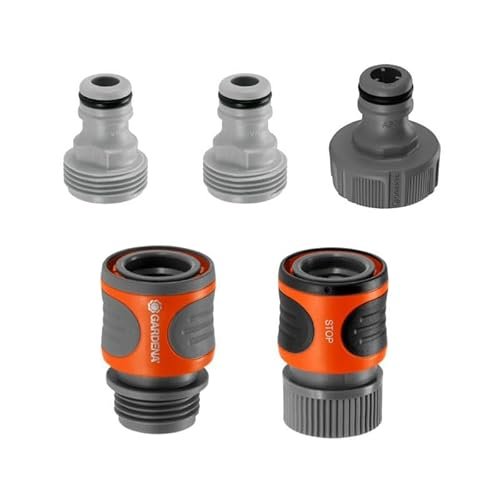
Apart from the basic tools, you'll need a few more components to complete your system. A hose splitter is essential if you plan to connect multiple hoses to a single water source. This allows you to direct water flow efficiently to different parts of your garden. Investing in adjustable nozzles or sprinkler heads is wise. These will help you customize the water distribution, so each plant gets the attention it needs. Consider using a timer to automate watering schedules, which will save you time and prevent overwatering. Have you thought about using connectors to join hoses? These little gadgets ensure your hoses stay connected tightly, without leaks. They come in various sizes, so pick ones that match your hose dimensions. Isn't it fascinating how these simple tools and materials can transform your garden watering routine? With these essentials, you're well on your way to creating a DIY sprinkler system that meets your gardening needs.
Planning The Layout
Planning the Layout Arrange your garden hoses to cover the entire area efficiently. Consider plant placement and sun exposure for optimal watering. Test the flow to ensure adequate coverage.
Planning the layout of your DIY sprinkler system is like setting the foundation for a masterpiece. It involves strategizing to ensure your garden receives the right amount of water without any wastage. Think of this step as crafting a blueprint for your garden's hydration needs. It's not just about connecting hoses; it's about understanding your garden’s layout and its thirst.
Mapping Your Garden
Start by taking a stroll around your garden. Observe the different sections and note the types of plants. Are there areas that seem thirstier than others? Perhaps your vegetable patch needs more attention than your flower beds. Sketch a rough map of your garden, marking areas that require more watering. Include pathways, patios, and any obstructions that might affect hose placement. This will help you visualize the garden's layout and plan the hose routes effectively.
Determining Water Coverage
Consider the water requirements of each area in your garden. Do your tomatoes need frequent, heavy watering, while your succulents require less? Understanding these needs will help you decide how many sprinkler heads to use and where to place them. Test the reach of your garden hose and sprinkler heads. How far does the water spray? Adjust the placement to ensure all areas receive adequate coverage. It’s like solving a puzzle where each piece must fit perfectly to avoid dry patches or waterlogged zones. By investing time in planning, you ensure your garden flourishes without wasting precious resources. Are there areas in your garden that are often neglected in watering? Addressing these can transform your garden into a lush paradise.
Building The Sprinkler System
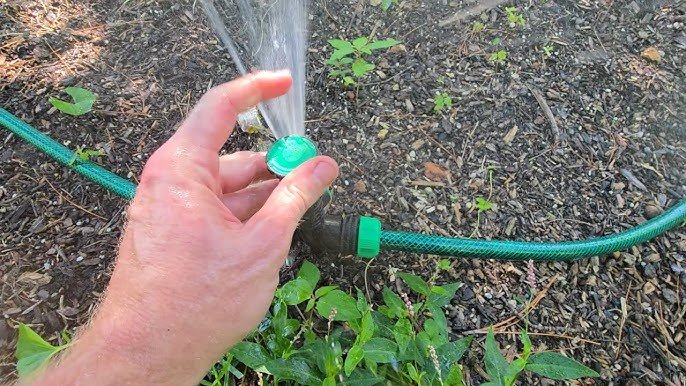
Creating a sprinkler system using a garden hose is simple. Attach a hose to a sprinkler head. Secure the connection tightly to prevent leaks. Adjust the water flow to reach all areas of your garden. Enjoy efficient watering without hassle.
Building the Sprinkler System Creating a sprinkler system with a garden hose is a rewarding DIY project that can save you time and money. It allows you to customize the watering needs of your garden. Plus, it's a fun way to get creative with your outdoor space. It doesn't require a lot of technical skills, just a bit of patience and some basic tools. Are you ready to transform your garden into a lush, green paradise? Let's get started!
Cutting And Connecting Hoses
Begin by measuring the areas of your garden that need watering. Cut your garden hose into sections that will reach each area. Use a utility knife or hose cutter for a clean cut. Next, connect the hose sections using hose connectors. These connectors are widely available at garden centers or online. Make sure the connections are tight to prevent leaks. It's essential to plan the layout before cutting. Imagine where you want the water to go and how it will flow. This will help you avoid unnecessary cuts and connections.
Attaching Sprinkler Heads
Once your hoses are connected, it's time to attach the sprinkler heads. Choose heads based on the water coverage you need. Some heads are adjustable, offering more flexibility. Attach the heads to the ends of the hoses. If needed, use a clamp to secure them firmly. Test each head to ensure it's delivering water as desired. Consider placing the heads at varying heights for optimal coverage. This is especially useful for gardens with plants of different heights. Are all your plants getting the water they need? Adjust the heads as necessary to ensure even coverage. By following these steps, you’ll create a custom sprinkler system tailored to your garden. Enjoy the satisfaction of a DIY project that keeps your garden thriving!
Setting Up The Water Source
Secure a garden hose to a water faucet. Ensure the connection is tight to prevent leaks. Adjust the water flow for optimal sprinkler performance.
Setting up the water source for your DIY sprinkler system is the first vital step. The water source you choose will directly impact the efficiency and coverage of your entire setup. By connecting properly and using the right equipment, you ensure a consistent and reliable watering schedule for your garden.
Connecting To Outdoor Faucet
Start by identifying a suitable outdoor faucet close to your garden. This ensures minimal hose length, reducing water pressure loss. Attach a splitter to the faucet to allow simultaneous use of the hose and other garden tasks. A dual or triple hose splitter can come in handy, especially if you have multiple watering zones. Ensure all connections are tight to prevent leaks. Use a wrench for a snug fit, but be careful not to overtighten and damage the threads.
Using A Water Timer
A water timer can be a game-changer for your watering routine. It automates the process, freeing you from manual operation. Choose a timer that suits your needs—simple mechanical timers are budget-friendly, while digital options offer more programming flexibility. Set your timer to water early in the morning or late afternoon. This timing helps reduce evaporation and ensures your plants get the most benefit from each drop. Have you considered how much time you'll save with a timer? It might just be the tool that transforms your gardening experience.
Testing And Adjusting
Testing and Adjusting Ensure the sprinkler system covers the entire garden by testing the water spray. Adjust hose positions for even watering.
Testing and adjusting your homemade sprinkler system ensures it works efficiently. It's crucial to check for leaks and adjust spray patterns for optimal coverage. These simple steps will help you maintain a vibrant and healthy garden.
Checking For Leaks
Inspect the connections carefully. Look for water dripping or pooling around the hose. Tighten any loose fittings using a wrench if necessary. Watch for small cracks or holes along the hose. Tape or seal these spots to prevent water waste. Ensure all valves are functioning correctly. Replace any damaged components promptly.
Adjusting Spray Patterns
Observe the water coverage in your garden. Ensure all plants receive adequate moisture. Adjust the angle of the sprinkler heads. Turn them slightly to cover dry areas. Check the water pressure. Increase or decrease it to modify spray distances. Use adjustable nozzles for a customizable spray pattern. Experiment with different settings for uniform distribution.
Maintenance Tips
Crafting a sprinkler system with a garden hose is easy and budget-friendly. Connect multiple hoses using a splitter, ensuring water reaches every corner. Regularly check for leaks and blockages to maintain efficiency.
Maintaining your DIY garden hose sprinkler system is crucial for ensuring it runs efficiently and lasts for many seasons. By dedicating a little time to regular maintenance, you can avoid costly repairs and keep your garden looking lush. Here are some actionable maintenance tips to keep your sprinkler system in top shape.
Regular Inspections
Conduct regular checks to spot any leaks or blockages in your garden hose. A small drip can lead to water wastage and increased utility bills. Inspect the connectors and nozzles for any signs of wear and tear. Replace worn-out parts promptly to prevent further damage. Keep an eye on water flow. Uneven distribution might indicate a blockage in the hose or nozzle.
Winterizing The System
Prepare your system for colder months to prevent freezing damage. Drain all water from the hoses before the first frost arrives. Disconnect hoses and store them indoors if possible. This prevents them from cracking due to freezing temperatures. Consider using hose covers or insulation if you must leave hoses outside. They provide an extra layer of protection against the cold. By following these simple maintenance tips, you can extend the life of your garden hose sprinkler system. Have you checked your system lately? A little upkeep can make a big difference in performance and longevity.

Credit: www.facebook.com
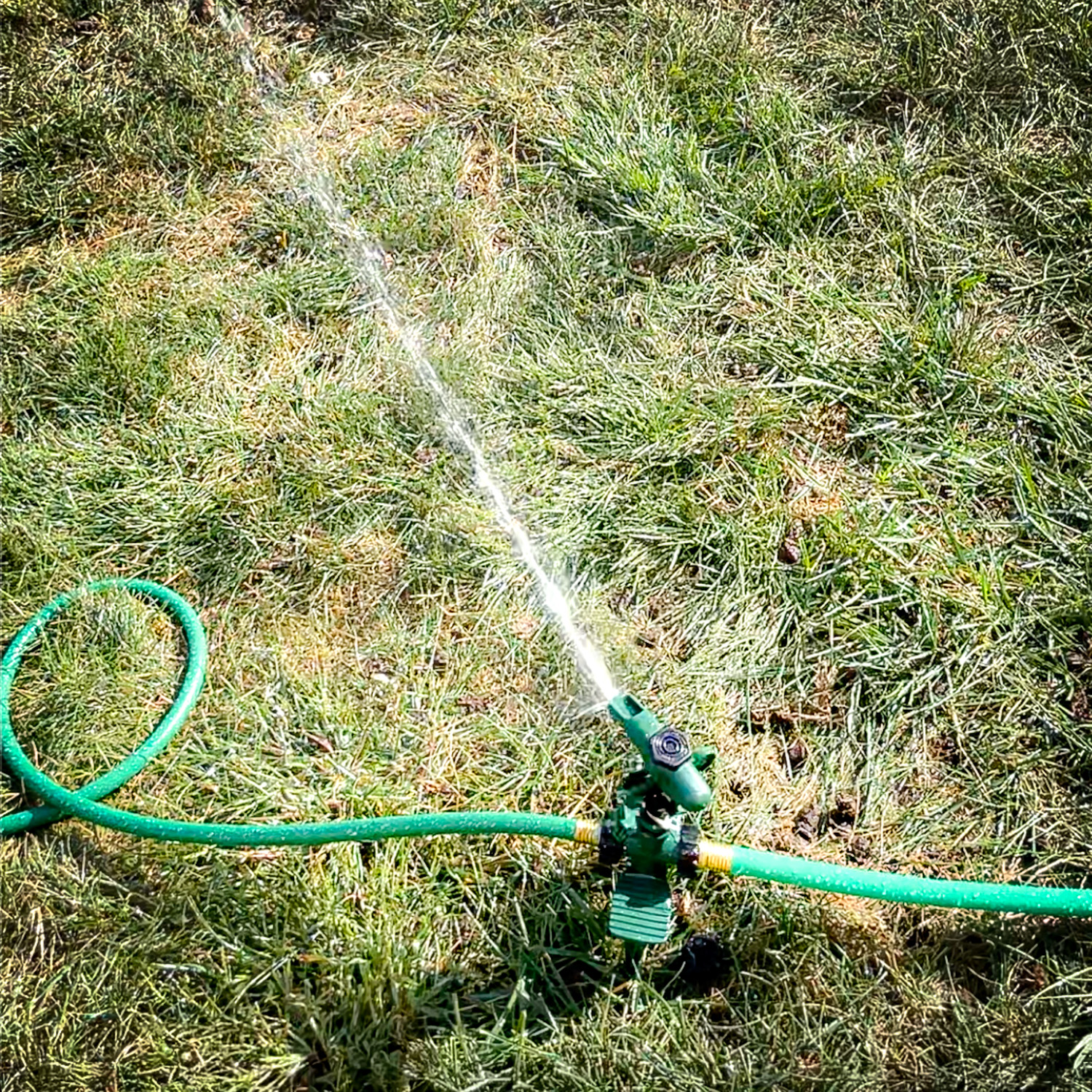
Credit: crystelmontenegrohome.com
Frequently Asked Questions
Can You Run A Sprinkler System Off A Garden Hose?
Yes, you can run a sprinkler system off a garden hose. Connect the sprinkler to the hose using a hose connector. Ensure the water pressure is adequate for effective irrigation. Portable sprinkler systems often work well with garden hoses, offering flexibility for watering different areas.
How Many Sprinklers Can You Run On One Hose?
The number of sprinklers depends on hose diameter and water pressure. Generally, a standard hose supports 2-3 sprinklers effectively. Adjust for optimal flow, considering sprinkler type and garden layout. Test for consistent water coverage to ensure efficient irrigation and adjust accordingly for best results.
How To Make A Simple Sprinkler?
Use a plastic bottle, poke holes in the cap, and attach it to a garden hose. Turn on the water to create a simple sprinkler for watering your garden efficiently.
Can I Bury A Garden Hose For A Sprinkler System?
Yes, you can bury a garden hose for a sprinkler system. Ensure it's suitable for underground use to prevent damage. Use a hose with a durable exterior and avoid sharp bends. Bury it below the frost line to protect against freezing.
Conclusion
Creating a sprinkler system with a garden hose is simple. You save money and water while keeping your garden green. The steps are easy to follow and require basic tools. Customize the setup to fit your garden's needs. Regular maintenance ensures your system lasts longer.
Enjoy watching your plants thrive with less effort. A homemade sprinkler is a smart choice for any gardener. Now, you're ready to transform your garden efficiently. Experiment with different setups and find what works best for you. Happy gardening!