Are you fascinated by the elegance and tranquility of bonsai trees but unsure where to start? Imagine being able to craft your own beautiful, everlasting bonsai tree using just wire.
It's not only a creative outlet but also a calming experience that lets you bring a piece of nature into your home. This step-by-step guide will walk you through the process of making a wire bonsai tree, showing you that anyone can master this art.
You'll discover the joy of shaping each branch and leaf, creating a unique piece that reflects your personal style. Dive into this captivating project and learn how you can transform simple materials into a stunning work of art. Ready to unleash your inner artist? Let's get started!

Credit: www.youtube.com
Materials Needed
Making a wire bonsai tree needs some basic materials. These help you build and shape the tree easily.
Knowing the right materials makes your project neat and strong. Let’s look at what you need.
Types Of Wire
Wire is the main material for your bonsai tree. Choose the right type to shape branches and trunk well.
- Aluminum wire: Easy to bend and safe for beginners
- Copper wire: Strong and holds shape better
- Floral wire: Thin and flexible for small details
- Galvanized wire: Rust-resistant for long-lasting trees
Tools Required
You will need some tools to cut and twist the wire. These tools help you work faster and safer.
- Wire cutters: To cut wire cleanly
- Needle nose pliers: To bend and twist wire tightly
- Round nose pliers: For making smooth loops
- Ruler or measuring tape: To measure wire lengths
Optional Decorative Elements
You can add decorations to make your bonsai tree look more real and pretty. These are not needed but add charm.
- Beads: Use as fruits or flowers
- Colored tape: Wrap wire for color effects
- Small stones: Place at the base for decoration
- Miniature pots: Display your bonsai nicely

Credit: www.youtube.com
Choosing A Design
Making a wire bonsai tree starts with picking the right design. The design guides your work and helps your tree look great.
Think about the style, shape, and branch layout before you start. This planning saves time and gives better results.
Simple Vs Complex Styles
Simple styles use fewer wires and basic shapes. They are easier to make and good for beginners.
Complex styles have many branches and detailed shapes. They need more skill and take longer to build.
- Simple styles are quick and look clean
- Complex styles look more natural and full
- Choose simple for practice, complex for display
Selecting Tree Shapes
Pick a tree shape that fits your wire skills and space. Some shapes are easier to form with wire.
Common shapes include upright, slanting, and cascading. Each shape has a unique look and wire arrangement.
- Upright shapes stand tall and straight
- Slanting shapes lean to one side
- Cascading shapes flow down like waterfalls
Planning Branch Layout
Plan how many branches your bonsai will have. Good branch layout makes the tree look balanced and real.
Decide branch positions and lengths before wrapping wire. This helps keep the shape neat and strong.
- Place branches evenly on both sides
- Use shorter branches near the top
- Make lower branches longer and wider
Preparing The Wire
Making a wire bonsai tree needs careful wire preparation. Good wire shaping makes the tree look real.
This guide explains how to cut, shape, and form wire for your bonsai trunk and branches.
Cutting Wire To Length
Cut wire pieces that are long enough to shape but easy to handle. Too short wire breaks. Too long wire is hard to control.
- Use wire cutters made for metal.
- Measure about twice the length of your desired branch or trunk section.
- Cut wire cleanly to avoid sharp ends.
- Label wire pieces if using different thicknesses.
Shaping The Trunk
Start shaping the trunk with a thicker wire. This gives strength and a natural look.
- Bend gently to avoid breaking.
- Twist wires together for thickness.
- Create curves like a real tree trunk.
- Use pliers for tight bends.
Forming Branches
Choose thinner wire for branches. Shape each branch with gentle curves.
| Wire Thickness | Use |
| 1.5 mm | Main trunk |
| 1.0 mm | Primary branches |
| 0.5 mm | Secondary branches |

Credit: m.youtube.com
Building The Structure
Making a wire bonsai tree starts with a strong structure. The frame gives the tree shape and support. Once the frame is established, you can begin adding smaller branches and leaves to create a more realistic appearance. To achieve the desired look, it's essential to understand how to start a bonsai tree by carefully selecting and positioning each element. Attention to detail in wiring and shaping each branch will enhance the overall beauty of your creation.
This section explains how to twist branches, secure the base, and add texture to the trunk.
Twisting Branches Together
Use thin wire to create the branches. Twist two or more wires together to form thicker branches.
Twisting helps make the branches strong and hold their shape better over time.
- Cut wires to desired branch length
- Pair wires and twist gently from the base
- Keep twisting until the branch is firm
- Shape the branches while twisting
Securing The Base
The base supports the whole tree. Use thicker wire to make a strong trunk base.
Wrap several wires tightly together at the bottom. This keeps the tree stable and upright.
- Gather thick wires for the trunk
- Twist them tightly at the bottom
- Form a flat base by spreading wire ends
- Press the base flat for balance
Adding Texture To The Trunk
Texture makes the trunk look natural. Wrap thin wire around the trunk in a spiral pattern.
This adds roughness and depth, giving the tree a realistic bark effect.
- Start at the bottom of the trunk
- Wrap thin wire tightly in a spiral
- Overlap the wire slightly for texture
- Stop wrapping near the top of the trunk
Finishing Touches
Adding finishing touches to your wire bonsai tree brings it to life. These final steps make your creation look natural and balanced.
Focus on shaping the leaves, adding decorations, and adjusting the tree’s balance for the best result.
Bending Leaves And Twigs
Use your fingers or small pliers to gently bend the wire leaves and twigs. Curve them slightly to mimic real branches and leaves. Avoid sharp bends to keep a natural look.
- Bend leaves outward for fullness
- Curve twigs upward or downward
- Twist wire ends to form small leaf tips
- Space leaves evenly along branches
Attaching Decorative Elements
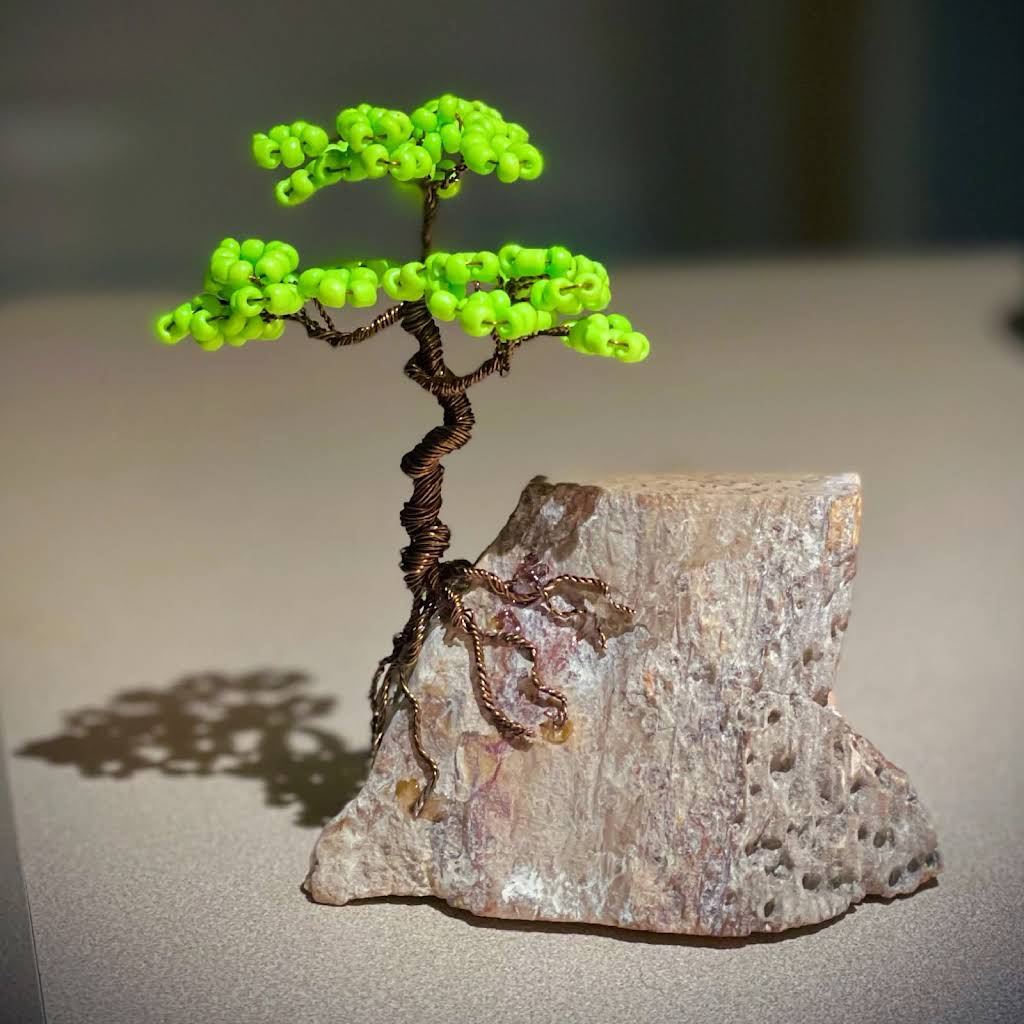
Decorative elements add charm and detail to your bonsai tree. You can use beads, small stones, or artificial moss.
| Element | Placement | Effect |
|---|---|---|
| Beads | On branch tips | Looks like fruit or flowers |
| Small stones | Base of tree | Simulates soil or rocks |
| Artificial moss | Around trunk | Adds natural ground cover |
Final Adjustments For Balance
Check the overall shape and balance of your bonsai tree. Make sure it stands steadily and looks even from all sides.
- Place your tree on a flat surface
- Adjust branches to balance weight
- Bend the trunk slightly if needed for support
- Secure the base with extra wire or glue if loose
Displaying Your Wire Bonsai
After making your wire bonsai tree, displaying it properly can enhance its beauty. A good display helps highlight the details and craftsmanship.
Consider the right stand, lighting, and care to keep your wire bonsai looking its best for a long time.
Choosing A Stand Or Pot
Select a stand or pot that fits the size and style of your wire bonsai. It should support the tree without overpowering it.
Look for simple designs that let the bonsai be the main focus. You can use small wooden stands or shallow ceramic pots.
- Use a flat, stable base for balance
- Pick neutral colors to avoid distraction
- Choose materials like wood, ceramic, or metal
- Match the size to the bonsai’s height and width
Lighting Tips
Good lighting brings out the details and shadows of your wire bonsai. Natural light works well for most displays.
Place your bonsai near a window with indirect sunlight to avoid fading the wire color. Use soft artificial light if natural light is not available.
- Avoid harsh direct sunlight that can heat the wire
- Use LED lights for clear and cool illumination
- Try spotlights to highlight specific parts of the tree
- Adjust light angles to create interesting shadows
Maintenance And Care
Wire bonsai trees need little care but should be dusted regularly. Dust can hide the fine wire details and dull the look.
Handle the bonsai gently to avoid bending or breaking the wires. Keep it away from moisture to prevent rust.
- Use a soft brush or cloth to remove dust
- Keep the bonsai in a dry place
- Avoid touching the wires too often
- Check for any loose wires and fix them carefully
Troubleshooting Common Issues
Making a wire bonsai tree can be fun and creative. Sometimes, you may face problems that stop your progress. This guide helps you fix common issues and keep your bonsai looking great.
Read the tips below to solve problems with loose branches, wire breakage, and shape mistakes. These solutions will help you enjoy the process and improve your skills.
Fixing Loose Branches
Loose branches can make your bonsai look unfinished. Tighten the wire gently without breaking it. If the wire slips, try these ideas:
- Use a thicker wire for support on loose branches.
- Wrap the wire around the branch several times to hold it firmly.
- Add small loops of wire to anchor loose parts to the main structure.
- Check branch positions often and adjust the wire as needed.
Avoiding Wire Breakage
Wire can break if you bend it too much or use the wrong type. Prevent breaks by following these tips:
| Cause | Solution |
| Bending wire back and forth | Bend wire slowly and only once in each direction |
| Using wire that is too thin | Choose wire thickness based on branch size |
| Old or rusted wire | Use fresh, rust-free wire for better strength |
| Applying too much force | Handle wire gently and use tools for tight bends |
Correcting Shape Mistakes
Sometimes the tree shape does not look right. Fix shape mistakes with these simple steps:
- Remove wire carefully without hurting the branches.
- Use your fingers or pliers to bend branches slowly to the new shape.
- Apply fresh wire to hold the correct shape once fixed.
- Work on one branch at a time to avoid confusion.
Frequently Asked Questions
What Materials Are Needed To Make A Wire Bonsai Tree?
You need floral wire, wire cutters, pliers, and a sturdy base. Choose wire thickness based on the tree size. Optional items include paint or beads for decoration. These materials help create a realistic and durable wire bonsai tree.
How Do You Shape Wire Into Bonsai Branches?
Start by twisting wire to form the trunk and main branches. Bend smaller wires around the branches to mimic twigs. Use pliers for precise shaping. Gradually shape and adjust the branches for a natural bonsai look. Incorporate some of the thicken bonsai trunk techniques, such as wrapping the trunk with additional wire or using grafting methods to encourage growth in specific areas. These techniques will help create a more robust and realistic appearance in your bonsai tree. Patience is key, as the desired effect may take time to develop, but the results will be worth the effort.
What Wire Gauge Is Best For Bonsai Trees?
Use 18 to 22 gauge wire for medium bonsai trees. Thicker wire holds shape better but is harder to bend. Thinner wire is flexible but less supportive. Choose based on your tree size and design complexity.
How Long Does It Take To Make A Wire Bonsai Tree?
A simple wire bonsai takes 1-2 hours to complete. Complex designs with detailed branches may take several hours. Time depends on skill level and design intricacy. Patience is key to crafting a beautiful tree.
Conclusion
Creating a wire bonsai tree takes patience and care. Each twist and bend shapes your unique art piece. Practice helps you improve your skills over time. Enjoy the process as you bring your tree to life. This simple craft brings beauty into any space.
Try different designs to find your favorite style. Keep experimenting and have fun with your wire bonsai!