Are you passionate about bonsai trees and eager to see them thrive? The secret to nurturing these miniature marvels often lies beneath the surface—in the soil.
Crafting the perfect bonsai soil mix is not just a task; it’s an art that can significantly impact your plant's health and beauty. Imagine transforming your bonsai into a stunning centerpiece by simply getting your hands a little dirty. You don’t need to be a seasoned gardener to make this happen.
You'll discover how to create the ideal bonsai soil that will provide your tree with the nutrients and structure it needs to flourish. Keep reading, and let's unlock the secrets to a thriving bonsai together!
Credit: adamaskwhy.com
Essentials Of Bonsai Soil
Crafting bonsai soil involves mixing components like akadama, pumice, and lava rock. Each ingredient ensures proper drainage and aeration, vital for healthy root growth. Balancing soil elements is key to mimicking natural growing conditions for bonsai trees.
Creating the perfect bonsai soil is crucial for the health and longevity of your miniature tree. Unlike regular garden plants, bonsai trees require a specialized soil mix that promotes good drainage, aeration, and nutrient retention. You might be wondering, what are the essentials that make bonsai soil unique? Let's break it down so you can provide your bonsai with the best possible foundation.
Understanding The Basics
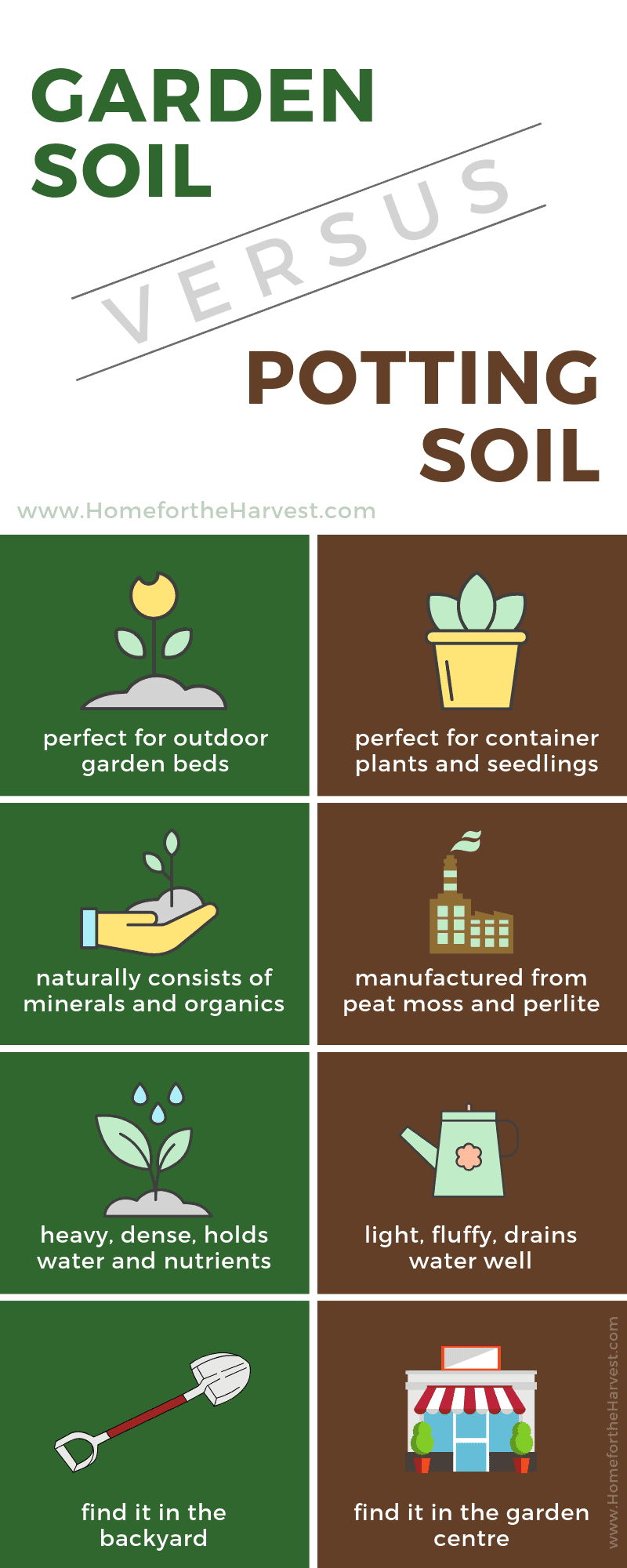
Bonsai soil is not your typical garden soil. It is a blend of different materials, each serving a specific purpose. The goal is to mimic the natural environment where the tree species originally grows. This is essential for maintaining the tree's health and ensuring it thrives.
Components Of Bonsai Soil
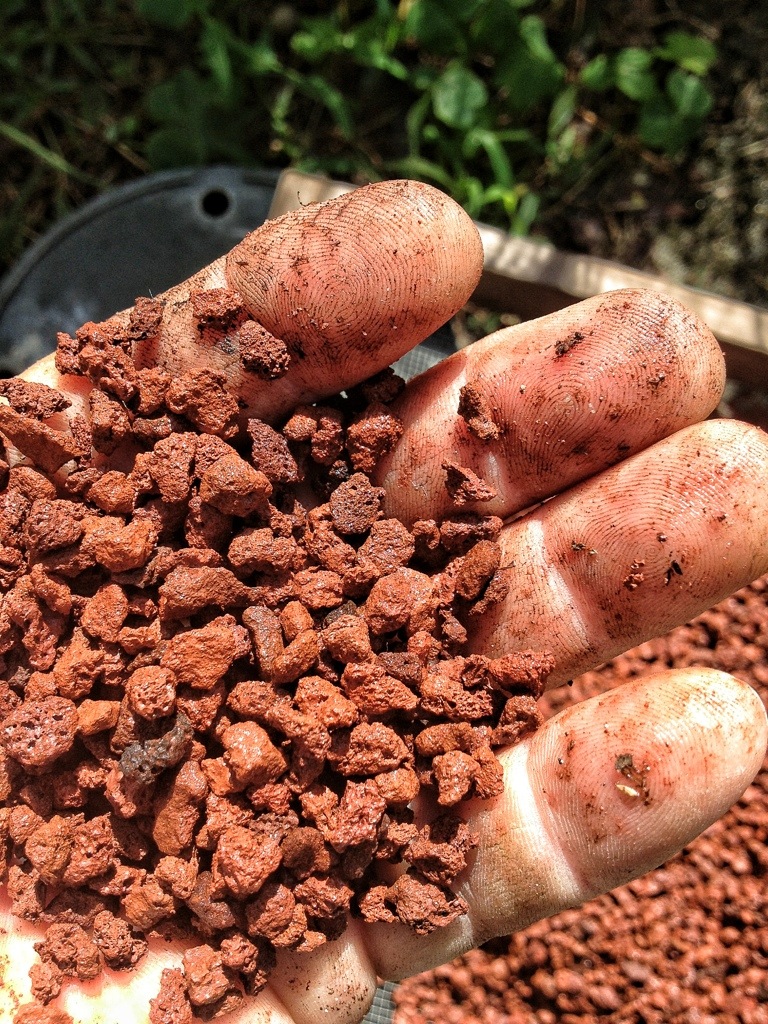
The main components of bonsai soil include akadama, pumice, and lava rock. Akadama is a type of clay that retains water and breaks down over time, improving nutrient uptake. Pumice is a lightweight volcanic rock that enhances drainage and provides structural support for roots. Lava rock prevents soil compaction and increases aeration, giving roots the oxygen they need.
Importance Of Drainage
Good drainage is critical for bonsai trees. Without it, water can accumulate, leading to root rot. Imagine your bonsai as a delicate balance; too much or too little water can tip the scales. Ensuring that your soil mix allows excess water to drain away is key to preventing these issues.
Why Aeration Matters
Aeration keeps the soil loose, allowing roots to grow freely and access oxygen. Tight, compact soil can suffocate roots and stunt growth. Have you ever noticed how a stagnant pond can become lifeless? The same can happen to your bonsai if the soil lacks proper aeration.
Nutrient Retention
While bonsai soil should drain well, it still needs to hold onto essential nutrients. Materials like akadama help with this. You want your bonsai to have access to the nutrients it needs to thrive but without excess buildup that can harm the plant.
Customizing Your Soil Mix
Every bonsai species might have different requirements based on its natural habitat. Consider researching your specific tree type. Adjust the ratios of akadama, pumice, and lava rock to suit its needs. You might find that a tropical bonsai needs more water retention, while a conifer prefers better drainage.
Personal Experience
When I first started with bonsai, I underestimated the importance of soil. My tree struggled until I switched to a mix with better aeration. It was a game-changer. Have you had similar experiences where a small change made a big difference? By understanding these essentials, you're well on your way to creating a thriving environment for your bonsai. What adjustments will you make to your bonsai soil mix today?
Credit: adamaskwhy.com
Components Of Ideal Bonsai Soil
Creating the perfect bonsai soil is an art as intricate as cultivating the miniature trees themselves. The components of ideal bonsai soil are essential in ensuring your bonsai thrives. Understanding the balance between organic and inorganic elements, and mastering water retention and drainage, can transform your bonsai gardening experience. Let's explore what makes the perfect bonsai soil!
Organic Elements
Organic elements in bonsai soil are vital for providing nutrients. You might use composted bark or leaf mold, which enrich the soil while maintaining moisture. Have you ever noticed how the forest floor is always teeming with life? This organic matter mimics that environment. It enhances the growth of beneficial microorganisms that support your bonsai.
Consider adding sphagnum peat moss. It's excellent for moisture retention and has a light texture that allows roots to breathe. But be cautious; too much can lead to excessive water retention.
Inorganic Elements
Inorganic elements offer structure and stability to bonsai soil. They ensure proper aeration and drainage, which are crucial for healthy root development. Materials like akadama, pumice, or lava rock are popular choices. These elements prevent soil compaction, allowing roots to expand freely.
Why not experiment with mixing different sizes? Smaller particles can fill in gaps between larger ones, creating a balanced blend. This mix can support delicate root systems while keeping your bonsai upright and stable.
Water Retention And Drainage
Striking the right balance between water retention and drainage is key. Bonsai need moisture, but they also require air to reach their roots. Have you ever had a bonsai with yellowing leaves? That might be due to poor drainage, leading to root rot.
Try using a mesh at the bottom of the pot to prevent soil loss while ensuring proper drainage. Adjust your soil composition based on your climate. In humid areas, increase inorganic elements to enhance drainage. Conversely, in dry regions, you might boost organic elements to retain moisture. What adjustments have you tried to optimize your bonsai's health?
Creating your bonsai soil is a journey of discovery. Each component plays a unique role in nurturing your miniature tree. As you experiment and adjust, you'll learn what works best for you and your environment. Dive in, and watch your bonsai flourish!
Choosing The Right Soil Mix
Bonsai trees thrive best in the right soil mix. The soil directly affects their growth and health. Not all soil mixes suit every bonsai tree. Many factors need consideration. These include tree species, climate, and whether to use commercial or homemade mixes.
Tree Species Considerations
Different tree species require different soil compositions. Pine trees prefer well-draining soil. Deciduous trees like a more moisture-retentive mix. Research the specific needs of your bonsai species. This ensures the soil supports optimal growth.
Climate And Environment Factors
Climate plays a big role in soil choice. In humid climates, use fast-draining soil. It prevents root rot. In dry climates, soil should retain moisture longer. It helps in maintaining hydration. Consider the environment where the bonsai will grow.
Commercial Vs. Homemade Mixes
Commercial mixes offer convenience. They are often well-balanced for general bonsai needs. But they may not suit all tree species. Homemade mixes allow customization. You can adjust components to suit specific tree needs. Both options have their advantages.
Step-by-step Soil Preparation
Bonsai soil preparation is crucial for healthy plant growth. Proper soil promotes drainage, aeration, and nutrient retention. Understanding each step ensures your bonsai thrives. Let's dive into the essentials of preparing bonsai soil.
Gathering Materials
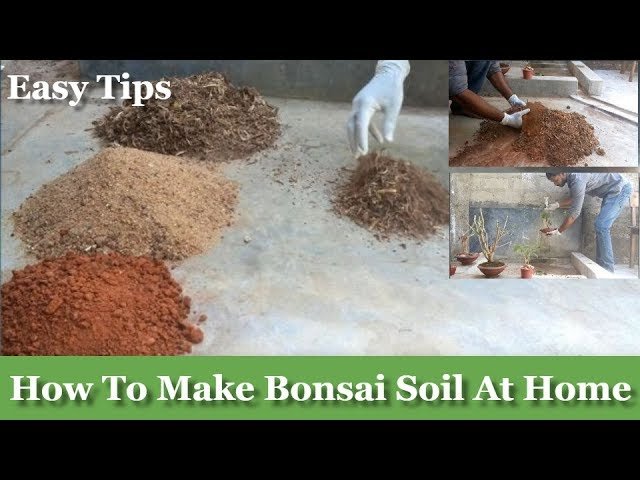
Start by collecting essential materials. You'll need akadama, pumice, and lava rock. Akadama is a clay-like soil that retains moisture. Pumice improves drainage and aeration. Lava rock adds minerals and supports root development. Acquire a sieve to filter particles.
Choose materials based on tree species. Different bonsai trees prefer specific soil types. Research your bonsai species to find suitable components. Visit local garden centers or online stores for materials.
Mixing Techniques
Mix the components thoroughly. Use equal parts of akadama, pumice, and lava rock. Adjust ratios according to tree needs. Some trees need more moisture. Others require better drainage. Use a sieve to remove fine dust and particles.
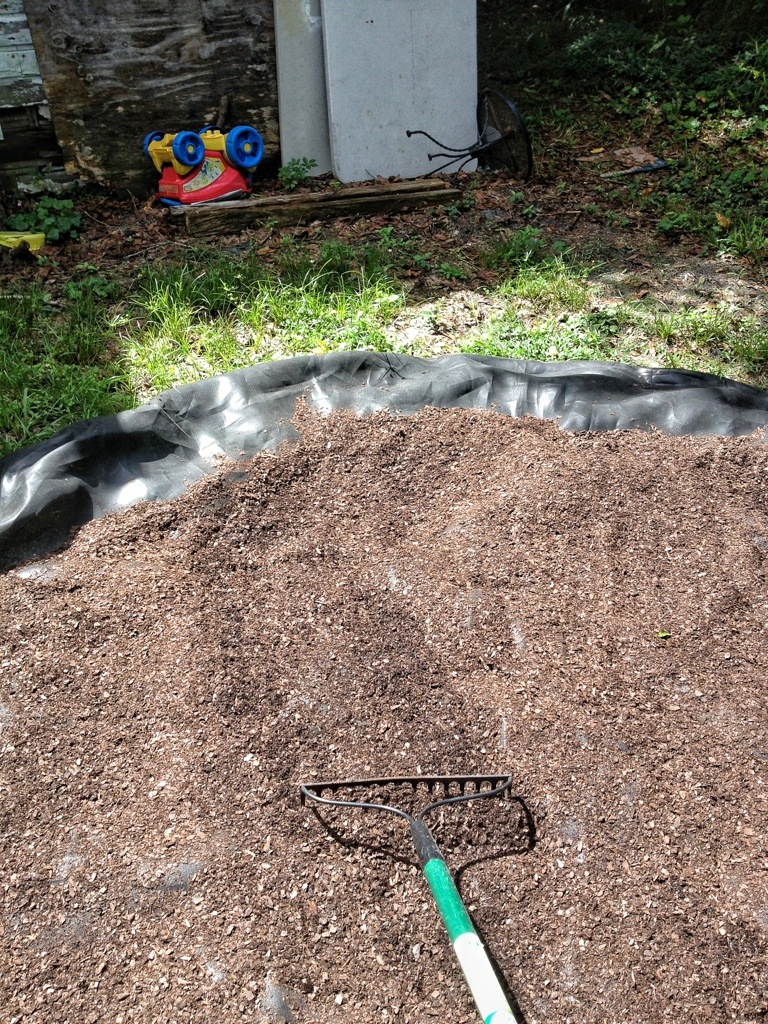
Combine materials in a large container. Stir well to ensure even distribution. Mixing creates a balanced environment for roots. A well-mixed soil promotes healthy growth.
Testing Soil Quality
Test soil quality before planting. Check drainage by watering a sample. Water should flow through quickly. Slow drainage indicates poor soil. Adjust mixture if necessary.
Evaluate aeration by examining soil texture. Soil should feel loose and crumbly. Dense or compact soil hampers root growth. Ensure soil doesn't retain excess moisture. Too much moisture leads to root rot.
Monitor soil pH for optimal growth. Ideal bonsai soil is slightly acidic. Use a pH meter for accurate readings. Adjust components to achieve desired pH level.
Common Mistakes To Avoid
Bonsai trees thrive with the right soil. Avoid common mistakes to keep them healthy. Learn how to make bonsai soil effectively by understanding potential pitfalls.
Overwatering Risks
Overwatering kills bonsai trees quickly. Bonsai soil must drain well. Too much water suffocates roots. Ensure your soil mix allows water to escape easily. Watch the moisture level closely. Keep the soil slightly damp, not soaking wet.
Incorrect Soil Composition
Bonsai soil needs specific ingredients. Incorrect soil mix leads to poor tree health. Use coarse sand, akadama, and pumice. These materials offer the right balance. They provide drainage and nutrients. Avoid heavy garden soil. It compacts and restricts root growth.
Neglecting Soil Aeration
Roots need air to breathe. Compact soil suffocates them. Ensure your soil mixture is loose. Include materials that promote aeration. Pumice and lava rock are ideal. These components keep the soil airy. Regularly check for compaction. Loosen the soil if needed.
Maintaining Healthy Bonsai Soil
Creating bonsai soil involves mixing components like akadama, pumice, and lava rock. This blend ensures proper drainage and nutrients for healthy growth. Adjust the ratios to suit different bonsai species, promoting robust root development and longevity.
Maintaining healthy bonsai soil is crucial for the well-being of your miniature trees. Just like any plant, bonsai trees depend on their soil for nutrients, water, and oxygen. Neglecting soil health can lead to weak growth or even the demise of your bonsai. But how do you ensure your bonsai's soil remains vibrant and full of life? Let’s dive into some practical tips that can make a big difference.
Regular Soil Checks
Checking your bonsai soil regularly is a simple yet effective practice. You should feel the soil with your fingers. Is it too dry or too wet? If it’s compacted, roots might not get enough air. I once noticed my bonsai was wilting despite regular watering. A quick soil check revealed compacted soil. Loosening it improved the tree's health almost immediately.
Seasonal Adjustments
As seasons change, so should your approach to soil care. In the summer, soil might dry out faster, requiring more frequent watering. Winter, on the other hand, might retain moisture longer, which could lead to root rot if not monitored. Ask yourself, how does the changing weather affect your bonsai soil? Adjust accordingly to keep your tree happy year-round.
Replenishing Nutrients
Bonsai soil can lose nutrients over time, much like the soil in any garden. To keep your tree thriving, consider adding a balanced fertilizer. Think about the nutrients your bonsai needs based on its species and age. A young bonsai might need more nitrogen for growth, while an older one may benefit from a phosphorus boost. Taking small, consistent actions can lead to a healthier bonsai. How will you care for your bonsai soil today?
Expert Tips For Bonsai Enthusiasts
Crafting the ideal bonsai soil starts with understanding its essential components. Blend organic and inorganic materials to ensure proper drainage. Maintain moisture balance by adding peat moss or pine bark.
Creating the perfect bonsai soil can feel like an art form, but it's one that you can master with a few expert tips. The right soil mix can transform your bonsai from struggling to thriving. With a bit of knowledge, you can tailor your soil to meet the unique needs of your trees. Let’s dive into some expert tips that will elevate your bonsai care routine.
Innovative Soil Additives
Consider using lava rock in your bonsai soil mix. It improves drainage and aeration while adding a unique texture. Another option is pumice, a lightweight material that retains moisture without waterlogging the roots. You might also experiment with akadama, a type of clay that’s highly praised for its water retention properties. Combining these additives can create a well-balanced soil mix that supports healthy root growth. Have you thought about how these components might change your watering routine?
Adapting To Specific Needs
Each bonsai species has its own set of requirements. Deciduous trees often thrive in a mix with more organic material to retain moisture. Meanwhile, conifers prefer a gritty mix that drains quickly. Think about your climate, too. A drier environment may require soil that holds more water. Is your bonsai struggling? Adjusting the soil mix could be the solution you need.
Learning From Professional Growers
Many professional bonsai growers swear by customizing their soil mixes. Visiting a bonsai nursery can offer valuable insights. Observe how the experts mix their soil and ask questions about their choices. Some professionals might share their secret ratios or preferred brands of soil components. Have you considered attending a workshop or joining a bonsai club? Engaging with a community of enthusiasts can provide you with new perspectives and tips you might not find online. By experimenting with these expert tips, you'll soon develop a sense of what works best for your bonsai collection. Remember, the key is observation and adaptation to ensure your bonsai thrives.

Credit: www.youtube.com
Frequently Asked Questions
What Is A Good Substitute For Bonsai Soil?
A good substitute for bonsai soil includes a mix of pine bark, akadama, pumice, and lava rock. This blend ensures proper drainage and aeration. Adjust proportions based on your bonsai species for optimal growth. Always use high-quality materials to maintain tree health and vitality.
Can I Use Normal Soil For Bonsai?
Normal soil is not ideal for bonsai. It lacks proper drainage and aeration. Use bonsai-specific soil mix for better results. This ensures optimal root health and growth.
What Is The Rule Of 3 In Bonsai?
The rule of 3 in bonsai refers to balancing the tree's structure. Maintain three main branches at different heights and directions for aesthetic harmony. This creates a visually appealing and stable design, enhancing the tree's natural beauty while ensuring proper growth and development.
What Is The Best Mix For Bonsai?
The best bonsai mix includes akadama, pumice, and lava rock. Ensure proper drainage and aeration. Adjust the ratio based on the species. Use smaller particles for finer roots. Avoid commercial potting soil. Tailor the mix to local climate conditions for optimal growth.
Conclusion
Creating the perfect bonsai soil is straightforward. Start with quality ingredients. Mix well for balanced nutrients. Ensure good drainage for healthy roots. Testing your soil is important. Adjust as needed for plant type. Each tree has unique needs. Regular care keeps bonsai thriving.
Observe and learn from your plants. Tweak your soil mix for best results. Practice makes perfect in bonsai care. Enjoy the process of nurturing life. With patience, your bonsai will flourish. A rewarding journey awaits. Happy gardening!