
Imagine transforming your bonsai into a thriving masterpiece right at home. The secret lies not just in your care, but in the very soil that cradles its roots.
You might wonder, “Is it really possible to make bonsai soil at home? ” Absolutely, and it’s simpler than you think! Crafting your own bonsai soil lets you tailor the perfect blend to nurture your miniature tree. You gain control over the texture, drainage, and nutrients, ensuring your bonsai gets precisely what it needs to flourish.
By the end of this guide, you’ll not only understand how to make bonsai soil but also unlock the secrets to a healthier, more vibrant plant. Ready to discover the magic beneath your bonsai? Let’s dive in!
Credit: dengarden.com
Bonsai Soil Basics
Bonsai trees require special care to thrive, starting with the right soil. The soil you use affects the tree’s health and growth. Creating the right bonsai soil mix at home is cost-effective and rewarding. Understanding the basics of bonsai soil is crucial for success.
Importance Of Proper Soil
Proper soil ensures your bonsai gets the nutrients it needs. It provides support for the roots and helps with water drainage. Good soil prevents root rot by allowing excess water to escape. The right mix balances moisture and air, vital for root health.
Key Soil Components
Bonsai soil consists of several key components. These include organic and inorganic materials. Organic materials, like pine bark, help retain moisture. Inorganic materials, such as lava rock, improve drainage. Akadama, a type of clay, is also popular in bonsai soil mixes. Each component plays a role in soil structure and function.
Experiment with different ratios to find the best mix. Ensure your soil is well-aerated and drains properly. This balance supports the bonsai’s roots and overall health. Good soil will keep your bonsai thriving for years to come.
Essential Ingredients
Creating your own bonsai soil mix at home is a rewarding process. The right blend of ingredients ensures your bonsai thrives. Essential ingredients in bonsai soil contribute to healthy root growth. They balance moisture and nutrients, keeping your plant vibrant.
Organic Components
Organic components form the base of your bonsai soil. Pine bark is a popular choice. It retains moisture and promotes aeration. Coconut coir is another option. It is lightweight and biodegradable. Decomposed leaves enrich the soil naturally. Each component helps in retaining nutrients.
Inorganic Additives
Inorganic additives improve drainage and structure. Akadama is widely used. It absorbs water effectively. Pumice is another excellent choice. It keeps the soil loose and airy. Lava rock enhances soil texture. These additives prevent waterlogging and root rot.
Nutrient Enhancements
Nutrient enhancements boost bonsai growth. Bone meal provides phosphorus for strong roots. Fish emulsion offers nitrogen for lush foliage. Compost enriches the soil with essential minerals. Balanced nutrients lead to vigorous bonsai health.
Tools And Materials
Creating bonsai soil at home requires the right tools and materials. Proper preparation ensures your bonsai thrives and grows healthy. Let’s explore the essential tools and materials needed for this project.
Necessary Equipment
Gathering the correct equipment is crucial for making bonsai soil. First, you need a soil sieve. This helps separate large particles from finer ones. A sturdy trowel is useful for mixing the soil components. Containers or buckets are necessary for measuring and storing your soil mix. A spray bottle is handy for moistening the soil mixture. Lastly, gloves keep your hands clean and protect them while handling the materials.
Safety Precautions
Safety is important when making bonsai soil. Wear gloves to protect your skin from irritants. Ensure your workspace is well-ventilated to avoid dust inhalation. Use a mask if you’re sensitive to dust particles. Keep your workspace tidy to prevent accidents. Always wash your hands after handling soil components. These precautions help create a safe environment for your bonsai project.
Step-by-step Preparation
Bonsai enthusiasts know the importance of good soil. Crafting your own bonsai soil can be rewarding. It ensures your miniature trees thrive. Let’s dive into the step-by-step preparation for creating bonsai soil at home.
Mixing Soil Components
Begin by gathering essential materials. Use akadama, pumice, and lava rock. These components provide drainage and aeration. Akadama retains moisture effectively. Pumice aids root growth. Lava rock enhances soil structure.
Measure equal parts of each component. Mix them thoroughly in a large container. Ensure even distribution for optimal performance. The mixture should appear consistent.
Achieving The Right Consistency
Consistency is crucial for bonsai soil. It should not be too dense. Dense soil restricts root growth. Nor should it be too loose. Loose soil may not support the tree.
Test the soil by squeezing a handful. It should hold together slightly. It should crumble with gentle pressure. Adjust the mix if necessary. Add more pumice for better drainage. Add akadama for moisture retention.
Once satisfied, the soil is ready. Transfer it into a bonsai pot. Your bonsai now has a solid foundation. Watch it flourish with this homemade soil.
Testing Soil Quality
Crafting bonsai soil at home requires testing soil quality for optimal plant health. Mix sand, clay, and organic matter to ensure proper drainage and nutrient supply. Adjust soil components based on your bonsai species’ needs for better growth.
Testing the quality of your bonsai soil is crucial for healthy plant growth. You want your miniature tree to thrive, not merely survive. By testing the soil, you ensure it has the right balance of nutrients, drainage, and acidity. This careful attention transforms your bonsai care from guesswork into a science.Drainage And Aeration
Drainage and aeration are the backbone of any good bonsai soil. Your bonsai needs soil that drains well yet retains enough moisture. This might sound tricky, but here’s a simple test: after watering, check the soil’s texture. Does it feel soggy or just damp? If it’s soggy, it might be time for a change. Aeration is equally important. Your bonsai roots need air to breathe. Have you ever noticed your bonsai looking a bit off after heavy rain? This could be due to poor aeration. Try mixing in some pumice or perlite to improve air circulation.Ph Level Assessment
The pH level of your soil can make or break your bonsai’s health. Most bonsai trees prefer a slightly acidic soil. But how do you test this at home? A simple pH test kit from a gardening store can help. If your soil’s pH is off, don’t worry. You can adjust it easily. Adding lime can increase alkalinity, while sulfur can make it more acidic. Remember, small changes can make a big difference. Have you ever wondered if your bonsai soil is truly right for your tree? Testing it could reveal the answer. The right soil mix is a labor of love, but it’s worth every minute spent. Wouldn’t you agree? By following these steps, you can be confident your bonsai is growing in the best soil possible.Common Mistakes To Avoid
Creating bonsai soil at home involves avoiding common mistakes like using garden soil, which can compact and suffocate roots. Ensure proper drainage by mixing components like pine bark, pumice, and akadama. Avoiding these errors helps maintain healthy bonsai growth.
Creating bonsai soil at home is a rewarding process, but it’s easy to make mistakes that can affect the health of your miniature trees. Ensuring you avoid these common pitfalls is crucial for the success of your bonsai. Let’s dive into some of these frequent errors and how you can steer clear of them.Overwatering Risks
Overwatering is a common mistake that can lead to root rot, which is often fatal for bonsai trees. Many beginners think that more water means healthier plants, but bonsai require a delicate balance. Ensure your soil has excellent drainage properties to prevent water from sitting in the pot. To achieve this, include components like pumice or perlite in your mix. These materials help keep the soil loose and airy, allowing excess water to escape easily. Always check the moisture level before watering; the top layer should be dry to the touch.Improper Ingredient Ratios
Another common error is not using the right ingredient ratios in your bonsai soil mix. The balance of organic and inorganic materials is vital for providing nutrients while ensuring proper drainage and aeration. A typical mix might include one part akadama, one part pumice, and one part lava rock. Adjust these ratios based on your specific tree species and local climate. For example, in a humid environment, you might need more inorganic material to enhance drainage. Experimenting with different mixes can help you find the best fit for your bonsai. However, drastic changes in ingredients can shock your plant. Make small adjustments and observe how your tree responds. Have you ever tried making your own bonsai soil? What challenges did you face, and how did you overcome them? Share your experiences in the comments below!Tips For Specific Bonsai Types
Creating bonsai soil at home involves mixing key ingredients. Combine pine bark, akadama, and pumice in equal parts. This blend ensures proper drainage and nutrient retention.
Creating the perfect soil mix for your bonsai is crucial for its health and growth. Different types of bonsai trees have unique soil requirements. By tailoring the soil to your bonsai’s needs, you ensure its roots have the right balance of air, moisture, and nutrients. Let’s dive into how you can make the best soil for two popular types of bonsai: coniferous and deciduous.Soil For Coniferous Bonsai
Coniferous bonsai trees, like pine and juniper, thrive in well-draining soil. Use a mix that includes components such as akadama, lava rock, and pumice. This combination provides excellent drainage, preventing root rot. A good ratio to start with is 60% akadama, 20% lava rock, and 20% pumice. Adjust this mix based on your climate and how often you water. In my experience, living in a humid area required me to slightly increase the pumice for better drainage. Keep an eye on your tree’s health. If you notice needles turning brown, it might be time to reassess your soil mix. Always remember, a well-draining soil is key to a thriving coniferous bonsai.Soil For Deciduous Bonsai
Deciduous bonsai trees, such as maple and elm, need soil that retains more moisture. A mix that includes akadama, organic potting soil, and pumice works well. This blend keeps the roots hydrated while still allowing for proper drainage. Aim for a composition of 50% akadama, 25% organic potting soil, and 25% pumice. This balance ensures the soil retains enough moisture without becoming waterlogged. I found that using organic potting soil enriched with a bit of compost gave my deciduous bonsai a growth boost. Monitor how your tree responds to the soil. Yellowing leaves might indicate too much moisture retention, signaling a need to tweak your mix. Remember, each bonsai is unique, so be ready to make adjustments. Are you ready to experiment and find the perfect soil mix for your bonsai? Tailoring your soil not only supports your tree’s health but also deepens your connection with your bonsai. Happy planting!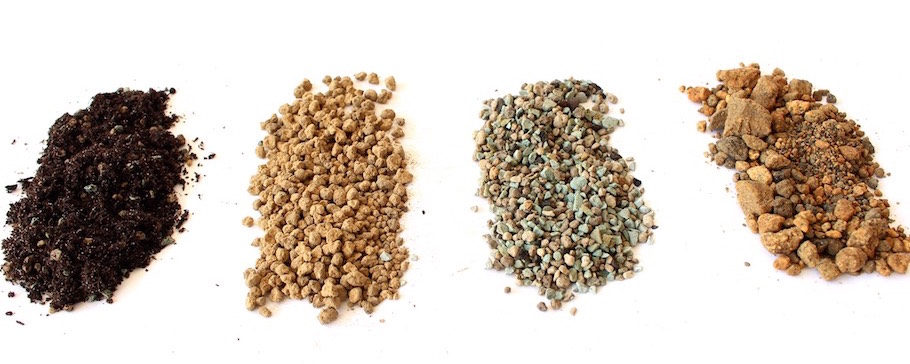
Credit: www.bonsaiempire.com
Storage And Maintenance
Creating bonsai soil at home requires attention to storage and maintenance. Proper storage ensures the soil remains effective for your bonsai plants. Regular maintenance keeps the soil healthy and nutrient-rich. Let’s explore key storage techniques and refreshing practices.
Proper Storage Techniques
Store bonsai soil in a cool, dry place. Moisture can lead to mold growth. Use airtight containers to protect the soil from humidity. Avoid direct sunlight which can degrade soil quality. Label containers with the date and soil type. This helps in tracking freshness and usability.
Periodic Soil Refreshing
Bonsai soil loses nutrients over time. Refreshing is essential to maintain plant health. Check the soil every few months for signs of compaction. If compaction is noticed, it’s time to refresh. Mix new components like peat or sand into old soil. This improves aeration and nutrient content. Ensure balance in new and old elements for optimal plant growth.
Credit: www.youtube.com
Frequently Asked Questions
Can I Make My Own Bonsai Soil?
Yes, you can create your own bonsai soil mix. Combine ingredients like akadama, pumice, and lava rock. Adjust the mix based on the tree species and your local climate. This ensures proper drainage and aeration, essential for healthy bonsai growth.
Ensure the soil retains some moisture for optimal results.
What Is A Good Substitute For Bonsai Soil?
A good substitute for bonsai soil is a mix of pine bark, perlite, and akadama. This combination ensures proper drainage and aeration. Avoid regular potting soil, as it retains too much water. Always adjust the mix based on the specific needs of your bonsai species.
What Is The Rule Of 3 In Bonsai?
The rule of 3 in bonsai involves selecting three branches to shape the tree. This creates a balanced and aesthetically pleasing structure. Prioritize the main trunk, secondary branch, and another supporting branch. This technique enhances visual appeal, depth, and symmetry in bonsai design.
What Kind Of Soil Is Best For Bonsai?
Bonsai trees thrive in well-draining soil. Use a mix of akadama, pumice, and lava rock. This combination ensures proper aeration and moisture retention. Avoid compacted or heavy soils that can suffocate roots. Adjust the ratio based on specific bonsai species and climate conditions for optimal growth.
Conclusion
Creating bonsai soil at home is simple and rewarding. Start with basic ingredients. Mix sand, clay, and organic matter. Adjust ratios for your bonsai’s needs. Test the soil’s drainage and moisture. Make sure it supports healthy growth. Homemade soil saves money and suits your bonsai perfectly.
Try different combinations for best results. Share your experience with fellow enthusiasts. Enjoy watching your bonsai thrive in its custom soil. Happy gardening!