Imagine stepping into your garden, where every plant thrives without you lifting a finger. Setting up a garden watering system can turn this dream into reality.
You might wonder if it's worth the effort, or if it will really make a difference. The answer is a resounding yes. A well-designed system not only saves you time and effort but also ensures your plants receive the perfect amount of water.
As you read on, you’ll discover the secrets to creating an efficient watering system tailored to your garden's needs. This guide will walk you through the process, making it simple and stress-free. Imagine the satisfaction of watching your garden flourish, knowing you’ve set it up for success. Keep reading to learn how you can transform your gardening routine and enjoy more of what you love about your garden.
Planning Your Garden Watering System
Setting up a garden watering system ensures efficient water use and healthier plants. Choose a system type—drip irrigation or sprinklers. Install timers for consistent watering, and adjust settings based on weather.
Planning Your Garden Watering System Creating an efficient garden watering system requires careful planning. It ensures plants receive the right amount of water. This process involves understanding your garden's unique needs and choosing a suitable system. A well-thought-out plan saves water and keeps plants healthy. Let's explore the key steps for planning your garden watering system.
Assessing Garden Needs
Start by evaluating your garden's specific needs. Consider the type of plants and their water requirements. Different plants need different amounts of water. Observe the garden's sun exposure, as sunny areas dry out faster. Soil type also affects water retention. Sandy soil drains water quickly, while clay holds moisture longer. Knowing these factors helps tailor the watering system to your garden's needs.
Choosing The Right Watering System
Selecting the right system is crucial for garden health. There are several options available. Drip irrigation is great for water conservation. It delivers water directly to the plant roots. Sprinkler systems cover larger areas efficiently. They are ideal for lawns and open spaces. Soaker hoses work well for garden beds. They provide a gentle, consistent water flow. Choose a system that matches your garden's size and plant types.
Types Of Garden Watering Systems
Setting up a garden watering system can transform the way you nurture your plants, ensuring they thrive with minimal effort. But with the variety of options available, how do you choose the right one for your garden? Each type of system offers unique benefits tailored to different needs. Let’s dive into the details to help you make an informed choice.
Drip Irrigation Systems
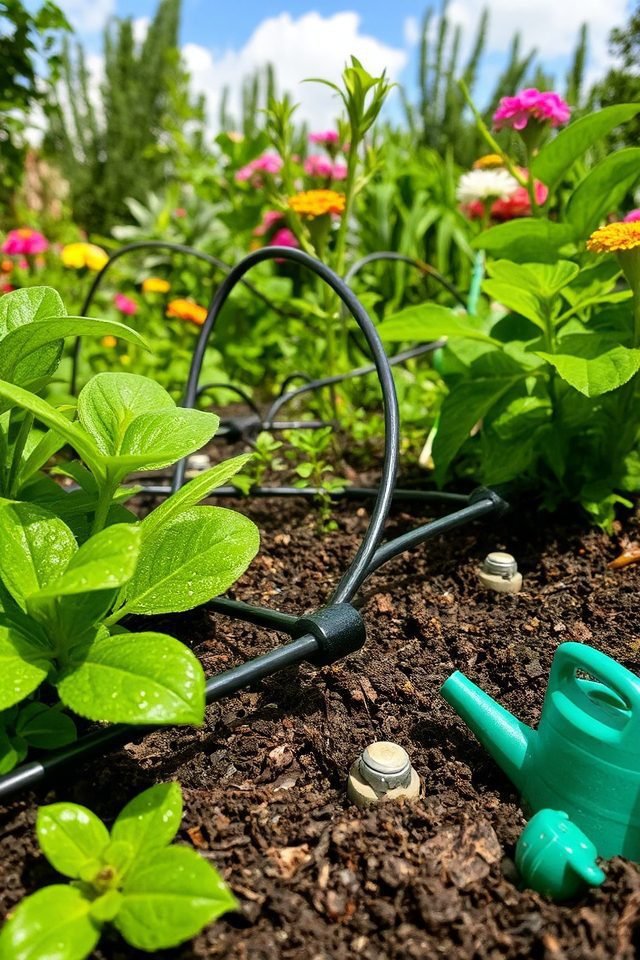
Drip irrigation systems are a popular choice among gardeners who value precision and efficiency. These systems deliver water directly to the plant roots, minimizing wastage and promoting healthy growth. Imagine a hot summer day; with drip irrigation, each plant gets exactly the water it needs, keeping your garden lush without overspending on water bills. If you've ever felt overwhelmed by the idea of watering each plant individually, this system is a game-changer. You simply set it up and watch your garden flourish.
Sprinkler Systems
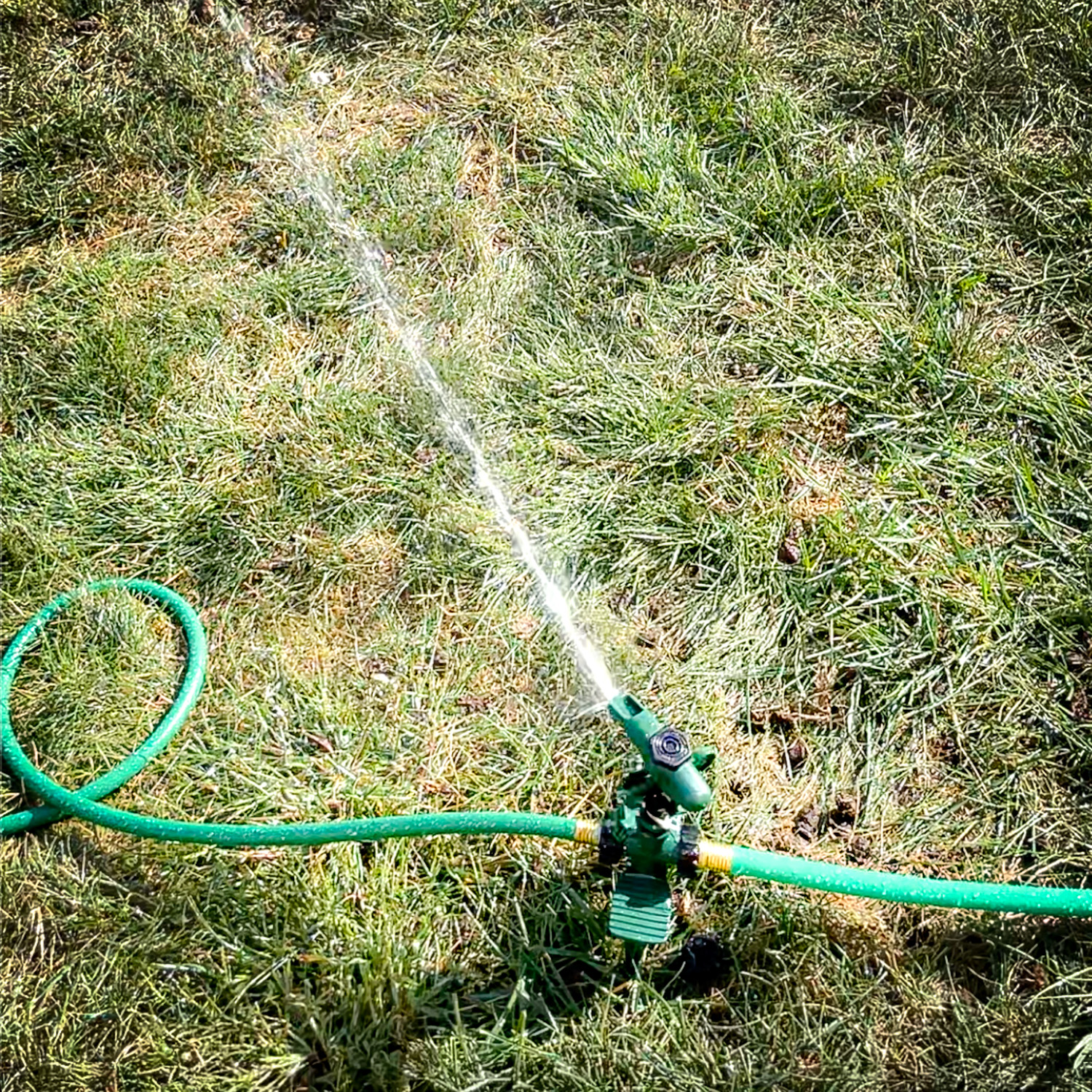
Sprinkler systems are ideal for larger gardens or lawns. They cover a wide area, ensuring that every corner of your garden receives the hydration it needs. Have you ever watched a ballet of water droplets dancing over your garden? That's what a well-set sprinkler can achieve. The key is in the placement; correctly positioned sprinklers can save you from uneven watering and patchy growth. Consider the size and shape of your garden to make the most of this option.
Soaker Hoses
Soaker hoses are a fantastic option for those looking for a simple yet effective solution. They release water slowly along their length, soaking the ground thoroughly. Picture a sponge soaking up water; that's how your plants will feel with a soaker hose. They are particularly useful for gardens with rows of plants or vegetables, ensuring deep-root watering without washing away the topsoil. It's an easy setup that can be adjusted as your garden grows.
Manual Watering Options
Manual watering might seem like a step back, but it offers a personal touch that some gardeners swear by. Using watering cans or hoses allows you to engage with each plant, observing its needs closely. Have you ever noticed the subtle changes in your plants from day to day? Manual watering provides the opportunity to connect with your garden, fostering a deeper understanding of its ecosystem. While it requires more time and effort, the reward is a garden that's nurtured by your own hands.
Choosing the right watering system depends on your garden's size, your personal preferences, and the local climate. Reflect on what you desire from your garden journey—efficiency, precision, or a personal touch—and let that guide your choice. What system speaks to your gardening style?
Installation Basics
Setting up a garden watering system can save you time and ensure your plants thrive. With a few installation basics, you can lay the groundwork for an efficient watering setup that meets your garden's needs. Let's dive into the essentials to get your garden watering system up and running smoothly.
Gathering Tools And Materials
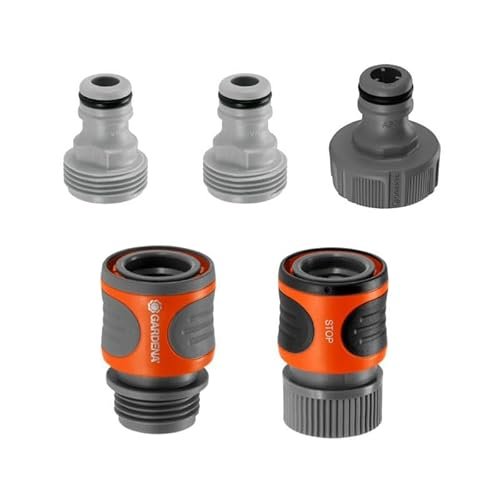
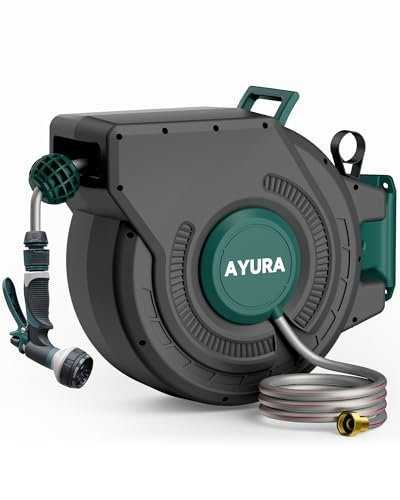
Begin by collecting all necessary tools and materials. You'll need a spade for digging, a tape measure for precise measurements, and a hacksaw for cutting pipes. Other essentials include connectors, hoses, and a timer. Remember, quality tools can make the process smoother and more enjoyable.
Consider visiting your local hardware store or garden center. They often have knowledgeable staff who can guide you in choosing the best materials. It's also a great place to ask questions and get advice tailored to your specific needs.
Don't forget safety gear like gloves and protective eyewear. It's easy to overlook these basics, but they are crucial for preventing accidents during installation.
Setting Up Water Sources
Identify the primary water source for your garden. This could be a faucet, rain barrel, or well. Consider the water pressure and quality as they impact the effectiveness of your system.
If you're using a faucet, ensure it has an adapter compatible with your hoses. For rain barrels, you'll need a pump to help distribute water evenly across your garden. A pump can be a game-changer, especially in larger gardens.
Ask yourself: is your water source convenient? Accessibility is key to ensuring you can easily maintain your system over time.
Laying Out The System
Map out your garden and decide on the placement of hoses and sprinklers. A well-thought-out layout ensures every plant receives adequate water.
Consider using drip irrigation for individual plants or sprinklers for larger areas. Each option has its benefits, so choose what aligns with your garden's design and needs.
Think about future growth. Will your layout accommodate new plants or expansions? Planning ahead can save you from redoing work later on.

Credit: www.amazon.com
Maintenance And Troubleshooting
Setting up a garden watering system involves connecting hoses and timers for efficient water distribution. Regularly check for leaks and clogged nozzles to ensure smooth operation. Adjust settings according to weather changes to maintain optimal plant hydration.
Setting up a garden watering system is just the beginning. To ensure your plants thrive, regular maintenance and troubleshooting are key. A well-maintained system saves water and keeps your garden healthy. This section will guide you through regular system checks, identifying common issues, and solutions for common problems.
Regular System Checks
Inspect your system every month. Check for leaks and damaged parts. Ensure sprinklers and nozzles are not clogged. Clean filters to maintain water flow. Verify that timers are working correctly. Adjust the system for seasonal changes. This keeps your garden watered appropriately.
Identifying Common Issues
Common issues include leaks and uneven water distribution. Clogged nozzles or filters can reduce efficiency. Low water pressure might affect coverage. Malfunctioning timers can disrupt schedules. Recognizing these problems early saves time and resources.
Solutions For Common Problems
Fix leaks by replacing or tightening connections. Clean clogged nozzles with vinegar. Regularly flush filters to remove debris. Increase water pressure by checking for blockages. Set timers correctly to match plant needs. Adjust sprinkler heads for even coverage. Regular care ensures a thriving garden.
Water Conservation Tips
Discover effective methods to set up a garden watering system. Use drip irrigation or soaker hoses to save water. Automated timers ensure regular watering without waste.
Water conservation is essential in setting up a garden watering system. Saving water helps the environment and reduces costs. Here are some tips to make your garden watering system efficient and eco-friendly.
Efficient Watering Techniques
Using efficient watering techniques minimizes water waste. Drip irrigation systems deliver water directly to plant roots. This method reduces evaporation and runoff. Soaker hoses are another option. They release water slowly along their length. Water reaches plants without excess runoff. Choose early morning or late afternoon for watering. This reduces evaporation from the sun's heat.
Seasonal Adjustments
Seasonal changes affect watering needs. In summer, plants require more water. Adjust your system to increase watering frequency. In winter, plants need less water. Reduce watering to prevent soil saturation. Consider plant types in your garden. Some plants need more water than others. Adjust settings for different plant needs. Use mulch to help retain moisture in soil. It keeps roots cool and reduces evaporation.
:max_bytes(150000):strip_icc()/GettyImages-1788189070-d73cea9356c84ae78010b36d33c7c40b.jpg)
Credit: www.marthastewart.com
Expert Advice For Optimal Performance
Setting up a garden watering system can seem daunting. Yet, with expert advice, you can achieve optimal performance. This section provides valuable insights for enhancing your watering setup. Whether you are a beginner or an experienced gardener, these tips will help you maintain a healthy garden.
Advanced System Customization
Tailoring your watering system to your garden's needs is crucial. Start by assessing your garden's layout. Identify areas that need more water. Consider using drip irrigation for targeted watering. This method conserves water and ensures plants receive the necessary moisture.
Invest in timers and sensors to automate watering schedules. This saves time and prevents overwatering. Choose smart systems that adjust based on weather conditions. These systems optimize water usage and enhance plant health.
Professional Maintenance Tips
Regular maintenance keeps your watering system efficient. Check for leaks in hoses and connections. Leaks waste water and reduce pressure. Clean filters and emitters to prevent blockages. Clogged parts can hinder water flow and damage plants.
Inspect sprinkler heads for proper alignment. Misaligned heads can cause uneven watering. Adjust them to cover all necessary areas. Schedule seasonal checks to ensure everything functions correctly. This proactive approach extends the lifespan of your system.
Credit: crystelmontenegrohome.com
Frequently Asked Questions
How To Set Up An Irrigation System For A Garden?
Choose a suitable irrigation system for your garden. Install pipes and sprinklers according to the layout. Connect to a water source. Adjust settings for optimal water coverage. Test the system regularly for efficiency.
What Is The 30 30 Rule For Drip Irrigation?
The 30 30 rule for drip irrigation advises 30 minutes of watering every 30 hours. This ensures consistent moisture levels and promotes healthy plant growth. Adjust based on soil type, plant needs, and climate conditions for optimal results.
Is It Better To Use A Soaker Hose Or Sprinkler For Garden?
A soaker hose is better for targeted, deep watering and conserving water. Sprinklers cover larger areas but can waste water. Choose based on garden size, plant type, and water needs. Soaker hoses suit vegetable gardens, while sprinklers are ideal for lawns.
Consider water efficiency and plant health.
How Long Does A 5 Gallon Bucket Take To Drip Empty?
The time for a 5-gallon bucket to drip empty varies. Factors include drip rate and hole size. Typically, it can take anywhere from several hours to a full day. Adjustments in drip size or frequency can alter the duration significantly.
Conclusion
Setting up a garden watering system saves time and effort. Plants get water consistently. Your garden grows healthy with less stress. Choose the right system for your garden size. Plan where to place hoses and sprinklers. Check for leaks regularly.
Adjust settings based on season changes. Enjoy a thriving garden with less work. Keep learning to improve your system. Gardening becomes easier with a good watering setup. Your plants will thank you with vibrant growth. Happy gardening!