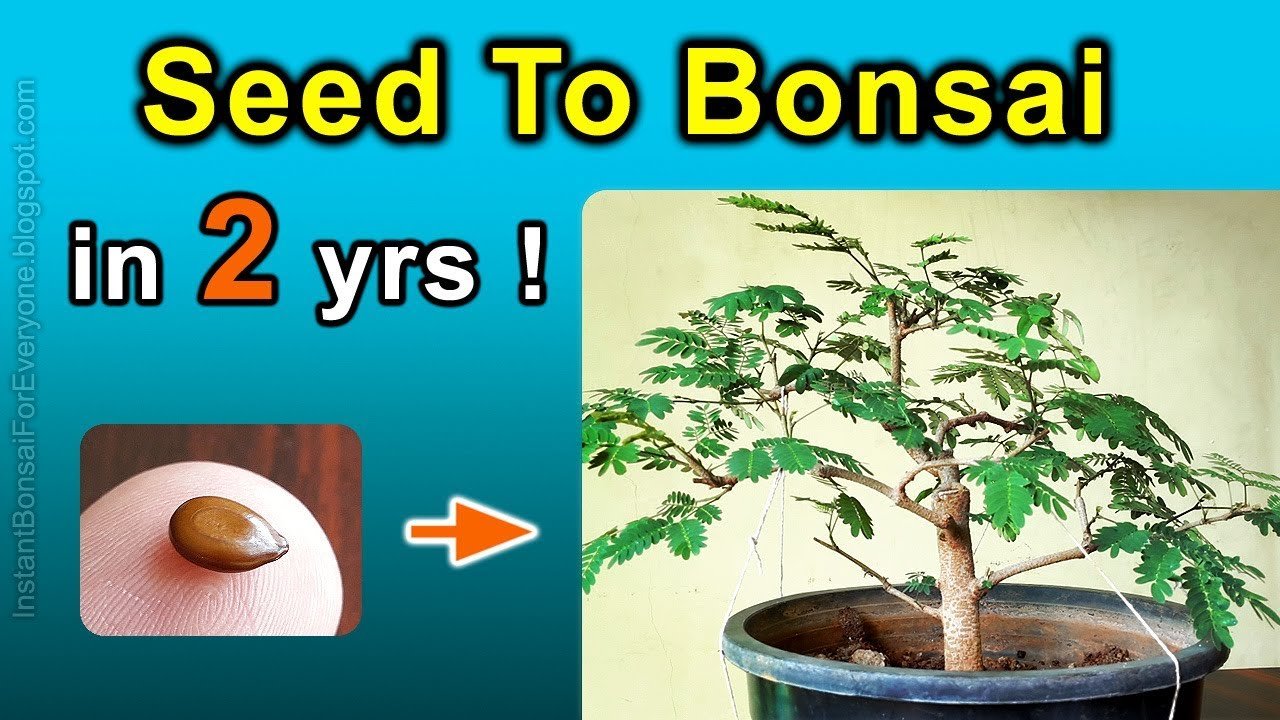
Imagine having a beautiful miniature tree that not only adds charm to your home but also becomes a source of peace and creativity. You might think starting a bonsai tree is complex, but it's easier than you think.
Picture yourself nurturing a tiny living masterpiece, one that grows and evolves under your care. Bonsai trees are more than just plants; they're expressions of art, nature, and patience. With the right guidance, you can transform a simple seedling into a stunning bonsai.
Ready to unlock the secrets of bonsai cultivation and discover the joy it brings? Dive into this article to learn how you can start your very own bonsai tree. Your journey to creating living art begins now.
Choosing The Right Bonsai Tree
Choosing the right bonsai tree is crucial for beginners. The right tree influences your success and enjoyment. Some species are easier to care for. Others might need more attention. Let's explore popular species and decide if they are suitable for indoors or outdoors.
Popular Species For Beginners
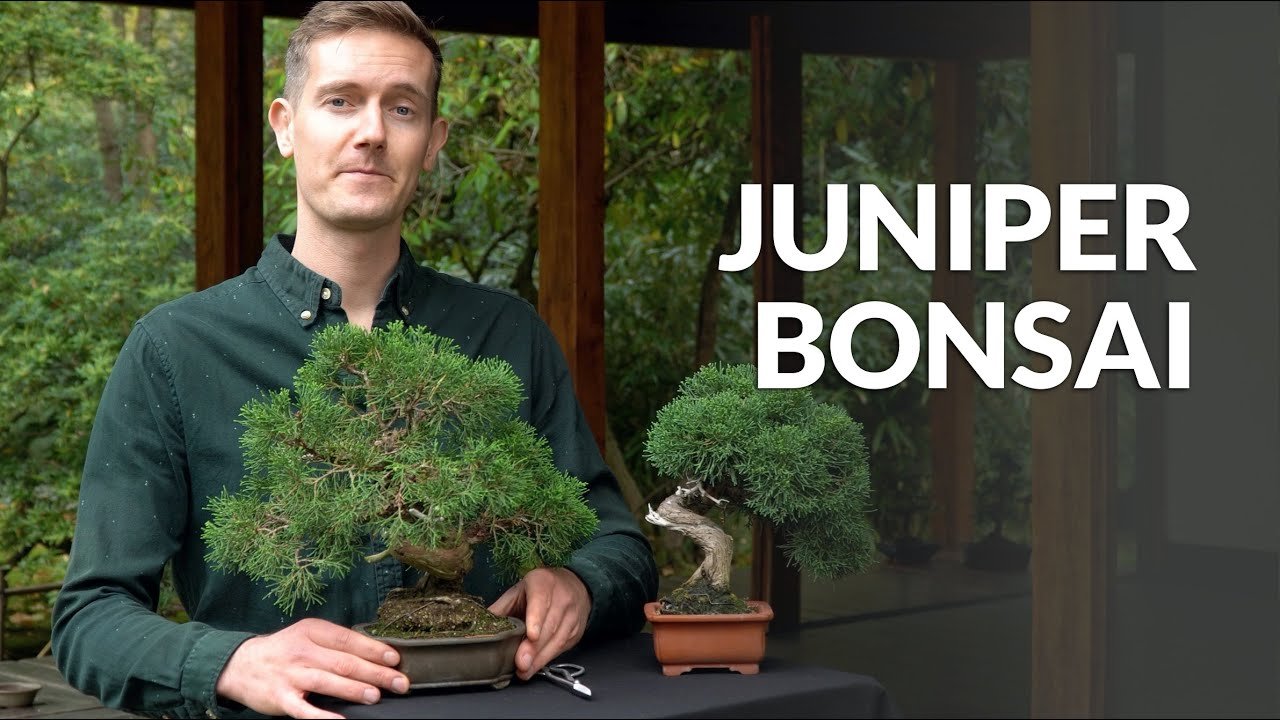
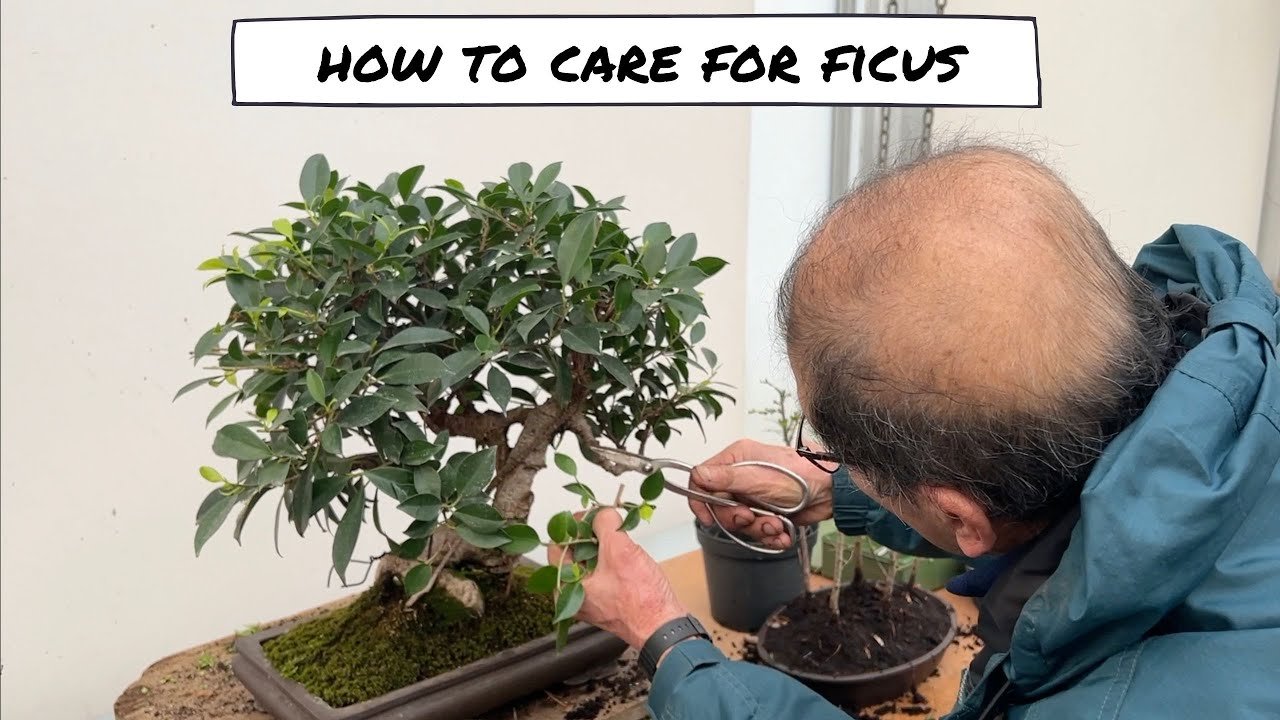
Certain bonsai species are beginner-friendly. The Juniper Bonsai is a popular choice. It is hardy and can handle pruning mistakes. The Ficus Bonsai is another favorite. It is resilient and adapts well to different environments. Chinese Elm is also great for beginners. It grows quickly and is forgiving. These species are perfect for learning basic care techniques.
Indoor Vs Outdoor Bonsai
Decide if your bonsai will live indoors or outdoors. Indoor bonsai trees thrive in controlled conditions. Ficus and Jade trees are ideal for indoor settings. They tolerate low light and dry air. Outdoor bonsai trees prefer natural elements. Juniper and Pine trees do well outside. They need sunlight, fresh air, and seasonal changes. Choose based on your space and climate conditions.

Credit: www.youtube.com
Essential Tools And Supplies
Starting a bonsai tree journey requires the right tools and supplies. These essentials help nurture your plant and create stunning designs. Whether you're a beginner or have some experience, having the right equipment makes the process smoother. Let's delve into the essential tools and supplies needed for cultivating a beautiful bonsai tree.
Basic Tools Required
Pruning shears are vital for shaping your bonsai. They help trim branches and leaves with precision. Wire cutters are used to shape branches using bonsai wire. This wire bends branches into desired shapes. Root rake assists in untangling roots during repotting. It ensures roots grow healthily. A watering can with a fine nozzle provides gentle watering. It prevents soil erosion and overwatering. Tweezers aid in removing dead leaves and debris. A bonsai turntable allows easy access to all sides of the tree.
Selecting Quality Pots And Soil
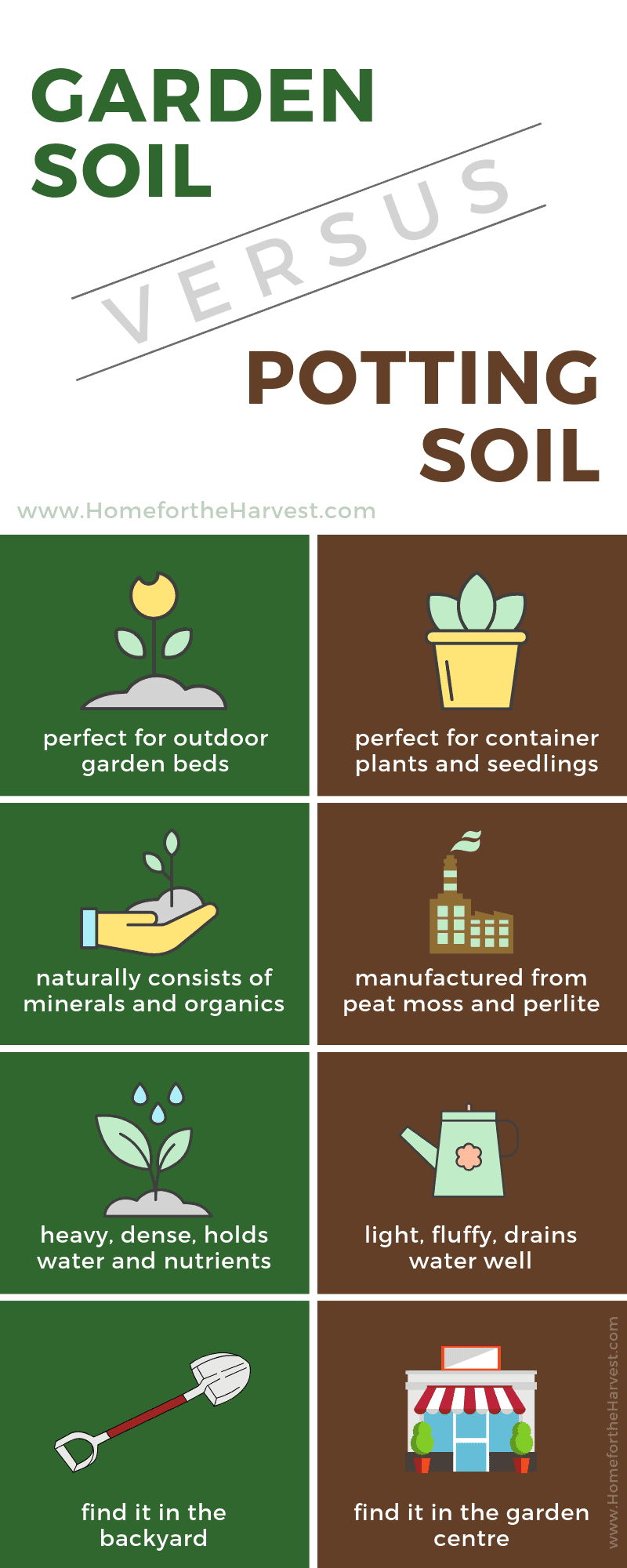
Bonsai pots come in various shapes and sizes. Choose pots with good drainage holes. This prevents waterlogging and root rot. Ceramic pots are popular for their aesthetic appeal. They add beauty to your bonsai display. Soil selection is crucial for healthy growth. Bonsai soil should be well-draining. It often contains components like akadama, pumice, and lava rock. These elements ensure proper aeration and moisture retention. Avoid regular garden soil as it compacts easily. It hampers root growth and water flow.
Planting Your Bonsai
Starting a bonsai tree involves selecting the right species for your environment. Choose a small container with good drainage. Prune branches to shape your bonsai and water it regularly.
Planting your bonsai is an exhilarating journey that begins with a simple act of nurturing. Picture this: you’re about to transform a small tree into a masterpiece that mirrors the grandeur of nature. Now, you might wonder, how do I get started with something so delicate yet powerful? Let's break it down into easy steps that you can follow to ensure your bonsai flourishes with grace and beauty.
Preparing The Soil
The soil is the heart of your bonsai. It's where the magic begins. You need a mix that provides the right balance of nutrients and drainage. Think about it like a hearty meal for your bonsai, ensuring it gets all the essentials without drowning. Start with a blend of akadama, pumice, and lava rock. These components create a well-draining soil that retains moisture without becoming waterlogged. Consider adding organic matter like compost for nutrients. The soil should feel slightly gritty, not compact. When you squeeze it, it should hold its shape but break apart easily. This means your bonsai will have the perfect environment to grow strong and healthy.
Transplanting Techniques
Transplanting your bonsai is a delicate task that requires precision. It's like moving a precious gem into a new setting. You want to ensure every root has enough space to breathe and expand. Start by carefully removing the bonsai from its original pot. Gently loosen the roots and trim any excessively long ones. This encourages a dense root system. Position your bonsai in the center of the new pot. Spread the roots evenly and add your prepared soil, pressing gently around the base. The tree should feel stable, yet have space for future growth. Consider using wire to anchor the bonsai if it’s a larger specimen. This adds stability and helps the roots settle in their new environment. Have you ever wondered why some bonsai thrive while others struggle? Often, it's all about the attention to detail during this crucial stage. Your dedication to the transplanting process can make all the difference. As you plant your bonsai, remember that each step reflects the care and patience you invest. The joy of watching your bonsai grow is unmatched. Are you ready to embark on this rewarding journey?
Pruning And Shaping
Bonsai trees are living art. Pruning and shaping are crucial in their cultivation. These techniques help create the tree's form and style. Mastering them requires patience and practice.
Understanding Pruning Techniques
Pruning is essential for bonsai trees. It controls growth and maintains shape. Start with sharp, clean scissors. Remove dead branches first. Then trim overgrown areas. Focus on branch placement. Avoid cutting too much at once. Prune regularly to keep the tree balanced. Timing matters. Early spring is ideal for most species. After establishing a regular pruning schedule, research specific techniques for your tree species. Learning how to trim a bonsai tree effectively will enhance its appearance and health. Additionally, consider using wires to shape branches after pruning, which can promote desired growth patterns.
Shaping With Wire
Wire shaping is another key method. It bends branches into desired forms. Use aluminum or copper wire. Start with thin wire for small branches. Wrap the wire around the branch. Move from base to tip. Be gentle to avoid damage. Check the wire often. Remove it before it cuts into the bark. Shaping takes time. Adjust the wire as the tree grows.
Watering And Fertilizing
Watering and fertilizing are crucial for the health of a bonsai tree. Proper hydration ensures growth, while the right nutrients support vitality. Balancing these elements can be challenging, yet rewarding.
Creating A Watering Schedule
Consistency is key in watering a bonsai tree. Start by checking the soil moisture daily. Dry soil means it's time to water. Use your finger to test the top inch. Water the tree when it feels dry. Pour water until it drains from the bottom. This ensures the roots get enough moisture.
Adjust your schedule based on the season. In summer, trees may need more frequent watering. In winter, reduce the frequency. Indoor trees might need a different routine. Always observe your tree's needs and adjust accordingly.
Choosing The Right Fertilizer
Bonsai trees need nutrients to thrive. Choose a balanced fertilizer with equal parts nitrogen, phosphorus, and potassium. Liquid fertilizers are easy to apply. Dilute them as per instructions before use.
Feed your bonsai every two weeks during the growing season. In the dormant season, reduce feeding to monthly. Over-fertilization can harm the tree. Always follow the recommended dose.
Organic options are also available. They slowly release nutrients, making them safe and effective. Choose what suits your tree best. Consistency in fertilizing helps maintain a healthy bonsai.
:strip_icc()/conifer-bonsai-5b4a29c9-363681044cd84f8c927adf91f21ed9b2.jpg)
Credit: www.bhg.com
Maintaining Tree Health
Starting a bonsai tree involves selecting the right species and pot. Regular pruning helps keep the tree healthy. Watering and sunlight are vital for growth and vigor.
Maintaining the health of your bonsai tree is crucial for its longevity and beauty. This task might seem daunting at first, but with a bit of knowledge and regular care, you can ensure your miniature tree thrives. Let’s dive into some essential tips for keeping your bonsai healthy and vibrant.
Identifying Pests And Diseases
Bonsai trees, like any other plant, can fall prey to pests and diseases. Keeping a vigilant eye on your tree is crucial. You might notice tiny webs, yellowing leaves, or strange spots. These are common indicators of issues such as spider mites or fungal infections. Regularly inspect your bonsai, especially under leaves and in branch crevices. I once found a small infestation of aphids on my juniper bonsai, and a swift action with a gentle insecticidal soap saved it. Acting promptly is key. Consider asking yourself: How often do you inspect your bonsai? Would you recognize a pest if you saw one? Familiarize yourself with common bonsai pests so you can act quickly when needed.
Seasonal Care Tips
Each season brings unique challenges and needs for your bonsai tree. During spring, increase your watering schedule as growth accelerates. Summer might require some shading to protect from the harsh sun. In autumn, reduce water as the growth slows, and prepare for winter by insulating roots against frost. One winter, I forgot to protect my ficus bonsai, and the cold nearly claimed it. An insulating wrap or moving the bonsai indoors can prevent such mishaps. Think about the changes in your environment with each season. How does the temperature shift? Plan your bonsai care to match these changes, ensuring your tree remains healthy year-round. Remember, maintaining your bonsai’s health is an ongoing journey. Regular care and attention are your best tools in ensuring your bonsai thrives, bringing joy and beauty into your space.
Developing Patience And Care
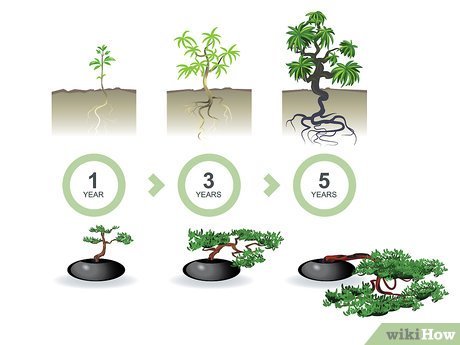
Starting a bonsai tree requires patience and care. Begin with selecting a healthy young tree. Nurture it by understanding its needs for sunlight, water, and soil. Prune regularly to shape its growth, allowing you to cultivate a beautiful, living art form.
Developing patience and care is fundamental when starting your journey with bonsai trees. These miniature trees require a unique blend of attention and restraint. It’s about learning to enjoy the process and not rushing the outcome. You’ll find yourself cultivating not just a tree, but a deeper understanding of nature’s rhythms.
Understanding Growth Cycles
Each bonsai tree has its own growth cycle, demanding patience as you adapt to its pace. Some trees might show progress in a matter of weeks, while others take months to exhibit change. Observing these cycles helps you anticipate what your tree needs at different times of the year. Think of the bonsai as a living calendar, marking the seasons through its growth patterns. In spring, watch for fresh leaves and new growth. By fall, notice how it prepares for dormancy. Understanding these cycles allows you to provide the right care at the right time. The growth cycle also teaches you to be patient with yourself. Mistakes are part of the learning process. When my first bonsai shed all its leaves, I panicked. But with time, I learned it was just preparing for winter. This realization taught me to observe first before taking action.
Learning Through Observation
Observation is your greatest tool in bonsai care. Spend time each day looking at your tree. Notice the subtle changes in leaf color or the moisture level of the soil. These details tell a story about your bonsai’s health. You might see that your bonsai prefers morning sun rather than afternoon heat. Or that it needs watering every third day instead of daily. Such insights come only from careful observation and a willingness to adapt. Ask yourself: What is my bonsai telling me today? This question encourages you to pay attention and respond thoughtfully. It’s a practice that builds patience and care—not just for your bonsai but in other areas of life as well. Understanding your tree's needs is a rewarding experience that deepens your connection with nature.

Credit: www.wikihow.com
Frequently Asked Questions
How To Start A Bonsai Tree From Cutting?
To start a bonsai tree from cutting, select a healthy branch. Trim it to 4-6 inches long. Dip the cut end in rooting hormone. Plant it in well-draining soil. Keep the soil moist and place it in indirect sunlight. Roots should develop in a few weeks. Be patient, as it may take time for the roots to establish. Once rooted, you can begin the training process to shape your bonsai. Eventually, when bonsai trees bloom, their stunning flowers can be a rewarding sight, marking the success of your care and cultivation efforts.
What Is The Rule Of 3 In Bonsai Trees?
The rule of 3 in bonsai involves using three main elements: trunk, branches, and foliage. This creates balance and harmony. It suggests arranging branches in a triangular pattern. This principle enhances aesthetics and guides design, ensuring a visually pleasing bonsai composition.
How To Make A Bonsai Tree From A Normal Tree Step?
Select a small sapling. Prune roots and branches to shape. Use wire to guide growth. Repot in a shallow container. Regularly trim and water.
Can I Make A Bonsai From Any Tree?
Yes, most tree species can become bonsai. Choose trees with small leaves and hardy growth. Popular choices include juniper, maple, and ficus. Bonsai requires regular pruning and care to thrive. Ensure your chosen tree suits the climate and your skill level.
Conclusion
Embarking on your bonsai journey is a rewarding experience. Start small and enjoy each step. Remember, patience and care are key to success. Choose a tree that suits your lifestyle and space. Keep learning about its needs and growth patterns.
Regular pruning keeps your bonsai healthy and beautiful. Water consistently, but avoid overwatering. Engage with fellow enthusiasts for tips and advice. Watch your tree evolve over time. Cherish the tranquility it brings to your home. Bonsai growing is a peaceful, lifelong hobby.
Dive in and nurture your miniature masterpiece. Your bonsai awaits your touch!