Are you fascinated by the art of bonsai and eager to grow your own miniature trees? Starting bonsai seeds is an exciting and rewarding adventure that allows you to nurture life from the very beginning.
Imagine the satisfaction of watching a tiny seed transform into a stunning piece of living art right in your home. In this guide, you’ll discover simple, step-by-step instructions to help you successfully start your bonsai journey from seeds. Whether you’re a beginner or have a green thumb, you’ll find that this process is not only accessible but also deeply fulfilling.
You’ll learn the essentials, avoid common pitfalls, and unlock the secrets to nurturing your bonsai into a thriving masterpiece. Keep reading to uncover everything you need to know to start your bonsai seeds with confidence and enthusiasm.

Credit: www.shopgardenrepublic.com
Choosing The Right Bonsai Seeds
Starting a bonsai from seeds is a rewarding journey. It requires patience and the right seeds. Choosing the right bonsai seeds is crucial. The right seeds will ensure healthy growth and beautiful trees. Let's explore how to select the best seeds for your bonsai.
Popular Bonsai Varieties
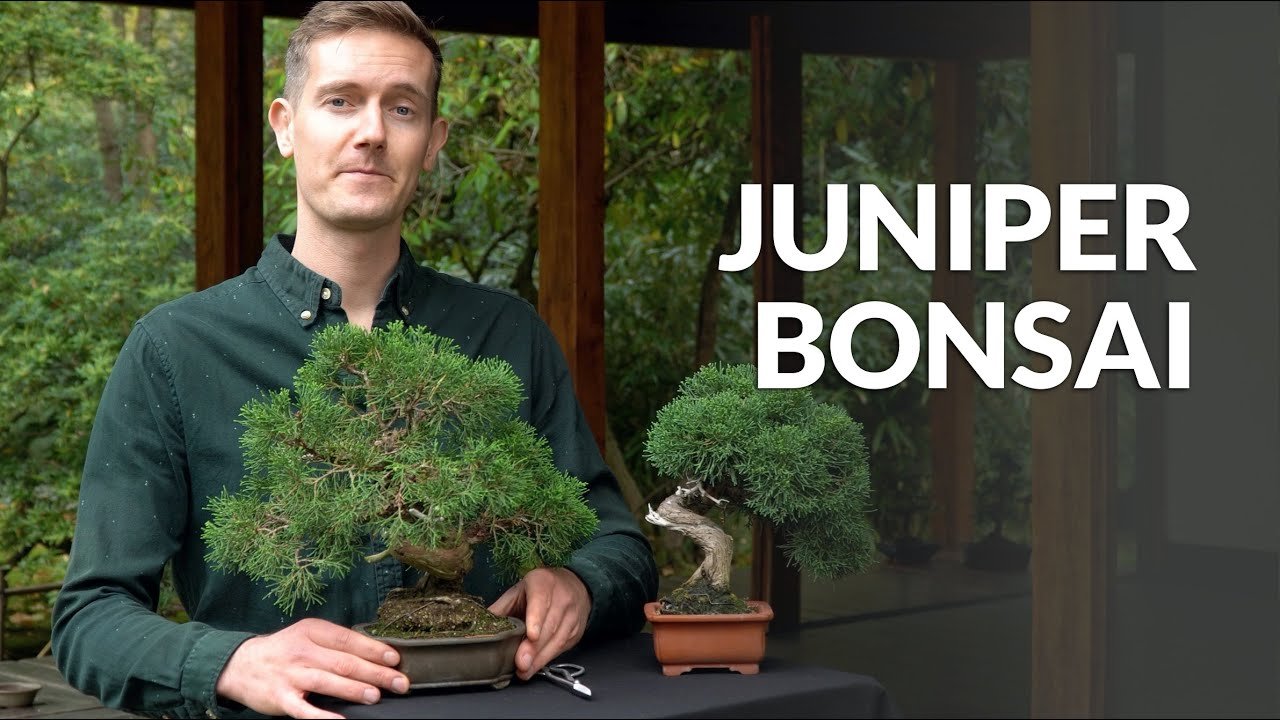
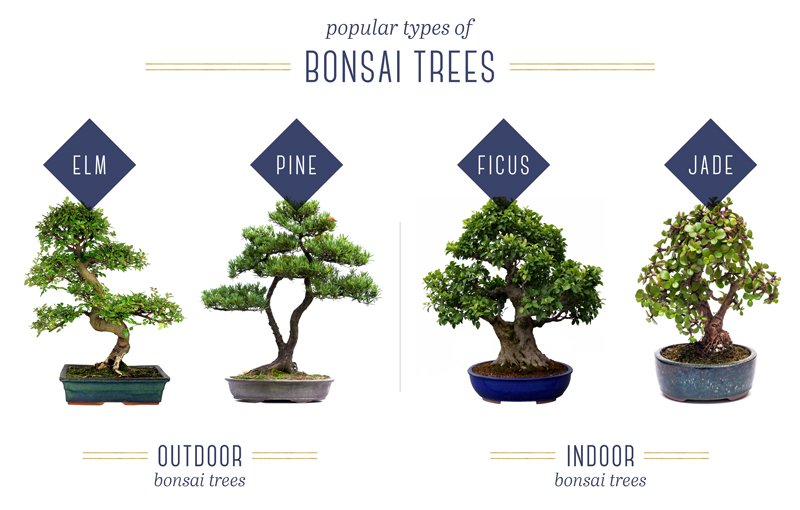
Some bonsai varieties are more popular than others. Maple and Juniper are favorites for beginners. Pine and Elm are also common choices. Each variety has unique needs and characteristics. Consider the climate and your skill level when choosing a variety. Researching each type will help you make an informed decision.
Where To Buy Quality Seeds
Buying quality seeds is essential for successful bonsai growth. You can find bonsai seeds online and in local stores. Check reviews and ratings before purchasing. Reputable sellers will offer healthy and viable seeds. Visit nurseries for expert advice and high-quality options. Always choose seeds from trusted sources for the best results.

Credit: www.pinterest.com
Preparing For Planting
Starting bonsai seeds requires careful preparation. Select quality seeds and soak them in water overnight to soften. Prepare a well-draining soil mix, plant the seeds, and provide sunlight and consistent moisture.
Preparing for planting bonsai seeds is an essential step that sets the stage for successful growth. This initial phase involves gathering the right tools, selecting quality materials, and choosing the perfect soil for your seeds. As you embark on this journey, consider each element carefully. Every choice you make now will impact your bonsai’s future. Are you ready to start on this rewarding adventure? Let’s dive into the details.
Essential Tools And Materials
Start by assembling the necessary tools and materials. A quality seed tray is indispensable for germinating your bonsai seeds. Look for one with drainage holes to prevent waterlogging. A misting bottle is also crucial for maintaining the right level of moisture. It provides a gentle spray that won't disturb the delicate seeds. You'll need a pair of small scissors for precise trimming. Choose scissors that fit comfortably in your hand for ease of use. Don't forget gloves to protect your hands during planting. Opt for gloves that allow flexibility while keeping your hands clean.
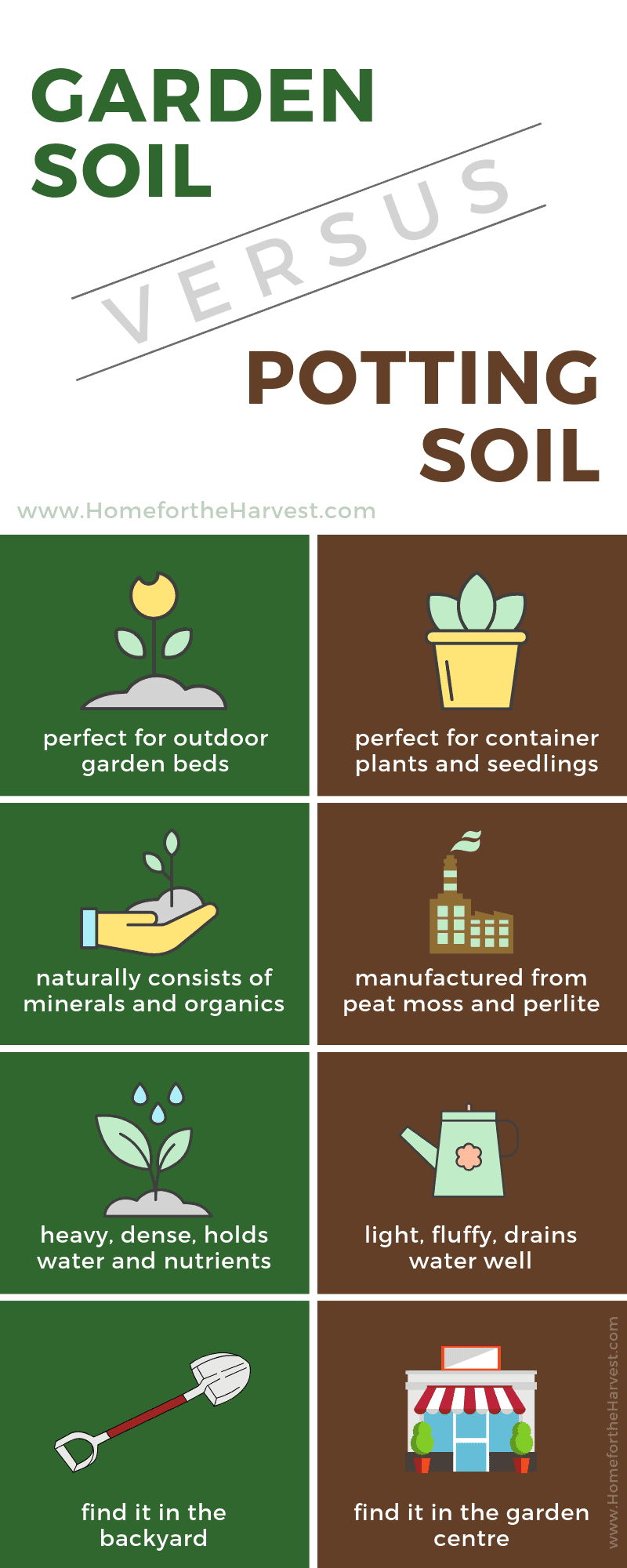
Selecting The Right Soil
The choice of soil is critical for bonsai seeds. The ideal soil should be well-draining yet capable of retaining some moisture. Consider using a mix of akadama, pumice, and lava rock. This combination offers a balanced environment for your bonsai to thrive. Avoid heavy soils that compact easily. They can suffocate the roots and impede growth. Think about how soil affects your bonsai’s development. The right soil will promote healthy root systems, essential for a strong bonsai. Are you willing to invest in quality soil to nurture your future tree? Choosing the right soil is more than a technical decision. It's about committing to the care and attention your bonsai will need over time.
Seed Stratification Process
The seed stratification process is a crucial step to ensuring your bonsai seeds germinate successfully. Stratification mimics the natural conditions seeds experience in the wild, helping them break dormancy and sprout. Let's dive into the techniques and timing to make your bonsai seed journey fruitful.
Cold Stratification Techniques
Cold stratification involves exposing seeds to cold temperatures for a certain period. You can achieve this by placing seeds in a damp paper towel and storing them in your refrigerator. This simulates winter conditions, encouraging the seeds to wake up.
Another method is to sow seeds in a pot, cover them with soil, and leave them outside during the colder months. This allows nature to take its course, but be sure to protect them from extreme weather. Which method do you think would suit your lifestyle?
Duration And Timing
The duration of cold stratification varies depending on the species. Most bonsai seeds require around 4 to 12 weeks in cold conditions. Timing matters; start stratification in late fall or early winter for optimal results.
If you’re using the refrigerator method, make a note of when you started. This ensures you don’t leave them too long or too short. Have you considered how the weather in your area might affect the timing?
By understanding these techniques and timing, you're setting your bonsai seeds up for success. The patience you invest now will reward you with thriving miniature trees, ready to become the centerpiece of your collection. Are you ready to embark on this rewarding journey?

Credit: bonsaishop.com.au
Planting Bonsai Seeds
Starting bonsai seeds can be a rewarding experience. This journey begins with planting. It's important to give these tiny seeds the care they need. Successful germination requires attention to detail. Let's explore the steps involved in planting bonsai seeds.
Creating The Ideal Environment
Bonsai seeds thrive in warm, humid conditions. Choose a spot with indirect sunlight. Avoid direct sun to prevent drying out. Maintain a consistent temperature. A range of 70 to 75 degrees Fahrenheit works well. Humidity levels should be around 50% or higher. Use a humidity dome if necessary. This helps retain moisture.
Proper Depth And Spacing
Plant bonsai seeds at the correct depth. Generally, twice the size of the seed is ideal. This ensures adequate coverage. Spacing is crucial for growth. Leave room for each seed to sprout. Two inches apart is a good rule of thumb. This prevents overcrowding. Overcrowding can hinder development.
Watering And Care Tips
Starting bonsai seeds requires patience and careful attention. Ensure consistent watering to keep the soil moist, but not soaked. Provide enough sunlight and protect young seedlings from harsh weather conditions for healthy growth.
Watering bonsai seeds requires care and patience. Proper watering ensures healthy growth. The right amount of water keeps the seeds from drying out. It also prevents root rot. Understanding how much and how often to water is vital.
Frequency And Amount
Bonsai seeds need consistent moisture. Water them once a day. Use just enough water to moisten the soil. Avoid flooding the pot. Keep the soil slightly damp. Check the soil daily. It should not be dry or soggy.
Signs Of Overwatering Or Underwatering
Overwatering can harm bonsai seeds. Look for yellow leaves. Mushy roots are another sign. Underwatering causes wilting. Dry soil is a clear indicator. Touch the soil regularly. Adjust watering based on these signs.
Encouraging Germination
Starting bonsai seeds involves patience and care. Soaking seeds in warm water helps soften shells, encouraging germination. Place them in a moist, well-draining soil mix, ensuring adequate light and temperature for optimal growth.
Starting bonsai seeds can be an incredibly rewarding journey. Yet, the magic truly begins with encouraging germination. This phase is critical, as it sets the stage for your bonsai's future growth. So, how do you give those tiny seeds the best start possible? Let’s dive into some practical techniques.
Using Growth Enhancers
Consider using growth enhancers to boost the germination process. Growth enhancers can include natural substances like seaweed extract or a simple sugar solution. These substances provide essential nutrients and energy for the seeds. You might be surprised at how a small addition can make a big difference. For example, soaking seeds in a seaweed extract overnight can significantly improve germination rates. It’s like giving your seeds a nutritious breakfast before they wake up and start growing.
Monitoring Seed Progress
Once your seeds are planted, keep a close eye on their progress. Use a simple notebook or a digital app to track daily changes. Note the date you planted the seeds and any signs of sprouting. Check for signs of mold or excessive dryness, adjusting water levels as needed. You’ll learn a lot by observing how your seeds react to their environment. This practice not only helps in ensuring healthy growth but also builds your patience and attention to detail. Remember, patience is key. It's easy to get excited and constantly check for signs of life, but seeds take their own time. Have you ever waited for something with eager anticipation? That’s the feeling that makes gardening so fulfilling. Encouraging germination isn't just a step—it's an invitation to learn and nurture. What strategies will you try to ensure your bonsai seeds thrive?
Transplanting Seedlings
Starting bonsai seeds requires careful attention to detail. Begin by soaking seeds to encourage germination. Once seedlings appear, transplant them gently into small pots. Ensure they have proper drainage and are placed in a sunny location. Regular watering is crucial to prevent the soil from drying out.
Transplanting seedlings is a critical step in nurturing your bonsai from a tiny sprout to a robust miniature tree. It requires careful attention and timing to ensure the young plant thrives. Understanding the right techniques and moments to transplant can make a world of difference in the health and growth of your bonsai.
When To Transplant
Timing is everything in bonsai cultivation. The best time to transplant your seedlings is when they have developed a strong root system, typically after the first few leaves appear. If you wait too long, the roots can become tangled, making it harder for the tree to absorb nutrients. Spring is often ideal for transplanting, as the plant will have ample time to recover and grow before entering dormancy. Keep an eye on your seedlings; they will tell you when they are ready. If the roots are peeking through the bottom of the container, it’s a sign they need more space.
Techniques For Healthy Roots
Healthy roots are essential for a thriving bonsai. When transplanting, gently loosen the soil around the roots without causing damage. This helps the roots spread out in their new environment, promoting strong growth. Use a well-draining soil mix suitable for bonsai. This ensures the roots have access to air and water without becoming waterlogged. It's like finding the perfect balance in a relationship; too much or too little of something can lead to problems. While transplanting, trim any overly long or damaged roots. This encourages the growth of new, healthier roots. Imagine giving your bonsai a fresh start, ready to thrive in its new home. Have you ever transplanted a seedling only to see it flourish beyond your expectations? It’s a rewarding experience that highlights the importance of proper care and timing. With the right approach, you’ll soon have a miniature tree that’s not just surviving, but thriving.
Common Mistakes To Avoid
Starting bonsai seeds can be tricky. Overwatering often suffocates young seeds, while poor soil choice hampers growth. Ensure seeds get enough light to thrive.
Starting bonsai seeds is an exciting journey, but it's easy to make mistakes that can hinder your success. Understanding what to avoid can make all the difference in nurturing your little trees into thriving bonsai. Let's explore some common pitfalls and how you can sidestep them for a flourishing bonsai garden.
Overcrowding Seeds
One mistake beginners often make is overcrowding seeds. It might seem like a good idea to plant many seeds together to ensure growth, but this can backfire. When seeds are too close, they compete for nutrients and space, leading to weaker seedlings. Think of your seeds as needing personal space, just like you do. If you've ever felt cramped in a crowded room, imagine how your seeds feel. Space them out to give each one the best chance to grow strong and healthy.
Ignoring Soil Conditions
Ignoring soil conditions is another common error. Not all soil is created equal, and using the wrong type can stunt your seeds' development. Bonsai seeds need well-draining soil to prevent root rot and promote healthy growth. Consider the time you watered a plant, only to see it wilt because the water sat at the bottom. Proper soil ensures this doesn't happen. Use a mix that allows water to flow through easily, keeping your seeds happy and thriving. As you start your bonsai journey, remember these tips to avoid common mistakes. Are you ready to nurture your seeds with care and attention? The right start will lead to a beautiful bonsai future.
Frequently Asked Questions
How To Start Bonsai Tree Seeds?
Soak bonsai seeds in warm water for 24 hours to soften. Plant seeds in bonsai soil mix. Keep soil moist and place in a sunny spot. Maintain humidity with a plastic cover. Germination takes a few weeks.
Do You Have To Soak Bonsai Seeds Before Planting?
Soaking bonsai seeds before planting is recommended. This helps soften the seed coat, promoting faster germination. Always follow specific instructions for your seed type, as some require soaking while others don't. Soaking typically lasts 12-24 hours, ensuring optimal conditions for successful growth.
How Long Does It Take To Germinate A Bonsai Seed?
Bonsai seeds typically germinate within 7 to 30 days. Germination time varies based on species and conditions. Ensure proper soil, light, and water for successful germination. Some species may require longer periods or special treatments like stratification. Patience and care are essential for growing bonsai from seeds.
What Is The Rule Of 3 In Bonsai?
The rule of 3 in bonsai focuses on three elements: height, width, and depth. This guideline helps create a balanced and visually appealing design by ensuring the tree's dimensions harmonize with its pot and overall composition. It encourages proportionality and aesthetic balance in bonsai artistry.
Conclusion
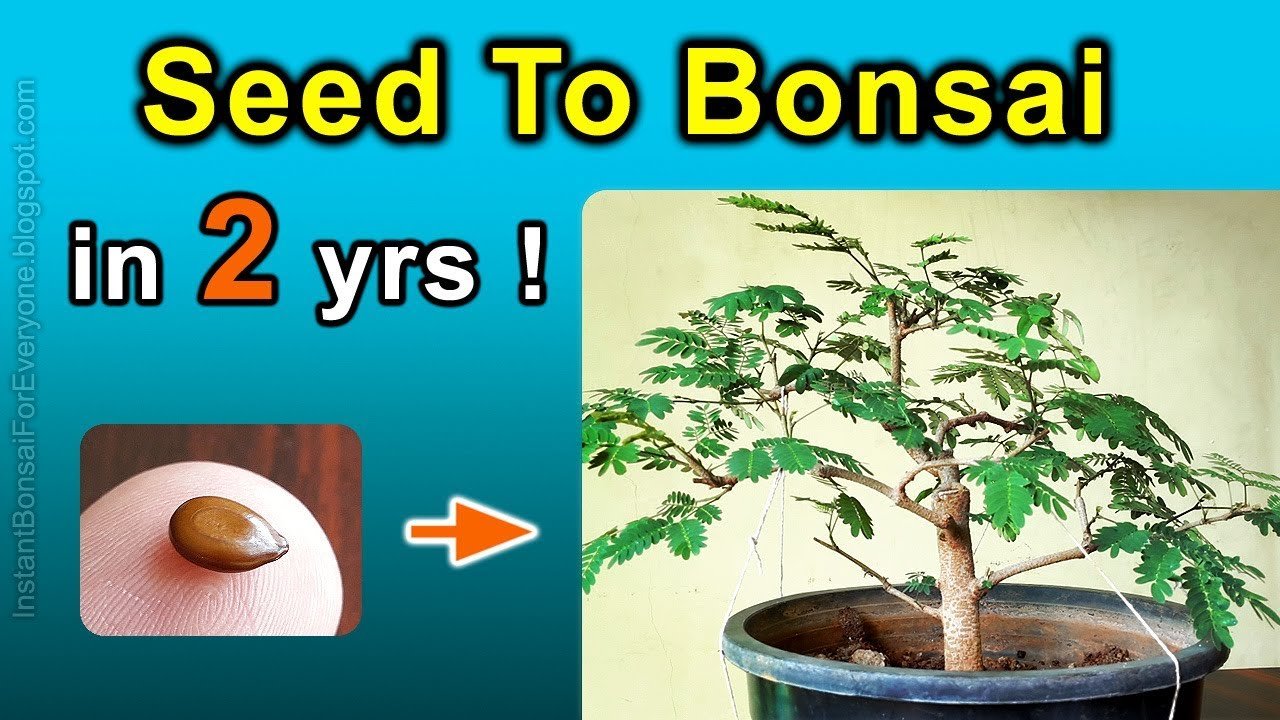
Growing bonsai from seeds is a rewarding journey. Patience is key. With care and attention, tiny seeds transform into stunning trees. Follow the steps and watch them thrive. This hobby teaches patience and appreciation for nature. Start small and nurture your bonsai with love.
Enjoy every stage of growth. Each tree tells a story through its branches and leaves. Bonsai gardening offers peace and beauty. Dive into this calming activity. Create a green masterpiece in your home. Discover the art of bonsai and share your passion with others.
Begin today and enjoy the journey.