Your plants are looking a bit droopy, and you can't figure out why. You've given them plenty of water, maybe even a little extra just to be safe.
But could you be doing more harm than good? Overwatering is a common mistake that many plant lovers make, and it can lead to serious problems for your green friends. When you know how to spot the signs of overwatering, you can save your plants before it's too late.
In this guide, you'll discover the telltale signs of overwatering and learn how to keep your plants thriving. Get ready to unlock the secrets to a healthier, happier plant collection.

Credit: www.facebook.com
Signs Of Overwatered Plants
Yellowing leaves and soft, mushy stems often indicate overwatered plants. Soil that remains wet for too long can also be a sign.
Overwatering your plants might seem like an act of kindness, but it can be detrimental to their health. It’s essential to recognize the signs of overwatering to ensure your plants thrive. Understanding these signs can save your green friends from unnecessary stress and even death.
Yellowing Leaves
Yellowing leaves are one of the most common indicators of overwatering. If your plant's leaves are turning yellow, especially the lower ones, this might be a sign that the roots are receiving too much moisture. In my own garden, I noticed my fern's leaves yellowing, prompting me to adjust my watering schedule, which revived its vibrant green color.
Wilting Despite Moist Soil
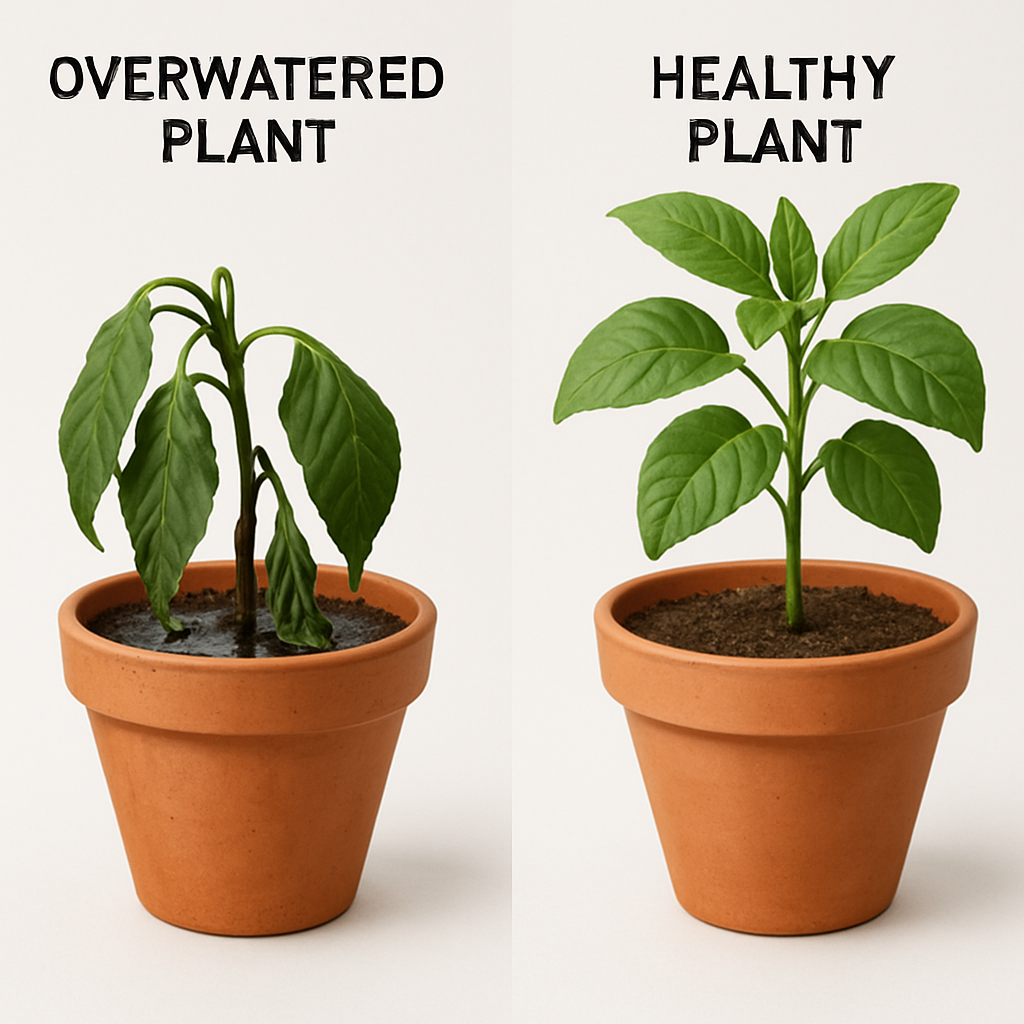
It’s counterintuitive, but plants can wilt even when the soil is moist. When roots sit in waterlogged soil for too long, they can’t access the oxygen they need. Ask yourself: Is the soil soggy and your plant still drooping? If so, overwatering may be the culprit.
Root Rot Symptoms
Root rot is a severe consequence of overwatering and can be hard to spot until it’s too late. Healthy roots are white and firm, while rotting roots appear brown and mushy. Gently remove your plant from its pot and inspect the roots—this simple act can be a lifesaver for your plant.
Leaf Drop
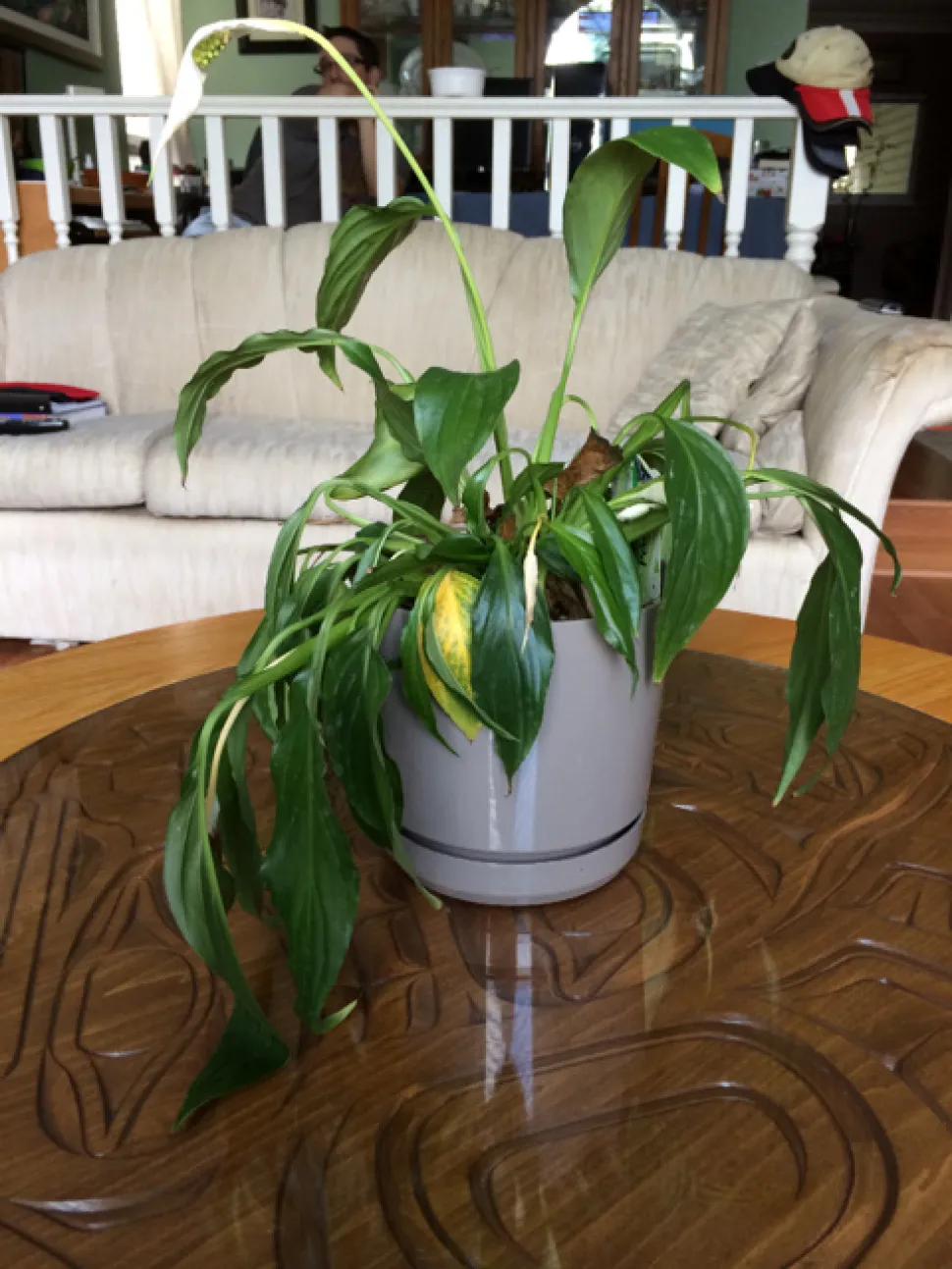
Plants often drop leaves as a distress signal. If your plant suddenly sheds leaves, it might be trying to tell you it’s had too much water. When my peace lily started losing leaves, I discovered that reducing water intake helped it bounce back to life. By keeping an eye on these signs, you can adjust your watering habits and help your plants flourish. Remember, less is often more when it comes to watering! So, next time you reach for the watering can, take a moment to assess your plant's needs.
Common Causes Of Overwatering
Overwatering is a common issue that many plant owners face. It often leads to root rot and other problems that can harm your plants. Understanding what causes overwatering can help you avoid it and keep your plants healthy. By identifying these causes, you can take steps to ensure your plants thrive.
Excessive Watering Frequency
Watering too often is a major cause of overwatering. Plants need time to absorb water and dry out between sessions. Frequent watering can keep the soil constantly wet, which is not ideal. Most plants prefer soil that dries out between watering. Check the soil before adding more water. If it's still damp, hold off on watering.
Poor Soil Drainage
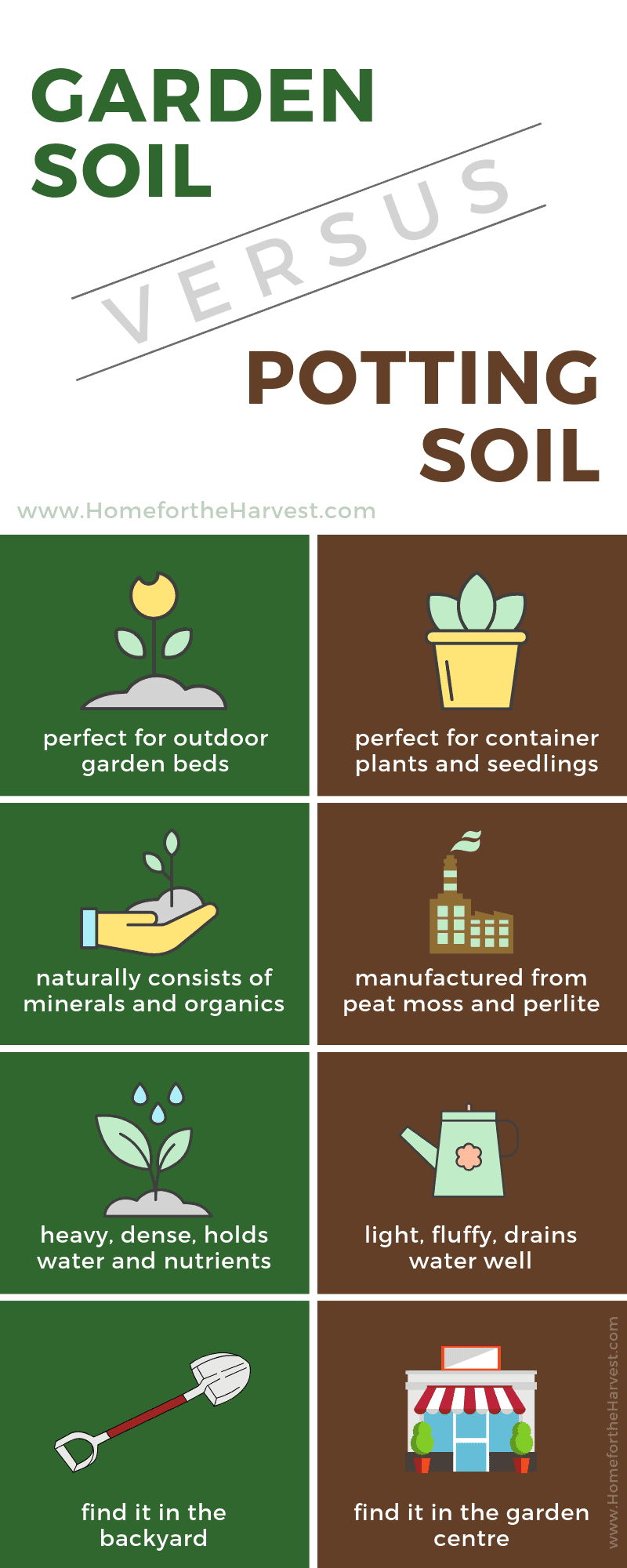
Soil that doesn't drain well can lead to overwatering. Waterlogged soil prevents oxygen from reaching the roots. This can cause the roots to suffocate and rot. Using soil with good drainage is crucial. Consider adding perlite or sand to improve drainage. This ensures excess water can escape, keeping the roots healthy.
Inappropriate Pot Size
The wrong pot size can also cause overwatering. Large pots hold more soil and water, which can drown small plant roots. Small pots can dry out quickly, leading to frequent watering. Choose a pot that fits the plant's size. This helps maintain a proper balance of moisture. Ensure the pot has drainage holes to let excess water out.
Preventive Measures
Overwatering plants can lead to unhealthy growth and root rot. Preventive measures help maintain the balance your plants need. They ensure the roots get enough air and nutrients. Implementing these strategies can prevent overwatering and promote robust plant health.
Adjust Watering Schedule
Modify your watering routine based on the plant's needs. Observe how the soil dries out between watering. Water less frequently if the soil stays wet for several days. Use a moisture meter to check the soil's moisture level. Adjust the schedule seasonally, as plants need less water in cooler months.
Improve Soil Drainage
Enhancing soil drainage is crucial for preventing overwatering. Mix sand or perlite into the soil. These materials help water flow through and out of the soil. Use potting mix designed for good drainage. Check the bottom of your pot for drainage holes. Ensure excess water can escape easily.
Select Proper Pot
The right pot can make a difference in plant health. Choose pots with adequate drainage holes. Avoid pots that retain water at the bottom. Consider using terracotta pots, which absorb moisture and reduce overwatering risk. Ensure the pot size matches the plant size. A larger pot holds more water, increasing overwatering risk.

Credit: www.facebook.com
Remedies For Overwatered Plants
Signs of overwatering include yellowing leaves and wilting stems. Soil that feels consistently damp might indicate excess water. Adjust watering habits to allow the soil to dry out between waterings, ensuring better plant health.
Overwatering is a common mistake that many plant lovers make. It's easy to assume that more water equals a happier plant, but that's not always the case. If you've identified that your plant is suffering from overwatering, don't worry. There are effective remedies to bring your beloved greenery back to life. Let's dive into some practical solutions that can help you rescue your waterlogged plants.
Reduce Watering
One of the simplest solutions is to cut back on watering. Allow the soil to dry out before you water again. Stick your finger about an inch into the soil; if it's still moist, hold off on watering. This not only helps the plant recover but also promotes stronger root growth. Remember, it's better to err on the side of dryness than to risk drowning your plant.
Enhance Air Circulation
Improving air circulation around your plant can significantly help in drying out the excess moisture. You can do this by spacing your plants farther apart or using a fan. A gentle breeze can help evaporate some of that extra water from the soil. Have you noticed how plants thrive outdoors with just a little breeze? You can mimic that environment indoors with just a few adjustments.
Repot With Fresh Soil
Sometimes, the best remedy is to start fresh. Carefully remove your plant from its current pot and gently shake off the old, soggy soil. Repot your plant using fresh, well-draining soil to give it a new lease on life. Ensure the pot has adequate drainage holes to prevent future overwatering issues. Think of it as giving your plant a fresh start, like a new chapter filled with potential. These steps are simple yet effective ways to combat the effects of overwatering. Have you tried any of these remedies before? What was your experience? Feel free to share your stories or questions. Remember, your plants depend on you, so let's make sure they thrive!
Monitoring Plant Health
Yellowing leaves and wilting are signs of overwatering plants. Roots may rot, affecting nutrient absorption.
Monitoring Plant Health is vital to avoid overwatering issues. Plants show signs when they receive too much water. It's important to keep an eye on these signals. This helps in maintaining plant health and growth.
Regular Soil Checks
Conduct regular soil checks to prevent overwatering. Stick a finger into the soil up to an inch deep. If it feels damp, avoid watering. Dry soil indicates the plant needs hydration. Use a moisture meter for better accuracy. This tool gives precise readings, guiding your watering decisions.
Observe Leaf Color Changes
Leaves reveal much about plant health. Yellowing leaves may signal overwatering. This happens because roots can't breathe properly. Check for wilting, too. Droopy leaves often mean excess water. Healthy plants have vibrant, firm leaves. Keep an eye on leaf condition as a reliable indicator.
Assess Root Health
Roots are crucial to plant vitality. Lift the plant gently to inspect roots. Healthy roots are white and firm. Black or mushy roots indicate rot due to overwatering. Trim any damaged roots carefully. Ensure pots have drainage holes. This allows excess water to escape, preventing root damage.
Credit: www.monstera-app.com
Frequently Asked Questions
What Does An Overwatered Plant Look Like?
An overwatered plant often shows yellowing leaves and wilting despite moist soil. You might notice root rot, mushy stems, or fungal growth. Soil may smell musty, indicating poor drainage. Leaves may drop prematurely, and the plant might stop growing. Ensure proper drainage to prevent overwatering damage.
How To Fix An Overwatered Plant?
Remove excess water by draining or tilting the pot. Let the soil dry completely. Ensure proper drainage by adding holes or using a well-draining soil mix. Trim any damaged roots or leaves. Place the plant in a spot with indirect sunlight.
Adjust watering habits to prevent future overwatering.
Which Two Symptoms Are Signs Of Overwatering?
Yellowing leaves and root rot are signs of overwatering. Yellow leaves indicate excess moisture stress. Root rot is caused by waterlogged soil, leading to decayed roots. Monitor your plants' watering schedule to prevent these issues and ensure healthy growth. Adjust watering frequency based on plant needs and soil conditions.
Will Plants Recover From Overwatering?
Plants can recover from overwatering if addressed quickly. Improve drainage and reduce watering frequency. Remove excess water from the soil. Ensure pots have drainage holes. Allow the soil to dry out slightly before watering again. Monitor the plant for signs of recovery like new growth and improved leaf color.
Conclusion
Watering plants correctly boosts their growth and health. Too much water can harm them. Droopy leaves and yellow stems signal overwatering. Observe soil moisture regularly. Adjust your watering schedule based on plant needs. Consider using well-draining soil. It helps prevent water accumulation.
Remember, less is often more for most plants. A little care ensures they thrive beautifully. Healthy plants bring joy to any space. Keep an eye on their condition. Adjust care as needed. Enjoy watching your plants flourish with proper watering habits.
Happy gardening!