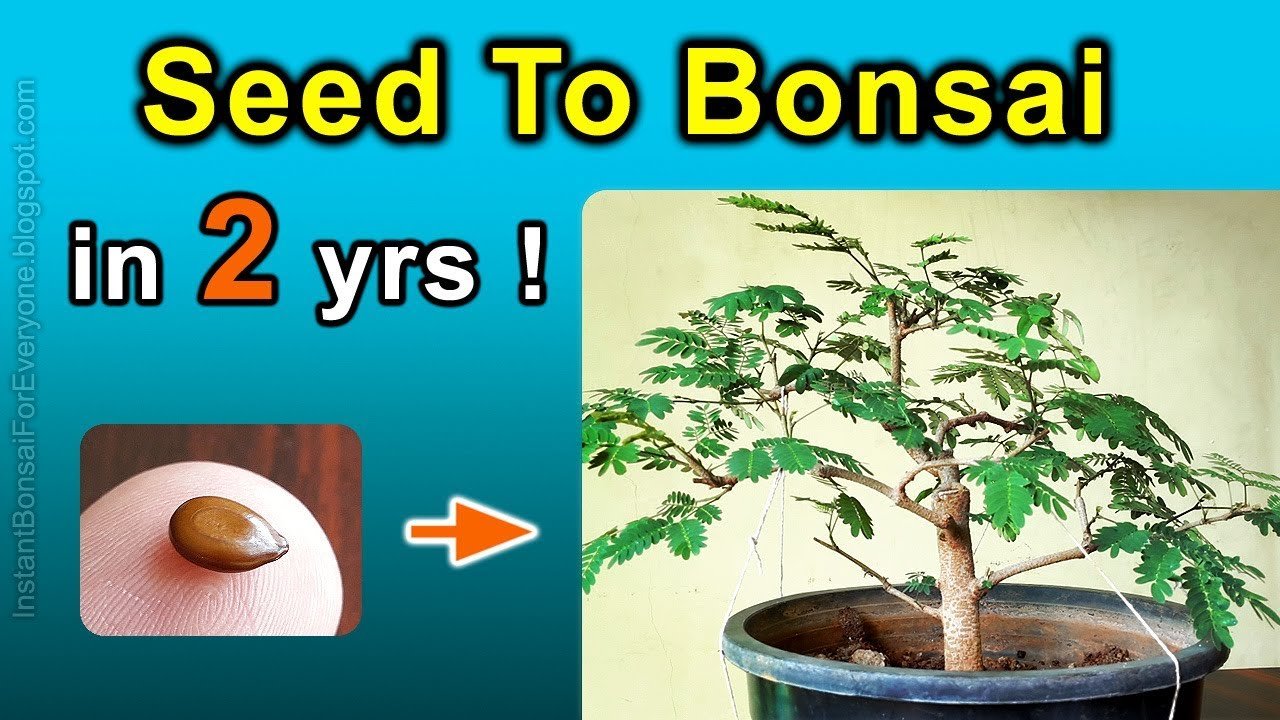
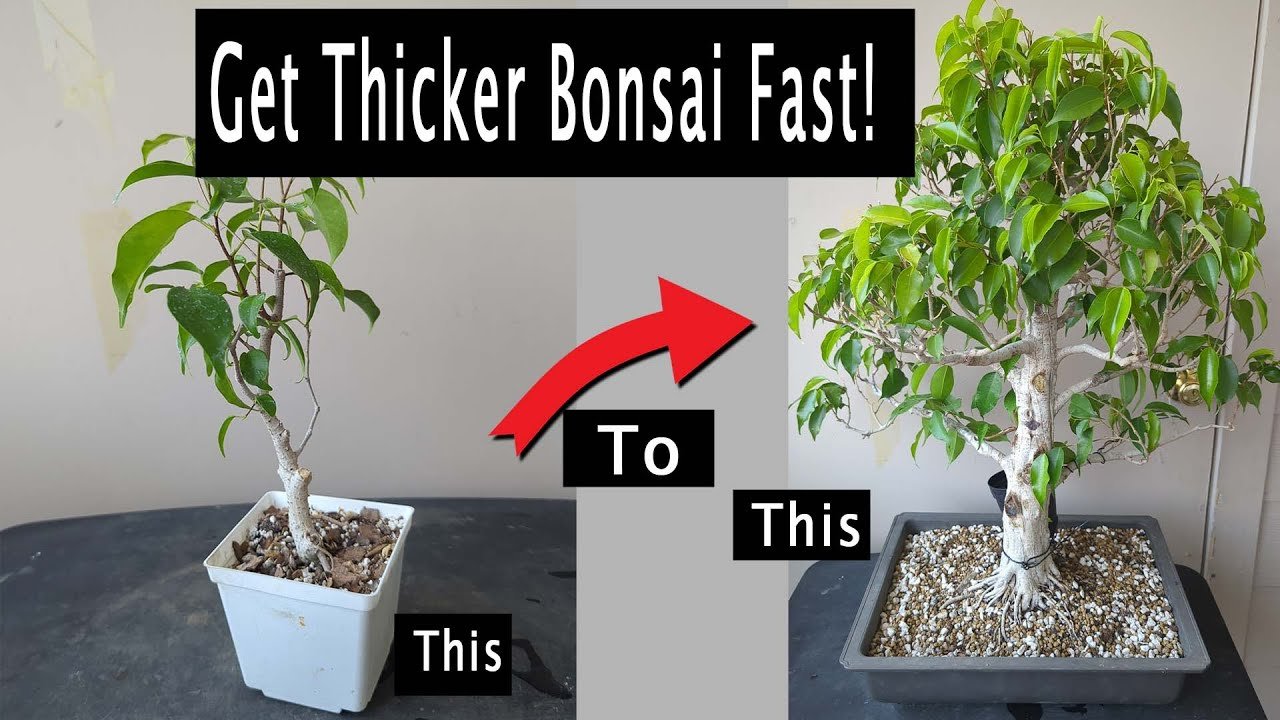
Are you dreaming of a robust, eye-catching bonsai that commands attention? The secret lies in the trunk.
A thick trunk not only enhances the visual appeal but also signifies strength and maturity in your miniature tree. If you’ve ever felt that your bonsai looks a bit twiggy or lacks presence, you're not alone. Many bonsai enthusiasts face this challenge, but the good news is that you can transform your bonsai with a few techniques.
Ready to discover how to thicken your bonsai trunk effectively? Dive in and unlock the secrets to cultivating a masterpiece that stands the test of time.

Credit: www.youtube.com
Importance Of A Thick Bonsai Trunk
A thick bonsai trunk is vital for a strong, stable tree. It provides the foundation for branches and foliage. This enhances the tree's overall look. A robust trunk also reflects the tree's maturity and health. In bonsai art, a thick trunk symbolizes strength and endurance. It draws the viewer's eye, creating a focal point.
Understanding The Aesthetic Appeal
A thick trunk adds visual weight to a bonsai. It makes the tree appear more grounded and balanced. The trunk's girth gives the bonsai a natural, aged look. This aesthetic is highly valued in bonsai culture. It mimics the appearance of full-sized trees in nature.
Enhancing Structural Stability
A thick trunk provides stability against wind and movement. This is crucial for the bonsai's health and longevity. It supports the branches and leaves effectively. A stable trunk reduces the risk of damage during handling. It ensures the tree remains upright and healthy.
Reflecting Tree Maturity
A thick trunk indicates a mature bonsai. It shows years of growth and care. This aspect of maturity adds to the tree's value and appeal. It suggests a history and story behind the tree. A mature trunk is often the centerpiece of a bonsai display.
Symbolizing Natural Growth
In nature, trees with thick trunks have endured many seasons. This natural growth is admired in bonsai art. A thick trunk represents resilience and survival. It mirrors the tree's journey through time. This symbolism adds depth to the bonsai's presence.
Credit: www.reddit.com
Selecting The Right Species
Choosing the right species is a crucial step in achieving a thick bonsai trunk. Not every bonsai tree will develop a thick trunk, no matter how much care and time you invest in it. Understanding which species are naturally inclined to grow thicker trunks can save you both time and frustration. This selection process can feel daunting, but with a bit of guidance, you'll be equipped to make the right choice.
Understanding Growth Patterns
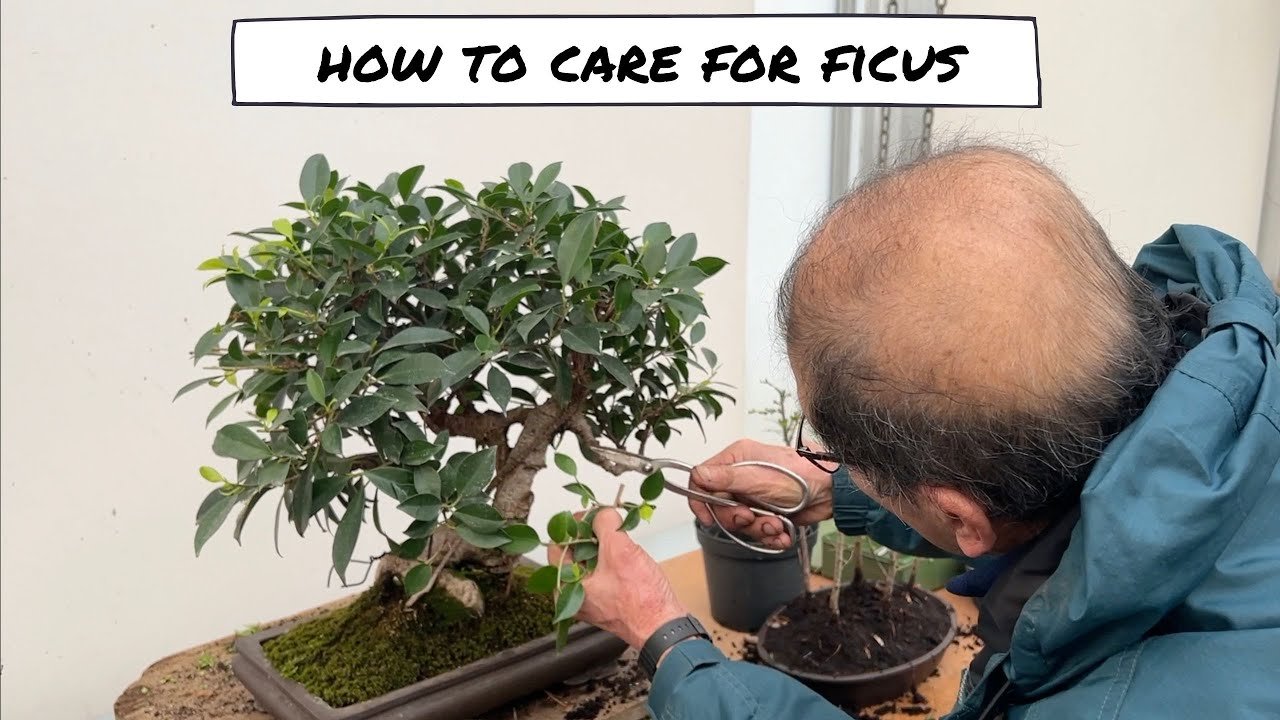
Species like Ficus and Jade are known for their robust growth patterns, making them ideal for thick trunk development. Ficus grows rapidly, responding well to pruning, which encourages trunk thickening. Jade plants, on the other hand, have succulent traits that naturally support a thicker trunk.
When I started my bonsai journey, I chose a Ficus because of its reputation for quick growth. Watching it respond to careful pruning and gradually thickening was rewarding and motivating.
Consider Your Climate
Your local climate plays a significant role in species selection. If you live in a warmer area, species like Bougainvillea might thrive better, while colder climates might be more suited for Junipers. Each species has its preferences, and aligning them with your environment sets the stage for successful trunk development.
Think about the climate in your area. Is it humid or dry? Hot or cold? This simple consideration can dramatically impact your bonsai's growth success.
Balancing Aesthetics And Growth
While a thick trunk is desirable, aesthetics matter too. Some species offer unique bark textures or colors that can enhance your bonsai’s visual appeal. Maple trees provide stunning foliage, while Pines offer a classic bonsai look with their rugged bark.
Which species do you find most beautiful? Sometimes, the answer to this question can guide your choice more than anything else. Personal preference is a powerful motivator in bonsai cultivation.
Experimenting With Species
Don't be afraid to experiment. Trying different species can provide insights into what works best for your lifestyle and environment. Mixing species in your collection can also lead to unexpected and delightful outcomes.
When experimenting, I found that combining different species in my collection enhanced my understanding of their growth habits, leading to better trunk development techniques. What has your experience been? Are you open to trying new species?
Selecting the right species is more than just a step in the bonsai process; it's an opportunity to engage with nature and create a living work of art. Make informed choices, and your bonsai will not only thrive but become a source of pride and joy.
Growing Techniques For Trunk Thickening
Techniques like pruning and wiring can help thicken bonsai trunks effectively. Regular pruning encourages new growth, enhancing trunk size over time. Wiring shapes the tree, promoting a robust trunk.
Growing a bonsai tree is a rewarding journey, but achieving a thick trunk can be a challenging task. A thick trunk not only adds to the visual appeal of your bonsai but also gives it a sense of maturity and strength. There are several techniques you can use to thicken your bonsai trunk effectively. Each method has its own benefits and can be tailored to fit your specific needs and circumstances.
Sacrificial Branches
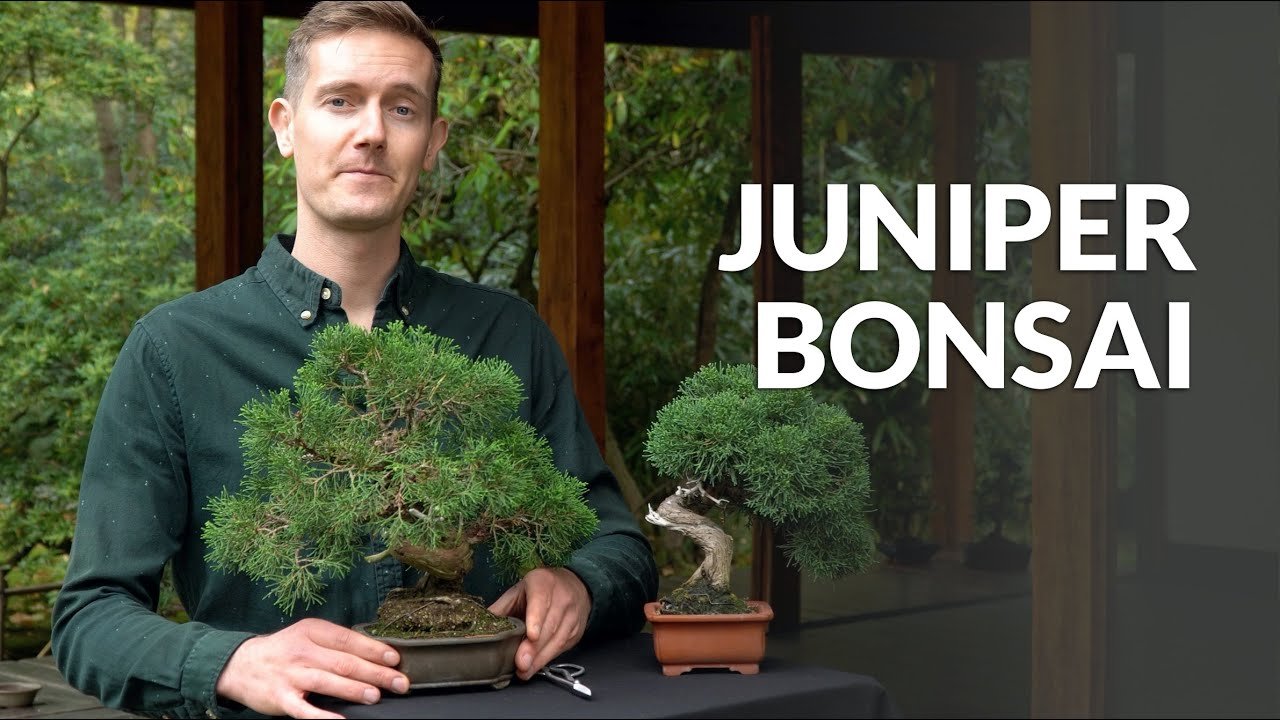
Sacrificial branches can be a game-changer for your bonsai trunk. By allowing one or more branches to grow freely and without pruning, you can encourage the trunk to thicken. This method works because the branch draws nutrients and energy, promoting overall growth. I once allowed a sacrificial branch to grow on my juniper bonsai. It was fascinating to see the trunk swell as the branch flourished. Over time, I trimmed back the branch, and the trunk retained its enhanced thickness. Have you tried this with your bonsai yet?
Trunk Merging
Trunk merging is an innovative technique that can result in a unique, thick trunk. This involves planting multiple seedlings or young trees together and encouraging them to fuse as they grow. This can create a visually striking trunk with natural variations and character. Consider using wire to gently bind the trunks together, promoting a seamless merge. This technique requires patience, but the result is often worth the wait. Have you ever imagined your bonsai with a merged trunk, displaying unique natural patterns?
Growing In Open Ground
Growing bonsai in open ground is another effective way to thicken the trunk. By allowing the roots to spread and the tree to grow without the restrictions of a pot, the trunk can thicken more rapidly. It’s crucial to monitor the growth and periodically prune to maintain the desired shape and size. I once planted a bonsai sapling in my garden for a few years. The result was a robust trunk that I could later refine in a pot. Could your bonsai benefit from a period of unrestricted growth in your yard? Each of these techniques offers a unique path to achieving a thick, impressive bonsai trunk. Consider your environment, resources, and patience level when choosing the method that best suits your bonsai journey. Which technique do you find most intriguing?
Credit: www.reddit.com
Wiring And Pruning Methods
Wiring and pruning are key techniques to thicken a bonsai trunk effectively. Proper wiring supports growth while shaping branches. Pruning encourages trunk development by removing excess branches and leaves, directing energy to the trunk.
The art of nurturing a bonsai tree is deeply rooted in patience and precision. If you're looking to thicken the trunk of your bonsai, wiring and pruning are essential techniques that will help you mold your tree into a miniature masterpiece. These methods don't just enhance the aesthetic appeal; they also play a crucial role in promoting healthy growth. Let's dive into how proper wiring and strategic pruning can be your allies in achieving a robust bonsai trunk.
Proper Wiring Techniques
Wiring is more than just bending branches; it's about guiding your bonsai's growth in a specific direction. Start by choosing the right wire thickness. A wire that's too thin won't hold, while a wire that's too thick could damage the bark. Wrap the wire around the trunk and branches in a spiral pattern. Ensure the wire is snug but not tight enough to cut into the bark. This technique allows you to shape the tree without harming it. Monitor the progress regularly. As your bonsai grows, the wire may need adjustments. Keep an eye on the bark for signs of constriction or damage, and remove the wire if it starts to dig in.
Strategic Pruning For Growth
Pruning is like giving your bonsai a healthy haircut. Trim back branches and leaves to direct energy to the trunk, encouraging it to thicken. Focus on removing smaller branches that aren't contributing to the overall shape. This helps the trunk gain strength and girth. Consider the season. Pruning during the growing season can boost trunk development. However, be cautious not to over-prune, as this can stress the tree. Reflect on your bonsai's journey. Each cut should be intentional, shaping not just the tree, but your experience as a bonsai cultivator. How does each decision impact your bonsai's growth? Engaging with your bonsai through wiring and pruning isn't just about techniques; it's about understanding and responding to its needs. What does your bonsai tell you about its growth?
Use Of Fertilizers
Fertilizers play a crucial role in thickening bonsai trunks. They provide essential nutrients that boost growth and strengthen the tree. Regularly applying balanced fertilizers enhances the trunk's development, ensuring a robust and healthy bonsai.
Thickening a bonsai trunk is a rewarding journey that requires patience and the right techniques. One crucial aspect of this process is the use of fertilizers. Proper fertilization can significantly enhance the growth and development of your bonsai, leading to a more robust trunk. But how do you ensure your bonsai is getting the nutrients it needs without overloading it? Let's dive into the specifics of nutrient-rich soil and a balanced fertilization schedule.
Nutrient-rich Soil
Your bonsai's soil is its lifeline, providing essential nutrients that support healthy growth. Choosing the right soil mix is crucial. Opt for a blend that retains moisture yet allows for adequate drainage. This balance prevents root rot while ensuring your bonsai receives nutrients efficiently. Consider enriching your soil with organic compost or well-rotted manure. These additions can boost nutrient levels and improve soil texture.
Balanced Fertilization Schedule
Establishing a balanced fertilization schedule is key to nurturing a thicker trunk. Over-fertilizing can harm your bonsai, while under-fertilizing may stunt its growth. Aim for a regular feeding routine, such as once a month during the growing season. This consistency helps maintain steady growth. Use a fertilizer with a balanced ratio of nitrogen, phosphorus, and potassium. A 10-10-10 blend is a good starting point for balanced nutrition. It’s fascinating how timing and consistency can make all the difference. When I started fertilizing my bonsai regularly, I noticed a marked improvement in its trunk thickness within months. Have you ever wondered if you're overdoing it with fertilizers? It's a common concern, but remember, moderation is key. Keep an eye on your bonsai's response and adjust accordingly. Ultimately, nurturing a bonsai trunk takes dedication and a bit of experimentation. By focusing on nutrient-rich soil and a balanced fertilization schedule, you're setting your bonsai on a path to thrive. Embrace the process, and watch your bonsai transform into a masterpiece.
Watering Practices
Proper watering is key to thickening a bonsai trunk. Ensure consistent moisture without overwatering. Balance is vital for root health and trunk growth.
Watering practices are crucial in the art of thickening a bonsai trunk. Proper hydration not only helps in maintaining the health of your bonsai but also plays a vital role in trunk development. Striking the right balance in watering can be challenging, but mastering it ensures your bonsai thrives with a robust trunk.
Consistent Moisture Levels
Maintaining consistent moisture levels is key to a thick bonsai trunk. It's essential to water your bonsai regularly to keep the soil evenly moist. A useful tip is to check the topsoil; if it feels dry, it's time to water. In my experience, setting a routine helps. I water my bonsai every morning, ensuring the soil stays hydrated throughout the day. This consistency prevents stress on the plant, promoting healthier growth. Using a moisture meter can be a game-changer. It takes the guesswork out of the equation, allowing you to provide the perfect amount of water.
Avoiding Overwatering
Overwatering is a common mistake that can hinder trunk thickening. It can lead to root rot, compromising your bonsai's health. Always ensure that your pot has proper drainage to prevent water from accumulating at the bottom. I learned this the hard way when I noticed my bonsai was wilting despite frequent watering. After adjusting my watering schedule and checking for drainage, the plant began to recover. Consider using a well-draining soil mix. It helps excess water escape, providing your bonsai with just enough moisture for optimal growth. Have you ever wondered why some bonsai thrive while others struggle? Often, the answer lies in how well they are watered. By focusing on consistent moisture levels and avoiding overwatering, you're setting your bonsai on a path to developing a thick, healthy trunk.
Patience And Time
Cultivate patience and time to thicken your bonsai trunk effectively. Regular pruning and strategic wire techniques gradually strengthen the trunk. Consistent care and attention over time enhance the bonsai's growth, yielding a more robust and visually appealing trunk.
Growing a bonsai tree is more than just a hobby; it's a journey that requires dedication, patience, and time. If you are looking to thicken your bonsai trunk, it's essential to understand that this process cannot be rushed. Just like building a strong relationship, growing a bonsai trunk takes years of consistent care and attention. A bonsai tree’s beauty and resilience come from the slow, deliberate process of growth. As you embark on this journey, remember that each step you take today will shape the tree’s future. Are you ready to commit to the long haul?
Setting Realistic Expectations
Expect the growth of your bonsai trunk to be a gradual process. The development of a thick trunk is not something that happens overnight or even in a few months. It's a slow dance with nature. You might see online pictures of stunning bonsai trees with thick trunks. But what these pictures often don't show is the years of care and attention behind the scenes. Understanding this will help you set realistic goals for your bonsai journey. Think about your own timeline and what you want to achieve. Are you prepared to invest the necessary years? Remember, this is a marathon, not a sprint.
Long-term Commitment
Growing a thick bonsai trunk is a long-term commitment. It’s like nurturing a friendship—it needs constant care and attention over the years. The rewards of your patience will be worth it. Involve yourself in the process, and learn more about the tree’s needs. Consistent watering, proper fertilization, and strategic pruning are essential. Each of these steps, though small, will contribute significantly to thickening the trunk over time. Ask yourself, how dedicated are you to seeing this through? Your commitment today will lead to a beautiful bonsai tomorrow.
Common Mistakes To Avoid
Avoid over-pruning, as it can hinder trunk growth in bonsai. Remember, patience is key when thickening bonsai trunks. Overwatering might also damage the roots, affecting the trunk's development. Proper care and attention can lead to a healthy, thicker trunk over time.
Cultivating a bonsai is a delightful journey, full of discovery and patience. Yet, many enthusiasts often stumble when it comes to thickening the trunk—a crucial aspect of crafting a visually striking bonsai. Understanding what to avoid in this process can significantly enhance your bonsai’s development, saving you time and potential frustration. Let's delve into the common mistakes you should sidestep.
Improper Pruning Techniques
Pruning is essential for bonsai trunk development, but doing it incorrectly can stifle growth. Avoid cutting too much at once. This can shock your bonsai and hinder its ability to thicken. Instead, trim strategically, focusing on areas that encourage upward growth while maintaining overall health.
Neglecting Soil Quality
One mistake many make is overlooking the importance of soil quality. Poor soil can deprive your bonsai of the nutrients it needs to grow a robust trunk. Ensure you use well-draining soil mixed with organic matter to promote healthy growth. Think of soil as the foundation of your bonsai—without a solid base, the trunk can't thrive.
Overwatering And Underwatering
Watering too much or too little can drastically affect trunk thickness. Overwatering can drown the roots, while underwatering can dry them out. Both scenarios stunt trunk growth. Monitor your bonsai's water needs closely, adjusting for seasonal changes to maintain optimal moisture levels.
Ignoring Sunlight Requirements
Sunlight plays a pivotal role in trunk development. Placing your bonsai in a spot with inadequate light can hinder its ability to thicken. Ensure it receives sufficient sunlight daily, adjusting its position as needed throughout the year. It's surprising how a little sunlight can make a big difference.
Skipping Fertilization
Fertilization is often underestimated, but skipping it can slow down trunk growth. A balanced fertilizer can provide the necessary nutrients to support a thicker trunk. Be consistent with fertilization schedules, and remember that your bonsai’s needs may change over time.
Expecting Immediate Results
Impatience can lead to mistakes. Expecting your bonsai trunk to thicken overnight is unrealistic and can lead to frustration. Bonsai cultivation is a practice in patience—embrace the slow progress and cherish each small victory.
Using Poor Wiring Techniques
Wiring is meant to shape your bonsai, but poor techniques can harm it. Incorrectly applied wire can cut into the bark, damaging the trunk. Always use wire carefully, checking regularly to prevent it from cutting into the wood as the trunk grows. Reflect on these common mistakes. Have you unknowingly stumbled into one of these pitfalls? Correcting these missteps can transform your bonsai from ordinary to extraordinary. Each adjustment brings you closer to nurturing a bonsai trunk that's not only thick but also a testament to your patience and care.
Tools And Materials Needed
Pruning shears, wire cutters, and bonsai soil are essential for thickening a bonsai trunk. Use a sharp knife for notching. Watering can and fertilizer are needed for consistent growth.
Thickening a bonsai trunk is a rewarding process that enhances the beauty and health of your miniature tree. To achieve this, you'll need specific tools and materials that will make the job easier and more effective. Whether you're a novice or seasoned bonsai enthusiast, having the right equipment can make all the difference in your bonsai journey. Let's dive into what you'll need to get started.
Wire Cutters
Wire cutters are essential for shaping your bonsai tree. They allow you to adjust the wire that guides the growth of the branches and trunk. When choosing wire cutters, look for a pair with comfortable grips and sharp blades. This ensures precise cuts without damaging your tree.
Pruning Shears
Pruning shears are vital for trimming the branches and leaves. They help maintain the shape and health of your bonsai. Opt for shears that are sharp and easy to handle. A good pair will last you years and make pruning a breeze.
Training Wire
Training wire is used to guide the growth of the trunk and branches. You'll need wire that's flexible yet strong enough to hold the shape. Copper and aluminum wires are popular choices. They come in various thicknesses, so choose according to the size of your bonsai.
Soil Mix
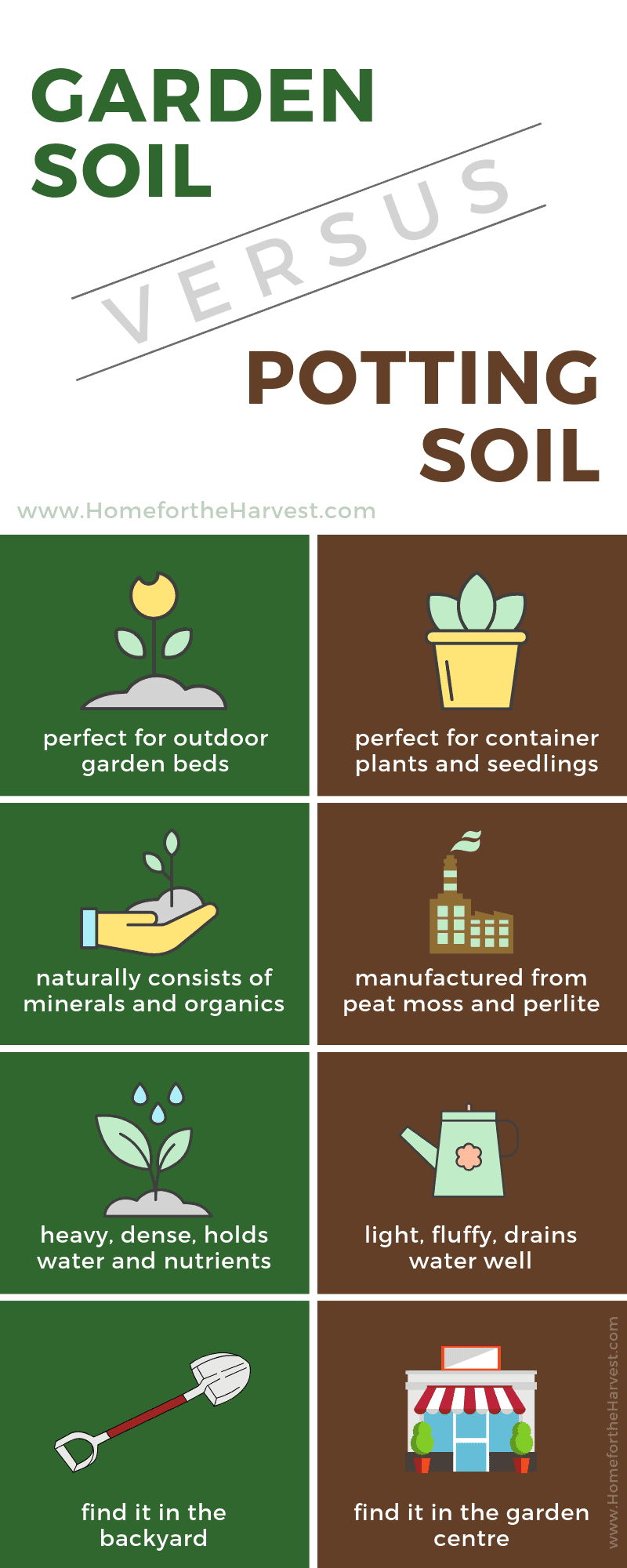
The right soil mix is crucial for trunk thickening. Look for a mix that provides good drainage and nutrients. A balanced bonsai soil mix often includes components like akadama, pumice, and lava rock. This blend encourages healthy root growth, which in turn thickens the trunk.
Fertilizer
Fertilizers feed your bonsai with essential nutrients. Choose one specifically formulated for bonsai trees. Regular feeding promotes vigorous growth, helping the trunk to thicken over time. Be mindful of the dosage to avoid over-fertilizing.
Watering Can
A watering can with a fine nozzle is ideal for bonsai care. It ensures even distribution of water without disturbing the soil or roots. Consistent watering is key to maintaining the health and growth of your bonsai.
Patience And Observation
While not a physical tool, patience is your greatest ally. Thickening a bonsai trunk takes time and careful observation. Watch how your tree responds to care and adjust your methods accordingly. Are you ready to transform your bonsai with these tools? Imagine the satisfaction of watching your tree thrive with a robust trunk. Remember, every bonsai is unique, and your dedication will make all the difference.
Frequently Asked Questions
How To Thicken A Bonsai Trunk Quickly?
To thicken a bonsai trunk quickly, use techniques like trunk fusion or sacrificial branches. Grow the tree in a larger pot for better root expansion. Regularly prune branches to focus growth on the trunk. Ensure adequate sunlight and proper nutrients.
How To Encourage A Thicker Trunk?
To encourage a thicker trunk, prune regularly and focus on root growth. Ensure proper watering and fertilization. Use a stake for support, allowing the trunk to strengthen. Regularly rotate the plant for even sun exposure. Maintain a consistent environment to promote healthy trunk development.
What Is The Rule Of 3 In Bonsai?
The rule of 3 in bonsai refers to balancing three key elements: height, trunk thickness, and foliage density. This creates a visually appealing miniature tree. Properly applying this rule enhances the aesthetic harmony and proportion of your bonsai.
How To Promote Branch Growth In Bonsai?
Prune branches regularly to encourage new growth. Use balanced fertilizer to nourish the bonsai. Ensure adequate sunlight and proper watering. Wiring branches helps shape growth direction. Maintain humidity levels for optimal health.
Conclusion
Growing a thicker bonsai trunk requires patience and care. Different techniques offer unique benefits. Try pruning for balance and wiring for shape. Use fertilizers to encourage growth. Consider grafting for faster results. Keep experimenting with methods. Each tree responds differently.
Pay attention to your bonsai's needs. Regular observation helps. Adjust techniques based on progress. Enjoy the journey of bonsai cultivation. It's an art form. Appreciate the process and results. Your bonsai will thrive with dedication. Remember, practice makes perfect. Embrace the learning experience.
Your bonsai will thank you. Keep nurturing your miniature masterpiece.