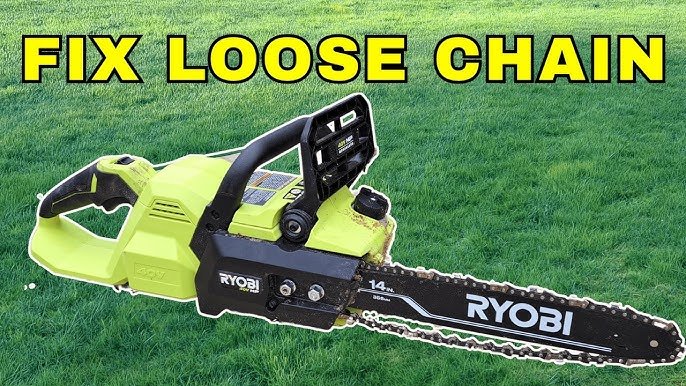
Are you ready to tackle your next woodcutting project, but your chainsaw seems a bit off? A loose chainsaw blade can be more than just an annoyance—it can be a safety hazard.
When your chainsaw blade isn't tight enough, it can lead to inefficient cutting and increase the risk of accidents. But don't worry, adjusting it is easier than you might think. In this guide, you'll discover simple steps to tighten your chainsaw blade, ensuring your tool performs at its best and keeps you safe.
Imagine the satisfaction of slicing through wood effortlessly, knowing you’ve got everything under control. Keep reading to learn how to make your chainsaw blade as taut and effective as possible.
Safety Precautions
Ensure the chainsaw is off and unplugged to prevent accidents. Wear protective gloves for safety. Use the correct tool to adjust the chain tension, ensuring it's snug but not too tight.
Ensuring safety while tightening a chain saw blade is crucial. A chain saw is a powerful tool and can be dangerous. Taking the right safety precautions can prevent accidents and injuries. Follow these guidelines to work safely and efficiently.
Wear Protective Gear
Always wear protective gear before starting any work with a chain saw. This includes safety goggles to protect your eyes from debris. Wear gloves to shield your hands from sharp edges and vibrations. Steel-toed boots provide protection for your feet. A hard hat can protect your head from falling branches. Don't forget ear protection to reduce noise levels.
Ensure Stability
Stability is key to safe chain saw operation. Place the chain saw on a flat, stable surface before adjusting the blade. Make sure the saw is turned off and unplugged to prevent accidental starts. Use a vice or clamp to hold the saw steady if needed. This allows you to work with both hands free. Double-check that the saw is secure before proceeding with any adjustments.
Tools Required
When you're gearing up to tighten a chainsaw blade, having the right tools on hand can make the process smooth and efficient. Imagine trying to fix a chainsaw without the proper equipment—it's like trying to eat soup with a fork! The tools you need are simple, but essential. Let's dive into the specific items you'll need to ensure your chainsaw runs safely and effectively.
Wrench Or Socket Tool
A wrench or socket tool is crucial in adjusting the tension of your chainsaw blade. These tools allow you to loosen or tighten the nuts holding the bar in place. You don't need a fancy set; a basic adjustable wrench often does the trick.
Using the right tool prevents stripping the nuts and ensures a secure fit. Consider the size of your chainsaw model when selecting your wrench, as they can vary. Do you have a favorite tool you always reach for in your toolkit? This might just become one of them.
Protective Gloves
Safety first! Protective gloves are not just a recommendation; they're a necessity. Chainsaw blades can be sharp, and handling them without protection can lead to injuries. Choose gloves that provide a good grip but are sturdy enough to guard against cuts.
Your hands are precious, and keeping them safe while working should be a priority. Gloves also add an extra layer of grip, making it easier to maneuver the chainsaw parts. Have you ever felt the relief of slipping on gloves before tackling a tough job? It's a small act that makes a big difference.
Preparing The Chain Saw
Ensure your chainsaw is unplugged or switched off for safety. Loosen the nuts on the side panel. Adjust the tension screw until the chain fits snugly against the bar. Tighten the nuts back securely. Check the chain's movement. It should rotate smoothly.
Adjust again if necessary.
Preparing the Chain Saw Before tightening a chainsaw blade, ensure it's ready for adjustment. Proper preparation ensures safety and efficiency. This process involves a few crucial steps. These steps ensure the chainsaw remains stable and secure. Follow these instructions to avoid accidents and mishaps.
Power Off The Saw
Always turn off the chainsaw before adjustments. Disconnect the power source for electric saws. For gas-powered saws, switch off the engine. This prevents accidental starts. Safety is the top priority. A moving chain can cause severe injuries. Ensure the saw is completely off before proceeding.
Position The Saw On A Flat Surface
Place the chainsaw on a stable, flat surface. A workbench or table works well. This provides a solid base for adjustments. Avoid uneven ground or surfaces. Stability helps prevent the saw from tipping over. It also allows for easier access to the chain. This is crucial for making precise adjustments.
Checking Chain Tension
Checking Chain Tension Ensure your chainsaw blade is safe and efficient by checking the chain tension regularly. A properly tightened chain prevents accidents and enhances cutting performance. Adjust the tension by loosening the bar nuts, turning the tension screw, and retightening the nuts to secure the chain.
Checking chain tension is vital for chainsaw efficiency and safety. A loose chain can cause accidents and reduce cutting precision. Regularly checking tension ensures your chainsaw operates smoothly. Tightening the chain enhances its lifespan and performance.
Evaluate Chain Slack
Start by examining the chain slack. Pull the chain away from the bar. It should lift slightly but remain snug. If it pulls too easily or hangs, it's too loose. A loose chain can derail or damage the saw. Adjust tension until it snugly fits. This prevents unnecessary wear and tear.
Inspect Chain Alignment
Chain alignment is crucial. Ensure the chain fits evenly on the bar. Misalignment can cause uneven cuts. It might also damage the chain or bar. Look for signs of uneven wear or crooked positioning. Adjust the chain until it's centered and aligned. Proper alignment ensures safe and efficient cutting.
Loosening The Nuts
Loosening the nuts is crucial to adjust the tension of a chainsaw blade. Begin by identifying the tensioning screw, usually near the blade. Turn it until the chain fits snugly against the guide bar, ensuring smooth operation.
Loosening the nuts on your chainsaw is a crucial step in the process of tightening the blade. Without this, you can’t access the chain tensioner or adjust the chain to its proper tension. Whether you're a seasoned pro or a first-time chainsaw user, understanding this step can make the difference between a smooth-running tool and a frustrating experience. Taking the time to properly loosen the nuts not only ensures your chainsaw operates efficiently but also extends its lifespan. Are you ready to dive in and learn this essential skill? Let’s start with the basics.
Locate The Guide Bar Nuts
The guide bar nuts are typically located on the side panel of your chainsaw, securing the guide bar and chain in place. In most models, you’ll find two nuts holding the cover in place. Before starting, make sure your chainsaw is turned off and placed on a stable surface. Safety first—always! Gently examine the side panel and spot these nuts. They are usually easy to identify, as they’re larger compared to other screws and bolts on the saw. Have you found them yet? If not, consulting the user manual can be a helpful guide.
Use The Appropriate Tool
Using the right tool makes all the difference. Typically, a wrench or a scrench—a combination screwdriver and wrench—comes with your chainsaw. This tool is perfect for loosening the guide bar nuts. Firmly grip the tool and turn the nuts counterclockwise. This might require a bit of force, especially if the chainsaw hasn’t been serviced recently. Once loosened, the nuts should turn smoothly. If they feel stuck, applying a small amount of lubricant can help ease the process. Just remember, don’t completely remove the nuts unless you’re planning to replace the chain or guide bar. By following these steps, you’ll be well on your way to properly adjusting your chainsaw blade. Have you ever struggled with this task before? Share your experiences in the comments below!
Credit: www.tiktok.com
Adjusting The Chain Tension
Adjusting the chain tension of a chainsaw ensures safe and efficient cutting. Loosen the bar nuts slightly to allow movement. Use the tensioning screw to adjust the chain until it fits snugly against the bar, without sagging.
Adjusting the chain tension on your chainsaw is an essential skill that can enhance its performance and longevity. A well-tensioned chain provides a safer and more efficient cutting experience. Imagine the frustration of a loose chain flying off mid-cut or a too-tight chain causing undue wear. By learning how to adjust the tension, you're not only maintaining your tool but also ensuring your safety. Let's dive into the practical steps of achieving the perfect tension.
Locate The Tension Screw
First, you'll need to find the tension screw on your chainsaw. It's typically found on the side panel of your chainsaw, near the chain bar. Check your chainsaw's manual if you're unsure of its exact location. Familiarize yourself with its position for easy access during adjustments.
Turn Screw To Adjust
Once located, use a screwdriver to turn the tension screw. Turning it clockwise will tighten the chain, while counter-clockwise will loosen it. Aim for a tension where the chain fits snugly against the bar but can still be pulled around by hand. Remember, a properly tensioned chain should have a bit of give but shouldn't sag or be overly tight. Regularly check the tension before each use. Adjusting the chain tension can prevent accidents and prolong the life of your chainsaw. Have you ever noticed a change in your saw's performance after a simple tension adjustment? That’s the power of proper maintenance.
Re-tightening The Nuts
Ensure your chainsaw blade is properly tightened to avoid accidents. Start by loosening the nuts slightly and adjusting the tension screw. Check the blade's movement; it should move smoothly but not sag. Securely retighten the nuts, ensuring the blade is firm for safe operation.
Re-tightening the nuts on your chainsaw is crucial for ensuring optimal performance and safety. Loose nuts can lead to a wobbly chain, increasing the risk of accidents and reducing cutting efficiency. By following a few simple steps, you can keep your chainsaw in top working condition.
Secure The Guide Bar Nuts
Start by ensuring your chainsaw is turned off and unplugged if it's electric. Locate the guide bar nuts, which are typically found on the side panel of your chainsaw. Use a wrench or the tool provided with your chainsaw to begin tightening them. Tighten the nuts until they are snug but not overly tight. Over-tightening can lead to damage or make future adjustments difficult. A good rule of thumb is to tighten until you feel resistance, then give it a small additional turn for security.
Ensure Firm Grip
Before you start, make sure you have a firm grip on the wrench or tool. This will give you better control and prevent slipping, which could lead to injury. If you're working outdoors, consider wearing gloves for extra grip and protection. Pay attention to how the chainsaw feels in your hands once the nuts are tightened. A firm, stable chainsaw is easier to handle and will improve your cutting accuracy. If it still feels loose, double-check to see if the nuts need further tightening. Wouldn't it be frustrating to have your chainsaw malfunction in the middle of a job because of something as simple as a loose nut? Taking a few minutes to ensure everything is secure can save you time and hassle later on.
Testing The Chain Saw
Testing the Chain Saw Ensure safety by tightening the chain saw blade properly. Loosen the nuts, adjust the tension screw, and check the chain alignment. Re-tighten the nuts securely to ensure optimal performance and safety.
Testing your chain saw after tightening the blade is essential to ensure both performance and safety. A well-adjusted chain can make all the difference in the world when you’re knee-deep in a big project. Have you ever been halfway through a cut only to realize the chain isn’t moving correctly? Let’s avoid that hassle.
Check Chain Movement
First, examine how the chain moves along the guide bar. Make sure the chain glides smoothly when you pull it by hand. It should feel snug but not too tight. If it resists, you might need to loosen it slightly. A chain that moves too freely could be a safety hazard. Imagine trying to cut with a chain that jumps off the bar. Take a moment to adjust and retest if necessary.
Confirm Proper Tension
Next, double-check the tension. Lift the chain slightly at the midpoint of the bar. It should rise just enough to show a small portion of the guide bar's underside but snap back into place without hesitation. If you notice a significant sag, tighten the tensioning screw and test again. Proper tension not only ensures efficiency but also extends the life of your chain and bar. Are you confident that your chain saw is ready for action? Testing is a small step that guarantees your tool performs at its best, keeping your tasks as smooth as the cut itself.
Maintenance Tips
Tightening a chainsaw blade is essential for safety and efficiency. First, ensure the chainsaw is turned off. Loosen the nuts on the side panel, adjust the tension screw, then retighten the nuts. Always check the blade tension before use to avoid accidents.
Maintaining your chainsaw is crucial to ensure it performs efficiently and safely. A loose chainsaw blade can lead to accidents and damage your tool. Regular maintenance not only extends the life of your chainsaw but also ensures it works at its best. Here are some essential tips to keep your chainsaw blade tight and ready for action.
Regularly Inspect Chain
Make it a habit to inspect your chainsaw's chain before every use. Look for signs of wear such as bent links or dull teeth. A visual check can help you spot issues before they become problems. If you notice the chain sagging or coming loose, it’s time for a tightening session. Consider keeping a checklist of what to look for during inspection, such as rust spots or tension irregularities. Wouldn't it be frustrating to find your chainsaw not cutting well due to a simple oversight?
Keep Chain Lubricated
Lubrication is like a lifeline for your chainsaw chain. Without it, friction increases, causing wear and tear. Regularly oiling the chain ensures smooth operation and reduces the risk of it coming loose. Use a good quality chain oil and apply it frequently, especially during heavy use. You might think skipping lubrication saves time, but it often leads to costly repairs. Have you ever noticed how a well-oiled chain glides effortlessly? Ensuring proper lubrication can also prevent overheating, a common cause of chain expansion and loosening. Why not make chain lubrication a part of your routine maintenance?

Credit: www.youtube.com

Credit: www.youtube.com
Frequently Asked Questions
How Do You Tighten A Chainsaw Blade?
First, turn off the chainsaw and disconnect the spark plug. Loosen the bar nuts slightly, then adjust the tension screw until the chain fits snugly against the bar. Ensure the chain moves smoothly, then tighten the bar nuts securely. Regularly check the chain tension for safe operation.
Should A Chain Saw Blade Be Tight?
A chainsaw blade should be snug, not overly tight. Ensure it can move freely but doesn't sag. Proper tension prevents accidents and improves cutting efficiency. Regularly check and adjust to maintain optimal performance. Always follow the manufacturer's guidelines for specific tension requirements.
Safety and efficiency depend on correct blade tension.
How To Correctly Tension A Chain?
To tension a chain correctly, ensure it has slight slack. Measure the sag at the midpoint. Adjust the tensioner until the sag is within the manufacturer's specified range. Regularly check for wear and ensure proper lubrication. Always follow safety precautions when adjusting the chain tension.
How Do I Tell If My Chainsaw Chain Is Too Loose?
Check chain tension by lifting it from the guide bar. It should snap back into place. If it hangs loosely or shows gaps, it’s too loose. Adjust to ensure proper tension. Regularly check to prevent accidents and maintain efficiency.
Conclusion
Tightening a chainsaw blade is simple and essential for safety. Regular maintenance ensures your chainsaw works efficiently. Always check the tension before use. Use the right tools to adjust the blade. A properly tightened blade cuts better and lasts longer.
Pay attention to your chainsaw's manual for specific instructions. Regular checks prevent accidents and extend the tool's life. Practice these steps to keep your chainsaw in top condition. Stay safe and enjoy smooth cutting every time you work. Remember, a well-maintained chainsaw is a reliable tool.
Happy cutting!