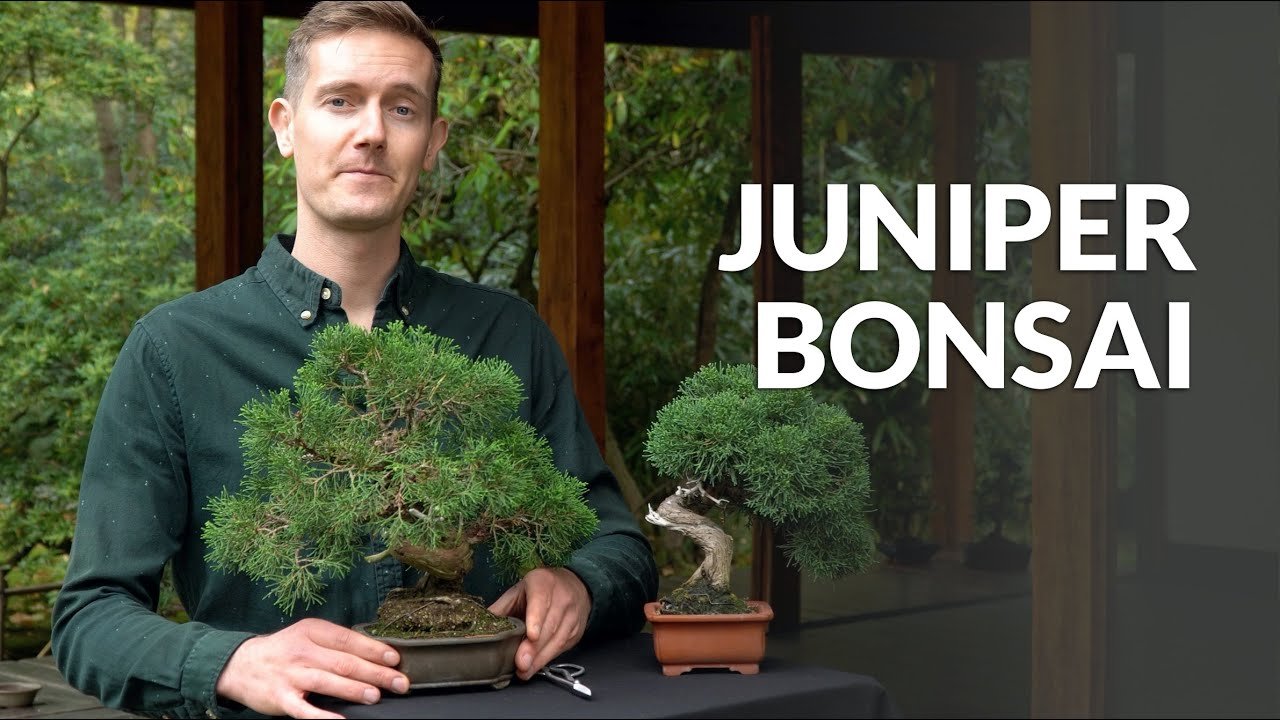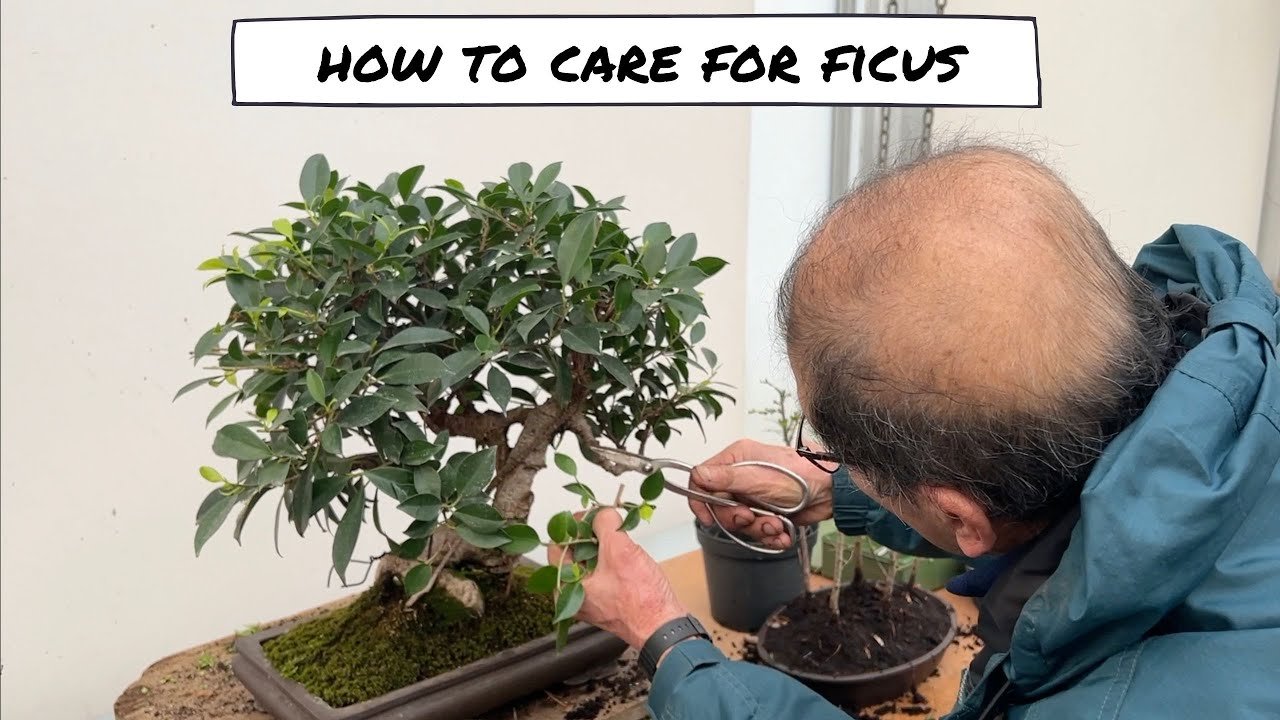
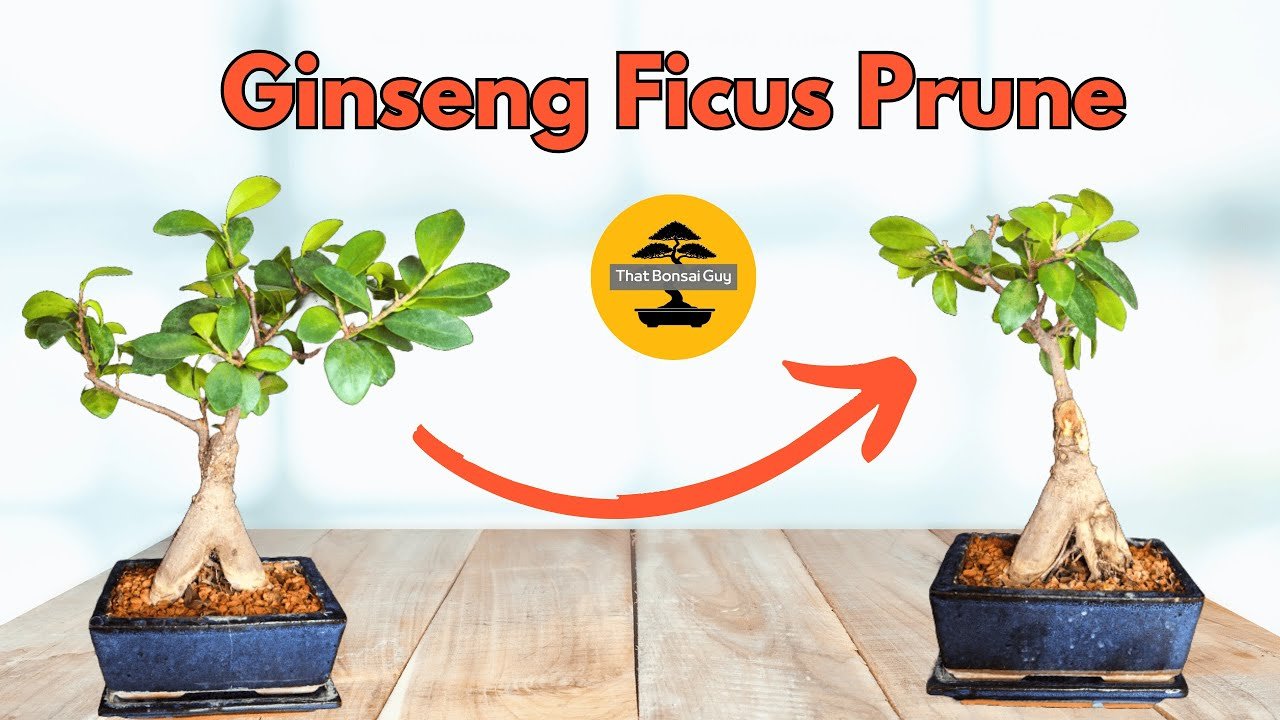
Are you ready to bring out the true beauty of your bonsai plant? Knowing how to trim a bonsai correctly can make all the difference in shaping its style and keeping it healthy.
Imagine your bonsai looking exactly the way you want—balanced, elegant, and full of life. This guide will show you simple, effective trimming techniques that anyone can follow. Keep reading, and you'll discover how a little care and the right cuts can transform your bonsai into a living work of art.

Credit: www.youtube.com
Choosing The Right Tools
Trimming a bonsai plant needs the right tools. Using proper tools helps keep the plant healthy.
Good tools make cutting easier and cleaner. This avoids damage to your bonsai.
Essential Bonsai Shears
Bonsai shears are sharp scissors made for small branches and leaves. They help make precise cuts.
Choose shears that fit your hand well. They should be easy to handle and strong enough to cut wood.
- Look for rust-resistant metal
- Choose a size that feels comfortable
- Keep blades sharp for clean cuts
Using Concave Cutters
Concave cutters cut branches close to the trunk. They leave a small hollow that heals fast.
These cutters help keep the bonsai shape neat. They are ideal for removing thick branches.
- Choose cutters with sharp, curved blades
- Use them for thick or old branches
- Cut close but avoid damaging the trunk
Tweezers And Wire Cutters
Tweezers remove small leaves, needles, or debris. They help clean hard-to-reach spots.
Wire cutters cut bonsai shaping wire. Use them carefully to avoid hurting the plant.
- Pick tweezers with fine, pointed tips
- Choose wire cutters with sharp edges
- Use tweezers for detailed work
- Use wire cutters only on shaping wire
Credit: medium.com
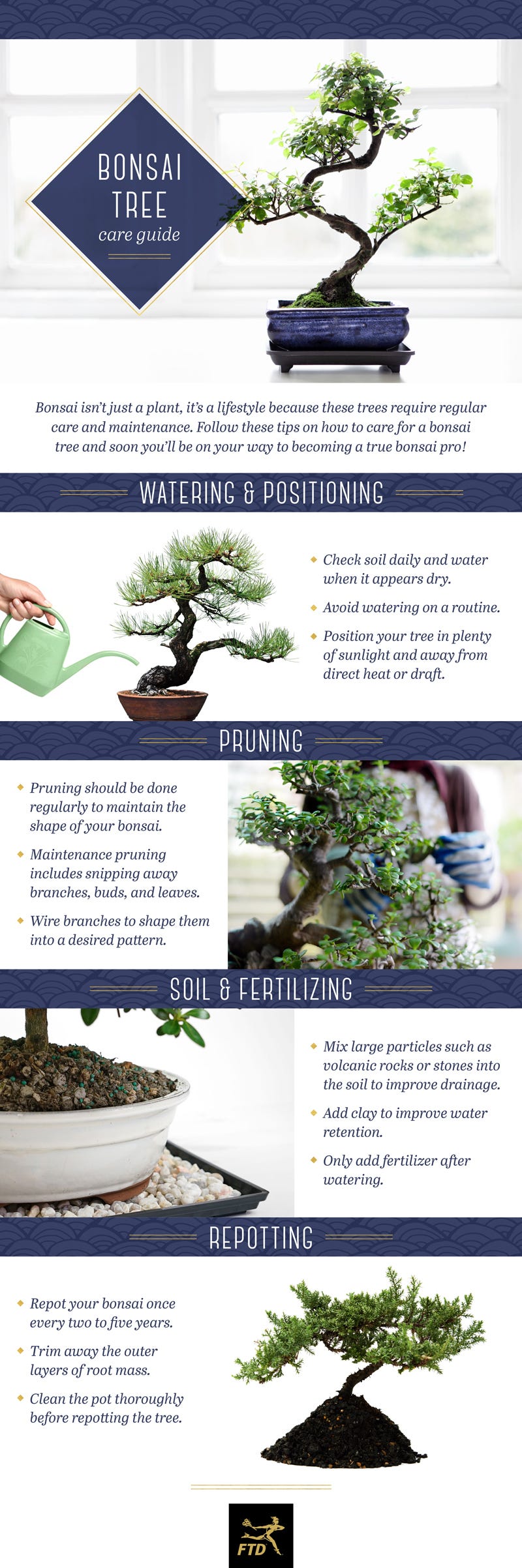
When To Trim Your Bonsai
Trimming your bonsai at the right time is important for its health. Cutting it too early or late can harm the tree.
Knowing when to trim helps keep your bonsai strong and beautiful. It also shapes the tree as you want.
Seasonal Timing
Most bonsai trees grow actively in spring and summer. These seasons are best for trimming new growth.
In fall and winter, many bonsai trees rest. Avoid heavy trimming during this time to prevent stress.
- Trim in early spring to shape new branches
- Light trimming in summer to control size
- Avoid major cuts in fall and winter
- Evergreens may need trimming year-round but with care
Signs Your Bonsai Needs Trimming
Watch your bonsai for signs it needs trimming. This keeps the tree healthy and attractive.
Overgrown branches and crowded leaves show it's time to trim. Also, look for weak or dead parts.
- Branches growing beyond the desired shape
- Leaves blocking sunlight to inner branches
- New shoots that look weak or long
- Dead or yellowing leaves and twigs
- Thick growth that hides the tree's structure
Basic Trimming Techniques
Trimming a bonsai plant helps keep it healthy and beautiful. It controls growth and shapes the tree.
Using the right trimming techniques will improve your bonsai's look and strength over time.
Pinching New Growth
Pinching removes soft, new growth with your fingers. This helps the bonsai focus energy on older branches.
Pinch just the tips of new shoots to keep the shape small and neat.
- Use your thumb and index finger to pinch off soft tips
- Do this regularly during the growing season
- Avoid cutting hard or woody parts when pinching
Removing Dead Or Unwanted Branches
Cut away dead or weak branches to help the plant stay healthy. This also improves air flow.
Remove branches that grow in the wrong direction or spoil the shape.
- Use sharp scissors or pruning shears
- Cut close to the branch base but avoid damaging the trunk
- Remove branches one at a time for better control
Maintaining Leaf Shape
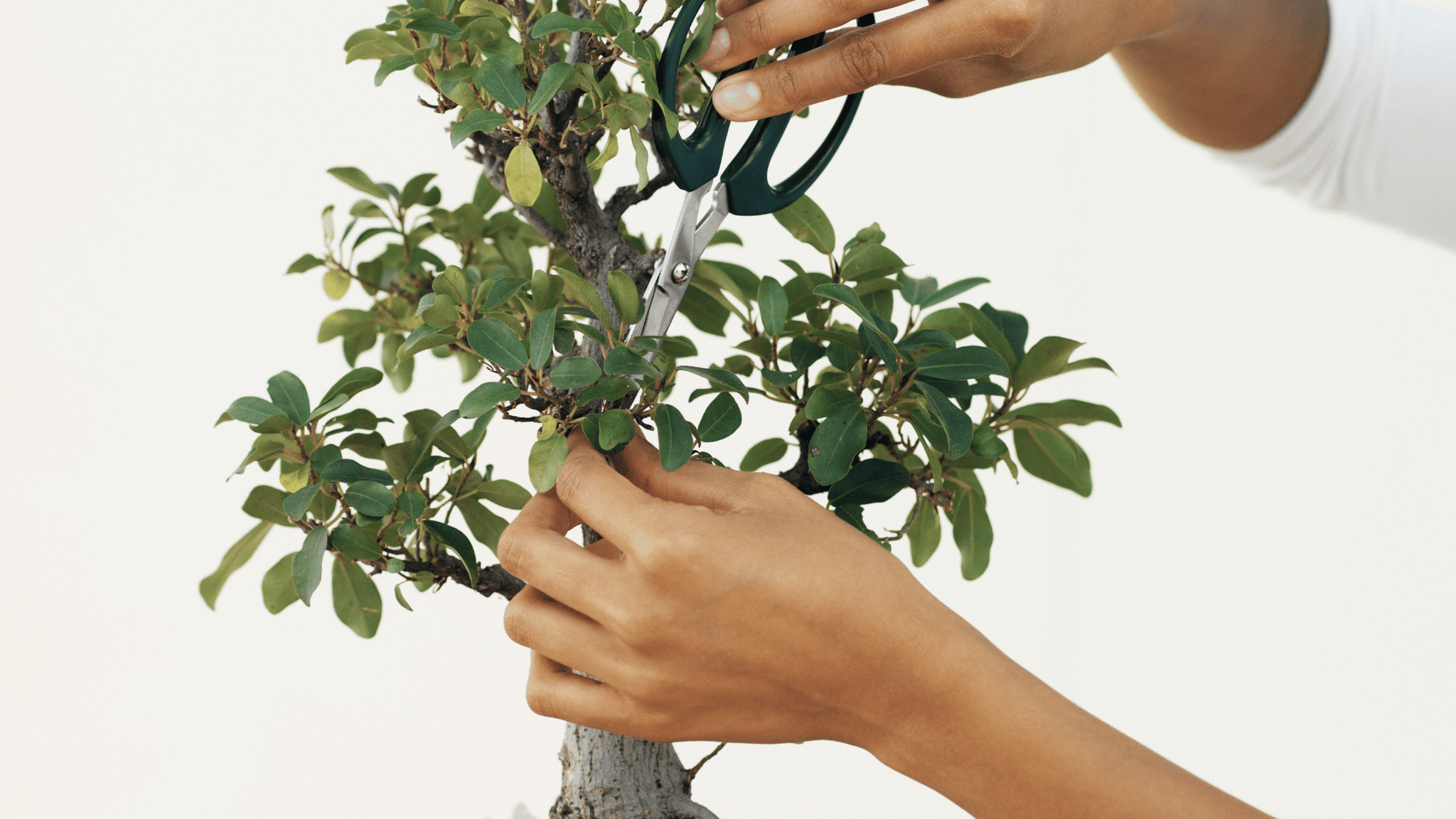
Trim leaves to keep the bonsai balanced and attractive. Small leaves fit the miniature look better.
Cut leaves with sharp scissors, focusing on uneven or large leaves.
- Trim leaves during the growing season
- Cut at the leaf stem, not the trunk
- Keep the overall leaf size consistent
Credit: www.tranquilplants.co.uk
Shaping Your Bonsai
Shaping a bonsai plant is an art that takes time and care. It helps your plant look natural and balanced.
Proper trimming guides the growth and shows the beauty of each branch and leaf.
Creating A Balanced Structure
Start by looking at the whole bonsai shape. The goal is to have a strong trunk and well-placed branches. This creates a natural, balanced look.
- Remove branches that cross or grow inward.
- Cut back long branches to keep the shape tight.
- Keep branches spaced evenly around the trunk.
- Thin out crowded areas to allow light and air to reach inner branches.
Encouraging Branch Ramification
Ramification means creating many small branches. This makes the bonsai look full and detailed.
| Technique | Purpose |
|---|---|
| Pinching new shoots | Promotes side branch growth |
| Pruning tips | Controls branch length and shape |
| Leaf trimming | Increases light to inner branches |
Using Wiring For Guidance
Wiring helps to bend and guide branches into the desired shape. It supports the structure while the branch grows.
Follow these wiring tips for best results:
- Use soft wire to avoid damage.
- Wrap the wire at a 45-degree angle around the branch.
- Do not wrap wire too tightly.
- Check wire regularly and remove it before it cuts into the bark.
Aftercare For Trimmed Bonsai
Trimming your bonsai is only part of the care process. Aftercare helps your bonsai recover and grow strong. Proper steps keep your plant healthy and vibrant.
Focus on watering, feeding, stress protection, and checking for pests. These practices support the bonsai's healing and growth after trimming.
Watering And Feeding
Trimmed bonsai need careful watering and feeding. Water the plant when the soil feels dry. Avoid overwatering to prevent root rot.
- Use clean, fresh water at room temperature.
- Feed with a balanced bonsai fertilizer every two weeks.
- Stop feeding if the plant shows stress signs.
- Reduce watering during cool or rainy days.
Protecting From Stress
Trimming can stress your bonsai. Protect it by placing the plant in a shaded, calm spot. Avoid strong winds and direct hot sun.
| Stress Factor | Protection Method |
| Strong sunlight | Move to partial shade |
| Wind | Place near a windbreak |
| Temperature shocks | Keep stable room temperature |
| Dry air | Use a humidity tray |
Monitoring For Pests And Diseases
Trimmed bonsai are vulnerable to pests and diseases. Check leaves and branches often. Early detection helps prevent damage.
- Look for spots, holes, or sticky residue on leaves.
- Remove any dead or infected parts immediately.
- Use natural insecticides if pests appear.
- Keep the bonsai area clean and free from debris.
Common Trimming Mistakes
Trimming a bonsai plant needs care and attention. Many people make mistakes that harm their plants.
Knowing the common errors helps keep your bonsai healthy and beautiful.
Over-trimming
Cutting too much can stress your bonsai. The tree needs leaves to make food and grow strong.
Remove only small amounts at a time. Over-trimming can cause slow growth or death.
Ignoring Tree Species Needs
Different bonsai species need different care. Some trees need more trimming than others.
Learn about your tree’s type before trimming. Treating all bonsai the same can cause damage.
Neglecting Tool Maintenance
Dull or dirty tools can harm your bonsai. They can cause tears or infections in branches.
Keep scissors and shears clean and sharp. Proper tools help make clean cuts and protect your tree.
Frequently Asked Questions
How Often Should I Trim My Bonsai Plant?
Trim your bonsai every 4 to 6 weeks during the growing season. Regular trimming encourages healthy growth and maintains shape. Avoid trimming in winter as growth slows down. Adjust frequency based on your bonsai species and growth rate for best results.
What Tools Are Best For Trimming Bonsai Plants?
Use sharp, clean bonsai scissors or shears for precise trimming. Avoid dull tools to prevent damage and infection. You may also need concave cutters for thicker branches. Proper tools ensure clean cuts and promote faster healing.
Can I Trim My Bonsai Plant Without Damaging It?
Yes, careful trimming won’t harm your bonsai if done correctly. Remove only 20-30% of new growth at a time. Avoid cutting large branches unless necessary. Always trim during active growth to help the plant recover quickly.
When Is The Best Time To Trim A Bonsai?
Trim bonsai during spring and early summer when growth is active. This timing helps the plant heal and develop new shoots. Avoid heavy pruning in fall or winter to prevent stress and damage.
Conclusion
Trimming a bonsai plant is an art. It requires patience and care. Begin by observing your plant closely. Notice its shape and growth patterns. Use sharp tools for clean cuts. This helps in healthy regrowth. Remember, less is more. Trim gradually to avoid mistakes.
Regular maintenance is key. It keeps your bonsai healthy and beautiful. Practice makes perfect. Enjoy the process and connect with nature. Your bonsai will thrive with your attention. Happy trimming!