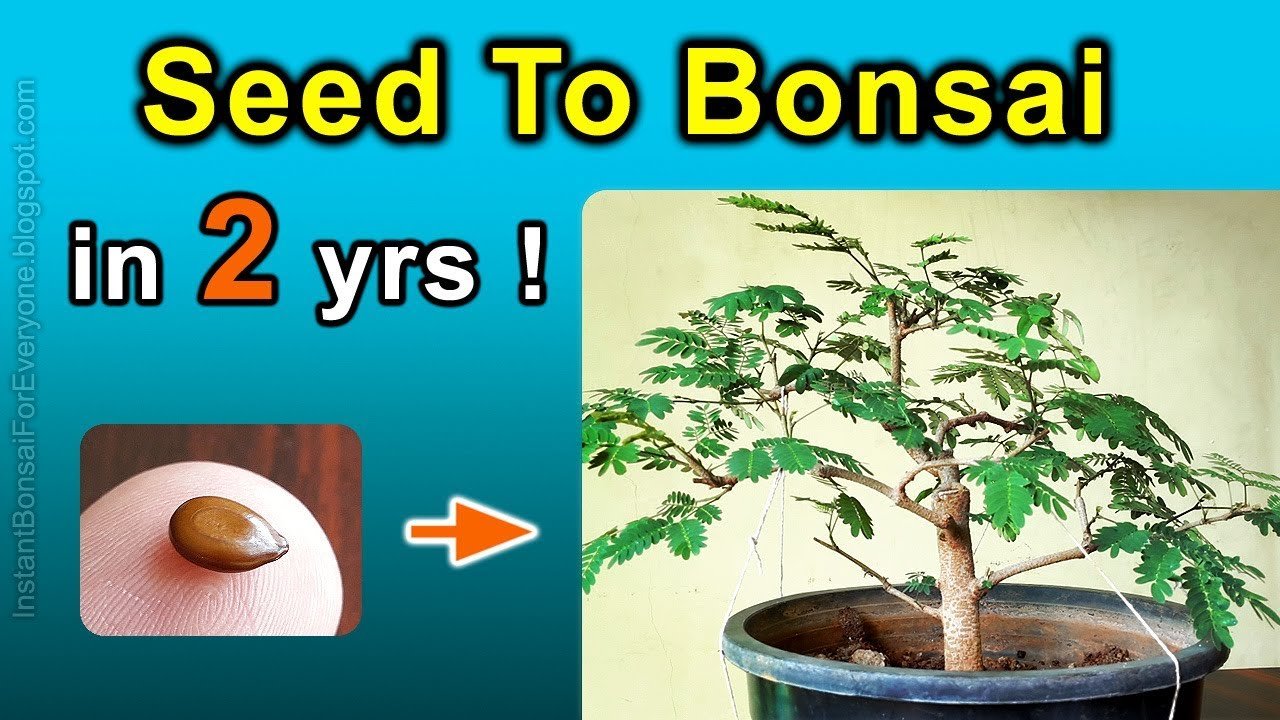
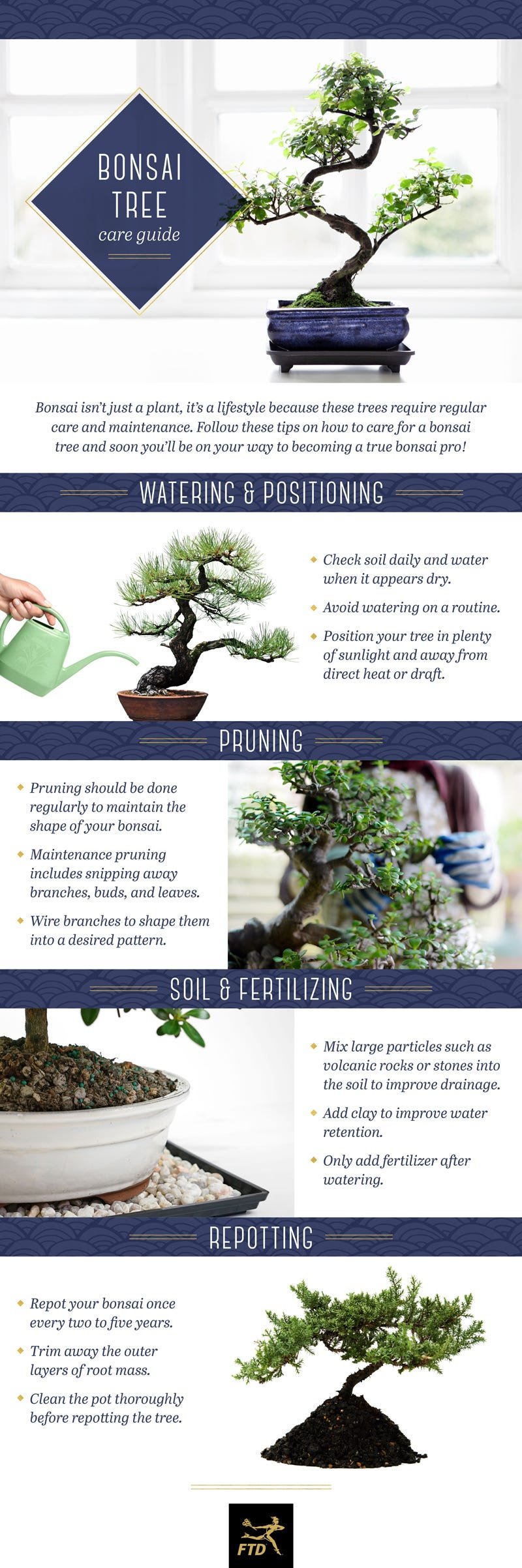
Imagine having a tiny tree, perfectly shaped and sitting right in your living room. That's the magic of owning a bonsai tree.
But to keep that magic alive, you need to know how to trim it properly. Do you ever feel unsure about where to start or worry about making a mistake? You're not alone. Many people find the idea of trimming a bonsai tree daunting.
Yet, with a few simple tips, you can transform this task into a peaceful, rewarding activity. You'll not only keep your bonsai healthy but also discover a calming ritual that adds beauty to your space. Curious about how to get started? Stick around, and you'll learn just what you need to make your bonsai thrive.

Credit: www.youtube.com
Choosing The Right Tools
Trimming a bonsai tree needs the right tools for good results. Using proper tools helps keep your tree healthy. It also makes the work easier and safer.
In this guide, you will learn about essential shears, other trimming tools, and how to keep them sharp and clean.
Essential Bonsai Shears
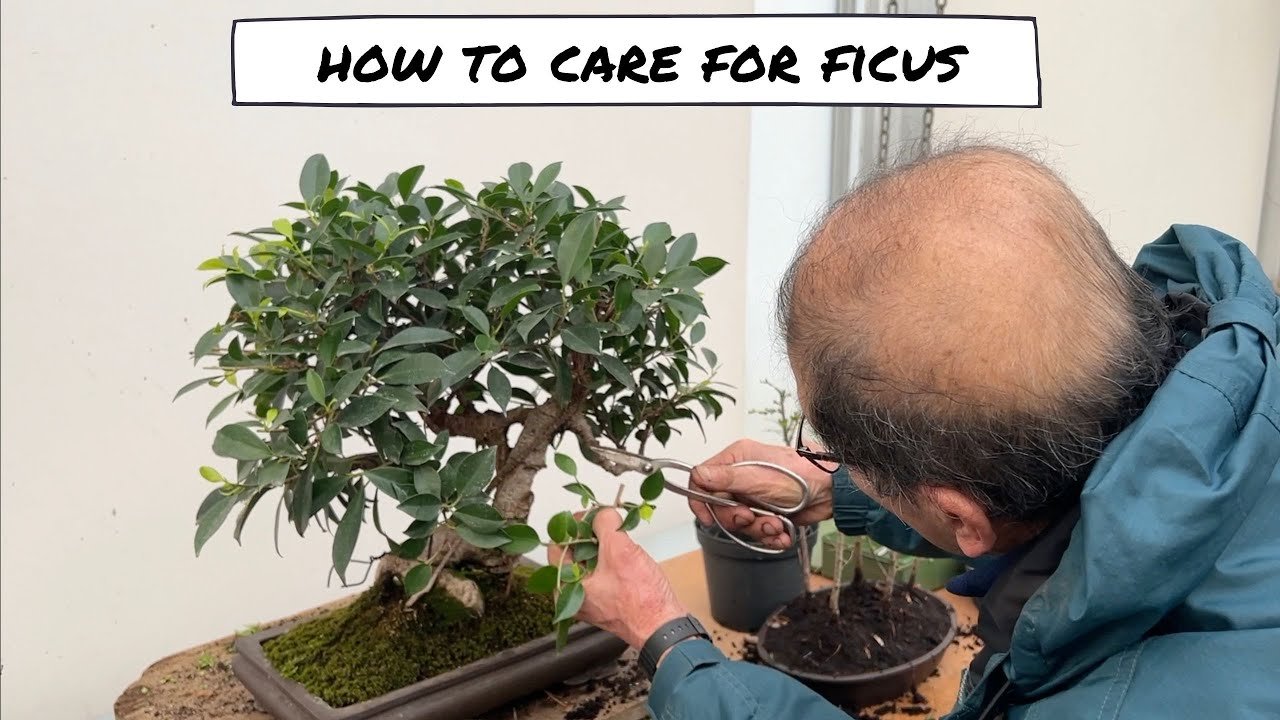
Bonsai shears are the main tools for trimming small branches and leaves. They are sharp and designed for precise cuts. Choose shears that fit your hand well to avoid strain. In addition to bonsai shears, it’s also beneficial to familiarize yourself with pole saw basics and features for reaching higher branches. These tools allow for greater access while providing a clean cut, essential for maintaining the health of your bonsai. Always ensure your tools are well-maintained to achieve the best results.
- Look for stainless steel blades to prevent rust.
- Choose shears with a comfortable handle grip.
- Pick a size that matches your bonsai tree size.
- Check that the blades close tightly for clean cuts.
Additional Trimming Tools
Besides shears, other tools help with trimming thicker branches or shaping your bonsai. These include concave cutters, scissors, and wire cutters.
| Tool | Use | Tip |
|---|---|---|
| Concave Cutter | Removes thick branches cleanly | Cut close to trunk for quick healing |
| Bonsai Scissors | Trims leaves and small twigs | Use sharp blades for neat cuts |
| Wire Cutters | Snips training wires without damage | Cut wire flush to avoid injury |
Tool Maintenance Tips
Keeping your tools clean and sharp helps your bonsai grow better. Dull tools can damage branches and cause disease.
- Clean blades after each use with a soft cloth.
- Remove sap and dirt using rubbing alcohol.
- Sharpen blades regularly with a whetstone.
- Oil metal parts to prevent rust.
- Store tools in a dry place.
When To Trim Your Bonsai
Trimming a bonsai tree helps keep its shape and health. Knowing the right time to trim is very important.
Trimming at the wrong time can harm the tree. Learn about the best seasons and signs for trimming your bonsai.
Seasonal Timing
Spring and summer are the best seasons to trim most bonsai trees. The tree grows actively during these times.
Trimming in early spring before new growth starts is ideal. Avoid trimming in late fall or winter when the tree is resting.
- Spring: Trim to shape new growth
- Summer: Maintain shape and remove excess growth
- Fall and Winter: Avoid heavy trimming
Signs Your Bonsai Needs Trimming
Your bonsai needs trimming when branches grow too long or thick. Overgrown branches can block light and air.
Look for these signs that show it is time to trim your bonsai:
- Branches extend past the desired shape
- New shoots grow quickly and look messy
- Leaves block each other, reducing light
- Tree looks unbalanced or crowded
- Dead or damaged branches appear
Basic Trimming Techniques
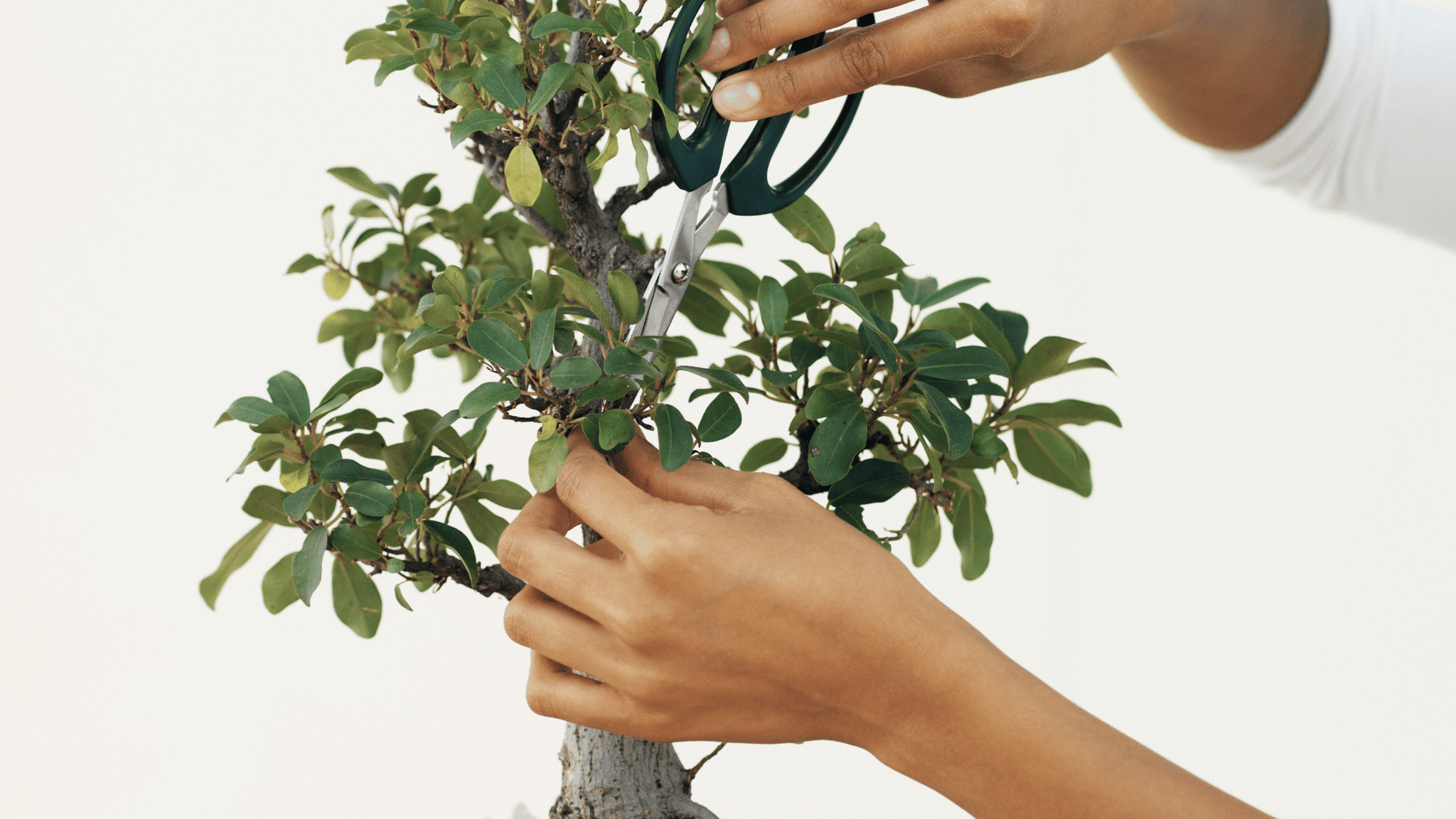
Trimming a bonsai tree helps keep its shape and health. It controls growth and encourages new shoots.
Learn simple trimming ways to care for your bonsai. Use the right technique for the best results.
Pinching Vs Cutting
Pinching removes small new growth with fingers. It keeps the tree delicate and neat.
Cutting uses scissors or shears to remove bigger branches. It shapes the tree and controls size.
- Pinching is gentle and controls small shoots.
- Cutting is stronger and trims thick branches.
- Use pinching to keep fine detail and softness.
- Use cutting to shape and remove unwanted parts.
Removing Dead Or Overgrown Branches
Dead branches take energy from the bonsai. Removing them helps the tree stay healthy.
Overgrown branches can ruin the bonsai shape. Trim them to keep balance and beauty.
- Look for dry or dark branches to remove.
- Cut overgrown branches close to the trunk.
- Use sharp tools to avoid damage.
- Clean cuts heal faster and reduce infection.
Advanced Shaping Methods
Trimming a bonsai tree goes beyond simple pruning. Advanced shaping helps you create a beautiful, natural look. These methods shape branches and balance the tree.
This guide covers wiring for structure, creating branch layers, and keeping the tree balanced. Each step improves the bonsai’s style and health.
Wiring For Structure
Wiring helps guide branches into the right shape. Use soft wire that won’t damage the bark. Wrap the wire gently around branches to hold them in place.
Check the wires often. Remove them before they cut into the bark. Wiring lets you create curves and angles for a natural look.
- Choose wire that fits branch thickness
- Wrap wire at a 45-degree angle
- Support weak branches with extra wire
- Remove wire after 6-8 weeks
Creating Branch Layers
Layering branches adds depth and complexity. Cut some branches shorter to make layers. This shows the tree’s shape clearly.
Keep lower branches longer and upper branches shorter. This creates a natural taper. Remove crowded branches to allow light and air.
- Trim branches to different lengths
- Space branches evenly around the trunk
- Remove branches that cross or crowd
- Keep layers visible from all sides
Maintaining Proportion And Balance
Good bonsai looks balanced and in proportion. The trunk, branches, and leaves should fit well together. Avoid making one part too large or small.
Trim branches to keep the shape even. Watch the tree from different angles. Adjust as needed to keep the bonsai stable and pretty.
- Keep trunk thickness in balance with branches
- Trim leaves to control size and density
- Shape the tree so it looks stable
- Check the tree’s shape regularly
Common Mistakes To Avoid
Trimming a bonsai tree takes care and skill. Many beginners make mistakes that hurt their trees.
Knowing what to avoid helps your bonsai stay healthy and beautiful. Here are common mistakes to watch out for.
Over-trimming
Cutting too much leaves your bonsai weak. It needs leaves to make food through sunlight.
- Do not remove more than 30% of the foliage at once.
- Avoid cutting all new growth in one session.
- Keep some leaves to protect branches and roots.
- Trim slowly over time instead of all at once.
Ignoring Tree Health
Healthy bonsai trees grow better after trimming. If the tree is sick, trimming can cause stress.
| Signs of Poor Health | Why Avoid Trimming |
| Yellowing leaves | Tree is weak and may not recover well |
| Soft or rotting roots | Risk of infection and damage increases |
| Wilting or dry branches | Tree lacks energy for new growth |
Wrong Timing
Trimming at the wrong time can stop your bonsai from growing well or cause damage.
- Best:Early spring or late summer when growth is active
- Worst:Winter or during extreme heat
Credit: www.tranquilplants.co.uk
Post-trimming Care
After trimming your bonsai tree, it needs extra care to stay healthy. Proper care helps it recover and grow strong.
Pay close attention to watering, protecting, and watching its growth. These steps keep your bonsai happy after trimming.
Watering And Fertilizing
Water your bonsai regularly but avoid overwatering. The soil should stay moist, not soggy.
Feed your bonsai with balanced fertilizer. Use a gentle formula to support new growth after trimming.
- Check soil moisture daily
- Water when the topsoil feels dry
- Use fertilizer every 4-6 weeks during growing season
- Reduce feeding in winter months
Protecting Your Bonsai
Keep your bonsai safe from strong sun and wind after trimming. These can stress the tree.
Place your bonsai in a shaded spot for a few days. Avoid sudden temperature changes to help recovery.
- Move bonsai to a sheltered area
- Use shade cloth if needed
- Keep away from cold drafts or heat sources
- Handle the tree gently when moving
Monitoring Growth
Watch your bonsai for new leaves and healthy branches. This shows it is recovering well.
Check for signs of pests or diseases. Early detection helps keep your bonsai healthy.
- Look for fresh green leaves
- Inspect branches for damage
- Remove any dead or yellow leaves
- Treat pests quickly if found
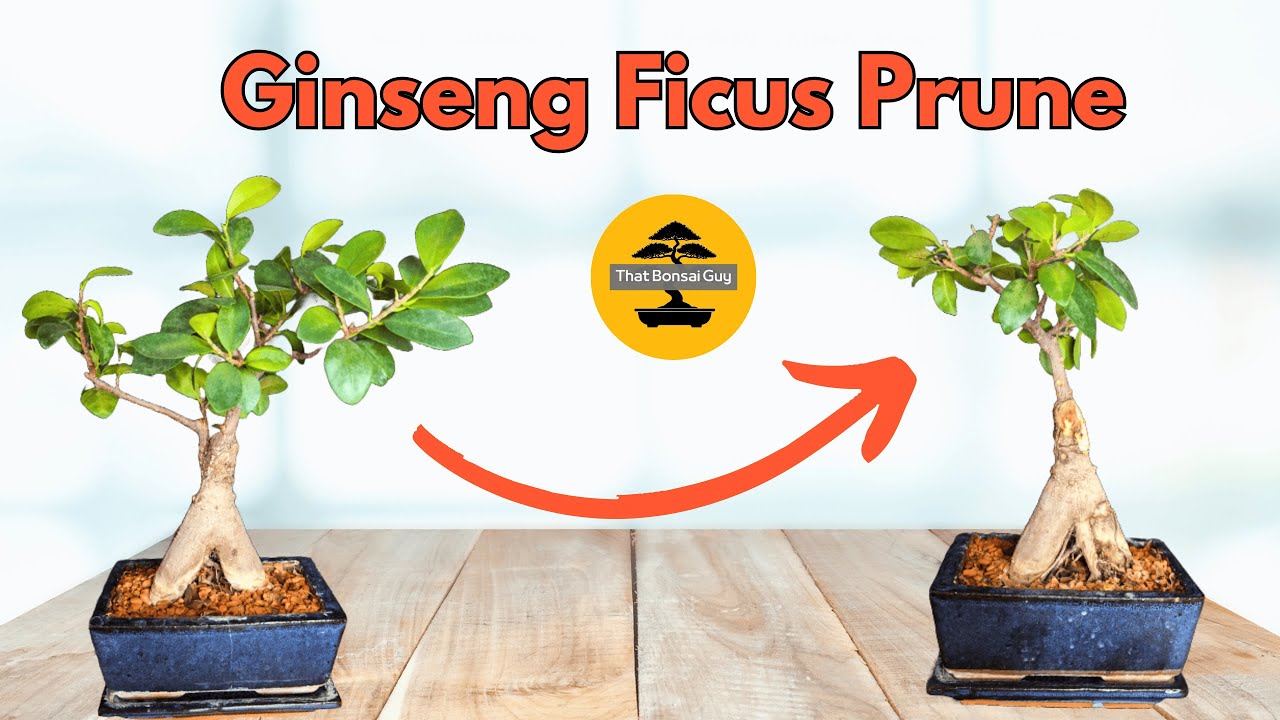
Credit: www.youtube.com
Frequently Asked Questions
How Often Should I Trim My Bonsai Tree?
Trim your bonsai tree every 4 to 6 weeks during the growing season. Regular trimming maintains its shape and promotes healthy growth. Avoid trimming in winter to prevent stress on the tree.
What Tools Are Best For Trimming Bonsai Trees?
Use sharp, clean bonsai shears or scissors for precise cuts. Concave cutters help remove branches smoothly. Avoid dull tools to prevent damage and infection.
Can I Trim All Bonsai Tree Types The Same Way?
No, different bonsai species require specific trimming techniques. Research your bonsai type to understand its growth habits and trimming needs. Tailoring your approach ensures better health and aesthetics.
When Is The Best Time To Trim A Bonsai Tree?
The best time to trim is during early spring or late summer. This timing supports recovery and encourages new growth. Avoid trimming during dormancy or extreme heat.
Conclusion
Trimming a bonsai tree keeps it healthy and beautiful. Use sharp tools and trim carefully. Cut small branches to shape the tree well. Watch your tree grow stronger with each trim. Keep practicing to improve your skills slowly. Enjoy the peaceful art of bonsai trimming.
Your tree will thank you with lovely growth. Stay patient and care for your bonsai daily. Small steps make a big difference over time. Happy trimming and happy growing!