Have you ever wondered what green bean seedlings look like when they first sprout? If you’re starting your own garden or just curious about these common plants, knowing how to identify healthy seedlings is key.
Recognizing the early signs can help you take better care of your beans and boost your chances of a successful harvest. Keep reading, and you’ll discover exactly what to look for, so you can confidently watch your green beans grow from tiny seedlings to thriving plants.
Credit: medium.com
Seed Germination Stage
Green bean seedlings start their life underground inside a seed. Germination is the first stage where the seed begins to grow. This process changes the seed from a resting state to an active young plant.
During germination, you can observe changes in the seed coat and the sprout. These changes show the seed is alive and growing.
Appearance Of Seed Coat
The seed coat is the outer shell that protects the green bean seed. At the start, it looks smooth and hard. It usually has a brown or tan color.
As water enters the seed, the seed coat softens. It may swell and crack. This lets the sprout break through the shell.
- Initial color: brown or tan
- Texture: smooth and hard
- Changes: softens and cracks
- Purpose: protect the seed inside
Initial Sprout Emergence
The sprout is the first sign of life inside the seed. It starts as a small white root called the radicle. This root grows down into the soil.
After the root appears, a tiny stem called the hypocotyl begins to grow upward. The sprout is very delicate at this stage.
- First part: white root (radicle)
- Root grows down into soil
- Next part: tiny stem (hypocotyl)
- Sprout is small and fragile
Cotyledon Development
Green bean seedlings start their life with cotyledons. These are the first leaves that appear. They help the seedling grow by giving it nutrients.
Cotyledons look different from true leaves. They show the early stage of the seedling's growth and protect the young plant.
Shape And Color Of Cotyledons
Cotyledons of green bean seedlings are smooth and oval-shaped. They look thick and fleshy compared to the true leaves.
The color is usually light green. Sometimes, they have a slight yellow tone at the edges before turning fully green.
- Oval shape with smooth edges
- Thicker than regular leaves
- Light green color
- May have yellow edges early on
Position And Orientation
Cotyledons grow opposite each other on the stem. They stand upright and open wide to catch sunlight.
They stay close to the stem at first. As the seedling grows, cotyledons spread out to support early photosynthesis.
- Opposite placement on the stem
- Stand upright when young
- Open wide to absorb sunlight
- Close to stem at first, then spread out
First True Leaves
Green bean seedlings start with tiny leaves called cotyledons. After these, the first true leaves appear. These leaves show the plant’s real leaf shape.
The first true leaves help the plant make food through photosynthesis. They grow bigger and have a different look than cotyledons.
Differences From Cotyledons
Cotyledons are the seed leaves. They come out first and help the seedling grow. The first true leaves come after and look different.
True leaves are thinner and have veins. Cotyledons are rounder and thicker. This change shows the seedling is growing strong.
- Cotyledons are thick and simple
- True leaves are thinner and veined
- True leaves help with photosynthesis
- Cotyledons store food for the seedling
Leaf Shape And Texture
The first true leaves of green beans are oval and pointed at the tip. They are smaller than adult leaves but bigger than cotyledons.
The surface of these leaves feels smooth. They have visible veins running through them. This helps carry water and nutrients.
- Oval shape with pointed tips
- Smooth texture on the surface
- Clear veins visible on the leaves
- Smaller than mature leaves but larger than cotyledons
Stem Characteristics
Green bean seedlings have distinct stem features. These features help identify the plant early.
The stem is an important part of the seedling. It supports the leaves and helps the plant grow.
Color And Thickness
The stem color of green bean seedlings is usually light green. It may darken as the plant grows older.
The thickness of the stem is thin but sturdy. It is strong enough to hold the seedling upright.
- Light green color when young
- Stem becomes slightly thicker with age
- Firm but flexible texture
Growth Direction
The stem grows straight upwards toward the light. This helps the seedling get enough sunlight.
As the seedling grows, the stem may start to lean or twist slightly. This depends on the light source.
- Grows vertically in early stages
- May lean toward light sources
- Supports leaves as they spread out
Root System Appearance
Green bean seedlings have a simple but important root system. The roots help the seedling get water and nutrients from the soil. Understanding the root system can help you care for the young plants better.
The root system mainly consists of a primary root and smaller lateral roots. These parts grow as the seedling develops and support its early growth.
Primary Root Growth
The primary root is the first root that appears from the seed. It grows straight down into the soil. This root is thick and strong to anchor the plant.
As the seedling grows, the primary root gets longer. It helps the plant reach deeper water and nutrients. The root tip is delicate and grows quickly.
Emerging Lateral Roots
Small lateral roots start to grow from the sides of the primary root. They spread out horizontally in the soil. These roots increase the surface area for water and nutrient absorption.
Lateral roots are thinner than the primary root. They help the seedling stay stable in the soil. Healthy lateral roots show the seedling is growing well.

Credit: www.shutterstock.com
Common Early Growth Variations
Green bean seedlings show different growth patterns in their early stages. These variations are normal and can help gardeners understand the plant's health.
Observing the seedlings closely helps spot signs of strong growth or early problems. Knowing what to look for makes caring easier.
Signs Of Healthy Growth
Healthy green bean seedlings have bright green leaves and strong stems. They grow upright and show steady development.
Leaves are smooth and free from spots or holes. The seedlings should have a fresh, vibrant look with no wilting.
- Bright green, smooth leaves
- Firm and upright stems
- Even, steady growth rate
- No yellowing or browning
Indicators Of Stress Or Disease
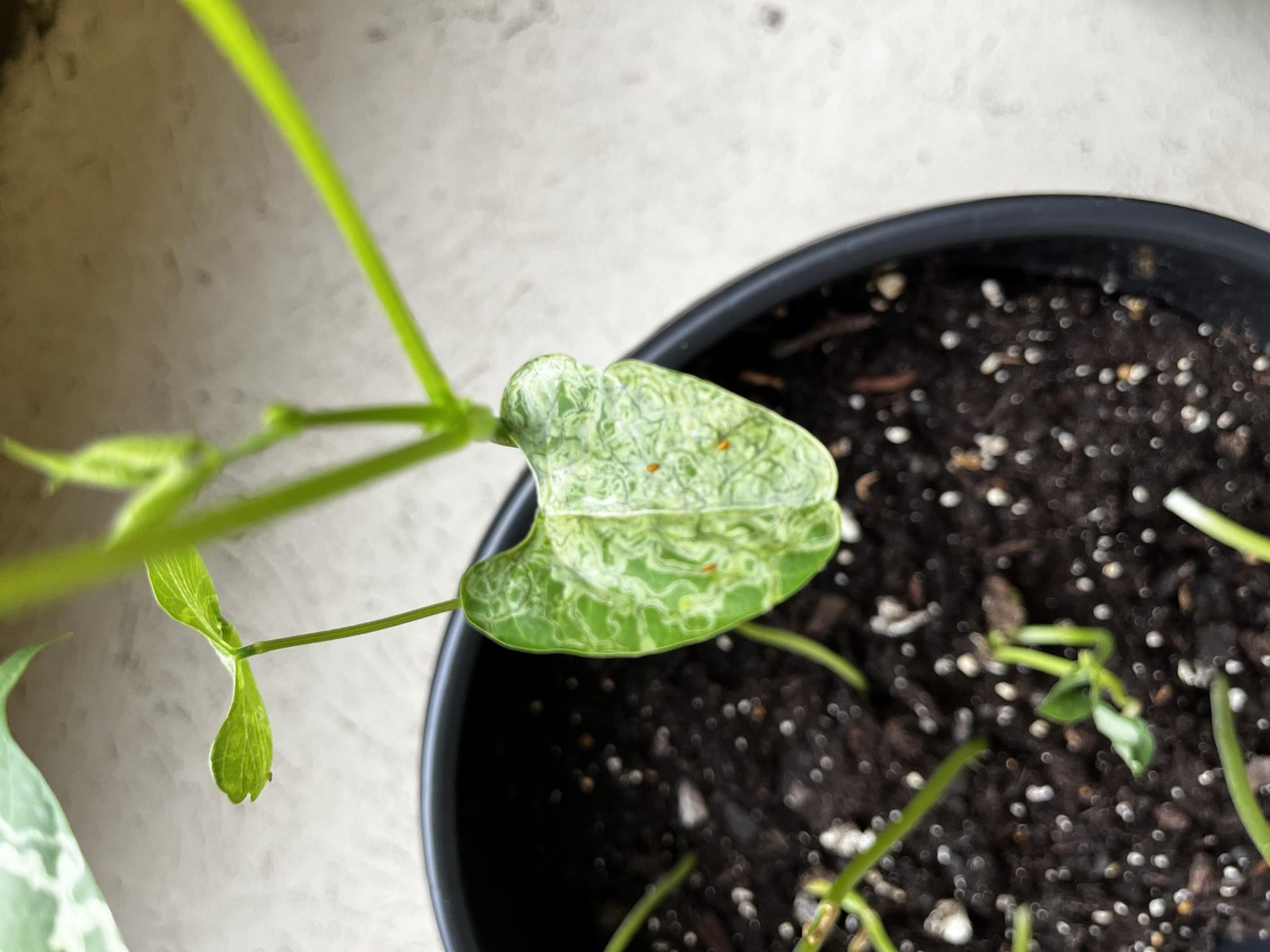
Seedlings under stress may show curled or yellow leaves. Brown spots or holes can signal pests or disease problems.
Wilting or slow growth also points to issues like poor watering or bad soil. Early detection helps save the plants.
- Yellowing or browning leaves
- Leaf curling or spots
- Wilting or drooping stems
- Slow or uneven growth
Tips For Monitoring Seedling Health
Green bean seedlings are small plants that need care to grow strong. Watching their health helps you find problems early.
Check seedlings often for signs of good growth or problems. This helps you fix issues before they get worse.
Optimal Light And Water Conditions
Green bean seedlings need enough light to grow tall and green. Too little light makes them weak and pale.
Water the seedlings regularly but do not soak the soil. Too much water causes root rot. Too little water makes leaves wilt.
- Place seedlings where they get 6-8 hours of sunlight daily
- Keep soil moist but not soggy
- Water in the morning to prevent mold growth
- Use well-draining soil to avoid water buildup
Identifying Nutrient Deficiencies
Seedlings need nutrients like nitrogen, phosphorus, and potassium. Lack of these nutrients shows in leaf color and shape.
Yellow leaves often mean nitrogen is low. Purple or dark leaves can show phosphorus shortage. Weak stems may mean potassium is missing.
| Nutrient | Signs of Deficiency |
|---|---|
| Nitrogen | Yellow leaves, slow growth |
| Phosphorus | Purple leaves, dark green color |
| Potassium | Weak stems, brown leaf edges |
:max_bytes(150000):strip_icc()/GettyImages-880099946-139463c7fb224d7b8bea83b41b0903ff.jpg)
Credit: www.thespruce.com
Frequently Asked Questions
What Do Green Bean Seedlings Look Like?
Green bean seedlings are small, with two heart-shaped cotyledons. They have slender stems and tiny true leaves. As they grow, their leaves become trifoliate, with a vibrant green color. The early stage is crucial for their development.
How Long Do Green Bean Seedlings Take To Sprout?
Green bean seedlings typically sprout within 7 to 10 days. This period may vary slightly based on temperature and soil conditions. Warmer climates and well-drained soil can accelerate the process. Consistent moisture also promotes faster germination.
What Are The First Leaves On Green Bean Seedlings?
The first leaves on green bean seedlings are cotyledons. These are rounded and differ from true leaves. Cotyledons provide initial nutrients to the seedling. As the plant develops, trifoliate true leaves emerge, signifying growth.
How Do You Care For Green Bean Seedlings?
Caring for green bean seedlings involves regular watering and adequate sunlight. Ensure well-drained soil to prevent waterlogging. Maintain consistent moisture without overwatering. Provide support as they grow taller, such as stakes or trellises, for optimal growth.
Conclusion
Green bean seedlings have small, smooth, oval leaves. They start bright green and grow quickly. The stems are thin but strong. Watching them grow helps you know when to water and care. Healthy seedlings mean a good harvest later. Keep an eye on their color and shape.
This helps prevent problems early on. Growing green beans is simple and rewarding. Enjoy the process and happy gardening!