Imagine trimming those high branches in your garden without a ladder. Sounds convenient, right?
That's where a pole saw comes in. If you've ever found yourself frustrated with overgrown trees or hard-to-reach limbs, you’re not alone. Many homeowners face the same challenge, and the solution is simpler than you might think. A pole saw could be the game-changer you need to maintain your garden effortlessly.
But what exactly is a pole saw? And why should you consider having one in your tool shed? In this guide, you'll discover all the essential details about pole saws, helping you decide if it's the right tool for your gardening needs. Get ready to transform your garden maintenance routine into something surprisingly simple and efficient.

Credit: www.seesiius.com
Pole Saw Basics
Understanding pole saw basics is essential for yard work enthusiasts. These handy tools help trim trees and maintain gardens. They extend your reach and make cutting branches easier. Let's explore what makes a pole saw a must-have tool.
Definition And Purpose
A pole saw is a saw attached to an extended pole. It helps cut branches too high to reach. Its primary purpose is pruning trees without a ladder. This tool improves safety and efficiency in garden tasks.
Components And Design
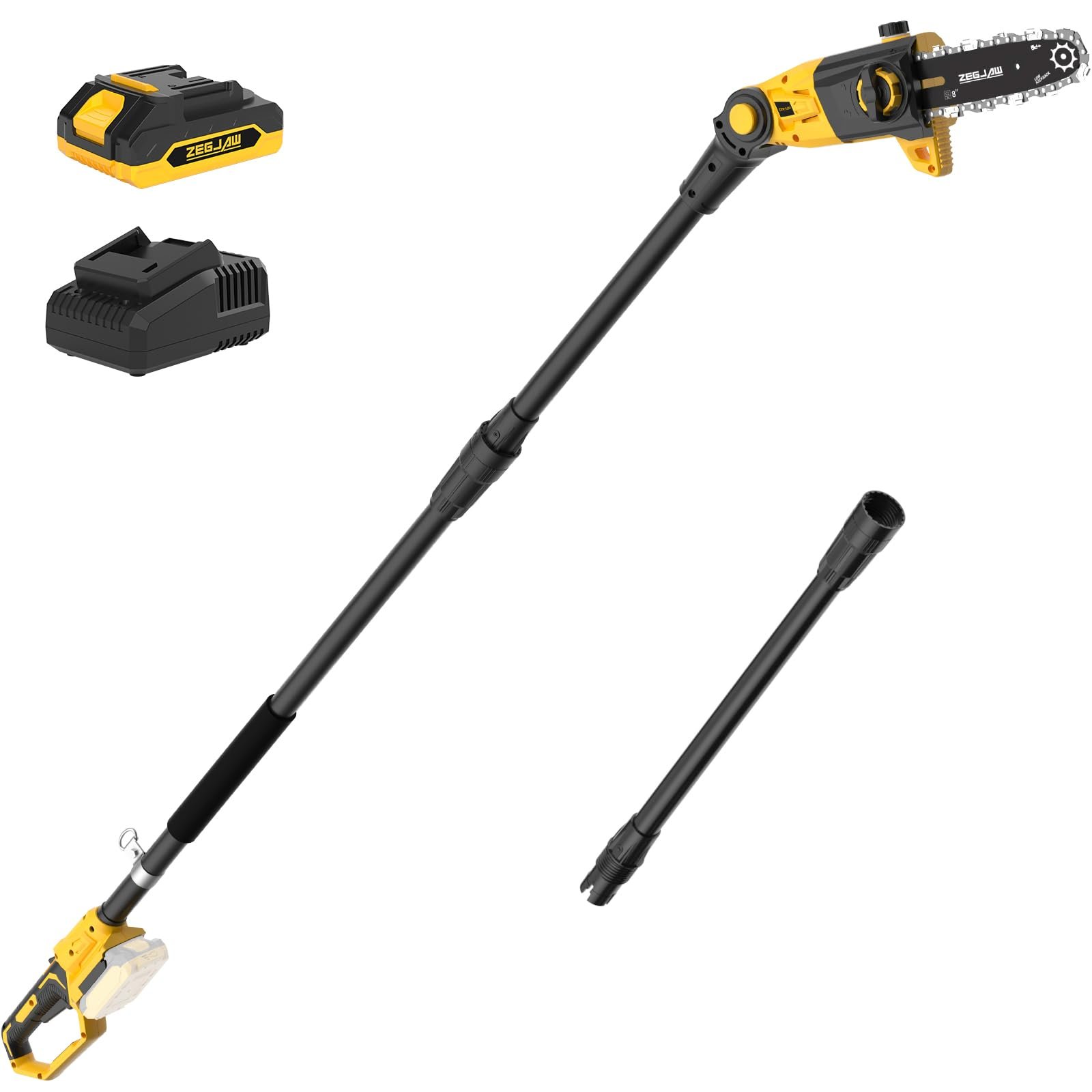
Most pole saws consist of three main parts. The pole, the saw, and the power source. The pole is typically adjustable, providing different lengths. The saw is often a small chainsaw or a pruning saw. Power sources vary, including gas, electric, or battery options.
The design prioritizes ease of use. Lightweight materials reduce fatigue during operation. Ergonomic handles enhance grip and control. A well-designed pole saw offers balance and stability. This allows precise cutting and efficient pruning.
Types Of Pole Saws
Pole saws are essential tools for trimming tall branches. They provide the reach and power needed for efficient tree maintenance. Various types of pole saws cater to different needs. Let's explore the main types available.
Manual Pole Saws
Manual pole saws are the simplest type. They rely on human effort to cut branches. Lightweight and easy to handle, they are perfect for small jobs. Their simplicity makes them affordable. No fuel or electricity required.
Electric Pole Saws
Electric pole saws run on power from an outlet. They offer consistent cutting power. Ideal for residential use with access to electricity. They are quieter than gas models. Maintenance is low, making them user-friendly.
Gas-powered Pole Saws
Gas-powered pole saws are powerful and robust. They are suitable for heavy-duty tasks. Great for large properties with no power access. They can run longer without stopping. Noise and emissions can be a downside.
Cordless Pole Saws
Cordless pole saws offer convenience and mobility. They run on rechargeable batteries. Perfect for areas without power outlets. Lightweight and easy to maneuver. Battery life can limit continuous use. Keep spare batteries handy.
Choosing The Right Pole Saw
A pole saw is a tool used for trimming branches and pruning trees. It features a long handle with a saw attached at the end. This design allows you to reach high branches without needing a ladder.
Choosing the right pole saw can be challenging. With many options available, it's crucial to find one that suits your needs. Factors like tree size, power requirements, weight, and balance play a significant role.
Assessing Tree Size And Type
Different trees require different tools. Small trees may need a lightweight saw. Larger trees need a more powerful tool. Consider the type of wood. Hardwoods might require more robust saws. Knowing your tree type helps in selecting the appropriate saw.
Evaluating Power Needs
Power is important for efficient cutting. Electric pole saws are quieter. They are suitable for small to medium trees. Gas-powered saws offer more power. They are ideal for larger trees and tough wood. Choose based on your cutting frequency and tree size.
Considering Weight And Balance
Weight affects ease of use. Lighter saws are easier to handle. They reduce fatigue during extended use. Balance is crucial for stability. A well-balanced saw provides better control. It improves safety and efficiency. Ensure the saw feels comfortable in your hands.
Safety Tips For Tree Trimming
A pole saw is a handy tool for trimming trees safely. It helps reach high branches without a ladder, reducing fall risks. Always wear protective gear and ensure the saw is in good condition before starting.
Tree trimming can be a rewarding activity, but it comes with its fair share of risks. A pole saw is an excellent tool for reaching high branches without the need for a ladder, yet its safe operation requires careful consideration. Ensuring your safety while using a pole saw starts with understanding the essential precautions and best practices.
Protective Gear Essentials
Wearing the right gear is crucial. Always wear sturdy gloves to protect your hands from cuts and blisters. Safety goggles are a must to shield your eyes from flying debris. A helmet can prevent head injuries from falling branches. Consider wearing steel-toed boots for foot protection. These items create a barrier between you and potential hazards, allowing you to focus on the task at hand.
Safe Operating Practices
Before starting, check your pole saw for any damage or loose parts. Make sure the chain is sharp and properly tensioned. Keep both hands on the saw and maintain a firm grip. Stand on stable ground and avoid overreaching. Position yourself at a safe distance from the branch you are cutting. Familiarize yourself with the saw's controls and emergency stop function. Proper handling reduces the risk of accidents and enhances efficiency.
Avoiding Common Hazards
Be aware of your surroundings. Avoid trimming near power lines or during windy conditions. Look out for dead or weak branches that might fall unexpectedly. Clear the area of people and pets before starting. Take breaks to prevent fatigue, which can lead to mistakes. What precautions do you take to ensure your safety when trimming trees? Identifying potential hazards beforehand can save you from unfortunate incidents.
Maintenance And Care
A pole saw is a tool for trimming trees and branches. Regular maintenance ensures it works efficiently and safely. Clean the chain after use and check for any damage or wear.
Maintaining and caring for your pole saw is crucial for its longevity and performance. Regular upkeep not only ensures that your tool is safe to use but also saves you from costly repairs. Have you ever found yourself stuck with a dull blade halfway through trimming? Proper maintenance can help you avoid such frustrating situations.
Cleaning And Storage
After each use, remove any debris from the blade and chain to prevent rust and wear. A clean pole saw is a happy pole saw, so make it a habit to wipe it down with a damp cloth. Store your pole saw in a cool, dry place. Avoid leaving it in direct sunlight or damp areas, which can damage the materials over time. Consider using a cover or case to protect it from dust and moisture.
Sharpening And Repairs
A sharp blade cuts more efficiently and reduces the strain on the motor. Invest in a quality sharpening tool or take it to a professional. Regular sharpening not only extends the life of your saw but also enhances safety by reducing the risk of kickback. Be proactive with repairs. If you notice any loose parts or unusual noises, address them immediately. This can prevent minor issues from turning into major problems.
Troubleshooting Common Issues
Is your pole saw not starting? Check the fuel level and ensure the spark plug is clean. A clogged air filter can also be a culprit, so clean or replace it as needed. If the chain is not rotating smoothly, it might be too tight or too loose. Adjust the tension according to the manufacturer's instructions. This simple fix can save you from a lot of hassle. Don't let small issues snowball into bigger ones. Regular maintenance and quick fixes keep your pole saw in top shape, ensuring that you're always ready for the next project.
Benefits Of Using A Pole Saw
Using a pole saw offers many advantages for tree maintenance. It provides a practical solution for trimming branches and maintaining trees. Whether you have a small garden or large property, a pole saw can be very helpful.
Enhanced Reach And Access
Pole saws extend your reach significantly. They allow you to trim high branches without needing a ladder. This feature ensures safety while working on uneven ground. You can access hard-to-reach areas with ease. This makes tree care more manageable.
Efficiency In Trimming
Pole saws make trimming fast and efficient. Their design allows precise cutting, reducing the time spent on each task. They are perfect for quick garden maintenance. You can prune multiple trees in a short period. This efficiency saves you energy and effort.
Cost-effective Solution
A pole saw is a cost-effective option for tree care. Hiring professionals for trimming can be expensive. With a pole saw, you can do it yourself. This tool offers long-term savings for homeowners. It's an investment that pays off over time.
Environmental Considerations
Pole saws help trim trees efficiently but require care to protect the environment. Consider using electric models to reduce emissions. Regular maintenance ensures less waste and longer tool life.
Environmental Considerations When using a pole saw, it's crucial to consider the environment. By making mindful choices, you can reduce the impact on nature and promote the health of your trees. Let's explore how you can make eco-friendly choices and support your local ecosystem.
Eco-friendly Practices
Opt for a manual or electric pole saw to minimize emissions. Unlike gas-powered models, these options are quieter and produce no direct air pollution. Consider the time of year you trim trees. Trimming during the dormant season can reduce stress on trees and help them recover more effectively. You can also recycle or compost the cut branches. This reduces waste and can enrich your garden soil, benefiting your plants in return.
Impact On Tree Health
Healthy trees are the backbone of a thriving ecosystem. When using a pole saw, make clean cuts to promote faster healing and prevent disease. Avoid cutting too close to the trunk, which can damage the tree's bark and underlying tissues. This practice helps maintain the tree's health and longevity. Think about how your trimming affects the tree's natural form and balance. Over-trimming can weaken a tree, making it susceptible to pests and harsh weather. Are you making choices that support the vitality of the trees in your care? Your actions today can shape the environment for generations to come.

Credit: www.amazon.com

Credit: arbogear.com
Frequently Asked Questions
What Is A Pole Saw Good For?
A pole saw is perfect for trimming tall branches without a ladder. It helps maintain trees and shrubs efficiently. Ideal for cutting hard-to-reach limbs, it provides precision and safety. This tool is essential for landscaping, gardening, and tree maintenance tasks, ensuring your outdoor spaces remain tidy and healthy.
What Is The Difference Between A Pole Saw And A Chainsaw?
A pole saw features an extended handle for reaching high branches, while a chainsaw is handheld for ground-level cutting. Pole saws are lighter and ideal for pruning, whereas chainsaws are powerful for felling trees. Both are used for cutting, but their designs suit different tasks.
How Thick Of A Branch Will A Pole Saw Cut?
A pole saw can typically cut branches up to 8 inches thick. Always check the manufacturer's specifications for exact capacity. Selecting the right blade type and maintaining sharpness can enhance performance. Proper usage ensures safe and efficient cutting. Adjust techniques based on branch thickness and tree type for optimal results. When choosing a pole saw, consider the power source, as battery-operated models offer portability while corded versions provide continuous power. The longest electric pole saw features can further extend your reach and minimize fatigue during extended use. Additionally, regular inspection of the saw's components, such as the chain and bar, ensures longevity and optimal performance.
What Is Another Name For A Pole Saw?
A pole saw is also known as a tree pruner. This tool helps trim branches and maintain tree health. It typically features a long handle and a saw blade for reaching high branches safely and efficiently. Tree pruners are essential for landscape maintenance and garden care.
Conclusion
Pole saws make trimming high branches easy. They boost safety and efficiency. No ladders needed. Different types fit various tasks and budgets. Electric, gas, and manual options exist. Choose based on your yard's needs. Regular maintenance keeps them working well.
Learn to use them safely. Proper technique prevents accidents. A pole saw is a handy tool for gardeners. It helps reach tough spots effortlessly. Consider size and weight before buying. It's an investment in your garden's health. Make informed decisions.
Enjoy a neat and tidy landscape.