Have you ever wondered what makes bonsai trees thrive in their miniature world? The secret lies beneath their delicate branches—in the soil.
Understanding what's in bonsai soil can be your key to growing these captivating trees successfully. You might think that any soil will do, but bonsai soil is a special blend that caters to the unique needs of these small wonders.
Imagine knowing exactly what your bonsai needs to flourish, creating a thriving little masterpiece. You'll uncover the essential components of bonsai soil and how they work together to support your bonsai's health and beauty. Ready to dive into the world of bonsai soil and transform your green thumb skills? Let’s get started!
Essential Components
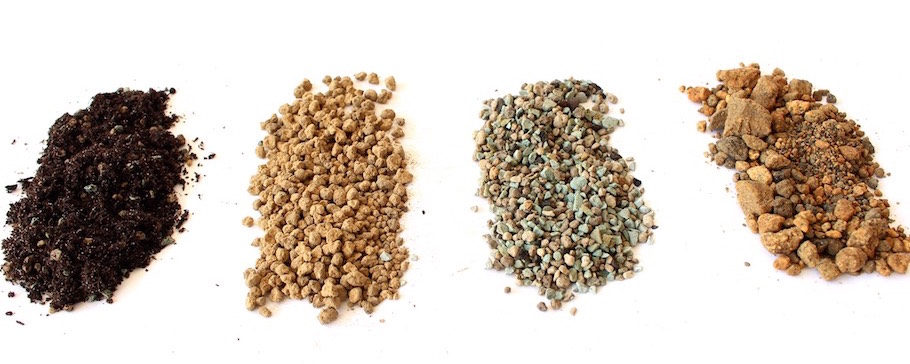
Bonsai soil typically includes components like Akadama, pumice, and lava rock. These elements ensure proper drainage and aeration. The soil mix supports the delicate roots, promoting healthy bonsai growth. It's crucial to choose the right soil mixture to maintain the health of your bonsai tree, as improper soil can hinder growth and lead to root problems. Many enthusiasts find that they can effectively manage their bonsai soil needs by exploring various buy bonsai soil online options, which offer a wide range of specialized blends. These online choices provide convenience and often detailed information on the composition and benefits of each mix, making it easier to find the ideal setup for your specific bonsai species.
When you first dive into the art of bonsai, the soil might seem like just a minor detail. Yet, understanding the essential components of bonsai soil can be a game-changer for nurturing your miniature trees. The right mix supports healthy growth, provides stability, and ensures your bonsai thrives. So, what exactly goes into making the perfect bonsai soil? Let’s explore.
Inorganic Elements
Inorganic elements are vital in bonsai soil because they provide drainage and prevent water retention, which can cause root rot. Akadama, a type of volcanic clay, is often used for its excellent water retention and drainage properties. Pumice and lava rock are also popular choices, enhancing aeration and helping roots to anchor firmly. Personal experience taught me that using a blend of these elements can make a significant difference. I once experimented with a mix without pumice, and my bonsai struggled with poor aeration. Adding it back improved the tree's health dramatically.
Organic Matter
Organic matter is the component that holds onto nutrients and keeps the soil moist. Pine bark is a common choice because it breaks down slowly, providing a steady supply of nutrients. Composted material can also be beneficial, but be cautious not to use too much, as it can lead to water retention. Consider how organic matter breaks down over time, affecting the soil's texture and nutrient supply. An imbalance can lead to poor growth or even harm your bonsai. Have you ever wondered why some bonsai seem to thrive effortlessly? It's often due to the right mix of organic matter.
Nutrient Additives
While inorganic elements and organic matter form the foundation, nutrient additives boost growth. Slow-release fertilizers can be mixed into the soil to provide a consistent nutrient supply. You might also consider adding bone meal or fish emulsion for extra phosphorus, essential for root development. Think about the specific needs of your bonsai species. Some require more nitrogen, while others might need more potassium. Tailoring nutrient additives can make a noticeable difference in your bonsai's health and appearance. Have you tailored your soil mix to your bonsai's needs lately? If not, it might be time to experiment. By focusing on these essential components, you can create a thriving environment for your bonsai. Each element plays a crucial role, and when combined thoughtfully, they can transform your bonsai from surviving to thriving. What changes will you make to your bonsai soil mix today?

Credit: basicbonsai.com
Benefits Of Proper Soil Mix
The right soil mix is crucial for bonsai health. It impacts drainage, nutrients, and root aeration. Each component plays a vital role in tree development. Understanding these benefits helps in crafting the perfect soil blend.
Drainage Improvement
Proper soil mix enhances water flow. Excess water drains quickly, preventing root rot. This keeps the bonsai healthy and vibrant. Good drainage also minimizes fungal diseases. It ensures roots stay strong and disease-free.
Nutrient Supply
Bonsai soil mix is rich in nutrients. Essential minerals support tree growth. Healthy soil means healthy leaves and branches. Nutrients are absorbed effectively, improving overall bonsai vitality. A nutrient-rich mix nourishes bonsai consistently.
Root Aeration
Proper soil mix promotes root aeration. Air circulates freely, allowing roots to breathe. Oxygen is vital for root health. Aeration prevents compact soil, keeping roots flexible. Well-aerated soil supports robust bonsai growth.
Common Soil Ingredients
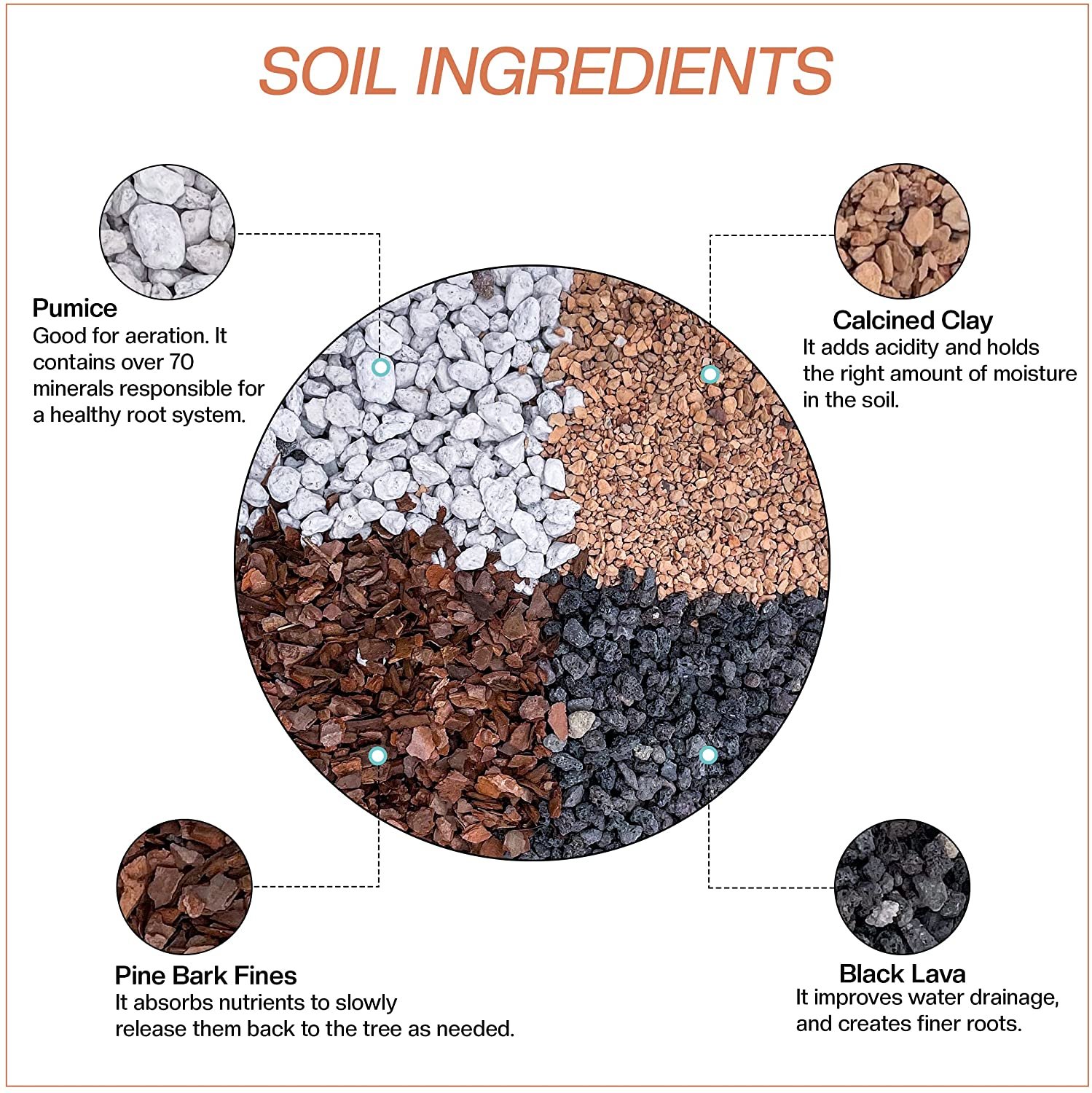
Bonsai soil typically includes akadama, pumice, and lava rock. These components ensure proper drainage and root aeration. Akadama, a clay-like substance, retains moisture, while pumice enhances air circulation. Lava rock provides structural support, helping roots stay healthy.
When crafting the perfect bonsai soil, understanding its common ingredients is essential. Bonsai soil isn't just any dirt; it's a carefully curated blend designed to support your miniature trees. Each ingredient plays a unique role, ensuring your bonsai thrives. Have you ever wondered what makes bonsai soil so special? Let's dive into the details of some common components and their benefits.
Akadama
Akadama is a popular choice among bonsai enthusiasts. It's a type of clay soil from Japan known for its ability to retain water while allowing proper drainage. This balance is crucial for bonsai trees, as it prevents root rot. The reddish-brown granules break down over time, improving soil texture. If you've ever struggled with watering your bonsai, akadama might be the answer you've been looking for. It helps maintain consistent moisture levels without drowning your plant.
Pumice
Pumice is another key ingredient in bonsai soil. It's a lightweight volcanic rock that enhances aeration and drainage. This is vital for promoting healthy root growth. Imagine your bonsai roots breathing easy, thanks to pumice. It absorbs excess water, preventing over-watering mishaps. The porous nature of pumice also supports beneficial microorganisms, contributing to overall soil health.
Lava Rock
Lava rock adds structure to bonsai soil. Its coarse texture improves drainage, preventing water from stagnating. This ensures your bonsai's roots remain healthy and robust. It’s fascinating how lava rock’s natural properties can help regulate soil temperature. This can be crucial in maintaining an optimal environment for your tree. Have you considered the impact of temperature on your bonsai's growth? Lava rock might offer the stability you need.
Pine Bark
Pine bark introduces organic matter into bonsai soil, boosting nutrient content. Its fibrous nature enhances water retention and encourages beneficial fungi growth. The rich, earthy aroma of pine bark is reminiscent of a forest floor—ideal for creating a natural habitat for your bonsai. It also breaks down slowly, providing a steady release of nutrients. Are you looking to enrich your bonsai’s soil naturally? Pine bark could be your go-to ingredient. Each ingredient in bonsai soil serves a purpose. They work together to create an environment where your bonsai can flourish. Have you experimented with different soil mixes? Understanding these elements can transform your bonsai care routine.
Credit: www.bonsaiempire.com
Customizing Soil Mixes
Bonsai soil mixes contain components like akadama, pumice, and lava rock. Each element plays a crucial role in drainage, aeration, and nutrient absorption. Customizing soil mixes helps cater to specific bonsai needs, ensuring healthy growth and development.
Customizing soil mixes for bonsai trees is an essential art. It involves tailoring the soil to meet specific needs. This practice ensures the tree thrives in its environment. Bonsai soil is not just dirt. It’s a blend of various components. Each element serves a purpose. Understanding these components helps create the perfect mix.
Tree Species Considerations
Different tree species need different soil types. Some trees prefer acidic soil. Others thrive in neutral or alkaline mixes. Conifers often need well-draining soil. Deciduous trees might need more moisture retention. Matching the soil mix to the species is crucial. It supports healthy growth and development.
Climate Adaptations
Climate plays a big role in bonsai soil customization. Dry climates demand moisture-retaining components. Humid areas need better drainage. Cold regions may require insulation properties. Warm climates may call for faster drainage. Adjusting the soil mix for climate helps the tree adapt. It ensures the tree remains healthy throughout the seasons.
Watering Needs
Watering frequency impacts soil composition. Trees requiring frequent watering need well-draining soil. Those needing less frequent watering benefit from moisture-retaining components. Overwatering can lead to root rot. Underwatering stresses the tree. Balancing soil characteristics helps manage watering needs effectively. Understanding these factors creates a thriving bonsai environment. Each mix is unique. It reflects the tree’s needs and local conditions. Customizing soil is an ongoing process. It evolves with the tree and its surroundings.
Soil Maintenance Tips
Maintaining bonsai soil is crucial for healthy bonsai growth. Proper soil care ensures nutrients reach the roots efficiently. Soil maintenance involves regular monitoring and care. Understanding soil changes is vital to prevent plant stress. Let's explore essential tips for bonsai soil maintenance.
Repotting Frequency
Bonsai trees need repotting to refresh soil. Young bonsai trees require repotting every two years. Mature trees may need repotting every three to five years. Regular repotting helps prevent root-bound conditions. Fresh soil provides improved nutrient supply.
Signs Of Soil Degradation
Soil degradation affects bonsai health. Look for signs like poor drainage or compacted soil. Discolored leaves can indicate nutrient deficiency. Foul odors suggest root rot. Addressing these signs early prevents further damage.
Fertilization Practices
Proper fertilization boosts bonsai growth. Use balanced fertilizers for nutrient-rich soil. Apply fertilizers during growth seasons. Avoid over-fertilizing to prevent root damage. Always follow recommended application rates. In addition to proper fertilization, understanding the blooming cycle is crucial for bonsai care. Knowing when do bonsai trees bloom can help you tailor your fertilization schedule to support their flowering. Keep an eye on the specific needs of your species, as some may require adjustments in nutrient levels to promote vibrant blooms.
Common Mistakes
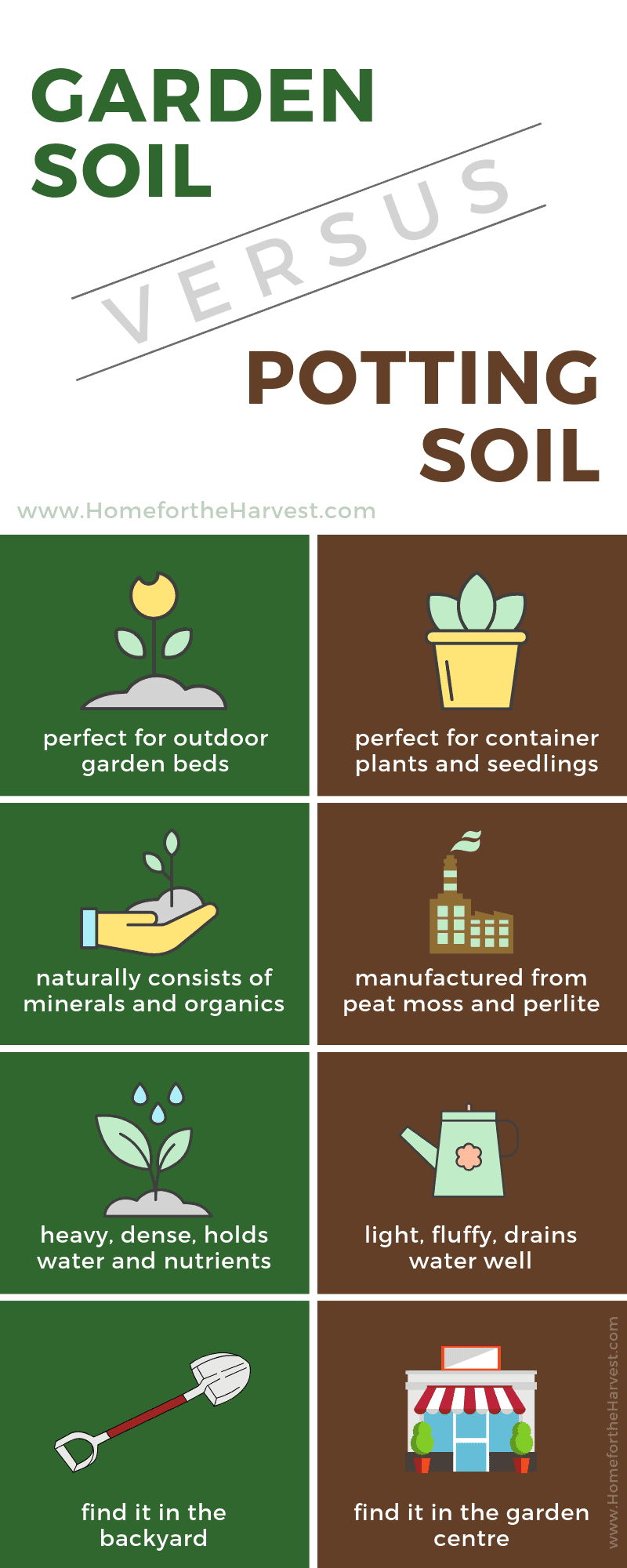
Understanding bonsai soil is crucial for healthy plants. Many use garden soil, which can retain too much water. This can lead to root rot. Others forget essential components like perlite or pumice, affecting drainage. Proper soil mix supports bonsai growth.
Caring for bonsai trees is a delightful journey, but it’s easy to stumble along the way. One of the most common areas where enthusiasts make mistakes is with bonsai soil. Understanding these pitfalls can transform your bonsai-growing experience from frustrating to fulfilling. Let’s dive into some frequent errors and how you can avoid them.
Overwatering Issues
Overwatering is a common mistake that can harm your bonsai tree. Bonsai soil should allow for excellent drainage, preventing the roots from sitting in water. When you add too much water, it can suffocate the roots and cause root rot. Check the soil moisture before watering. Stick your finger about an inch into the soil. If it feels dry, it’s time to water. If it’s still moist, wait another day. This simple habit can save your bonsai from unnecessary stress.
Incorrect Soil Selection
Choosing the right soil is crucial. Many beginners mistakenly use garden soil or standard potting mix, which are too dense for bonsai. These soils retain too much moisture and don’t provide the necessary aeration. Bonsai soil is a mix of components like akadama, pumice, and lava rock. Each ingredient has a specific purpose: akadama holds moisture, pumice provides aeration, and lava rock aids drainage. A balanced mix caters to the unique needs of your bonsai.
Neglecting Soil Health
Healthy soil equals a healthy bonsai. It’s easy to overlook the soil once your bonsai is planted. However, soil needs regular attention to remain nutritious and well-draining. Consider repotting your bonsai every couple of years. This refreshes the soil and prevents compaction. Additionally, adding a slow-release fertilizer can support long-term growth. When was the last time you checked your bonsai’s soil health? By being mindful of these common mistakes, you can set your bonsai on the path to thriving. Have you encountered any of these issues, or do you have tips to share? Let’s discuss in the comments!
Credit: www.homedepot.com
Frequently Asked Questions
What Are The Ingredients In Bonsai Soil?
Bonsai soil typically contains a mix of akadama, pumice, and lava rock. Akadama retains water and nutrients. Pumice provides aeration and drainage. Lava rock ensures stability and prevents compaction. This blend supports healthy root growth and plant vitality, essential for bonsai cultivation.
What Is A Good Substitute For Bonsai Soil?
A mix of pine bark, pumice, and akadama serves as a good bonsai soil substitute. Ensure proper drainage and aeration for healthy growth. Avoid heavy garden soil or potting mixes with peat as they retain too much moisture, potentially harming bonsai roots.
Is Bonsai Soil Different From Normal Soil?
Yes, bonsai soil differs from normal soil. It provides better drainage and aeration for bonsai trees. Specially formulated, it often contains ingredients like akadama, pumice, and lava rock. These components help manage water retention and support root health. Regular garden soil can suffocate bonsai roots, hindering growth.
What Is The Rule Of 3 In Bonsai?
The rule of 3 in bonsai involves selecting three main branches. This creates a balanced and visually appealing design. The branches are arranged to form a triangle, providing depth and harmony. This technique helps guide the viewer's eye and enhance the bonsai's aesthetic appeal.
Conclusion
Bonsai soil is essential for healthy plant growth. Different components create balance. Drainage, aeration, and nutrients work together. Choose the right mix for your bonsai's needs. Consider the tree species and environment. Adjust soil as conditions change. Regular checks keep your bonsai thriving.
Experiment with different soil types. Find what works best for your plants. Careful attention leads to beautiful bonsai. Enjoy the journey of nurturing your miniature trees. Bonsai care is an art and science. With practice, your skills improve. Your bonsai will flourish with the right soil.
Keep learning and exploring new techniques.