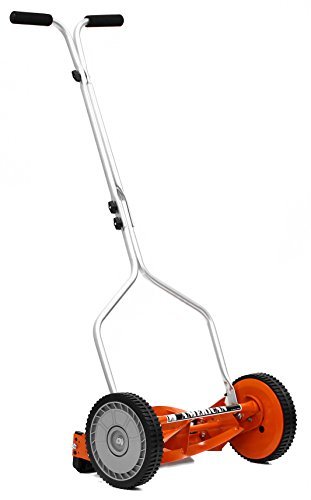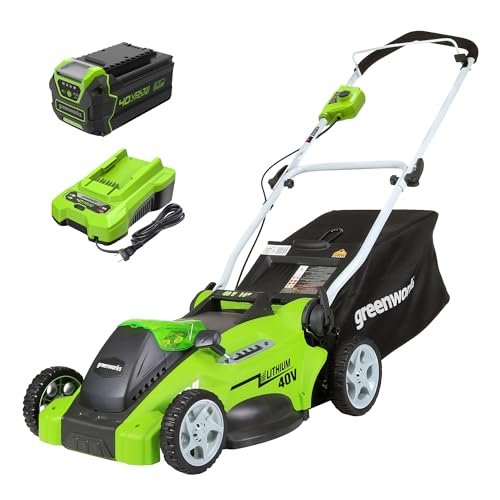
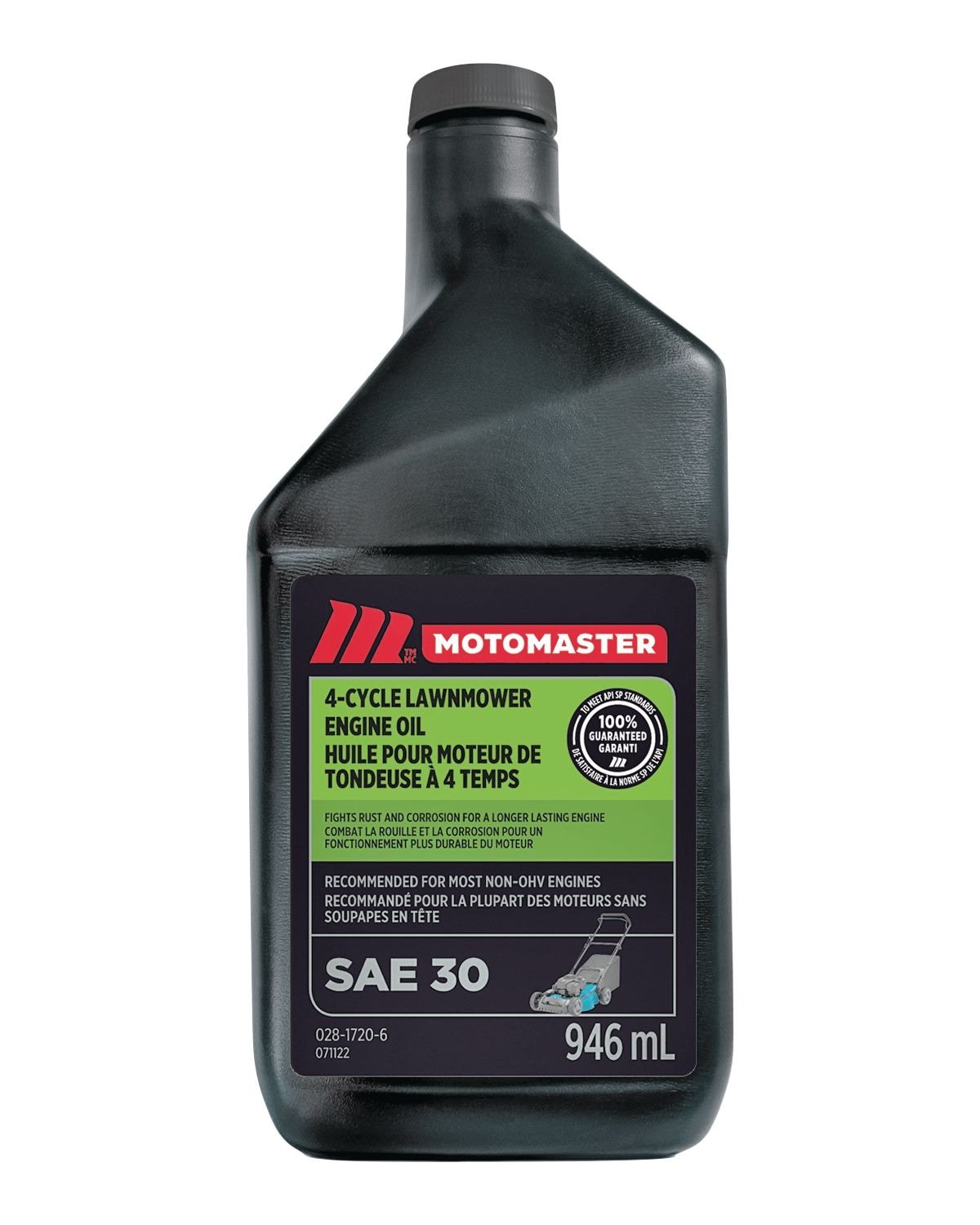
Imagine a sunny Saturday morning, the perfect time to give your lawn the care it deserves. You pull out your trusty lawn mower, ready to create that immaculate green carpet.
But wait—do you know what kind of oil your lawn mower needs? Understanding the right oil for your lawn mower is crucial, not just for its performance but also for its longevity. Using the wrong oil can lead to engine problems, costly repairs, and a frustrating experience.
You want to keep your mower running smoothly, and knowing the right oil is the first step. Dive into this guide to discover everything you need to know about choosing the right oil for your lawn mower, ensuring your weekends are spent enjoying your beautiful yard rather than dealing with mower mishaps. Keep reading to learn how a simple choice can make all the difference in your mowing experience.
Types Of Lawn Mower Engines
Understanding the type of engine your lawn mower uses is crucial for selecting the right oil. Each engine type has its own oil requirements, impacting not only performance but also the lifespan of your mower. By knowing the difference between two-stroke and four-stroke engines, you can ensure your mower runs smoothly and efficiently. Let's take a closer look at these engines.
Two-stroke Engines
Two-stroke engines are known for their simplicity and lightweight design. They require a mix of oil and gasoline, which helps lubricate the engine. This mixture is essential because these engines don't have a separate oil reservoir.
Have you ever noticed the distinct smell of a two-stroke engine? That's the result of the oil-gas mixture burning, which is why you need to use high-quality oil to minimize smoke and residue. Choosing the right oil can make a noticeable difference in performance.
One practical tip is to always follow the manufacturer's recommended ratio for mixing oil and fuel. It ensures optimal performance and prevents engine damage. A small mistake in mixing can lead to costly repairs or even replacement.
Four-stroke Engines
Four-stroke engines are more common in lawn mowers. They have a separate oil reservoir, meaning they don't require mixed fuel. This setup makes maintenance easier and less messy compared to two-stroke engines.
Think about the convenience of checking and changing oil without having to mix it with fuel. It's as simple as topping up the oil when needed. Using the right oil viscosity is key to maintaining engine efficiency and preventing wear.
Have you ever skipped an oil change thinking it wasn’t important? It's a common mistake. Regular oil changes are vital to keep the engine running smoothly. Consider setting reminders to ensure you never miss an oil change interval.

Credit: lawnsmartkc.com
Choosing The Right Oil
Choosing the right oil for your lawn mower is crucial. It ensures smooth operation and prolongs the machine's life. Different oils offer unique benefits, affecting engine performance and durability. Understanding oil types and ratings helps you make the best choice.
Synthetic Vs. Conventional Oil
Synthetic oil is engineered with additives for better performance. It offers superior protection and can handle extreme temperatures. Conventional oil, made from refined crude, is less expensive. It's suitable for mild conditions but requires frequent changes. Each type has its pros and cons depending on your mower's needs.
Viscosity Ratings Explained
Viscosity measures an oil's thickness. It's crucial for engine lubrication. Ratings are shown as numbers like 10W-30. The "W" indicates winter performance, while the numbers show thickness at different temperatures. Choosing the right viscosity prevents engine wear and ensures efficient operation. Always check your mower’s manual for recommendations.
Oil Recommendations For Different Mower Brands
Choosing the right oil for your lawn mower can significantly impact its performance and longevity. With various brands available, each might have specific oil recommendations tailored to their engines. Understanding these preferences ensures your mower runs smoothly and efficiently.
Popular Brands And Their Oil Preferences
Different brands have unique oil requirements to optimize engine health. For instance, Honda mowers often recommend using SAE 10W-30 oil, which works well in a wide range of temperatures. Briggs & Stratton, another popular brand, typically suggests using their own branded SAE 30 oil for temperatures above 40°F (4°C).
Toro mowers are known for their durability and they frequently recommend SAE 30 for warmer climates or synthetic 5W-30 for varying temperatures. Meanwhile, John Deere mowers often suggest 10W-30 or synthetic options for best results, especially if you’re mowing in colder conditions.
Consider the climate in your area and the frequency of your mowing sessions. These factors can influence which oil type will best suit your mower’s needs.
Manufacturer Guidelines
Always check the manufacturer’s manual for precise oil recommendations. This document often contains valuable insights tailored specifically for your mower model. Ignoring these guidelines might lead to engine wear or void warranty claims.
Manufacturers often conduct extensive testing to determine the best oil type for their engines. Following their advice ensures that your mower functions as intended.
If you’ve misplaced the manual, most brands offer digital copies online. It’s a quick search that could save you from potential engine troubles in the future.
Have you ever tried using a different oil brand or type than recommended? Consider the potential risks, as it might affect your mower's performance or even lead to engine damage.
Oil Change Frequency
Lawn mowers typically use SAE 30 oil for optimal performance. Regular oil changes are crucial to keep the engine running smoothly. Check the manual for specific oil type recommendations and change frequency.
Oil change frequency plays a crucial role in lawn mower maintenance. Regular oil changes ensure your mower runs smoothly and efficiently. Changing the oil at regular intervals prevents engine wear and damage. Typically, lawn mowers require an oil change after 25-50 hours of use. Understanding the signs of when to change the oil can save time and money.
Signs Your Oil Needs Changing
Dirty or dark oil is a clear indicator. Check the oil color with the dipstick. Thick or chunky oil suggests contamination. Excessive engine noise can signal old oil. Smell oil for a burnt odor, indicating it's time for a change. Watch for smoke from the exhaust; it might mean the oil needs replacing.
Seasonal Maintenance Tips
Prepare the mower before each season. Change the oil at the start of mowing season. Clean the mower deck to prevent buildup. Check oil levels after winter storage. Use fresh oil to ensure efficient operation. Regular oil changes prevent rust and wear during off-seasons.
Steps To Change Lawn Mower Oil
Lawn mowers typically use SAE 30 oil for warm climates or 10W-30 for cooler temperatures. Begin by checking your mower's manual for specific recommendations. Regularly changing the oil ensures smooth operation and extends the mower's lifespan.
Changing the oil in your lawn mower is essential for its smooth operation. Regular maintenance helps extend the mower's life. Follow simple steps to change the oil effectively.
Preparing Your Mower
Ensure the mower is on a flat surface. Turn it off and let it cool. Disconnect the spark plug to prevent accidental starts. Clean around the oil cap and dipstick area. This prevents dirt from entering the engine.
Draining And Replacing The Oil
Remove the oil cap. Use a drain pan to collect old oil. Tilt the mower carefully to ensure complete drainage. Replace the oil filter if needed. Pour new oil using a funnel. Check the oil level with the dipstick. Reconnect the spark plug. Run the mower briefly to circulate the new oil.
Credit: partsource.ca
Common Mistakes To Avoid
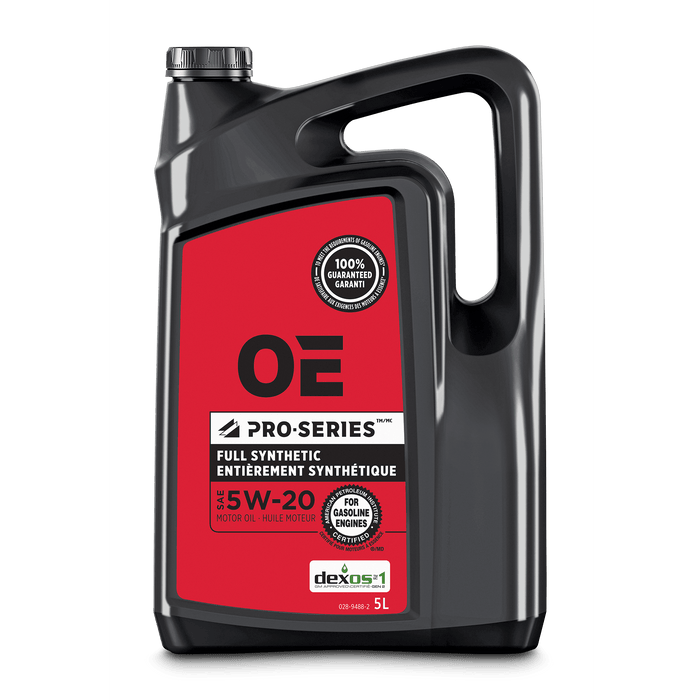
Choosing the wrong oil type for your lawn mower can damage the engine. Always check the manual for specific oil recommendations. Avoid using car oil, as it may not suit small engines. Regularly change the oil to ensure smooth operation and extend the mower’s lifespan.
Owning a lawn mower is a convenient way to keep your yard looking neat and tidy. However, maintaining it properly is crucial to ensure it operates efficiently. One of the most common pitfalls for lawn mower owners is making mistakes related to the type of oil used and maintenance practices. Addressing these issues can save you time, money, and prevent unnecessary frustration. Let's dive into some common mistakes to avoid.
Using Incorrect Oil Type
Choosing the wrong oil for your lawn mower is like feeding your pet the wrong food. It might seem okay at first, but it can lead to major problems down the line. Many people assume that all oils are the same, but lawn mower engines require specific types. Using car engine oil might be tempting, but it can damage the engine over time. Instead, always refer to your lawn mower’s manual to find the recommended oil type. For instance, most four-stroke engines work best with SAE 30 oil, especially in warmer weather. Consider the climate you live in. In colder climates, a multi-viscosity oil like 10W-30 could be more suitable. Ignoring this can result in poor engine performance and even shorten its lifespan. Have you ever had to replace an engine because of a simple oversight like this?
Neglecting Regular Maintenance
Regular maintenance is the key to extending the life of your lawn mower. Many owners forget this crucial step until something goes wrong. But waiting for a breakdown can be more costly than regular check-ups. Make it a habit to check the oil level before each use. Running a mower on low oil can cause overheating and severe engine damage. Don’t wait for warning signs like smoke or strange noises to remind you. Establish a maintenance schedule. Clean or replace the air filter and spark plug as per the manufacturer’s recommendation. Regular maintenance might seem like a chore, but it’s an investment in your mower's longevity. Isn’t it better to spend a few minutes now rather than hours fixing a broken machine later? Avoiding these common mistakes can make a world of difference in how well your lawn mower performs. Take a moment to ensure you're using the right oil and keeping up with maintenance. Your lawn—and your wallet—will thank you.
Environmental Considerations
Using the right oil for your lawn mower is crucial for its performance and longevity. Choose environmentally friendly oils to minimize pollution and protect the soil. Opt for biodegradable or low-toxicity options to ensure a cleaner and safer environment.
Environmental considerations are crucial when choosing and maintaining the oil for your lawn mower. With increasing awareness about our ecological footprint, it's important to think about how our gardening habits affect the environment. This includes not only the type of oil used but also how we dispose of it and what alternatives might exist.
Disposing Of Used Oil
Disposing of used oil improperly can cause significant environmental harm. Did you know that just one gallon of used oil can contaminate a million gallons of fresh water? To dispose of used oil responsibly, take it to a local recycling center or an auto shop that accepts used oil. Many communities offer curbside pickup for hazardous waste, including oil. Check with your local waste management services for options available in your area.
Eco-friendly Alternatives
Looking for greener options? Consider biodegradable oils made from plant-based sources. These oils break down naturally and reduce environmental impact. Another option is synthetic oils, which often last longer, reducing the frequency of changes and waste. While these might be pricier, the long-term benefits to the environment and your lawn mower can be worth it. Have you explored any eco-friendly oil alternatives? Share your experiences and insights with others. Making small changes in our lawn care routines can lead to a healthier planet.

Credit: www.canadiantire.ca
Frequently Asked Questions
What Oil Should I Use In My Lawn Mower?
Use SAE 30 oil for warmer temperatures and synthetic 5W-30 for variable temperatures. Check your mower's manual for specific recommendations. Regular oil changes ensure optimal performance and longevity.
Can I Use 5w30 Instead Of Sae 30?
5W30 and SAE 30 differ in viscosity and temperature range. 5W30 is suitable for colder climates, while SAE 30 is best for warmer conditions. Always check your vehicle's manual for recommended oil types to ensure optimal performance and engine protection.
Can You Put Regular Oil In Your Lawn Mower?
Yes, you can use regular oil in your lawn mower. Always check the manufacturer's recommendations for the right type and viscosity. Using the correct oil ensures optimal performance and longevity. Avoid using automotive oils with additives not suitable for small engines.
Regular maintenance keeps your lawn mower running smoothly.
Can I Just Add Oil To My Lawn Mower?
Check your lawn mower's manual for oil type and capacity. Ensure the engine is cool before adding oil. Avoid overfilling to prevent damage. Regularly inspect the oil level for optimal performance.
Conclusion
Choosing the right oil keeps your lawn mower running smoothly. Regular maintenance is key to a long-lasting engine. Check your mower’s manual for specific oil types. Use high-quality oil for better performance. Change oil regularly to prevent damage. Clean oil ensures efficient cutting.
Avoid using car oil in mowers. Consider the climate when selecting oil. Cold weather affects oil viscosity. Warm climates may need thicker oil. Always store your oil properly. Safe storage prevents contamination. A well-oiled mower saves you time and money.
Keep your lawn healthy and beautiful with the right oil choice.