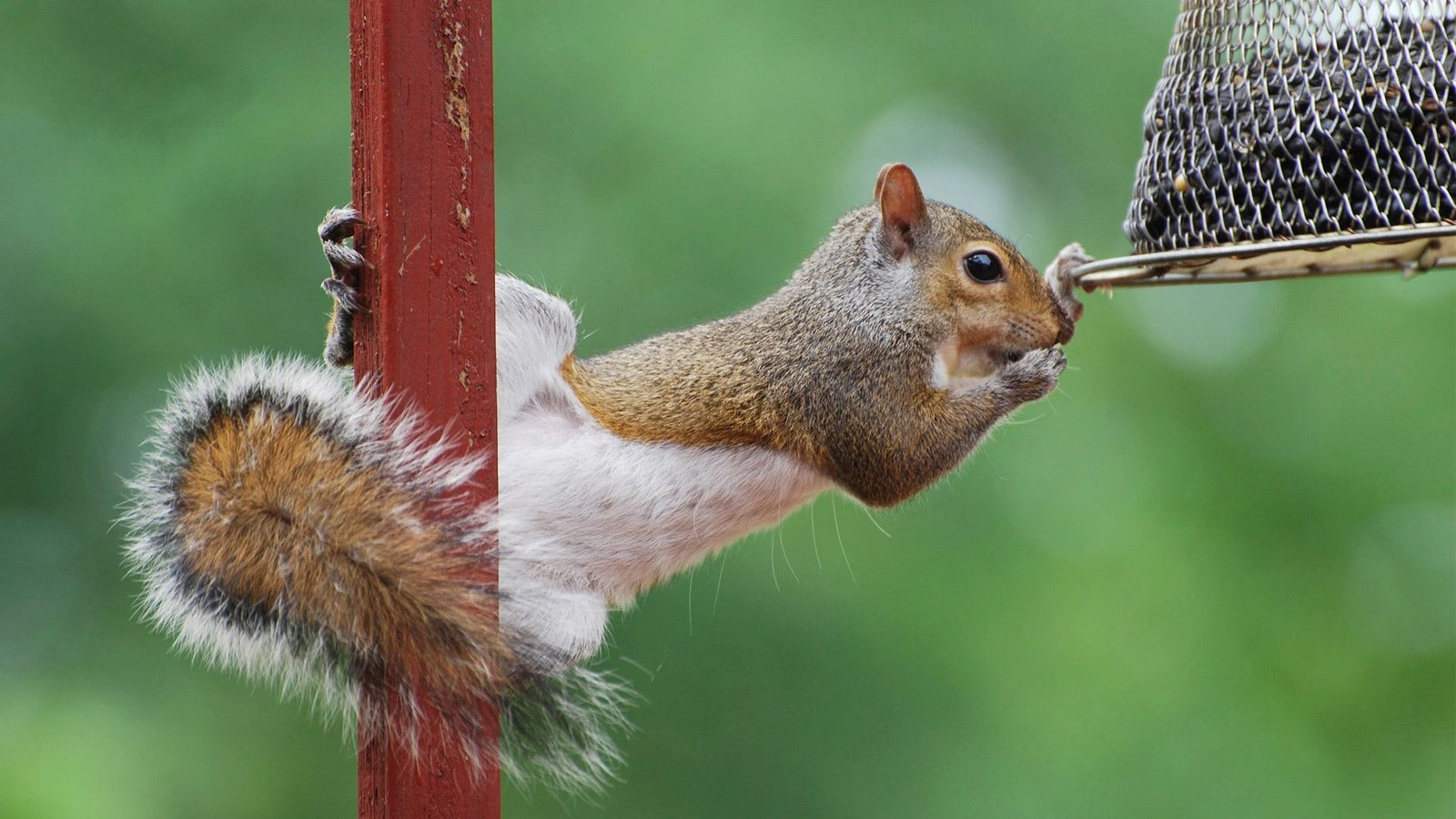
Are you tired of squirrels wreaking havoc in your garden while you're just trying to enjoy the presence of beautiful birds? You're not alone.
Many people find themselves in this frustrating battle, trying to feed and attract birds without inadvertently inviting those pesky squirrels. The good news is, there are ways to repel squirrels while keeping your feathered friends happy and safe. Imagine a garden where you can sip your morning coffee, watching vibrant birds flutter and feed, all without the interruption of squirrels stealing the show.
This isn't just a dream; it's entirely possible. Keep reading to discover how you can achieve this serene balance in your outdoor space. You'll soon learn some simple yet effective methods that will make your garden a squirrel-free paradise for birds.

Credit: happygardens.com
Squirrel Behavior
Squirrels are fascinating creatures with unique behaviors that often confound humans. Understanding their habits helps in effectively managing their presence. Especially in gardens and bird feeders.
Habits And Preferences
Squirrels are active during the day. They love to climb and forage. Their diet includes nuts, seeds, and fruits. They are also attracted to bird feeders. They can be quite persistent when searching for food.
Squirrels are territorial. They often mark their area with scent. This behavior keeps other squirrels away. They are social animals. They communicate through sounds and tail movements.
Impact On Gardens And Feeders
Squirrels can damage gardens. They dig up bulbs and plants. This can frustrate gardeners. Their presence in bird feeders is common. They often scare away birds.
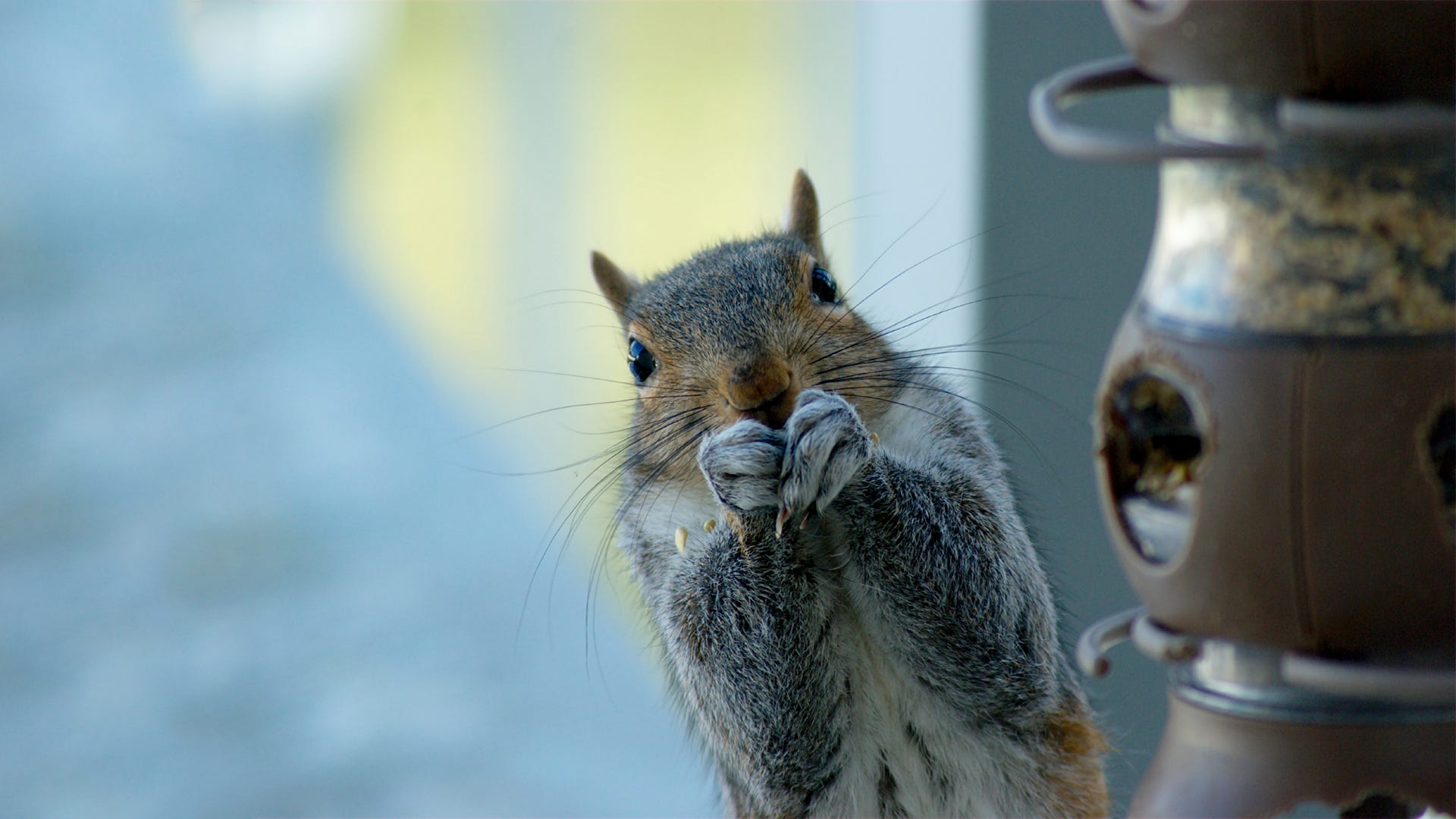
Squirrels can empty a bird feeder quickly. This leaves little food for birds. Finding ways to repel them without affecting birds is important. This ensures your garden and feeders thrive.
Bird Attraction
Certain natural deterrents keep squirrels away while attracting birds. Spices like cayenne pepper repel squirrels, but birds remain unaffected. Using safflower seeds is another effective strategy, as squirrels dislike them, yet birds enjoy the taste.
Attracting birds to your garden can transform your outdoor space into a lively, colorful retreat. But the challenge often lies in ensuring these feathered friends are not disturbed by pesky squirrels. Understanding what repels squirrels but not birds requires a bit of strategy. Let's explore how you can cater to the needs of birds while keeping squirrels at bay.
Dietary Needs
Birds and squirrels have different dietary preferences. Birds are often attracted to seeds like sunflower seeds, safflower seeds, and nyjer seeds. These are high in oil content, providing birds with the energy they need. Squirrels, on the other hand, are less interested in safflower seeds. They find them bitter and unappealing. By using safflower seeds in your feeders, you can attract birds while discouraging squirrels. Have you ever tried using pepper-coated birdseed? Birds can't taste the heat, but squirrels sure can. It's an effective way to meet the dietary needs of birds and repel squirrels simultaneously.
Feeding Habits
Birds and squirrels eat differently. Birds prefer feeding on hanging feeders or platforms. They enjoy a variety of positions and angles, pecking at seeds or insects. Squirrels, however, are more adaptable and can consume food in almost any position. But they find it difficult to access feeders with baffles or weight-sensitive mechanisms. Consider investing in squirrel-proof feeders. They allow birds to feed comfortably while deterring squirrels with clever designs. Have you ever watched a squirrel try and fail to access one of these feeders? It's a sight to behold, and a win for bird enthusiasts! Think about the time of day you fill your feeders. Birds are early risers and often feed at dawn. Filling feeders in the early morning can give birds a chance to eat before squirrels are active. By understanding and catering to the feeding habits of birds, you can create a welcoming environment that naturally deters squirrels. What strategies will you try in your garden?
Natural Repellents
Squirrel deterrents like spicy pepper sprays effectively keep squirrels away without bothering birds. Birds are unaffected by the capsaicin in peppers, making it a perfect solution. Additionally, using scents like peppermint or vinegar can deter squirrels while birds remain unbothered.
Squirrels can be delightful to watch, but when they invade your garden, they can become quite the nuisance. Fortunately, there are natural repellents that keep squirrels away while allowing birds to enjoy your space. These solutions are not only effective but also environmentally friendly. Let’s explore some natural ways to deter squirrels without disturbing the birds.
Plants That Deter Squirrels
Certain plants can act as natural barriers against squirrels. You might be surprised to learn that squirrels dislike the smell of some flowers and herbs. For example, daffodils are not just beautiful; their scent is unappealing to squirrels. Similarly, alliums, which include onions and garlic, can deter these pesky rodents. Planting these around your garden can create a natural fence. Have you tried planting mint? Its strong aroma is another scent that squirrels find unpleasant, yet it won’t bother birds.
Natural Oils And Scents
Essential oils can be a game-changer in keeping squirrels at bay. Peppermint oil, for instance, is effective in repelling squirrels due to its strong scent. You can easily make a spray by mixing a few drops of peppermint oil with water and spraying it around your garden. Cayenne pepper is another powerful deterrent. Sprinkling it around bird feeders can prevent squirrels from stealing birdseed. Birds are not affected by the spice, but squirrels will steer clear. Have you ever tried using vinegar? Its pungent smell is unpleasant for squirrels. Simply soak cotton balls in vinegar and place them in areas frequented by squirrels. It’s a simple, non-toxic way to keep them away. Natural repellents offer practical solutions for a squirrel-free garden. Have you explored these options in your garden? They can help maintain a peaceful space for both you and your feathered visitors.
Bird-friendly Deterrents
Bird lovers often face the challenge of keeping squirrels away from feeders. While squirrels are clever creatures, there are ways to deter them without affecting birds. These bird-friendly deterrents are safe and effective, ensuring birds can feed peacefully.
Spices And Foods
Certain spices and foods can repel squirrels but are harmless to birds. Capsaicin, found in spicy peppers, is a natural squirrel repellent. Birds cannot taste capsaicin, so it does not affect them. Sprinkle some cayenne pepper on seeds. Squirrels will stay away, while birds continue feeding.
Garlic powder is another option. Its strong smell and taste deter squirrels. Add it to birdseed mixtures. Birds will not mind, but squirrels will steer clear.
Designing Squirrel-proof Feeders
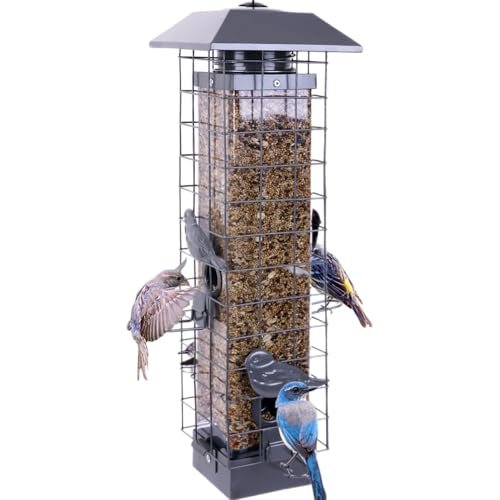
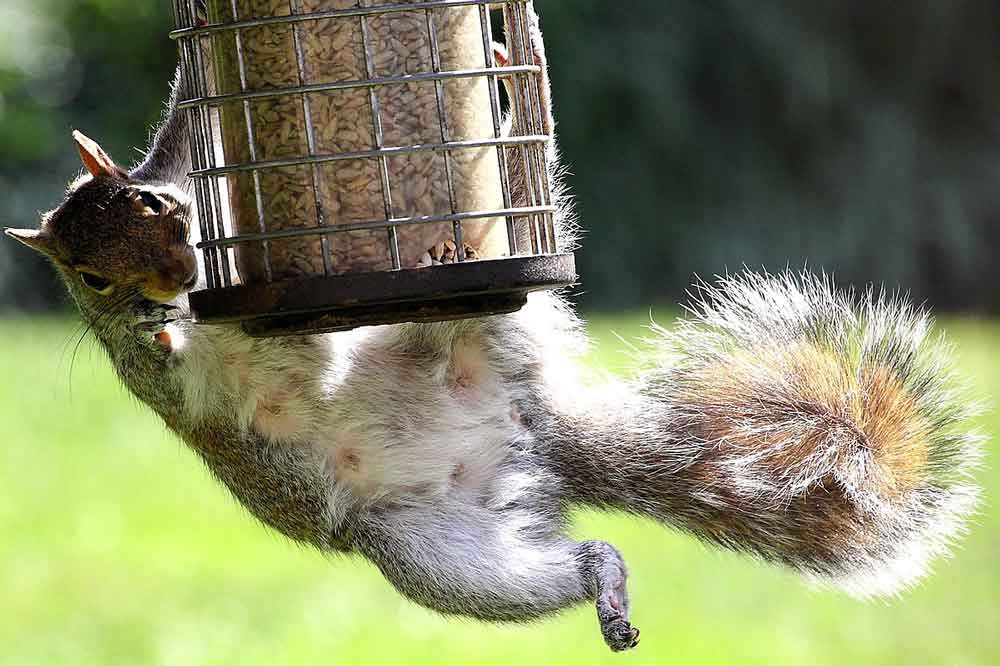
Designing feeders can be a fun and effective way to deter squirrels. Use feeders with protective cages. These cages allow birds to access food. Squirrels struggle to reach through the bars.
Look for feeders with weight-sensitive perches. When a squirrel lands, the perch closes the feeding ports. Birds, being lighter, can still feed without issues.
Consider placing feeders on thin poles or hanging them on wires. Squirrels find these surfaces difficult to climb. Birds easily perch and feed undisturbed.
Innovative Solutions
Are you tired of watching squirrels devour your birdseed, leaving your feathered friends hungry and disappointed? Innovative solutions are emerging to tackle this common problem. These solutions are both practical and inventive, offering ways to deter squirrels without disturbing birds.
Technology In Wildlife Management
Technology is transforming how we manage wildlife in our backyards. Have you ever considered using motion-activated sprinklers? These devices detect squirrels and spray them with water, sending them scampering away, while birds remain undisturbed.
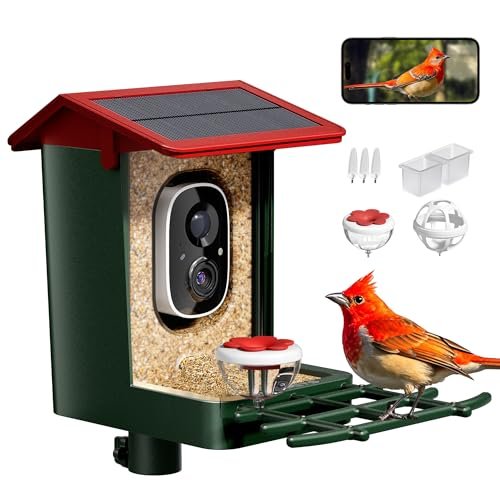
Another tech-savvy solution is squirrel-proof bird feeders. They come equipped with weight-sensitive perches that close feeding ports when squirrels try to feast. This clever mechanism ensures birds can enjoy their meals in peace.
Ultrasonic devices might be the answer for tech enthusiasts. These gadgets emit high-frequency sounds that irritate squirrels but are inaudible to birds. It’s fascinating how technology can solve such specific issues.
Community Strategies
Working together with your neighbors can lead to creative ideas. Have you thought about organizing a community workshop to discuss wildlife management? Sharing experiences often leads to effective solutions.
Collaborative efforts can include planting squirrel-repelling flowers, like daffodils or hyacinths, which are known to deter them. Such plants beautify gardens while keeping squirrels at bay.
Why not start a local birdwatching group? Members can share tips and tricks, pooling knowledge to create squirrel-free zones that are welcoming to birds. It’s amazing how community spirit can make such a difference.
What innovative strategies have you tried to keep squirrels away while welcoming birds? Share your experiences and let’s build a squirrel-proof community together!
Credit: chirpforbirds.com
Environmental Impact
Choosing methods that repel squirrels but not birds can protect gardens. It's essential to consider the environmental impact of these methods. Many repellents affect the ecosystem. Some might harm beneficial insects or other wildlife. Thoughtful choices can preserve nature's balance.
Balancing Ecosystems
Ecosystems rely on a delicate balance. Squirrels and birds both play roles in nature. Repelling squirrels without harming birds can help maintain this balance. Birds contribute to pest control by eating insects. Squirrels aid in seed dispersion, which supports plant growth.
Using eco-friendly deterrents ensures these roles continue. Natural barriers, like netting, can be effective. They prevent squirrels without disturbing birds. This method respects the ecosystem's needs.
Supporting Biodiversity
Biodiversity is vital for a healthy environment. Diverse species contribute to a resilient ecosystem. Repelling squirrels without harming birds supports biodiversity. Birds and squirrels each have unique roles.
Natural repellents like certain scents can deter squirrels. Birds remain unaffected by these smells. This approach supports a diverse range of species. It ensures both birds and other wildlife thrive.
Credit: www.havahart.com
Frequently Asked Questions
How Do You Get Rid Of Squirrels But Keep Birds?
Install squirrel-proof bird feeders to deter squirrels and attract birds. Use spicy seed mixes which birds love but squirrels avoid. Regularly trim trees and branches near feeders to limit squirrel access. Place feeders away from fences or structures squirrels can climb.
Keep ground area clean to discourage squirrels.
What Smells Do Birds Like But Squirrels Hate?
Birds enjoy the scent of peppermint, while squirrels dislike it. Hot pepper and garlic also attract birds but repel squirrels. These scents can help maintain bird feeders, ensuring only birds visit.
What Squirrel Repellent Doesn T Affect Birds?
Use a capsaicin-based squirrel repellent. It targets squirrels but doesn't affect birds, as they lack taste receptors for it.
What Do Squirrels Hate Most?
Squirrels dislike strong scents like peppermint, vinegar, and garlic. They also hate spicy foods, particularly cayenne pepper. Loud noises and sudden movements can scare them away. Keep these deterrents in mind to keep squirrels at bay.
Conclusion
Finding a way to repel squirrels but not birds is possible. Use natural deterrents like spicy sprays. Birds remain unaffected, enjoying their meals. Squirrels dislike strong scents and spicy flavors. Planting certain flowers can help deter squirrels too. Choosing the right strategies keeps your garden peaceful.
Birds can feast without interruptions. Enjoy watching them without pesky squirrels. Balance in your backyard is achievable. Keep experimenting until you find the perfect solution. Happy birdwatching!