Are you standing in the garden, hose in hand, puzzled by the concept of "thread"? You're not alone.
Understanding what thread a garden hose uses can feel like deciphering a secret code. But knowing this detail can save you time, money, and a lot of frustration. Imagine being able to easily connect your hose to any faucet or nozzle, without leaks or mismatches.
Intrigued? Let's unravel the mystery of garden hose threads together. By the end of this article, you’ll be armed with the knowledge to tackle any garden hose connection like a pro. Ready to dive in?
Types Of Garden Hose Threads
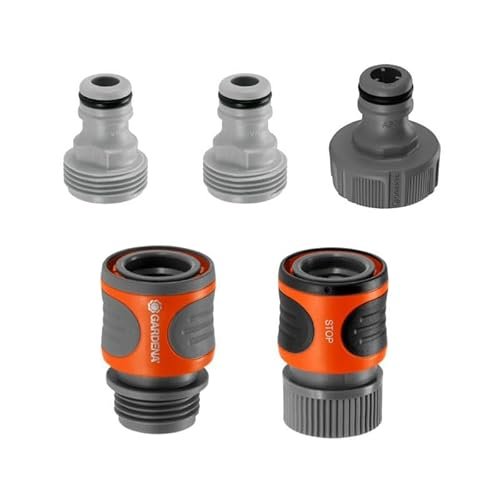
Garden hoses typically use National Pipe Thread (NPT) or Garden Hose Thread (GHT) types. GHT is the most common thread for home garden hoses, ensuring compatibility with various fittings and attachments. NPT threads are often used for plumbing connections and may require adapters for garden use.
Types of garden hose threads can be a bit confusing if you're not familiar with them. Understanding the different types can save you time and frustration when you're trying to connect your hose to various fixtures. Whether you're setting up a new irrigation system or just replacing an old hose, knowing what thread fits where is crucial. Let's dive into the most common garden hose threads you might encounter.
Standard Hose Thread
The Standard Hose Thread (SHT) is what you'll most likely find in typical American garden hoses. It's also known as Garden Hose Thread (GHT). It features a larger diameter and coarser threads than other types. This design helps ensure a snug fit, minimizing leaks. Garden hoses with SHT are often used for general watering tasks. They're compatible with most American outdoor taps and accessories. Before purchasing new hose attachments, check if they match the SHT standard to avoid any compatibility issues.
British Standard Pipe Thread
British Standard Pipe Thread (BSP) is commonly found in the UK and other countries that follow British standards. Unlike SHT, BSP threads are more uniform and precise. They offer a tighter seal which is ideal for high-pressure water systems. If you ever find yourself gardening in the UK, you'll likely encounter hoses and fittings with BSP threads. Ensure you have the right adapters if you're using equipment from different regions. Mixing thread types without proper adapters can lead to unwanted leaks and equipment damage.
National Pipe Thread
National Pipe Thread (NPT) is another thread standard, primarily used for plumbing rather than garden hoses. However, sometimes you might find NPT in heavy-duty hoses or specialized applications. NPT threads have a tapered design, which creates a seal when the threads are tightened. While less common in garden setups, understanding NPT can be beneficial if you're involved in more complex irrigation systems. If you need to connect a garden hose to an NPT fitting, adapters are available to bridge the gap. Always double-check the thread type to avoid costly mistakes. Choosing the right garden hose thread can make or break your gardening experience. Have you ever struggled with mismatched hose fittings? Share your experiences and tips in the comments below!

Credit: www.amazon.com
Identifying Hose Thread Types
Understanding hose thread types is essential for any gardening enthusiast. The right thread ensures a secure connection, preventing leaks and maximizing water efficiency. But how do you tell one thread from another? Identifying hose thread types doesn't have to be a guessing game. With the right techniques, you can easily determine the thread type of your garden hose and make sure it matches your accessories.
Visual Inspection Techniques
Start by examining the thread closely. Look for obvious markers such as diameter and thread pitch. Different threads have distinct characteristics that you can spot with a keen eye. Consider the threads' spacing and angle. Typically, garden hoses have either a coarse thread, like the US standard 'Garden Hose Thread' (GHT), or a finer thread, similar to 'National Pipe Thread' (NPT).
Take a moment to compare your hose thread with a known thread type. Do you have another hose or fitting? If so, hold them side by side and check for differences. This visual comparison can quickly reveal mismatches, saving you from potential frustration.
Using Thread Gauges
If visual inspection isn't enough, thread gauges are your best bet. These handy tools measure the thread pitch and diameter with precision. Invest in a thread gauge set that covers the common sizes used in garden hoses. By matching the thread on your hose to the gauge, you’ll know exactly what type it is.
Thread gauges come in various forms, such as screw-on types or slide calipers. Choose one that suits your needs and comfort level. Once you’ve identified the thread, you can confidently purchase fittings and accessories that will work seamlessly with your hose.
Have you ever found yourself questioning why water leaks persist despite seemingly tight connections? Correctly identifying hose thread types might be the key to solving this puzzle. With the right inspection techniques and tools, you can ensure a leak-free garden setup. So, what's stopping you from checking your garden hose today?
Common Applications Of Hose Threads
Hose threads play a vital role in various sectors. Their design ensures a secure connection, preventing leaks. This versatility makes them crucial in many applications. Let's explore where hose threads are commonly used.
Domestic Gardening
In home gardens, hose threads connect hoses to taps. This helps water plants with ease. They are crucial for daily garden tasks. Hose threads support sprinklers, making watering efficient. You often find them in vegetable and flower gardens. Their use ensures plants get the right water amount. A reliable hose thread means fewer leaks and better water control.
Commercial Landscaping
Landscaping projects need durable hose threads. These threads connect hoses to large water sources. This setup supports irrigation systems. They help maintain vast lawns and green spaces. Hose threads ensure even water distribution. Landscapers use them for efficient water management. This saves time and resources in large projects.
Specialized Industrial Uses
Industries rely on hose threads for various tasks. They connect hoses to tanks and machines. This aids in cleaning and maintenance operations. Hose threads also play a role in chemical transfer. Industries need reliable connections to avoid leaks. Hose threads provide a secure fit for high-pressure applications. Their use ensures safe and efficient operations.
Choosing The Right Hose Thread
Garden hoses commonly use the GHT (Garden Hose Thread) standard. It ensures a secure fit for attachments. Identifying the correct thread type helps avoid leaks and ensures compatibility with your garden tools.
Choosing the right hose thread is essential for seamless gardening. It affects how well your hose connects with other tools. A good choice saves time and effort. Understanding the different factors is key. Let's explore some important considerations.
Compatibility With Equipment
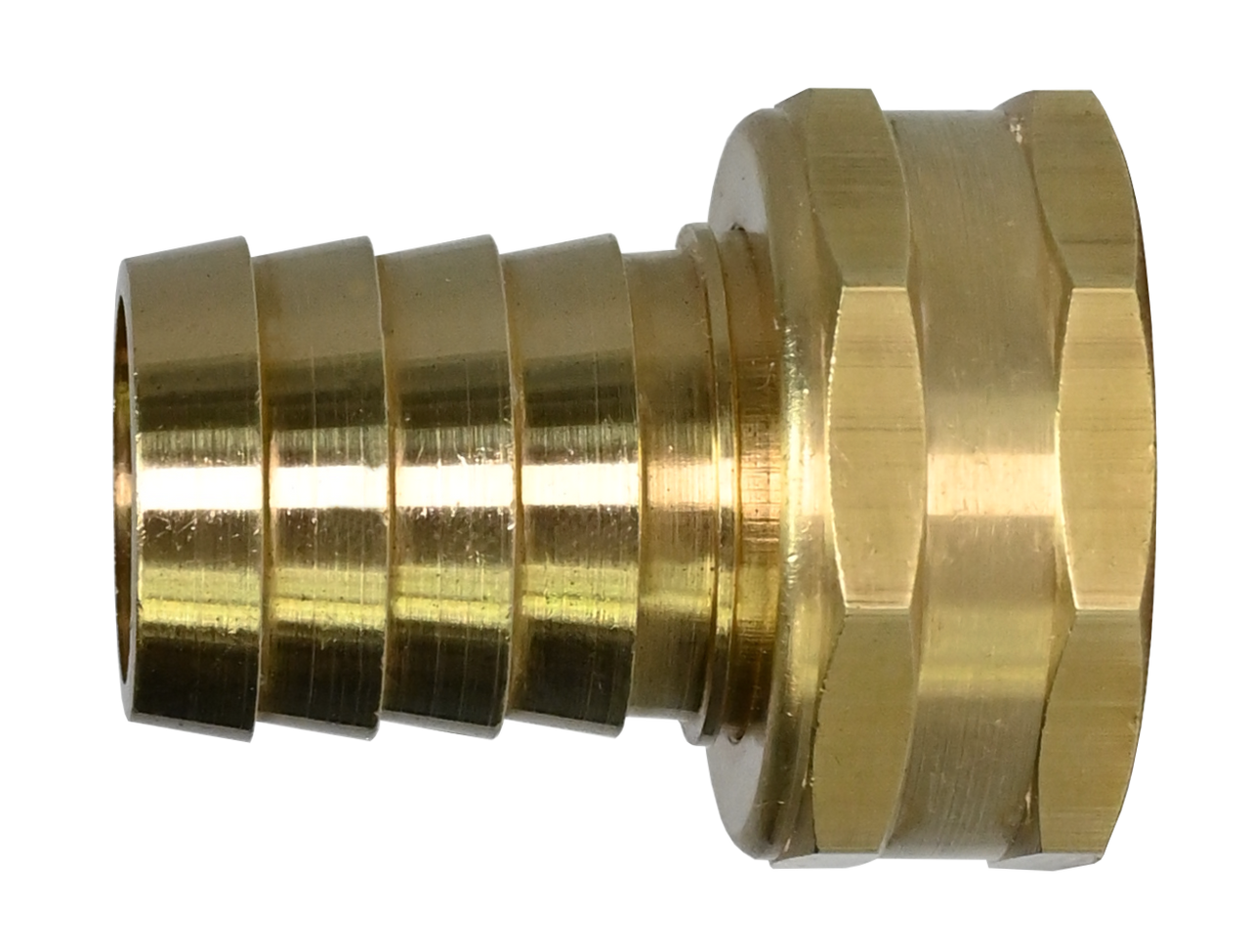
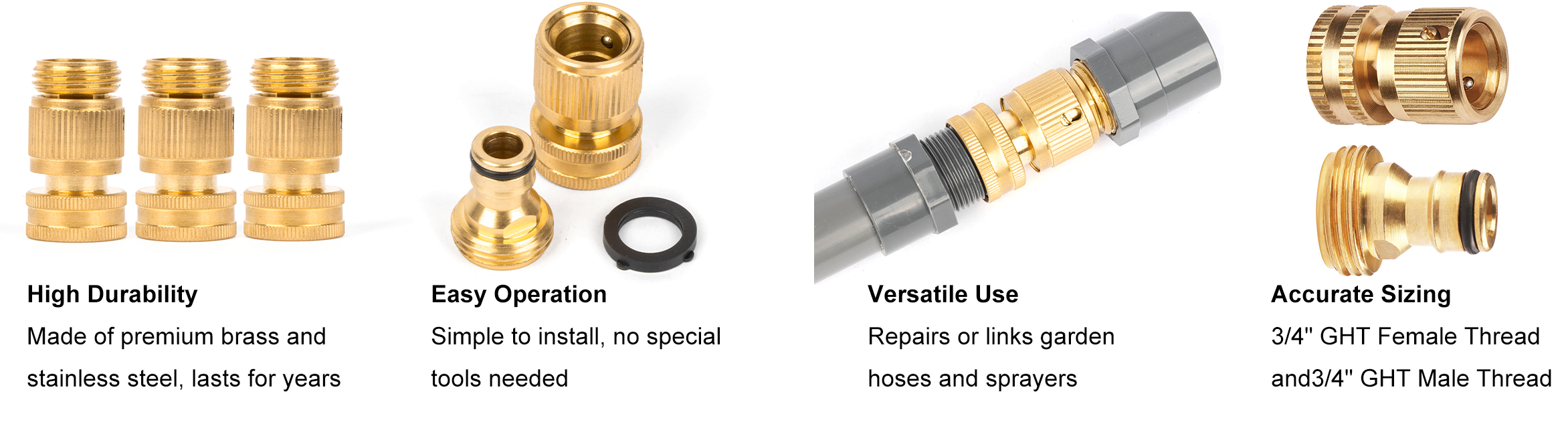
Check the thread type on your gardening tools. Most garden hoses use either BSP or NPT threads. Match the hose thread with your existing equipment. This ensures a leak-free connection. Don't forget to measure the thread size. Common sizes include ¾ inch for garden hoses. Double-check your tool manuals for exact specifications.
Durability Considerations
Durability matters for a long-lasting garden hose. Choose threads made from strong materials. Brass and stainless steel are popular options. They resist rust and wear over time. Plastic threads are less durable but cheaper. Consider how often you use your hose. Frequent use demands a sturdier option.
Ease Of Use
A user-friendly hose thread makes gardening easier. Look for threads with easy-to-grip designs. This helps with quick and effortless connections. Check if the threads fit smoothly. Some hoses have self-sealing threads. These prevent leaks without extra washers. Test the thread to ensure it turns easily.
Maintenance Tips For Hose Threads
Garden hoses typically use a threaded connection called a GHT, or Garden Hose Thread. Regular cleaning prevents dirt buildup in threads. Ensure tight connections to avoid leaks and maintain proper water flow.
Maintaining the threads of your garden hose is crucial for extending its lifespan and ensuring efficient water flow. Neglecting these small yet significant parts can lead to leaks, damage, and frustration. Let's dive into some practical maintenance tips to keep your hose threads in top shape.
Cleaning And Storage
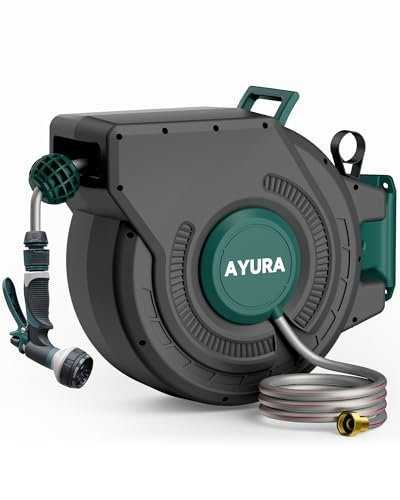
To keep the hose threads clean, periodically check for dirt and debris. A simple wipe with a damp cloth can do wonders. When storing your garden hose, ensure it is fully drained and coiled neatly. Avoid leaving it in direct sunlight, as UV rays can degrade the material. Proper storage prevents the threads from rusting or getting damaged. A dedicated storage area is ideal—consider a hose reel or a wall-mounted bracket.
Preventing Leaks
Leaky threads can be a nuisance. Check the connections regularly to ensure they are tight but not overtightened. Rubber washers are your best friends here. Inspect them for wear and replace them if necessary. Is your hose still leaking despite tight connections? You might want to use plumber’s tape on the threads for an extra seal.
Replacing Damaged Threads
Threads can wear out over time, leading to inefficient water flow. If you notice cracks or severe wear, it's time for a replacement. Don't fret! Replacing hose threads is straightforward. You can find replacement kits at most hardware stores. Follow the manufacturer's instructions for replacing the threads. It's usually a matter of unscrewing the old ones and attaching the new ones securely. Have you ever dealt with a frustrating leak? Or perhaps a hose that just wouldn’t connect properly? Share your experiences and insights below!
Troubleshooting Common Hose Thread Issues
Garden hoses typically use a 3/4 inch diameter with a 11. 5 thread pitch. Identifying the correct thread helps solve common hose connection problems. Proper threading ensures leak-free and secure fittings for efficient watering.
Troubleshooting Common Hose Thread Issues Garden hoses are a staple in any gardening toolkit, but they can sometimes be a source of frustration due to thread issues. Threads play a crucial role in ensuring a secure connection between the hose and its attachments. When problems arise, it’s essential to address them swiftly to maintain efficiency in your gardening tasks.
Cross-threading Problems
Cross-threading occurs when the threads on the hose and attachment don’t align properly. This can lead to damaged threads, making it difficult to achieve a snug fit. Always start threading by hand, ensuring the hose fits snugly before using a wrench. If you encounter resistance, stop immediately and check the alignment. Applying too much force can strip the threads, leading to more extensive repairs. Inspect your hose fittings regularly to catch cross-threading early.
Leaks And Drips
Leaks can be incredibly frustrating and waste precious water. Often, a worn washer inside the hose fitting is the culprit. Replacing the washer is a quick fix that can save you from unnecessary water loss. Another common issue is an improperly tightened connection. Ensure that the hose is securely fastened without over-tightening, which can damage the threads. If the leak persists, consider using Teflon tape for an additional seal.
Connection Difficulties
Sometimes, connecting the hose to a faucet or nozzle can feel like an impossible task. Ensure both the hose and attachment are clean and free of debris. Dirt and grime can obstruct the connection, making it challenging to screw the pieces together. If the connection remains stubborn, a lubricant like silicone spray can ease the process. Regular maintenance and cleaning of your hose and its attachments can prevent these difficulties. Have you ever struggled with a hose connection only to find a simple clean-up was all that was needed?
Innovations In Hose Thread Design
Garden hose threads have evolved to improve connection efficiency. Most garden hoses use the standard Garden Hose Thread (GHT) design. This ensures compatibility with various fittings and attachments, making watering tasks easier.
Innovations in hose thread design have transformed the way we approach garden maintenance. With technological advancements, hose manufacturers have crafted products that are not only more efficient but also environmentally conscious. These innovations have made garden hoses easier to use and more reliable, enhancing your gardening experience in unexpected ways.
Eco-friendly Materials
Modern hose threads are increasingly being made from eco-friendly materials. Manufacturers are opting for recyclable plastics and non-toxic rubber blends. This not only reduces the carbon footprint but also ensures that your garden remains free from harmful chemicals. Consider using hoses made from biodegradable materials. They break down naturally over time, leaving no harmful residues. Choosing such products contributes to a healthier planet and a safer home environment.
Enhanced Durability Features
Today's hoses come equipped with features that significantly boost their durability. Reinforced threads and anti-kink designs ensure that your hose withstands frequent use without compromising performance. This means fewer replacements and a longer lifespan for your gardening tools. UV-resistant coatings protect hoses from sun damage, maintaining their flexibility and strength. This is particularly useful if you store your hose outdoors, as it prevents cracking and wear. Investing in a durable hose saves you money and reduces waste over time. Have you ever thought about how often you replace your garden hose? With these enhanced features, not only do you get a product that lasts, but you also enjoy consistent performance season after season.
Credit: ussolid.com

Credit: www.spraysmarter.com
Frequently Asked Questions
Is 3/4 Npt The Same As Garden Hose?
3/4 NPT and garden hose fittings differ. NPT stands for National Pipe Thread, used for plumbing. Garden hose fittings follow different standards. They are not interchangeable due to different threading and sizes. Always ensure compatibility before connecting.
What Size Thread Is A Standard Garden Hose?
A standard garden hose typically uses a thread size of 3/4-inch GHT (Garden Hose Thread). This common size ensures compatibility with various hose connectors and accessories. Always check the packaging or product description for specific thread size details to ensure a proper fit.
Is Garden Hose Thread The Same As Npt?
Garden hose threads differ from NPT threads. Garden hoses use GHT (Garden Hose Thread), while NPT stands for National Pipe Thread. GHT is not tapered, whereas NPT is. They are not interchangeable due to their distinct threading designs. Always ensure compatibility when connecting hoses or fittings.
Is Garden Hose 3/4 Or 5/8?
Garden hoses commonly come in two sizes: 3/4 inch and 5/8 inch. The 5/8 inch size is popular for residential use due to its flexibility and adequate water flow. The 3/4 inch size is more suitable for commercial or heavy-duty applications, providing higher water volume.
Conclusion
Understanding garden hose threads is crucial. It ensures proper fitting and use. Choosing the right thread prevents leaks and damage. You save time and effort with the right match. Always check compatibility before buying a new hose or attachment. This simple step avoids frustration later.
Remember, not all threads fit all hoses. So, double-check specifications for smooth gardening. A well-fitted hose makes watering easier and more efficient. Enjoy gardening with confidence by knowing your hose thread. This knowledge keeps your garden lush and vibrant, season after season.
Happy gardening!