
Are you wondering what to feed your dove bird to keep it healthy and happy? You're not alone.
Many dove owners want to ensure they're providing the best diet for their feathered friends but often feel overwhelmed by the options. Understanding what your dove needs can make all the difference in its well-being. You'll discover the essential foods that should be part of your dove’s diet.
Get ready to uncover simple feeding tips that will not only satisfy your dove’s nutritional needs but also strengthen the bond between you and your gentle companion. Keep reading to transform your approach to feeding your dove and ensure a long, joyful life together.
Dietary Basics For Doves
Doves are gentle creatures with specific dietary needs. Feeding them properly ensures their health and longevity. Understanding their dietary basics helps in providing a balanced diet. Doves thrive on seeds, grains, and occasional fruits. Knowing their preferences can make feeding them a rewarding experience.
Seeds And Grains
Seeds form the primary part of a dove's diet. Millet, sunflower seeds, and safflower seeds are popular choices. Grains like oats and barley offer essential nutrients. Ensure the seeds are clean and free from mold. A mix of seeds provides variety and nutrients.
Fruits add vitamins and minerals to their diet. Apples, pears, and berries are suitable options. Offer small pieces for easy consumption. Vegetables like spinach and lettuce can be included. They should be fresh and washed thoroughly.
Water Requirements
Clean water is vital for doves. They need fresh water daily. Use a shallow dish for easy access. Ensure the water is changed regularly. This prevents contamination and keeps doves hydrated.
Commercial Dove Mixes
Commercial mixes are convenient and balanced. They contain a variety of seeds and grains. Read labels to understand the ingredients. Choose high-quality mixes for optimal nutrition. Avoid mixes with artificial additives.
A consistent feeding schedule is important. Feed doves twice a day to maintain energy levels. Morning and evening are ideal times. Monitor their eating habits to avoid overfeeding. Adjust portions based on their consumption.
Essential Seeds
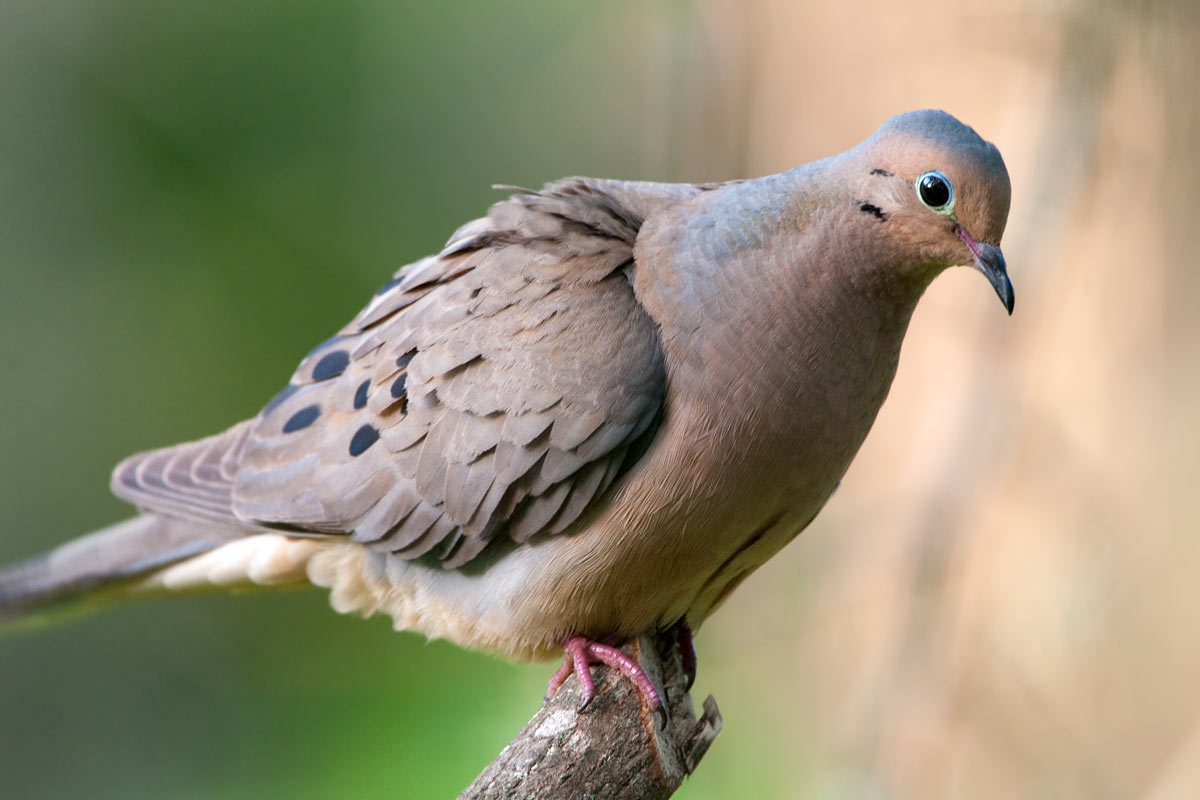
Doves thrive on a diet of essential seeds. These seeds provide the necessary nutrients for their well-being. They offer a balanced diet and boost energy levels. Including a variety of seeds ensures optimal health for your dove.
Millet And Its Benefits
Millet is a staple in a dove's diet. It is easy to digest and rich in carbohydrates. This seed helps maintain energy levels. It is small and easy for doves to consume. Millet is also affordable and widely available. Its crunchy texture is appealing to doves.
Sunflower Seeds In Moderation
Sunflower seeds contain healthy fats and proteins. They support feather health and shine. Offer these seeds in moderation. They are high in fat content. Excessive consumption can lead to weight issues. Sunflower seeds are a tasty treat for doves.
Safflower Seeds
Safflower seeds are beneficial for doves. They provide essential fatty acids and proteins. These seeds support heart health and immune function. Safflower seeds are lower in fat than sunflower seeds. They are also a great alternative for doves. Including them in your dove's diet is wise.
Incorporating Grains
Feeding a dove bird can be a delightful experience. One crucial element of their diet is grains. Grains provide essential nutrients. They support the bird’s health and vitality. Incorporating grains into a dove's diet ensures it receives a balanced meal. This section explores the types of grains best for doves. Understand the importance of whole grains and how to select the right ones.
Role Of Whole Grains
Whole grains play a vital role in a dove's diet. They are packed with nutrients. These nutrients include fiber, vitamins, and minerals. Fiber aids digestion and maintains healthy gut function. Vitamins and minerals boost the immune system. Whole grains help doves maintain energy. They also support feather health. Providing whole grains ensures a well-rounded diet for your dove.
Choosing The Right Grains
Selecting the right grains is crucial. Not all grains are suitable. Safe grains for doves include millet, oats, and barley. Millet is a favorite among doves. It is easy to digest. Oats provide energy and protein. Barley is rich in minerals. Avoid grains that are processed or contain additives. These can harm your dove's health. Always opt for fresh, natural grains. This ensures your dove gets the best nutrition.
Fruits And Vegetables
Dove birds enjoy a diet rich in seeds, grains, and fruits. Offering small pieces of apple, pear, or berries can benefit their health. Fresh vegetables like peas and corn also provide essential nutrients.
Feeding your dove a balanced diet is essential for its health and happiness. While seeds and grains are staples, fruits and vegetables provide vital nutrients. These natural treats can boost your dove’s immune system and enhance its plumage. Including a variety of fruits and vegetables can make mealtime exciting. Let’s dive into some safe options.
Safe Fruits For Doves
Doves enjoy fruits that are easy to chew and digest. Apples (without seeds) are a sweet favorite. They offer vitamin C and fiber. Berries, like strawberries and blueberries, are rich in antioxidants. These can protect your dove against diseases. When offering fruits, ensure they're fresh and washed. Avoid fruits with pits, like cherries, as pits can be toxic. Bananas are another safe option. They are soft and packed with potassium. Your dove will love these as a treat.
Nutritious Vegetables
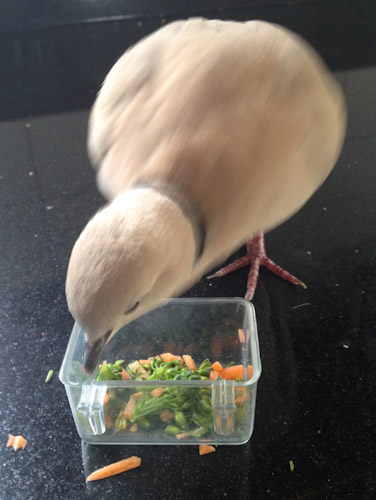
Vegetables are a powerhouse of vitamins. Carrots can be given raw or cooked. They are high in vitamin A, which is great for your dove’s eyesight. Spinach is another healthy option, providing iron and calcium. Peas are small and easy for doves to eat. They contain protein and fiber. Broccoli is also beneficial. It has vitamin K and is good for bone health. Always serve vegetables in small portions to avoid spoilage. Have you ever noticed how doves peck eagerly at certain vegetables? They seem to have their favorites just like us. Observing what your dove enjoys most can make feeding time more interactive. Ensuring variety in fruits and vegetables keeps your dove’s diet interesting and nutritious. What new fruit or vegetable will you introduce to your feathered friend today?
Protein Sources
Feeding a dove bird can be a delightful experience, especially when you understand the importance of a balanced diet. Protein is a crucial component for their health and vitality. It's not just about keeping them full; it's about nourishing their bodies to support growth, repair, and overall well-being. Whether you're a first-time bird owner or have an entire aviary, knowing the right protein sources can make all the difference in your dove's life.
Importance Of Protein
Protein plays a vital role in a dove's diet. It aids in feather development, muscle growth, and supports the immune system. Imagine the difference between a dull-feathered dove and one with vibrant plumage. That's the magic of protein. It's like the building blocks of their little bodies, crucial for their development and energy levels.
Have you ever noticed your dove looking lethargic or uninterested in its surroundings? It might be lacking sufficient protein. Just like humans, doves need a steady supply of protein to thrive. Without it, they might become more susceptible to diseases and have less energy for flying and playing.
Common Protein Options
It's easier than you might think to provide your dove with the protein it needs. Seeds are one of the most common sources. Look for options like sunflower seeds and millet, which are rich in protein. They are not only nutritious but also loved by doves.
Legumes such as lentils and peas can be a wonderful addition to their diet. Cook them lightly and offer them as a treat. You'll be surprised at how quickly your dove will take to these little powerhouses.
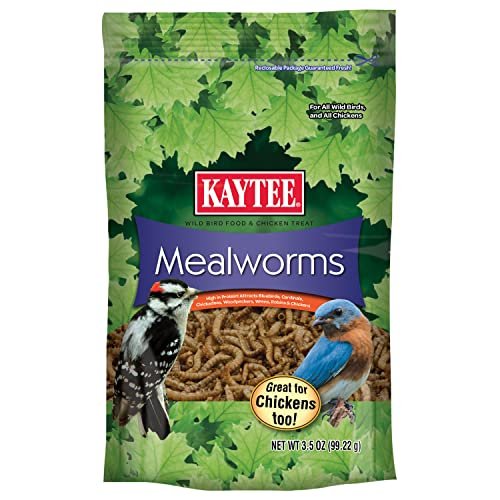
If you're up for a little adventure, try offering mealworms. They might sound unusual, but they're packed with protein and can be a fun snack for your dove. Just make sure they are fresh and safe for consumption.
Consider rotating these protein sources to keep your dove's diet interesting and balanced. What happens if you mix a little creativity with care? You get a dove that's not only healthy but also happy.
How do you ensure your dove gets the right balance of protein? It's all about variety and attention to their needs. Keep experimenting with different options and observe how your dove responds. Isn't it fascinating how a little change in diet can lead to a more vibrant and energetic bird?
Supplements And Minerals
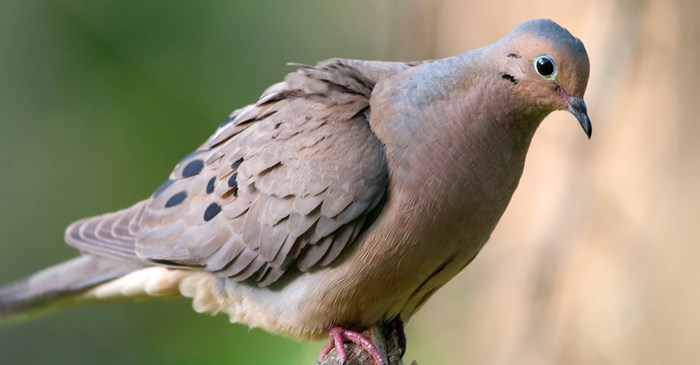
Dove birds need a balanced diet with essential supplements and minerals. Offer seeds, grains, and pigeon pellets. Include grit and cuttlebone for calcium, ensuring strong bones and healthy eggs. Fresh water is vital for their overall well-being.
Feeding a dove involves more than just seeds. Supplements and minerals play a crucial role in their diet. These elements ensure your dove stays healthy and active. They help in bone development, feather quality, and overall vitality. Proper supplements make a significant difference in a dove's life.
Calcium Needs
Calcium is vital for doves. It strengthens bones and supports egg production. Without enough calcium, doves may face health issues. Provide cuttlebone or crushed oyster shells. These are excellent calcium sources. A sprinkle of calcium powder can also help. Ensure your dove receives this essential mineral daily.
Vitamins For Health
Vitamins are key to a dove's well-being. They boost the immune system and improve metabolism. Vitamin A supports vision and feather health. Vitamin D aids in calcium absorption. Offer a balanced vitamin supplement. Fresh fruits and vegetables can also provide essential vitamins. Keep your dove's diet varied and rich in nutrients.
Hydration Essentials
Dove birds thrive on a balanced diet rich in seeds and grains. Fresh water is crucial for their health and hydration. Ensure a constant supply of clean water to support their wellbeing.
Hydration plays a crucial role in a dove's health. Providing clean water ensures they stay active and vibrant. Understanding how to keep your dove hydrated is essential for their well-being. Let's dive into the essentials of dove hydration.
Providing Fresh Water
Doves need fresh water daily. Use a shallow dish to make drinking easy. Change the water every day to keep it clean. Dirty water can cause health issues. Always check the water level. Doves can be messy drinkers.
Avoiding Dehydration
Dehydration is dangerous for doves. Watch for signs like fluffed feathers. They may appear less active. Ensure water is always available. During hot weather, check water more often. Consider placing multiple water dishes. This helps if one becomes dirty. Proper hydration keeps your dove healthy and happy.
Feeding Schedule
Doves thrive on a diet of seeds and grains like millet, sunflower, and corn. Fresh fruits and vegetables, such as peas and carrots, are nutritious additions. Ensure clean water is always available to keep them hydrated and healthy.
Feeding a dove bird requires a thoughtful schedule to ensure it thrives. Doves, like all birds, need consistency in their daily routine to maintain optimal health. Understanding the right times and amounts to feed your dove can make all the difference. You might wonder how your feeding habits impact your dove's health. Let's dive into the specifics of a feeding schedule that sets your feathered friend up for success.
Optimal Feeding Times
Doves are creatures of habit and often prefer eating at the same times each day. Morning is an excellent time to feed your dove, ideally around 8-9 AM. This aligns with their natural rhythm and ensures they start the day with energy. Consider offering a second meal in the late afternoon, around 4-5 PM. This helps maintain their energy levels and prepares them for a restful night. Have you noticed how doves often seek food early in the day? This is a chance to bond with your dove during feeding times, observing their behavior and preferences.
Portion Control
Maintaining appropriate portion sizes is crucial for your dove's health. A balanced diet includes seeds, grains, and fresh greens. A tablespoon of seeds per feeding session is typically sufficient. Monitor your dove's weight and activity level. Adjust portions accordingly if you notice changes. Overfeeding can lead to obesity, impacting their health and lifespan. It's easy to be generous with treats, but moderation is key. Remember, a healthy dove is a happy dove. How do you balance the joy of giving treats with the need for portion control? Creating a feeding schedule for your dove is not just about providing food. It's about nurturing a routine that benefits both you and your bird. With thoughtful timing and portion control, you can support your dove's well-being every day.
Avoiding Harmful Foods
Doves thrive on seeds, grains, and fruits. Avoid feeding them chocolate, avocado, or caffeine, as these are harmful. Fresh water and a balanced diet ensure their health and happiness.
Feeding doves requires careful attention to their dietary needs. Not all foods are safe for these delicate birds. Understanding which foods to avoid is crucial. Harmful foods can lead to health issues. Protecting your dove’s health starts with knowledge.
Toxic Foods To Avoid
Some foods are toxic to doves. Avocado is dangerous for doves. It contains persin, which harms birds. Chocolate is another toxic food. Even small amounts can be lethal. Avoid feeding doves caffeine. It can cause heart problems. Onions and garlic are also harmful. They can damage red blood cells. Keep these foods away from your dove.
Understanding Food Sensitivities
Doves may have food sensitivities. Some grains can upset their stomach. Monitor any reactions to new foods. Spicy foods are not suitable for doves. They can irritate their digestive system. High-fat foods may lead to obesity. Choose lean options for your dove. Be mindful of artificial additives. Natural foods are best for doves. Regularly check for signs of discomfort.
Monitoring Dove Health
Dove birds thrive on a diet of seeds, grains, and fresh vegetables. Offering millet, sunflower seeds, and cracked corn ensures balanced nutrition. Fresh greens like spinach and kale add essential vitamins. Regularly monitor their food intake to maintain optimal health.
Monitoring the health of your dove bird is crucial to ensuring its overall well-being. Doves are gentle creatures with specific dietary needs, and keeping a close watch on their health can prevent potential issues. If you're noticing changes in behavior or physical appearance, it might be time to reassess their diet. Let's dive into how you can identify nutritional deficiencies and when it's necessary to seek veterinary help.
Signs Of Nutritional Deficiency
Is your dove looking less vibrant or acting differently? This could be a sign of nutritional deficiency. You might notice their feathers looking dull or their weight fluctuating. These are indicators that their diet needs adjustment. A balanced diet for doves includes seeds, grains, and occasional fruits. Missing any of these can impact their health. It's essential to watch for changes in their droppings, as unusual color or consistency can signal a lack of nutrients. Keep an eye on their energy levels too. A less active dove might need more vitamins or minerals.
When To Consult A Vet
Have you ever had the feeling that something's not quite right with your dove? If you're unsure, consulting a vet is a smart move. Professional guidance can help you pinpoint the exact nutritional gaps. Sometimes, just a minor tweak in their diet can make a big difference. But if the signs persist, a vet's expertise becomes crucial. They can run tests and provide specific dietary recommendations. Don’t wait for things to worsen; early intervention can prevent serious health issues. You might wonder if it's really necessary to consult a vet. Think of it as an investment in your dove's future. Your pet's health is worth the attention and care. Remember, a healthy dove is a happy dove, and they rely on you to keep them thriving. What steps will you take today to ensure your dove's optimal health?
Frequently Asked Questions
What Can I Feed A Dove At Home?
Feed doves a mix of seeds, such as millet, safflower, and cracked corn. Offer fresh fruits and vegetables like peas, spinach, and carrots. Provide clean water daily. Avoid feeding them bread or processed foods. Ensure their diet is balanced for optimal health.
Can You Feed A Wild Dove?
Yes, you can feed wild doves. Offer seeds like millet, sunflower, and cracked corn. Avoid processed foods and bread. Ensure fresh water is available. Feeding helps them during food shortages. Always keep feeding areas clean to prevent disease.
What Does It Mean When A Dove Stays In Your Yard?
A dove in your yard symbolizes peace, love, and hope. It can also signify good luck and new beginnings. Observing a dove may suggest harmony or a spiritual message from nature. Embrace its presence as a positive sign.
How To Befriend A Mourning Dove?
Place bird feeders with seeds to attract mourning doves. Approach them slowly and avoid sudden movements. Create a safe, quiet environment for them. Consistently offer food to build trust. Over time, they may become comfortable with your presence. Always respect their space and observe from a distance.
Conclusion
Feeding doves requires attention and care. Offer a balanced diet for their health. Seeds, grains, and fresh fruits make great choices. Don't forget clean water daily. Avoid processed foods and harmful chemicals. A healthy diet keeps your dove happy. Observe their eating habits.
Adjust food types if needed. Each dove is unique. Understanding their needs ensures their well-being. A well-fed dove thrives. Enjoy the bond with your feathered friend.