Are you tired of finding your plants nibbled on by pesky rabbits? You’re not alone.
Those little critters can quickly turn your beautiful garden into a buffet. But don’t worry—there are simple sprays you can use to keep rabbits away without harming your plants. You’ll discover easy, effective solutions that protect your garden and let your plants thrive.
Keep reading to find out exactly what to spray on your plants to stop rabbits in their tracks.

Credit: www.amazon.com
Why Rabbits Target Plants
Rabbits eat plants because they need food to survive. Plants provide the nutrients rabbits need.
They like tender leaves, stems, and flowers. Plants in gardens are easy to reach and tasty.
Common Garden Plants At Risk
Rabbits often eat certain plants more than others. These plants are soft and sweet.
- Carrots and lettuce
- Beans and peas
- Tomatoes and peppers
- Marigolds and tulips
- Hostas and pansies
These plants have tender leaves or roots that rabbits find easy to eat.
Rabbit Feeding Habits
Rabbits eat many times a day. They prefer new growth and soft parts of plants.
They often feed early in the morning and late in the evening. Rabbits use their strong teeth to bite plants close to the ground.
- Eat mostly leaves, stems, and flowers
- Prefer fresh and tender plant parts
- Feed quietly to avoid danger
- Can damage plants quickly
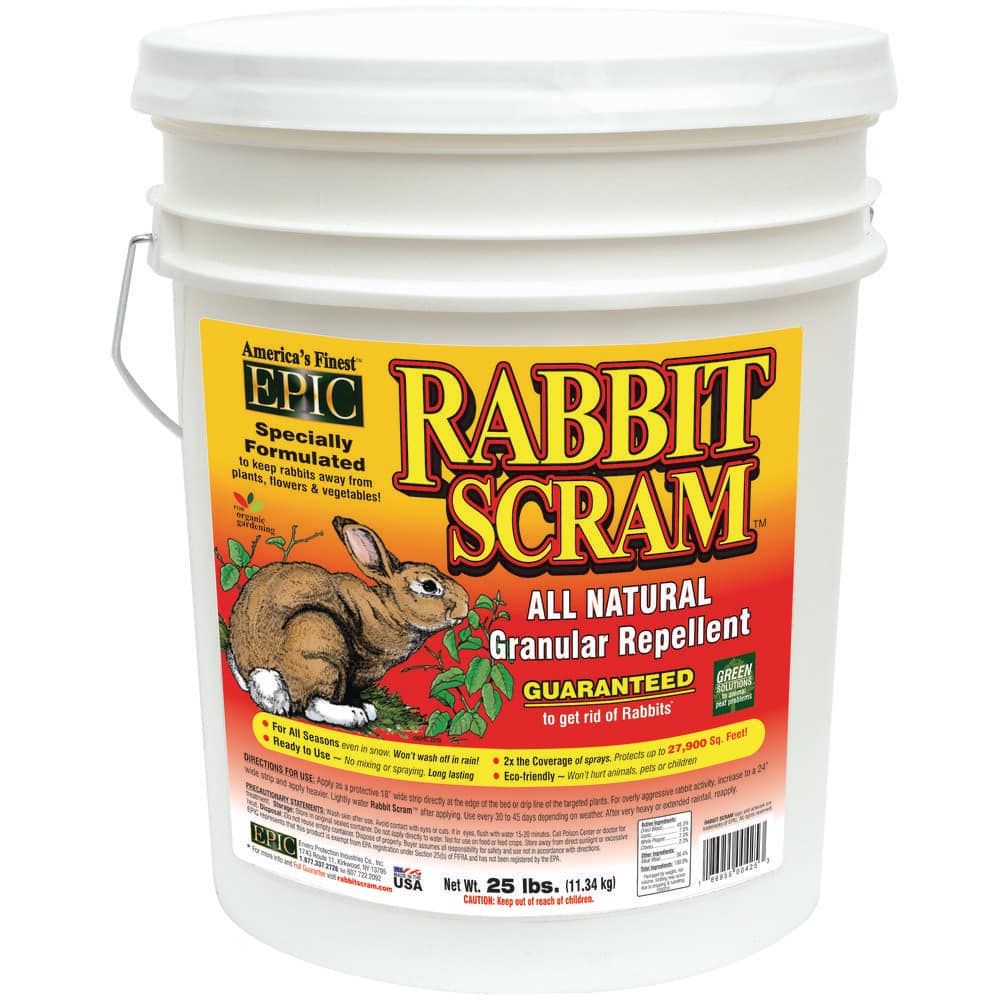
Credit: www.homedepot.com
Signs Of Rabbit Damage
Rabbits can harm plants in gardens and yards. It is important to spot the signs early. This helps protect your plants effectively.
Look carefully at your plants and soil to find clues of rabbit activity. Knowing what to watch for makes it easier to act fast.
Typical Plant Damage
Rabbits chew on leaves, stems, and bark. They often leave plants looking ragged or broken. Young plants and shoots are their favorite targets.
You may see clean cuts on stems or missing leaves. Bark on small trees can be stripped off near the ground. This weakens the plant and slows growth.
- Leaves with bite marks or holes
- Broken or chewed stems
- Missing bark on tree trunks near soil
- Young plants cut off near the base
Identifying Rabbit Tracks
Rabbit tracks help confirm if rabbits are nearby. Their footprints are small and round. Look for tracks in soft soil or mud near plants.
Rabbit tracks usually show four toes on the front feet and five on the back feet. The back feet are longer and often appear ahead of the front feet.
- Small, round prints about 1 to 2 inches long
- Four toes on front feet, five on back feet
- Tracks in soft soil or mud near plants
- Hopping pattern with larger back footprints
Natural Ingredients That Repel Rabbits
Rabbits can damage plants in gardens and yards. Using natural sprays helps keep them away safely. These sprays use ingredients that rabbits dislike.
Natural sprays avoid harmful chemicals. They protect plants and the environment at the same time.
Garlic And Onion Sprays
Garlic and onion have strong smells that rabbits do not like. You can make a spray from crushed garlic or onion mixed with water. Spray it on plants to keep rabbits away.
These sprays are safe and easy to make. The smell fades in a few days, so reapply often.
- Crush 2-3 garlic cloves or one onion
- Mix with 1 liter of water
- Let sit for 24 hours
- Strain and pour into a spray bottle
- Spray on plants every few days
Hot Pepper Solutions
Hot peppers contain capsaicin, which irritates rabbits' noses and mouths. A spray made from hot peppers can stop them from nibbling plants. It works by making plants taste bad to rabbits.
Use chili powder or fresh hot peppers to make the spray. Avoid touching your face after handling hot peppers.
- Blend 1-2 hot peppers with 1 liter of water
- Add a few drops of dish soap to help spray stick
- Strain the mixture well
- Spray plants every week or after rain
Essential Oils And Herbs
Essential oils like peppermint and rosemary smell strong and repel rabbits. Planting herbs such as lavender and thyme also helps keep rabbits away. You can make a spray by mixing essential oils with water.
Herbs add beauty to your garden and protect plants naturally. Use oils carefully and test on a small plant area first.
- Mix 10-15 drops of peppermint or rosemary oil with 1 liter of water
- Add a teaspoon of mild soap to help mix
- Shake well before spraying
- Spray plants every few days
- Plant herbs like lavender, thyme, and sage nearby
Diy Rabbit Repellent Recipes
Rabbits can damage plants by eating leaves and stems. Using sprays can help keep rabbits away without harming them.
Many homemade sprays use natural ingredients that rabbits dislike. These sprays are easy to make and safe for gardens.
Simple Homemade Sprays
Some plants and spices naturally repel rabbits. You can make sprays using these to protect your garden.
- Garlic spray: Crush 3-4 garlic cloves and soak in water overnight. Strain and spray on plants.
- Hot pepper spray: Mix 1 tablespoon of hot pepper sauce or powder with 1 quart of water. Spray on leaves.
- Vinegar spray: Dilute white vinegar with water (1 part vinegar to 3 parts water). Spray around plants but avoid direct leaf contact.
Combining Ingredients For Effectiveness
Mixing several ingredients can make a stronger rabbit repellent. These combinations work better to keep rabbits away.
- Garlic and hot pepper spray: Blend 3 garlic cloves, 1 tablespoon hot pepper powder, and 1 quart water. Let sit overnight and strain.
- Vinegar and soap spray: Mix 1 cup vinegar, 1 tablespoon liquid soap, and 1 quart water. Soap helps the spray stick to plants.
- Herb and spice spray: Boil water with rosemary, thyme, and chili flakes. Cool, strain, and spray on plants.
How To Apply Repellents Safely
Spraying plants with repellents helps keep rabbits away. Use the right methods to protect both plants and pets.
Follow safety tips to avoid harming your plants or the environment. Apply repellents carefully and at the right times.
Best Times To Spray
Spray repellents early in the morning or late in the evening. Avoid spraying in direct sunlight to prevent leaf damage.
Do not spray before rain. Water can wash away the repellent, making it ineffective.
- Spray when plants are dry
- Avoid windy days to limit drift
- Reapply after heavy rain
- Check label for specific timing
Protecting Your Plants
Test repellents on a small leaf before full use. Some sprays may cause burns or discoloration on sensitive plants.
Wear gloves and avoid contact with skin. Keep pets and children away until the spray dries completely.
- Use gentle, plant-safe repellents
- Follow instructions on product labels
- Spray evenly to cover all parts
- Store repellents out of reach

Credit: www.amazon.com
Additional Methods To Keep Rabbits Away
Rabbits can damage plants by eating leaves and stems. Spraying plants helps, but other ways can protect your garden too.
Using physical barriers and choosing the right plants can keep rabbits away without harming them.
Physical Barriers
Physical barriers stop rabbits from reaching plants. Fences are the most common option. Use wire mesh or chicken wire about 2 feet tall.
Keep the bottom edge tight to the ground. Bury it a few inches deep to stop rabbits from digging under. You can also use cloches or plant cages around small plants.
- Use 1-inch mesh wire fences
- Make fences at least 2 feet high
- Bury fence edges 6 inches deep
- Cover young plants with cages or cloches
Plant Selection Strategies
Some plants do not attract rabbits. Choosing these plants reduces damage. Rabbits avoid strong smells and bitter tastes.
Consider planting herbs and flowers that rabbits dislike near your garden. This can act as a natural rabbit repellent.
- Lavender has a strong smell rabbits avoid
- Marigolds taste bitter to rabbits
- Rosemary has a strong scent
- Sage and thyme repel rabbits
- Daffodils are toxic to rabbits
Maintaining Long-term Rabbit Control
Keeping rabbits away from your plants is a common challenge for gardeners. Using sprays can help protect your plants, but long-term control needs regular care.
Choosing the right spray and using it correctly helps keep rabbits from returning. You also need to watch your garden often to spot any new rabbit activity.
Reapplying Repellents
Most rabbit repellents lose their strength after some time. Rain, watering, and sunlight can wash away or break down sprays. You must apply repellents again to keep plants safe.
Spray your plants every few weeks or after heavy rain. Follow the instructions on the repellent label for the best timing and safety tips.
- Check weather to avoid spraying before rain
- Use gloves to protect your skin
- Spray evenly on leaves and stems
- Repeat every 2-4 weeks or as needed
Monitoring Rabbit Activity
Watch your garden regularly to see if rabbits return. Look for signs like chewed plants, footprints, or droppings. Early spotting helps you act quickly.
Keep a journal or take photos to track where rabbits cause the most damage. This helps you target those areas with sprays or other controls.
- Inspect plants every week
- Note any new damage or tracks
- Adjust spray areas based on activity
- Use barriers if needed in high-risk spots
Frequently Asked Questions
What Natural Sprays Deter Rabbits From Plants?
Natural sprays like garlic or pepper sprays can deter rabbits effectively. These sprays have strong scents and tastes that rabbits dislike. You can easily make them at home by mixing garlic or hot pepper with water. Regular application ensures optimal protection for your plants.
How Often Should I Spray To Repel Rabbits?
For best results, spray your plants every two weeks. Reapply after heavy rain, as water can wash away the spray. Consistent application enhances the effectiveness of the repellent, ensuring rabbits stay away from your garden.
Are Commercial Rabbit Repellents Effective For Plants?
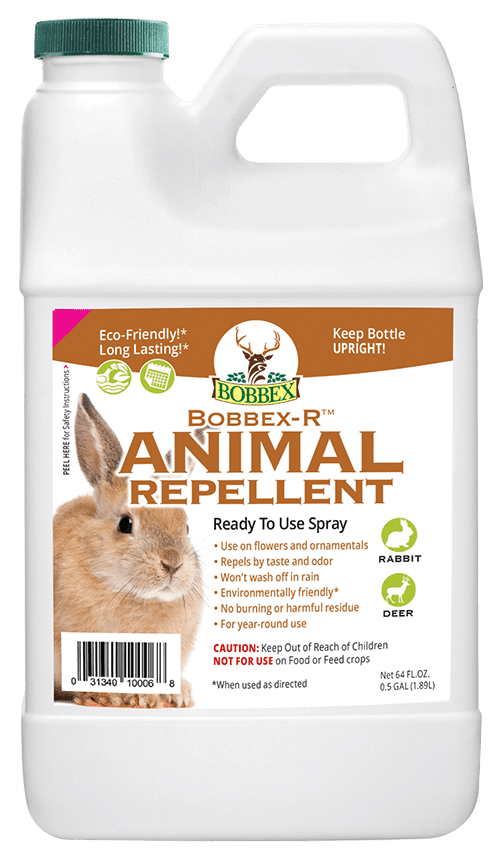
Yes, commercial rabbit repellents are effective and convenient. They are specifically formulated to deter rabbits with strong scents and tastes. Always follow the instructions on the product label for optimal results. Regular use can help protect your plants from rabbit damage.
Can Homemade Sprays Harm My Plants?
Homemade sprays are generally safe when used correctly. However, always test a small area first to ensure no adverse effects. Avoid over-application, as it might affect plant growth. Properly dilute the ingredients to ensure the safety of your plants.
Conclusion
Spraying plants to keep rabbits away helps protect your garden. Natural sprays like garlic, chili, and vinegar work well. These sprays create smells rabbits dislike, so they stay away. Applying sprays regularly keeps plants safe and healthy. Try different sprays to find what works best.
Keep your garden rabbit-free with simple, safe sprays. Enjoy growing plants without worrying about rabbits.