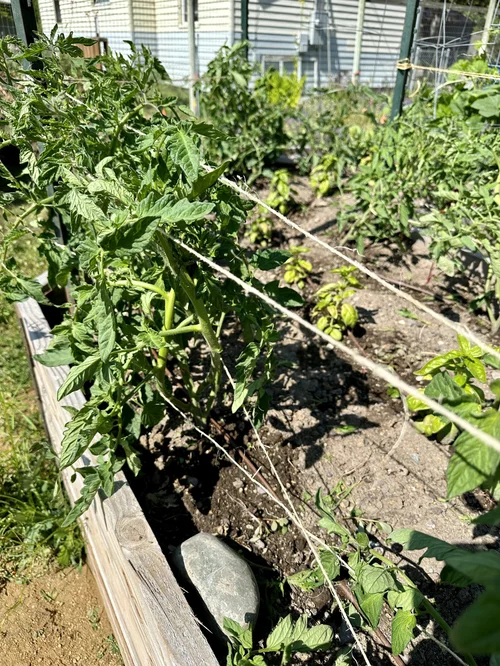
Are your tomato plants growing faster than you can handle? You might find yourself wondering how best to support those heavy vines bursting with juicy fruit.
With so many options available, it can be a bit overwhelming to decide what to use to tie up your tomato plants. The right choice can make all the difference in ensuring a bountiful harvest. Imagine your garden thriving, with each tomato perfectly supported, reducing damage and maximizing growth.
Ready to discover the best methods to keep your tomatoes happy and healthy? Let’s dive into the essentials that will transform your garden into a tomato paradise.

Credit: m.youtube.com
Common Challenges In Tomato Plant Support
Twine, soft cloth strips, and garden tape are ideal for tying up tomato plants. These materials provide gentle support without damaging the stems, ensuring healthy growth. Proper support helps prevent breakage and promotes better fruit production.
Tomato plants can be a gardener's delight, but supporting them properly is crucial for a bountiful harvest. Many gardeners face common challenges in providing adequate support for these vibrant plants. Struggling with drooping stems or broken branches is not uncommon, especially when the plants are laden with juicy tomatoes. Providing the right support can prevent these issues and ensure your plants thrive.
Choosing The Right Support Material
Selecting the right material to tie up your tomato plants can make all the difference. Some gardeners swear by using soft cloth strips, while others prefer garden twine. The key is to use something gentle that won't cut into the stem as it grows. Avoid using thin string or wire, which can cause damage.
Dealing With Heavy Fruit Loads
One of the biggest challenges is managing the weight of the tomatoes. As they ripen, their weight can pull branches down, risking breakage. To combat this, consider using a combination of stakes and cages for extra support. This dual approach can distribute the weight more evenly.
Preventing Damage To Stems
Preventing stem damage is crucial for healthy tomato plants. When tying them up, ensure that the ties are loose enough to allow for growth, but secure enough to hold the plant upright. Regularly check your ties and adjust them as needed. This proactive approach can save your plants from stress and potential damage.
Adjusting To Growth Patterns
Tomato plants grow quickly, and their support needs change just as fast. Check your plants weekly and adjust the ties and supports to accommodate new growth. This not only helps the plant grow more robustly but also ensures that you're not inadvertently stunting its development.
Ensuring Optimal Sunlight Exposure
Proper support not only keeps your plants healthy but also ensures they receive adequate sunlight. By keeping the plants upright and well-supported, you maximize their exposure to sunlight, encouraging better growth and fruit production. Are your tomato plants getting enough sunlight with their current support system? By addressing these common challenges with practical solutions, you can enjoy a fruitful tomato harvest. Remember, the right support system can make all the difference in nurturing your plants to their full potential.
Choosing The Right Material
Choosing the Right Material Twine, soft cloth strips, or gardening tape are ideal for tying up tomato plants. These materials provide support without damaging the stems. Avoid using wire or anything sharp that could cut into the plant.
Choosing the right material to tie up tomato plants is crucial for healthy growth. The proper support helps prevent damage and encourages upright growth. Each material has its own benefits, depending on the garden setup and tomato variety.
Natural Twine
Natural twine is a popular choice for gardeners. It is biodegradable and gentle on plants. Twine provides adequate support without harming stems. It’s also easy to find in most garden centers.
Soft Cloth Strips
Soft cloth strips offer a gentle touch to delicate tomato plants. Old t-shirts or sheets can be repurposed for this use. Cloth strips are soft, preventing cuts on stems. They also allow for easy adjustments as plants grow.
Plastic Plant Ties
Plastic plant ties are durable and weather-resistant. They hold plants securely, even in strong winds. These ties are adjustable, making them suitable for various plant sizes. They provide a long-lasting solution in the garden.
Velcro Plant Ties
Velcro plant ties are reusable and easy to use. They can be adjusted quickly as plants grow taller. Velcro ties provide a secure hold without damaging stems. Their flexibility makes them ideal for frequent adjustments.
Jute String
Jute string is eco-friendly and strong. It supports plants well and decomposes naturally. Jute is a favorite for organic gardeners. It blends in with natural surroundings, keeping the garden visually appealing.
Wire Tomato Cages
Wire tomato cages offer structured support. They are ideal for larger tomato varieties. Cages keep plants upright and support heavy fruit. This method requires minimal tying, reducing maintenance efforts. Choose wisely based on your garden needs and plant types. Proper material ensures healthy growth and reduces plant stress.
Natural Materials
Tomato plants need support to grow strong and healthy. Using natural materials to tie them offers an eco-friendly solution. These materials are biodegradable and gentle on plants. They blend into the garden, providing a natural look. Let's explore some popular options for tying up tomato plants.
Twine And String
Twine and string are classic choices for tying tomato plants. They are easy to find and inexpensive. Cotton twine works well because it is soft and won't cut into stems. Hemp string is another great option. It is durable and holds up well in weather. Both types are biodegradable, making them a sustainable choice. Simply cut the twine or string to your desired length. Loop it around the plant and secure it to a stake or trellis.
Raffia And Jute
Raffia and jute are also excellent for tying tomato plants. Raffia is a natural fiber from palm leaves. It is soft and flexible, ideal for delicate stems. Jute is a strong plant fiber, often used in gardening. It is durable and biodegradable. These materials are easy to use and look natural in the garden. To tie your plants, cut strips of raffia or jute. Gently wrap them around the plant and support structure.

Credit: savvygardening.com
Synthetic Options
Synthetic options like soft plant ties or reusable Velcro strips provide gentle support for tomato plants. These materials avoid damage, ensuring healthy growth and easy adjustments as plants thrive.
When it comes to tying up tomato plants, synthetic materials offer durability and flexibility, making them a popular choice among gardeners. These materials often provide a more robust solution compared to natural options, ensuring your plants are supported throughout their growth cycle. But which synthetic material should you choose?
Garden Tape
Garden tape is a versatile option that many gardeners swear by. It's specifically designed for plant support, offering a gentle hold that doesn't damage stems. Available in various thicknesses, garden tape is easy to cut and apply. You can adjust the tightness to secure your tomatoes without restricting their growth. One gardener shared that using garden tape saved her tomato plants during a windy season. The flexibility allowed her to re-tie plants as they grew, providing consistent support. Have you tried garden tape yet?
Wire And Cable Ties
Wire and cable ties might seem like unconventional choices, but they can be surprisingly effective. These ties provide a strong hold, perfect for heavier plants or when wind is a concern. While they need careful application to avoid cutting into stems, their sturdiness can be a lifesaver for your tomato plants. A friend of mine uses cable ties and swears by their reliability, especially during stormy weather. Could this be the robust solution your garden needs? Consider these synthetic options and see which fits your gardening style best. Remember, the right support can make all the difference in nurturing your thriving tomato plants.
Recycled And Eco-friendly Choices
Choosing eco-friendly methods to tie up tomato plants is beneficial. It reduces waste and supports sustainable gardening practices. Using recycled materials is a simple way to achieve this. By reusing old items, you contribute to a healthier planet.
Old T-shirts And Fabric Strips
Old t-shirts can serve a new purpose in your garden. Cut them into strips to create soft ties. These fabric strips are gentle on tomato stems. They prevent damage as plants grow. The fabric's flexibility allows for easy adjustment. This ensures the plant gets the right support without being too tight.
Recycled Plastic Options
Recycled plastic products also offer great solutions. Use old plastic bags by cutting them into strips. These strips are durable and weather-resistant. They provide strong support for tomato plants. Another option is using plastic bottle necks. Cut them into rings and use as plant ties. This method ensures that you repurpose plastic waste effectively.
Diy Solutions
If you've ever found yourself in the midst of a gardening dilemma, staring at your tomato plants and wondering how to best support them, you're not alone. Tying up tomato plants is crucial for their health and productivity. While commercial options abound, DIY solutions offer a creative and cost-effective approach. Let's dive into some homemade methods that are both practical and resourceful.
Homemade Twine
Creating your own twine is a simple yet effective way to support your tomato plants. Using materials like strips of old cotton t-shirts or linens, you can fashion sturdy ties that won't damage the stems. This DIY method not only saves money but also gives new life to items you might otherwise discard.
Consider twisting several strips together for added strength. This approach ensures that your twine is robust enough to withstand strong winds or heavy fruit. Plus, cotton is gentle on plants, reducing the risk of cutting into the stems.
Repurposing Household Items
Your home is a treasure trove of potential tomato ties. Items like old pantyhose, shoe laces, or plastic bags can be repurposed into effective plant supports. These materials are typically soft and flexible, making them ideal for securing plants without causing harm.
Why not raid your junk drawer or closet for forgotten items? It's surprising how many household materials can be adapted for garden use. Could an old belt be the perfect tomato support? You won't know until you try!
Using household items not only provides an eco-friendly solution but also adds a touch of personalization to your garden. It's a sustainable practice that helps reduce waste while nurturing your green thumb.
Tips For Effective Tying
Tying tomato plants properly is crucial for healthy growth and abundant harvests. Using the right techniques ensures the plants stay upright and undamaged. Here are essential tips for effective tying that promote healthy development.
These tips help secure your tomato plants while encouraging growth.
- Choose soft materials like cloth strips or twine.
- Ensure ties are loose but supportive.
- Check ties regularly to adjust as needed.
Avoiding Damage
Preventing damage is key when tying tomato plants. Use soft ties to cushion stems. Avoid thin or sharp materials that can cut or bruise. Position ties below fruit clusters to support without stress.
Adjusting For Growth
Tomato plants grow quickly. Regularly check and adjust ties to avoid constriction. Expand ties as stems thicken. This prevents stunting and encourages healthy development. Monitor growth weekly for best results.
Comparing Costs And Durability
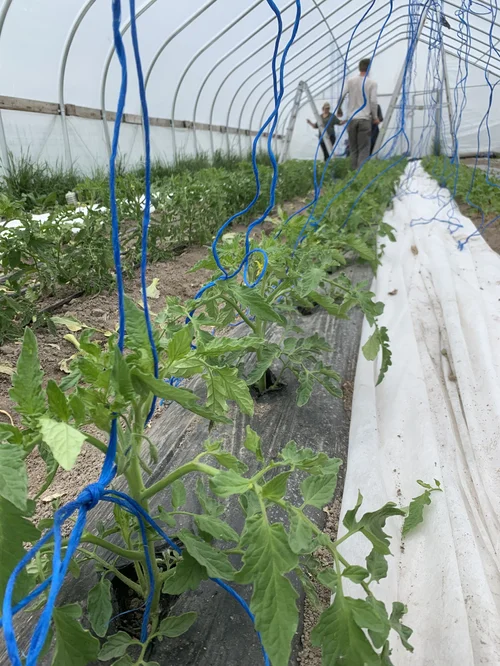
Choosing materials for tying tomato plants involves comparing costs and durability. String is affordable but may break over time. Twine offers strength, providing long-lasting support for growing plants.
Comparing costs and durability is crucial when tying up tomato plants. The right choice ensures healthy growth and long-term support. Some materials offer more durability, while others are more budget-friendly. Each option has its pros and cons. Let's explore them with these insights.
Twine
Twine is a popular choice for gardeners. It's affordable and easy to use. Natural twine, like jute, is biodegradable. However, it may not last the entire season. Synthetic twine offers more durability but lacks eco-friendliness. Consider how much you want to invest and the environmental impact.
Cloth Strips
Cloth strips are a clever way to recycle old materials. They're gentle on plants, reducing stem damage. Many use old T-shirts or sheets, cutting them into strips. This method is cost-effective and sustainable. Yet, cloth strips may fray or weaken over time. Regular checks are necessary to ensure plant safety.
Plastic Ties
Plastic ties offer strong support and resist weather changes. They're reusable, making them cost-effective long-term. Choose adjustable ties for ease of use. Despite their benefits, plastic ties aren't biodegradable. Consider your environmental goals before selecting this option.
Garden Velcro
Garden Velcro is a versatile option. It's easy to adjust and reuse, making it cost-effective. The soft material is gentle on plants, reducing stem damage. Its durability outlasts many other materials. However, it has a higher initial cost. Weigh the benefits against the price for your garden needs.
Wire
Wire provides sturdy support for heavy tomato plants. It's durable and withstands harsh weather. Coated wire prevents plant damage, offering a safer option. Wire's initial cost is higher, but its longevity can justify the price. Ideal for those needing strong and lasting support.
Credit: www.gardencityharvest.org
Frequently Asked Questions
What Is The Best Thing To Tie Up Tomato Plants With?
Use soft plant ties or twine to secure tomato plants. These materials prevent damage and support growth effectively. Avoid using wire or harsh materials that can harm stems. Proper support helps plants thrive and produce abundant fruits.
What Is The Best Way To Stake Up Your Tomato Plants?
Use sturdy stakes or cages for tomato plants. Tie stems gently with soft twine, ensuring support. Space plants adequately to improve air circulation. Regularly check ties and adjust as plants grow. Proper staking prevents damage and promotes healthy growth.
How To Make Tomato Plants Stay Upright?
Use sturdy stakes or cages to support tomato plants. Tie stems gently with soft twine or plant ties. Regularly prune to remove excess foliage and promote airflow. Water consistently to ensure strong root development. Mulch helps maintain soil moisture and prevents weeds.
What Are The Best Supports For Tomato Plants?
Tomato plants thrive with sturdy supports like cages, stakes, and trellises. Cages provide stability, stakes offer strong vertical support, and trellises maximize space. Choose based on your garden layout and plant variety for optimal growth.
Conclusion
Choosing the right material matters for tying tomato plants. Soft ties protect stems. Ensure plants grow strong without damage. String or twine offers sturdy support. Avoid sharp or rough materials. They can harm delicate branches. Consider reusable options like cloth strips.
They are eco-friendly and gentle. Monitor plant growth regularly. Adjust ties as needed for best results. Properly tied plants thrive and produce more fruit. A little care makes a big difference. Your garden will thank you. Happy growing!