Have you ever stood in a vineyard, surrounded by lush grapevines, and wondered when the perfect time is to pick those juicy grapes? Picking grapes at the right moment is crucial, whether you're a home gardener wanting the sweetest harvest or a winemaker aiming for that perfect batch.
The timing affects not just the taste, but also the texture and aroma of the grapes. If you pick them too early, they might be tart and lack flavor; too late, and they could be overly sweet or even spoil.
So, how can you determine the optimal time to harvest your grapes? You'll discover the key signs to look out for, ensuring that every bunch you pick is at its peak ripeness. Get ready to unlock the secrets of grape harvesting that will elevate your fruit-picking game to a whole new level!
Signs Of Ripeness
Knowing when to pick grapes is crucial for ensuring the perfect flavor and sweetness. Grapes, unlike some fruits, don't ripen after being picked. Therefore, understanding the signs of ripeness can make all the difference in your harvest. Let's explore the key indicators that signify your grapes are ready to be picked.
Color Changes
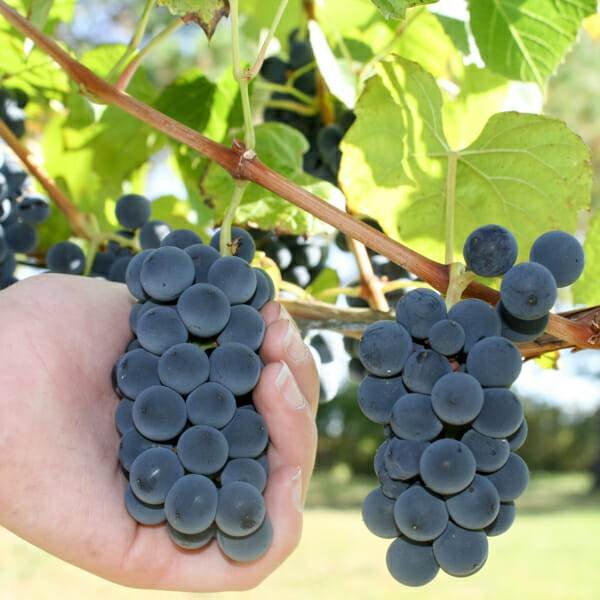
The first sign of ripeness you'll notice is a change in color. Green grapes will transform into a translucent golden hue, while red or purple varieties will deepen into their respective shades. Have you ever observed how vibrant a vineyard becomes as harvest approaches?
Keep an eye on uniformity. If most grapes in the bunch have turned, it’s likely they’re ripe. A few remaining green ones might just need a little more time, but don't let them hold you back from the majority.
Texture And Firmness
Ripeness is also evident in the texture and firmness of the grapes. Ripe grapes should feel plump and slightly firm, with a gentle give when pressed. Avoid those that are too hard or too soft.
Next time you're at a vineyard, gently squeeze a grape. Does it yield slightly under pressure? This tactile experience can be quite satisfying and informative.
Taste And Sweetness
Arguably the most enjoyable way to check for ripeness is through taste. Pluck a grape and savor its flavor. Ripe grapes will be sweet, with a balanced acidity, offering a burst of flavor that dances on your taste buds.
Consider keeping a record of the taste each week leading up to harvest. This way, you can track the development of sweetness and make an informed decision.
What surprises you most about the transformation in flavor? Share your experiences and insights in the comments below!
Tools For Assessing Ripeness
Determining the perfect time to pick grapes is crucial for quality. Several tools can help assess ripeness effectively. Growers rely on these methods to ensure grapes are ready for harvest.
Refractometer Use
A refractometer measures sugar levels in grapes. It's a simple tool that provides quick results. Place a few drops of juice on the refractometer's lens. Look through the device to see the Brix level. This indicates the sugar content, essential for ripeness.
Visual Inspection
Visual inspection is straightforward. Examine the color and size of the grapes. Ripe grapes often have a deep, consistent color. They should look plump and full. Check the stems too; they should be brown and dry.
Taste Testing
Taste testing involves sampling a few grapes. Bite into them and assess the flavor. Ripe grapes should taste sweet and juicy. The seeds should be brown, not green. This method is a direct way to gauge readiness.
Impact Of Climate
The 'Impact of Climate' on grape ripening is a crucial factor that influences the sweetness, acidity, and overall quality of the fruit. Grapes respond dynamically to the climatic conditions they are subjected to, and understanding these influences can help you determine the ideal time to harvest. Whether you're a seasoned vineyard owner or a home gardener, recognizing these variables can enhance your grape-picking experience.
Temperature Effects
Temperature plays a significant role in the ripening process. Warm days and cool nights are optimal for grapes, allowing them to develop sugars while retaining acidity. If the temperatures soar too high, grapes can over-ripen, leading to a loss of balance in flavor. Have you ever tasted a grape that was too sweet? It might be due to excessive heat.
Rainfall Considerations
Rainfall is another critical factor. A season with moderate rainfall supports steady grape growth, but too much rain can cause dilution of flavors and increase the risk of mold. Rain right before harvest can be particularly troublesome. It can swell the grapes and make them less concentrated. Imagine picking grapes only to find them watery and bland!
Regional Variations
Different regions experience varied climate conditions, affecting grape ripening times. Coastal areas may have cooler temperatures compared to inland vineyards, resulting in different harvest times. Is your vineyard located in a cooler region? You might notice your grapes ripen later, allowing for a longer growing season and potentially more complex flavors.
As you consider these climatic impacts, think about how they influence your own grape-picking strategy. Are you keeping an eye on the weather forecasts? Understanding these elements can transform your harvest from ordinary to extraordinary.

Credit: www.facebook.com
Grape Varieties And Their Timelines
Understanding when grapes are ripe to pick depends largely on the variety you are growing. Different grape varieties have distinct timelines for ripening, which can greatly influence the flavor and quality of your harvest. By recognizing these timelines, you can ensure your grapes are picked at the peak of their flavor. Let's dive into the specifics of grape varieties and their ripening schedules.
Early Ripening Varieties
Early ripening grape varieties are typically ready to be picked by late summer. These include varieties like Chardonnay and Pinot Noir. My neighbor always waits until mid-August to start sampling his Chardonnay grapes. It's amazing how the flavors can shift from tart to sweet in just a matter of days. You might find yourself testing a few grapes regularly to catch that perfect moment of ripeness.
Mid-season Varieties
Mid-season varieties tend to ripen from late summer to early fall. Varieties such as Merlot and Riesling fall into this category. I remember harvesting Riesling grapes one September afternoon. The cool breeze and the rich aroma of ripe grapes made it an unforgettable experience. Timing your harvest during this period can bring out the best balance of acidity and sweetness.
Late Ripening Varieties
Late ripening grapes, like Cabernet Sauvignon and Syrah, are often picked in late fall. These varieties benefit from the cooler temperatures to develop complex flavors. A friend once shared that he waits until the first frost to pick his Syrah, believing it enhances the grape's depth and richness. Are you willing to gamble with frost to potentially elevate your grape's flavor?
Timing For Different Uses
Determining the perfect time to pick grapes ensures maximum flavor. Ripe grapes are full, juicy, and slightly soft. Observing their rich color and sweet taste indicates readiness for harvest.
Timing for different uses is crucial when deciding the right time to pick grapes. Grapes serve various purposes, and each use demands specific ripeness. Understanding the ideal timing ensures the best flavor and quality. Let's explore the timing for different grape uses.
Wine Production
For wine, grape ripeness is key to flavor and aroma. Winemakers often monitor sugar levels, acidity, and tannins. Grapes are typically harvested when sugar levels are high and acidity is balanced. This balance varies based on the type of wine being produced. Red wines often need more mature grapes than whites. This ensures deeper flavors and richer textures.
Table Grapes
Table grapes require a different timing approach. They should be sweet, firm, and juicy. These grapes are picked at peak ripeness to ensure the best taste. Growers look for even color and slight softness. This indicates they are ready for consumption. Picking too early can result in tart and less enjoyable grapes.
Raisin Making
For raisins, grapes need to be very ripe. This ensures maximum sugar content. The grapes are usually left on the vine longer. This allows them to sweeten naturally. Once picked, they are dried to become raisins. The drying process concentrates their sugars. This makes them sweet and chewy.
Credit: www.homesandgardens.com
Challenges In Timing
Determining the perfect time to pick grapes poses several challenges. Weather conditions and varying ripeness levels complicate the decision. Balancing sugar content and acidity is crucial for the best flavor.
Timing the perfect moment to harvest grapes can be a challenging endeavor. Grapes, unlike some other fruits, don't continue to ripen once picked. This makes choosing the right time critical for achieving the best flavor and quality. However, several factors can complicate this decision-making process.
Weather Uncertainties
Weather plays a crucial role in determining grape ripeness. Unpredictable changes in temperature or unexpected rain can affect sugar levels and acidity. A sudden cold snap could slow down the ripening process, while excessive rain might dilute flavors. You might find yourself constantly checking weather forecasts, hoping for that perfect balance of sunshine and warmth.
Pest And Disease Impact
Pests and diseases can threaten your vineyard just as the grapes are reaching their peak. Birds, insects, and fungi love ripe grapes as much as you do. If left unchecked, they can devastate a crop. Regular monitoring and preventative measures become essential, but they also add pressure to the timing of your harvest.
Market Demands
Sometimes, the market dictates when grapes should be picked. If there's a high demand for a particular variety, you might need to harvest earlier than planned. This can be a tough decision, balancing financial opportunities with the desire for peak ripeness. Are you willing to compromise a little on quality for a better market price? Each of these challenges requires careful consideration and strategic planning. How do you manage the balancing act of nature's unpredictability with market pressures? It’s a question every grape grower must ponder, often with a little anxiety and a lot of hope.
Best Practices For Harvest
Harvesting grapes at the right time ensures the best flavor and quality. Knowing when to pick your grapes can make all the difference. Implementing best practices during harvest is key for optimal results. Proper techniques and timing can enhance the final product.
Optimal Harvest Conditions
Grapes thrive in specific conditions. Check the weather before harvesting. Dry, cool days are ideal for picking grapes. Avoid rainy days to prevent mold. Morning harvests preserve freshness and reduce sun exposure. Grapes should be firm and sweet. Taste a few to ensure peak ripeness.
Handling And Storage Tips
Handle grapes gently during harvest. Use clean, sharp tools to avoid bruising. Place grapes in shallow containers to prevent crushing. Keep harvested grapes in a cool, shaded area. Store grapes in a refrigerator to maintain freshness. Use breathable containers for proper air circulation.
Efficient Labor Management
Organize your team for a smooth harvest. Assign specific tasks to each worker. Provide clear instructions and safety guidelines. Schedule breaks to maintain energy and focus. Use efficient tools to speed up the process. Monitor progress and adjust as needed. Celebrate the successful harvest with your team.

Credit: www.instagram.com
Frequently Asked Questions
How Do You Know When Grapes Are Ready To Harvest?
Grapes are ready to harvest when they have reached full color and sweetness. Check sugar levels using a refractometer. Taste test for desired flavor and acidity. Inspect firmness and detachability from the vine. Observe the seeds; they should be brown.
Harvest during early morning for best results.
What Month Are Grapes Harvested?
Grapes are typically harvested between August and October. Harvest timing can vary based on the grape variety and region. Warmer climates may see an earlier harvest, while cooler regions might harvest later. Grapes are picked when they reach optimal sweetness and flavor for wine or consumption.
Will Grapes Ripen If You Pick Them Green?
Grapes won't ripen after being picked green. They need to mature on the vine for optimal sweetness. For best flavor, harvest grapes when they reach full color and sweetness. Store in a cool place to maintain freshness.
How To Ripen Grapes Picked Too Early?
Place grapes in a paper bag with an apple or banana. Check daily for ripeness. Ensure the bag is closed. Store at room temperature to speed up the process. Avoid direct sunlight to prevent overheating. Enjoy ripe grapes in a few days.
Conclusion
Grapes are a wonderful fruit. Picking them at the right time is key. Watch the color and taste. Sweetness signals readiness. Check the firmness too. Soft, plump grapes are ideal. Be patient, nature takes time. Picking too early loses flavor.
Waiting too long risks spoilage. So, trust your senses. Feel the grape, taste it. Enjoy the harvest when it's perfect. Vineyards offer the best guide. Their experience is invaluable. Share your grape stories with friends. Celebrate a successful harvest. Enjoy the fruits of your labor.
Happy grape picking!