
Have you ever bitten into a plum only to find it either too sour or disappointingly bland? Knowing the perfect time to pick plums can transform this experience into a delightful one.
Imagine sinking your teeth into a juicy, sweet plum picked at its peak ripeness. Sounds tempting, right? In this guide, we'll help you unlock the secrets to determining when your plums are ready for harvest. By the end, you'll be equipped with the knowledge to enjoy the freshest, most delicious plums straight from the tree.
Dive in to discover how you can tell when your plums are ripe and ready to pick.
Signs Of Ripeness
Picking plums at the right time ensures the best taste and texture. Identifying signs of ripeness can be tricky but rewarding. Knowing what to look for helps in harvesting plums at their peak.
Color Changes
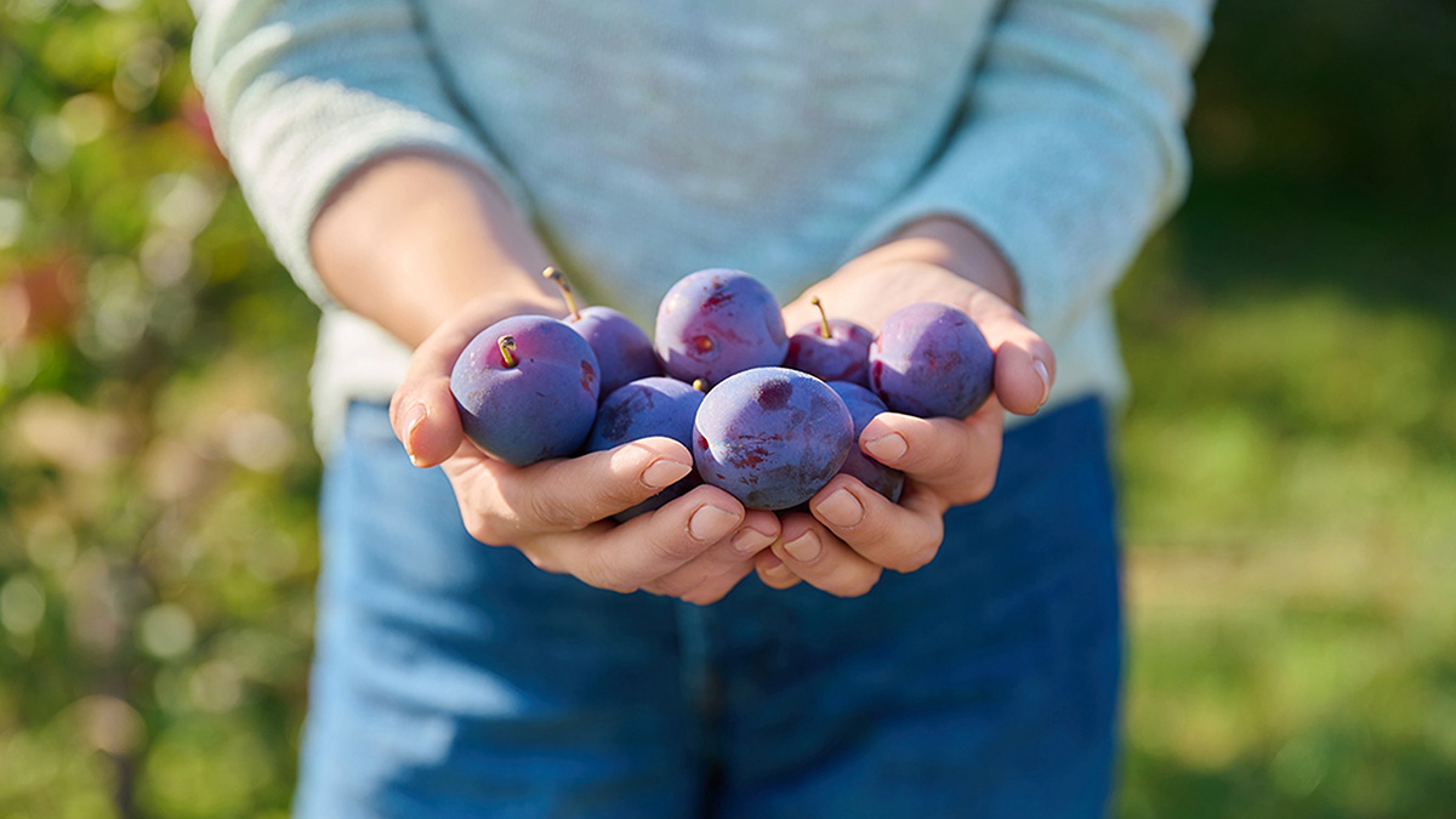
Color is a key indicator of plum ripeness. Different varieties display unique colors when ripe. Generally, ripe plums turn a deeper shade. For red plums, look for a rich, deep red hue. Black plums should appear dark and intense. Yellow plums will show a vibrant golden color. Check the entire fruit as uneven coloring might signal uneven ripening.
Texture And Firmness
Texture tells a lot about a plum's readiness. Ripe plums have a slight give when gently pressed. They should not be too soft or mushy. A very hard plum is likely unripe and less sweet. Hold the plum carefully to feel its firmness. Avoid squeezing too hard to prevent bruising.

Timing The Harvest
Ripe plums are firm yet slightly soft to the touch. Their rich color and sweet aroma indicate readiness for harvest. Picking them at the right time ensures optimal flavor and juiciness.
Timing the Harvest Plucking a plum at the right moment ensures you enjoy its full, juicy sweetness. But how do you know when that moment has arrived? Timing the harvest of plums is an art that involves understanding various factors, including climate and variety.
Climate Influences
Your local climate plays a crucial role in determining when plums are ripe. In warmer regions, plums may ripen faster due to prolonged sunshine and higher temperatures. You might notice the fruit changing color earlier than expected. Conversely, cooler climates can delay ripening, prompting you to wait patiently for that perfect shade of purple or red. Have you checked the weather patterns in your area? A sudden cold spell might hinder ripening, urging you to hold off on picking for a few more days. Observing your local climate can make all the difference.
Variety Differences
Different plum varieties offer diverse ripening times. Some plums, like the Santa Rosa, ripen early, while others, such as the Italian Prune, take their time. Knowing your plum variety helps you anticipate the harvest window. Consider keeping a calendar or journal to track the ripening trends of your plum trees. This practice not only aids in timing the harvest but also enhances your gardening skills. Have you ever tasted a plum from the tree, only to find it's not as sweet as expected? Learning about the specific ripening characteristics of your variety can prevent such surprises and ensure you savor the best flavors.
Preparation For Picking
Harvesting plums at the right time ensures a delicious and juicy yield. Proper preparation for picking is essential. It not only improves efficiency but also ensures safety. Before heading to the orchard, gather the necessary tools and ensure safety measures are in place. This will make the picking process smooth and enjoyable.
Tools Needed
- Garden gloves to protect your hands from scratches.
- Pruning shears for cutting off stubborn stems.
- Harvesting baskets to collect the plums without bruising them.
- Portable step stool for reaching higher branches.
Safety Precautions
Safety is vital during the picking process. Wear protective clothing to shield against the sun. Use a step stool carefully to avoid falls. Ensure it is stable before climbing. Stay hydrated by drinking water regularly. Be aware of your surroundings. Look out for any uneven ground or obstacles. These measures help prevent accidents and ensure a pleasant picking experience.
Best Practices For Harvesting
Knowing when plums are ripe and ready to pick is essential for enjoying their juicy goodness. Once you've identified that perfect ripeness, it's time to focus on the best practices for harvesting. Picking plums isn’t just about plucking them off the tree; it requires care to ensure you get the best taste and avoid damage. Let's explore the techniques that will help you harvest like a pro.
Gentle Handling
When you reach for a plum, imagine you're handling a delicate piece of art. Use your fingertips to cradle the fruit, applying just enough pressure to detach it from the branch. This gentle approach minimizes bruising, preserving the plum's texture and flavor.
Consider this: a harsh grip can crush a plum, releasing its precious juice and leaving you with a sticky mess. So, treat each plum with care, and you'll find yourself rewarded with a bowl of perfect fruits.
Avoiding Damage
Damage during harvesting can lead to quicker spoilage. To prevent this, focus on picking plums at their natural break point. A slight twist is all it takes to separate a ripe plum from its stem. This ensures that the fruit remains intact without tearing or bruising.
Think of the plum tree as a generous provider. If you pick a plum and it resists, perhaps it's not ready. Let patience guide your hand, and you'll avoid the pitfalls of premature picking. Have you ever rushed the process and ended up with a batch of sour plums?
Post-harvest Care
Plums are ready to pick when they feel slightly soft to the touch. A sweet aroma indicates ripeness.
Post-harvest care of plums plays a crucial role in ensuring their freshness and flavor. Once you've picked the perfect plums, knowing how to store and handle them properly is essential. This not only prolongs their shelf life but also enhances your enjoyment. Curious about how to maintain that juicy sweetness? Let's dive into the best practices for post-harvest care.
Storage Techniques
Proper storage can make a world of difference for your plums. Begin by placing them in a cool, dry area if they need further ripening. Once ripened, refrigeration is your best bet to maintain their freshness. Store them in the crisper drawer, ideally in a breathable bag to prevent moisture buildup. Remember, plums can last up to a week when refrigerated properly. Ensuring they're not stacked too tightly can help avoid bruising.
Ripening Off The Tree
Did you know plums can continue to ripen after being picked? If your plums are a bit firm, you can leave them at room temperature. Place them in a paper bag to speed up the process. The ethylene gas they emit will naturally enhance ripening. Just be cautious not to forget them, as over-ripening can lead to a mushy texture. Check daily to enjoy them at their peak! By mastering these techniques, you can savor the delightful taste of plums well after harvest. What’s your go-to method for ensuring your plums are perfect every time?

Common Mistakes
Picking plums too early is a common mistake. The fruit should yield slightly when gently squeezed. Another error is relying solely on color; plums can be ripe while still green or purple.
Common mistakes in picking plums can turn a promising harvest into a disappointing experience. Many people, eager for the sweet taste of fresh fruit, often misjudge the right time to pick them. By understanding these common pitfalls, you can ensure your plums are picked at their peak, maximizing both flavor and satisfaction.
Premature Picking
Picking plums too early is a frequent mistake. Unripe plums are often hard and lack the sweetness you'd expect. Their color might be misleading, as some varieties appear fully colored yet remain sour and tough inside. A personal experience taught me this lesson: I once picked a batch of plums that looked perfect from the outside, only to find they were inedible. It’s crucial to gently press the fruit; if it yields slightly, it’s likely ready. Always look for a subtle give when pressed – that's your cue for ripeness.
Overripe Issues
Waiting too long can be just as problematic. Overripe plums often become mushy and can attract pests or rot quickly. You might notice a strong, fermented aroma, which is a clear sign you've waited too long. Consider the plums in your grocery store – they are usually firm with just the right amount of softness. That should be your benchmark. Check your plums daily as they approach ripeness, so you can harvest them at the perfect moment. Have you ever delayed picking only to find your plums on the ground, spoiled? Timing is everything. A small window exists between ripe and overripe, so vigilance is key.
Credit: www.harryanddavid.com
Frequently Asked Questions
Will Plums Ripen If Picked When Green?
Plums picked green will not ripen properly. They need to mature on the tree for full flavor. Allow them to ripen naturally for the best taste and texture. Picking them too early can result in sour or tasteless fruit. Wait until they show signs of ripeness before harvesting.
What Month Do Plums Get Ripe?
Plums typically ripen between July and September. Timing can vary based on the variety and location. Warmer climates might see an earlier harvest, while cooler areas may experience later ripening. Check local conditions for the best harvest time. Enjoy ripe plums for their sweet and juicy flavor.
Can You Eat Plums Straight From The Tree?
Yes, you can eat plums straight from the tree. Ensure they are ripe and clean before consuming. Rinse them with water to remove any dirt or pesticides. Enjoy the fresh, juicy flavor of plums right off the tree for a healthy snack.
What Color Are Plums When Ripe?
Ripe plums are typically deep purple or red, depending on the variety. Some may also be golden yellow. The skin should be slightly soft to the touch, indicating ripeness. Always check the specific variety for exact color when ripe.
Conclusion
Plums taste best when picked at the right time. Check their color and feel. A ripe plum is deep in color and slightly soft. They should smell sweet too. Taste a few to find the best flavor. Remember, plums ripen at different times.
Weather and type affect them. Be patient and enjoy the process. The right pick makes a delicious treat. Enjoy fresh plums or use them in recipes. Their juicy sweetness is perfect for summer. Picking plums can be fun and rewarding.
Happy harvesting!